Can You Use Drone Footage Commercially?
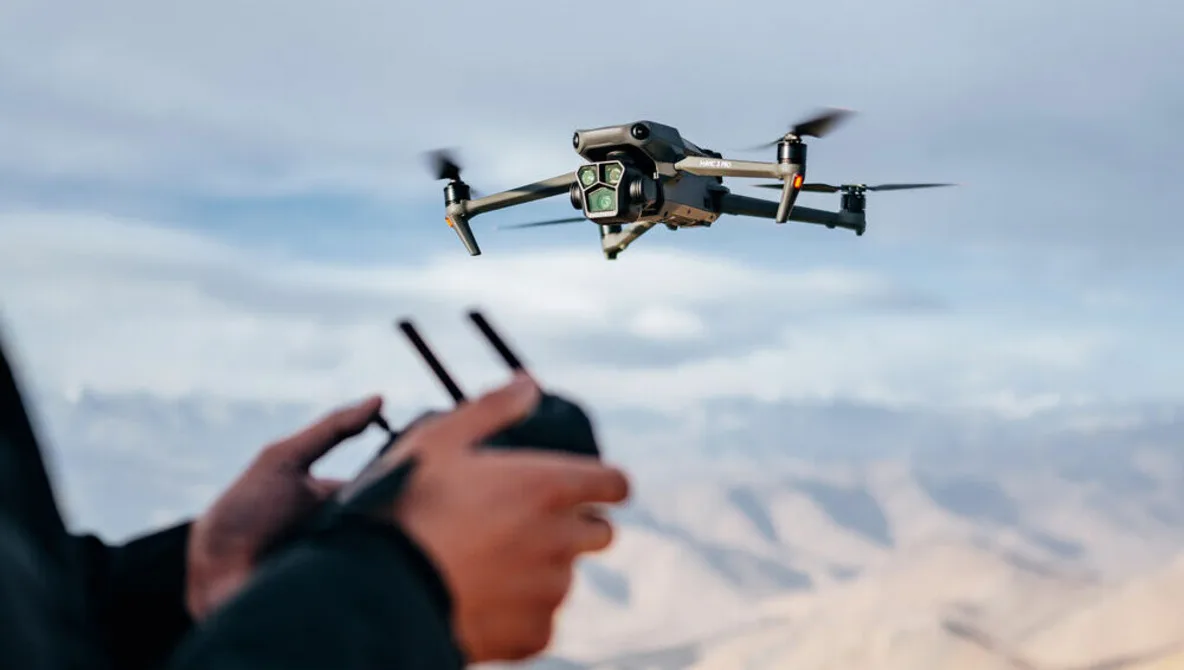
Image source: Bing (Web (fair-use with source credit))
It’s an exciting time for aerial imagery, and you’re probably wondering: can you use drone footage commercially? The short answer is a resounding yes, but it’s not as simple as just pointing and shooting. There are specific rules and requirements you need to follow to ensure your footage is legally usable for business purposes, from advertising to inspections.
Getting it right means understanding the regulations, licensing, and best practices. This guide breaks down exactly what you need to know to use drone footage commercially without running into legal trouble or privacy issues. As of 2026, the landscape for commercial drone operations is well-established, with clear guidelines from authorities like the Federal Aviation Administration (FAA).
Let's dive into how you can leverage this technology for your business.
Quick Answer
Yes, you can use drone footage commercially, but you need proper certification. Commercial drone pilots must obtain an FAA Part 107 Remote Pilot Certificate. This requires passing an aeronautical knowledge test.
Ignoring this rule can lead to hefty fines and legal penalties for unlicensed operation.
The Big Question: What Are the Rules for Commercial Drone Footage?
So, you've got an eye for aerial shots and want to use them to promote a business, document a project, or create stock media. That’s fantastic! But before you launch your drone for any paid gig, it's crucial to understand that flying a drone for commercial purposes isn't the same as flying it for fun.
The Federal Aviation Administration (FAA) has specific regulations in place to ensure safety and order in the skies.
Think of it like driving a car: you need a license to operate one legally on public roads, and commercial drone operation is similar. The primary set of rules governing this is known as Part 107. This section of the FAA's regulations outlines who can fly drones commercially, what types of operations are permitted, and the conditions under which they must be conducted.
Failing to comply with these rules can result in significant fines and even more serious legal consequences.
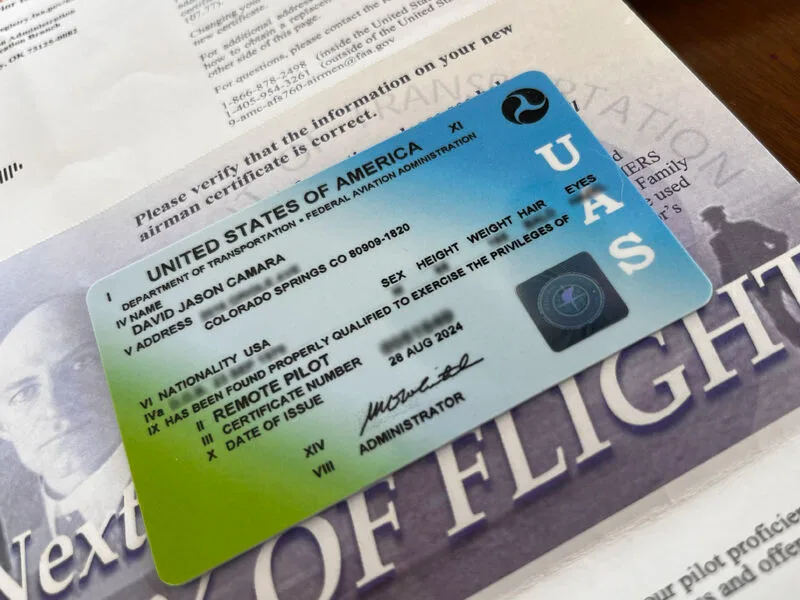
Image source: Bing (Web (fair-use with source credit))
Getting Licensed: Your Key to Commercial Drone Operations
To legally fly a drone for any commercial purpose, you absolutely need to be certified. This isn't just a suggestion; it's a legal requirement set forth by aviation authorities. The main pathway for commercial drone operators in the United States is through the FAA's Part 107 Remote Pilot Certificate.
Understanding FAA Part 107
This certificate is essentially a drone pilot's license for commercial use. To get it, you must meet certain eligibility requirements, including being at least 16 years old, able to read, speak, write, and understand English, and, most importantly, pass an initial aeronautical knowledge test. This test covers a broad range of aviation topics, including:
- Regulations: Rules concerning the national airspace system.
- Airspace: Understanding different types of airspace and how to navigate them.
- Weather: Basic meteorological concepts relevant to aviation.
- Loading and performance: How to properly load and operate the drone.
- Aircraft operation: Best practices for safe drone flight.
- Crew resource management: Effective communication and teamwork.
- Radio communication procedures: Standard communication protocols.
- Judgment and decision-making: Evaluating situations and making safe choices.
- Aerodynamic principles: Basic understanding of how drones fly.
Once you pass this test, you'll be issued a Part 107 Remote Pilot Certificate, which is valid for two years. After that, you'll need to complete recurrent training or testing to maintain your certification.
What About State and Local Laws?
While the FAA governs national airspace, it's also important to be aware of state and local laws. Some states, counties, or cities may have additional restrictions or regulations regarding drone operations within their jurisdictions. These can include things like:
- Restrictions on flying over private property without permission.
- Limitations on operating drones in certain public spaces like parks.
- Specific rules for law enforcement or emergency services use.
Always research the specific laws for the area where you plan to operate. A quick search for "[Your State] drone laws" or "[Your City] drone regulations" can help you find this information. Generally, state and local laws cannot contradict FAA regulations but can add further limitations.
Essential Gear and Specs for Commercial Drone Work
Using drone footage commercially means you’re not just looking for a fun gadget; you’re looking for a professional tool. The gear you choose directly impacts the quality of your output and your ability to meet client expectations. This involves not only the drone itself but also understanding its key specifications.
Choosing the Right Drone
The drone market offers a vast range of options, from hobbyist models to professional-grade machines. For commercial work, you'll typically want a drone that offers a balance of flight performance, camera capabilities, and reliability. Our research indicates that brands like DJI are often favored in professional circles due to their robust feature sets and ecosystem support.
Key considerations include:
- Flight Time: How long can the drone stay airborne on a single battery charge? Longer flight times mean more efficient operation, especially on large sites or for extended shoots. Look for drones offering 25 minutes or more of flight time.
- Range: How far can the drone fly from the controller while maintaining a stable video feed? For extensive aerial surveys or cinematic shots, a longer transmission range (often several miles) is essential.
- Stability: How well does the drone handle wind and maintain a steady position? Advanced stabilization systems, like GPS and GLONASS, are critical for smooth footage.
- Payload Capacity: If you plan to attach specialized sensors (e.g., thermal cameras), payload capacity becomes important.
Camera Quality That Matters
The camera is arguably the most critical component of your drone for commercial work. The footage needs to be sharp, clear, and capable of capturing fine details.
- Resolution: Most commercial applications benefit from at least 4K resolution (3840 x 2160 pixels). Higher resolutions like 5K or 6K offer more detail and flexibility in post-production for cropping or stabilization.
- Frame Rates: For smooth motion, standard frame rates like 24, 30, or 60 frames per second (fps) are important. Higher frame rates (like 120 fps) are useful for slow-motion effects.
- Sensor Size and Bitrate: Larger sensors generally perform better in low light and capture more dynamic range. A higher bitrate means more data is captured per second, resulting in richer image quality.
- Gimbal Stabilization: This is vital. A 3-axis gimbal ensures your footage is incredibly smooth, even when the drone is moving or encountering turbulence.
Manufacturer specifications often highlight these camera features, so always review them carefully before making a purchase.
Real-World Uses for Commercial Drone Footage
Once you've got your certification and your gear sorted, the possibilities for using drone footage commercially really open up. It’s not just about pretty sky views; it’s about adding significant value to various industries. The unique perspectives drones offer can provide data, enhance marketing, and improve efficiency in ways that were previously difficult or prohibitively expensive.
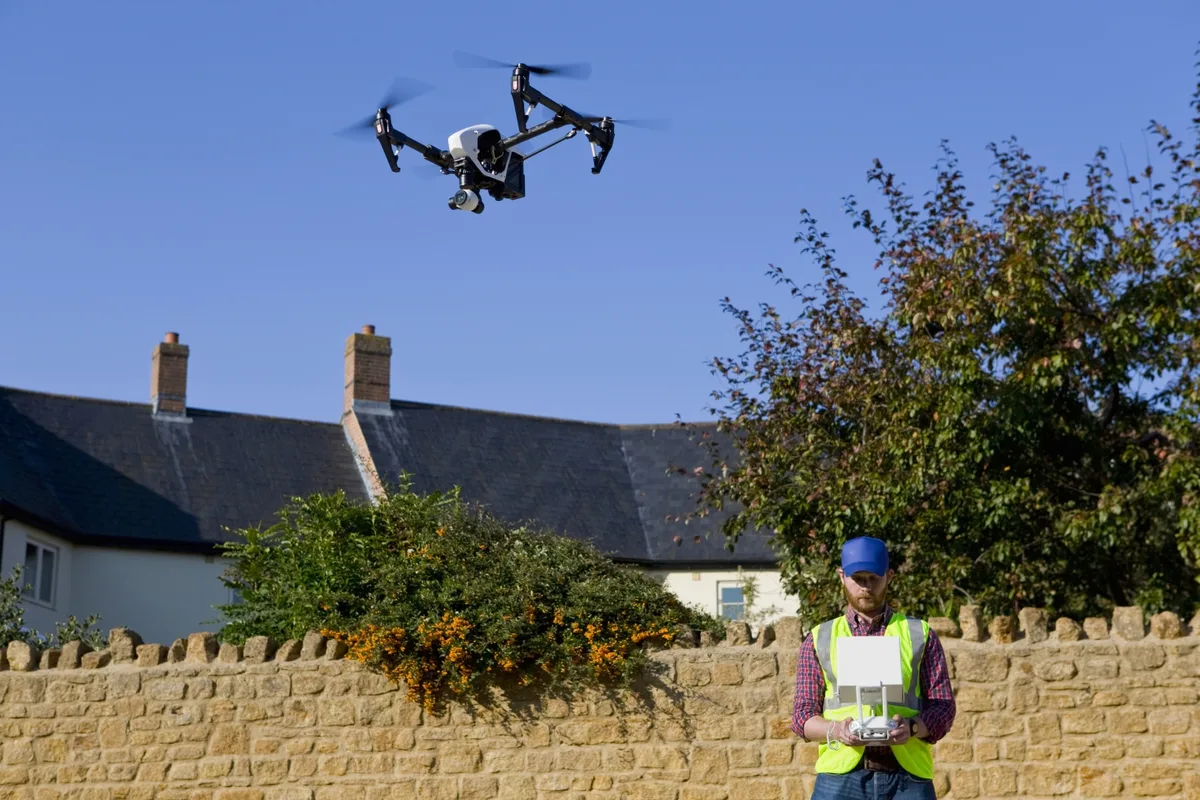
Image source: Bing (Web (fair-use with source credit))
Marketing and Media
This is one of the most common areas for commercial drone use.
- Real Estate: Drone footage can showcase properties, including homes, commercial buildings, and land, from stunning aerial angles. It helps potential buyers visualize the property's scale, layout, and surrounding environment far better than ground-level photos alone.
- Advertising: Businesses use drone shots in commercials, promotional videos, and social media campaigns to add a dynamic and professional feel. Imagine an advertisement for a resort showcasing its sprawling grounds or a car ad featuring scenic drives from above.
- Film and Television: Drones have become indispensable for capturing dynamic shots in movies, documentaries, and TV shows. They can create sweeping landscape panoramas, follow moving subjects, or get into tight spaces that traditional helicopters or cranes can't access.
- Stock Footage: High-quality drone footage can be licensed through stock media platforms, providing a passive income stream for pilots and a source of aerial clips for creators.
Inspections and Monitoring
Beyond visual appeal, drones offer practical benefits for data collection and oversight.
- Construction: Drones can perform regular site surveys to track progress, identify potential issues, and create detailed 3D models of construction sites. This provides project managers with up-to-date information without needing to visit dangerous areas.
- Infrastructure Inspection: Drones are used to inspect bridges, power lines, wind turbines, solar panels, and tall buildings. They can capture high-resolution images and video of hard-to-reach or hazardous areas, identifying wear and tear or damage more safely and cost-effectively than manual inspections.
- Agriculture: Drones equipped with specialized sensors can monitor crop health, assess irrigation needs, and even perform targeted spraying. This precision agriculture approach can increase yields and reduce waste.
- Environmental Monitoring: Drones can be used for tasks like monitoring wildlife populations, tracking erosion, or assessing the impact of natural disasters.
These are just a few examples, and new commercial applications for drone footage are emerging all the time.
Navigating Legal and Safety Pitfalls
Using drone footage commercially involves more than just flying the drone; it requires a keen awareness of the potential legal and safety challenges. Overlooking these aspects can lead to significant problems, from hefty fines to legal disputes and even safety incidents. It’s about operating responsibly and ethically.
Privacy and Property Rights
One of the biggest concerns with drone footage is privacy. Drones equipped with high-resolution cameras can easily capture images or video of private property or individuals without their consent.
- Trespass: Flying low over private property, especially to capture close-up shots of homes or yards, could potentially be construed as trespassing, depending on local laws.
- Invasion of Privacy: Capturing identifiable individuals without their permission, particularly in spaces where they expect privacy (like their backyard), can lead to legal action for invasion of privacy.
- Property Release: If you are filming property owned by someone else for commercial use, you will likely need a property release form signed by the owner, especially if the footage is intended for broad distribution.
It’s always best practice to obtain consent when filming identifiable individuals or private property that will be used commercially. If you’re capturing general aerial views of public spaces or large landscapes, the risk is lower, but awareness is key.
Insurance and Liability
Commercial drone operations carry inherent risks. Equipment can malfunction, weather conditions can change unexpectedly, and pilot error can occur. For this reason, liability insurance is highly recommended, and often required by clients.
- Liability Coverage: This insurance protects you financially if your drone operation causes damage to property or injury to individuals. Policies vary, but they typically cover costs associated with accidents, such as repair expenses or medical bills.
- Hull Insurance: This type of insurance covers damage to your drone itself, which can be a significant investment. It’s particularly useful if you operate in challenging environments or have a history of incidents.
When you operate commercially, you are taking on professional responsibility. Having adequate insurance is a fundamental part of mitigating financial risk and demonstrating professionalism to clients. Many clients will require proof of insurance before hiring a drone pilot for a job.
Step-by-Step: Your Commercial Drone Footage Workflow
Successfully using drone footage commercially involves a structured workflow. It's not just about showing up with a drone and filming; there's a process to follow from initial planning to final delivery. This methodical approach ensures you meet all legal requirements, capture the best possible footage, and deliver a professional product to your client.
Planning Your Flight
This is arguably the most crucial step. Before you even power up your drone, you need to:
- Understand the Objective: What exactly does the client need? What shots are required? What is the purpose of the footage (e.g., marketing, inspection report)?
- Site Assessment: Visit the location if possible. Identify potential hazards like power lines, tall trees, buildings, or other aircraft. Note any restricted areas.
- Weather Check: Monitor weather forecasts closely. Wind speed, precipitation, and visibility are critical factors for safe drone operation. FAA regulations place limits on wind speeds for safe flight.
- Logistics: Plan your arrival time, consider parking, and determine where you'll set up your command center.
Getting Airspace Authorization
Depending on where you are flying, you might need authorization to operate your drone. The FAA has systems in place to manage airspace access for drones.
- LAANC (Low Altitude Authorization and Notification Capability): For most non-towered airports, you can get near-instantaneous airspace authorization through LAANC-approved apps. This allows you to fly in controlled airspace below certain altitudes.
- Altitude and Location Restrictions: Be aware of no-fly zones like airports, national parks, and other sensitive areas. Flying in these zones without proper waivers or authorization can lead to severe penalties. Always check an aviation chart or app before flying.
- Waivers: For operations that fall outside standard Part 107 rules (e.g., flying at night, flying over people), you may need to apply for a waiver from the FAA.
Filming and Capturing Footage
With your planning and authorization complete, it’s time to fly and capture your shots.
- Pre-Flight Checks: Always perform a thorough pre-flight inspection of your drone, batteries, propellers, and controller. Ensure all systems are nominal.
- Execute Flight Plan: Follow your planned flight path, but remain flexible. Be prepared to adapt to changing conditions or unexpected obstacles.
- Monitor Your Feed: Continuously watch your drone's video feed and telemetry data (altitude, speed, battery level) on your controller or tablet.
- Capture Critically: Take more footage than you think you’ll need, capturing multiple angles and takes of key shots. This gives you options in post-production.
Editing and Licensing Your Work
Once you've captured the raw footage, the work isn't over. Post-production is where raw data becomes polished content.
- Footage Review and Selection: Go through all your captured footage and select the best takes.
- Editing: Use video editing software to assemble your clips, color-correct the footage, add music, and create the final product according to client specifications. Stabilize any shaky shots.
- Licensing: If you are selling footage as stock or licensing it for specific commercial uses, ensure you have the appropriate licensing agreements in place. This clarifies usage rights, duration, and territory.
- Deliverables: Provide the final edited video files to your client in the agreed-upon format and resolution.
Frequently Asked Questions About Commercial Drone Footage
Is a Part 107 Certificate always required for commercial drone use?
Yes, if you operate a drone for compensation or in furtherance of a business, you are required to hold a Remote Pilot Certificate under FAA Part 107. This applies even if the drone weighs less than 0.55 pounds.
Can I fly a drone commercially at night?
Night operations are permissible under Part 107, but only if the remote pilot has completed updated training or passed a recurrent knowledge test that includes night operations. The drone must also have anti-collision lighting visible for at least three statute miles.
What are the altitude limits for commercial drone flights?
Under standard Part 107 rules, drones must remain below 400 feet above ground level (AGL). If you are flying within 400 feet of a structure, you may fly up to 400 feet above that structure's uppermost limit.
Do I need to register my drone for commercial use?
Yes, any drone weighing 0.55 pounds or more used for commercial operations must be registered with the FAA. This registration needs to be renewed annually. The registration number must be marked on the exterior of the drone.
What happens if I fly commercially without a Part 107 certificate?
Flying commercially without the required Part 107 certificate can result in severe penalties. These include fines that can reach thousands of dollars per violation, and potential legal action depending on the circumstances and the discretion of aviation authorities.