How Do You Find Drone Videography Clients?
Finding drone videography clients is the crucial next step after mastering flight and editing. Many skilled pilots wonder how to bridge the gap between hobbyist and professional, transforming their passion into a paying career. This guide outlines a clear workflow to help you identify and secure your first paying clients.
As of 2026, the demand for high-quality aerial content continues to grow across various industries. Understanding the core steps, from defining your niche to actively networking, is key to building a sustainable drone videography business. Let's get you started on the right path.
Quick Answer
You find drone videography clients by building a strong portfolio, networking actively, and performing targeted outreach. Clearly define your services and ideal customer. Showcase your best aerial footage online.
Attend industry events and connect on LinkedIn. Follow up professionally and consider offering initial discounts.
Step 1: Define Your Drone Services & Ideal Client
This is where it all begins. If you try to be everything to everyone, you'll likely end up with no one. Pinpointing your niche and understanding who needs that specific service is the bedrock of successful client acquisition.
It helps you tailor your marketing, your portfolio, and even your conversation when you meet potential clients.
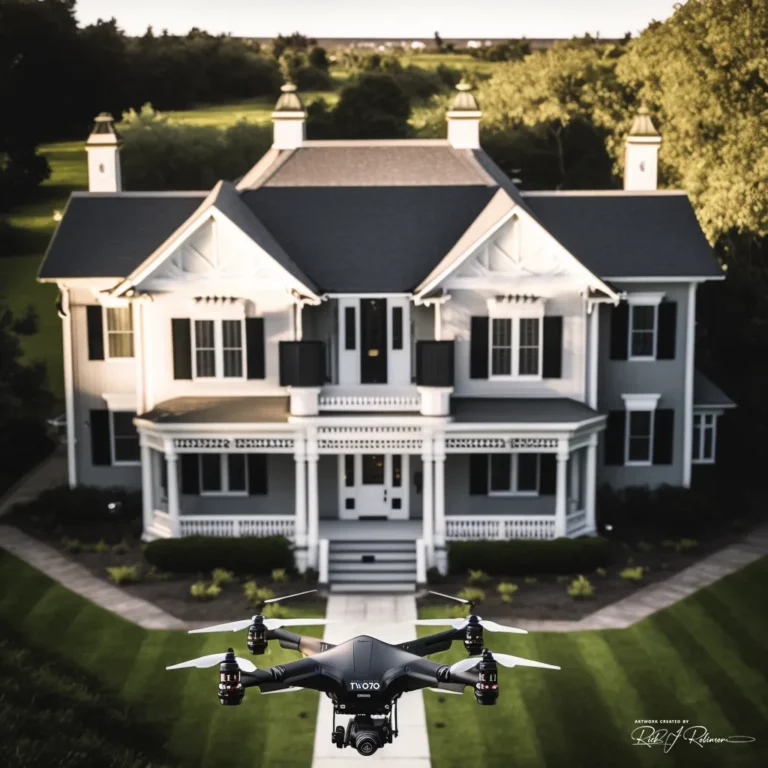
Image source: Web (Bing) / phoenixdma.com (Web image (fair-use with source credit))
Who Are You Trying to Reach?
Think about the industries that benefit most from drone footage. Are you drawn to the visual storytelling of real estate, the detailed progress tracking of construction, or the dynamic shots for event coverage?
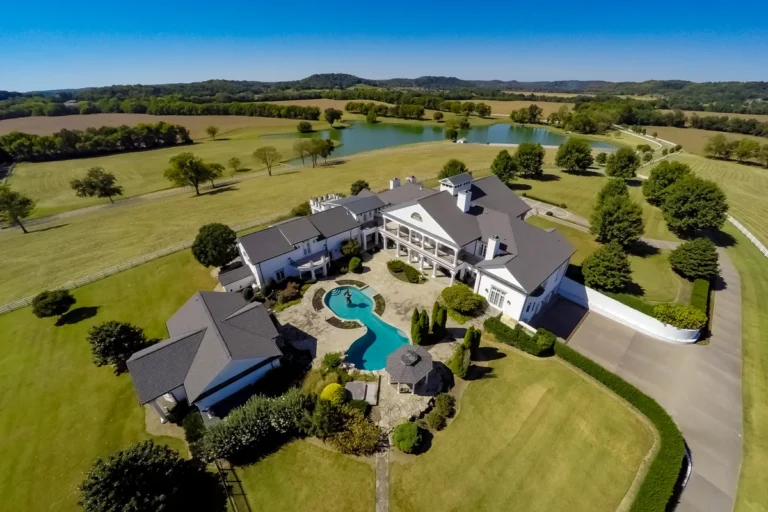
- Real Estate: Agents and developers need stunning aerials to showcase properties.
- Construction: Project managers require progress updates, site surveys, and marketing materials for new builds.
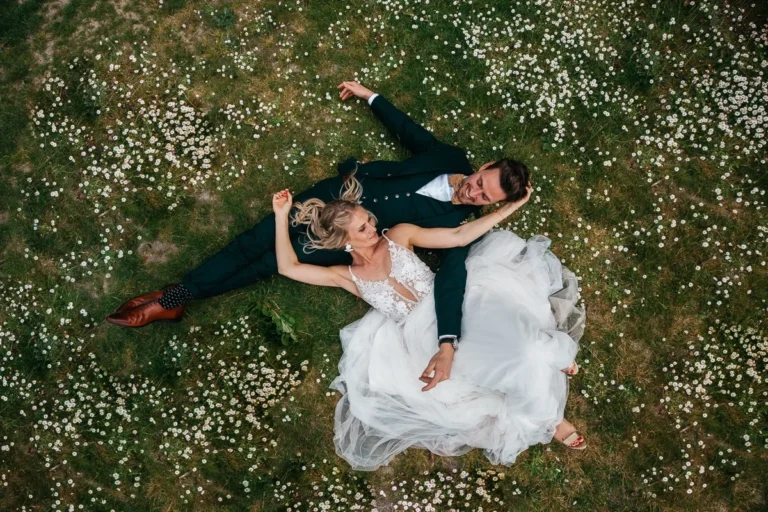
- Events: Planners and venues can use drone footage for weddings, festivals, and corporate gatherings to add a unique perspective.
- Businesses: Local shops, tourism boards, and marketing agencies might need promotional videos.
Choosing a target audience, or even a couple, allows you to focus your efforts and become known for a specific type of service. This specialization often leads to better clients who value your expertise.
What Services Will You Offer?
Once you know who you're targeting, you can define the specific drone videography services you'll provide. This could range from simple property overview shots to complex cinematic sequences.
- Property Tours: High-quality fly-throughs for real estate listings.
- Progress Monitoring: Regular aerial updates for construction projects.
- Event Highlights: Capturing key moments from a unique aerial vantage point.
- Promotional Videos: Creating engaging marketing content for businesses.
- Site Surveys: Detailed aerial mapping and inspection for various industries.
Clearly articulating these services helps clients understand exactly what you can do for them and sets clear expectations from the start.
Step 2: Build Your Drone Footage Portfolio
Nobody hires a drone pilot without seeing what they can do. Your portfolio is your most powerful marketing tool. It's your digital resume, showcasing your skills, your style, and the quality of your aerial work.
Even if you're just starting, you need to start building this foundation.
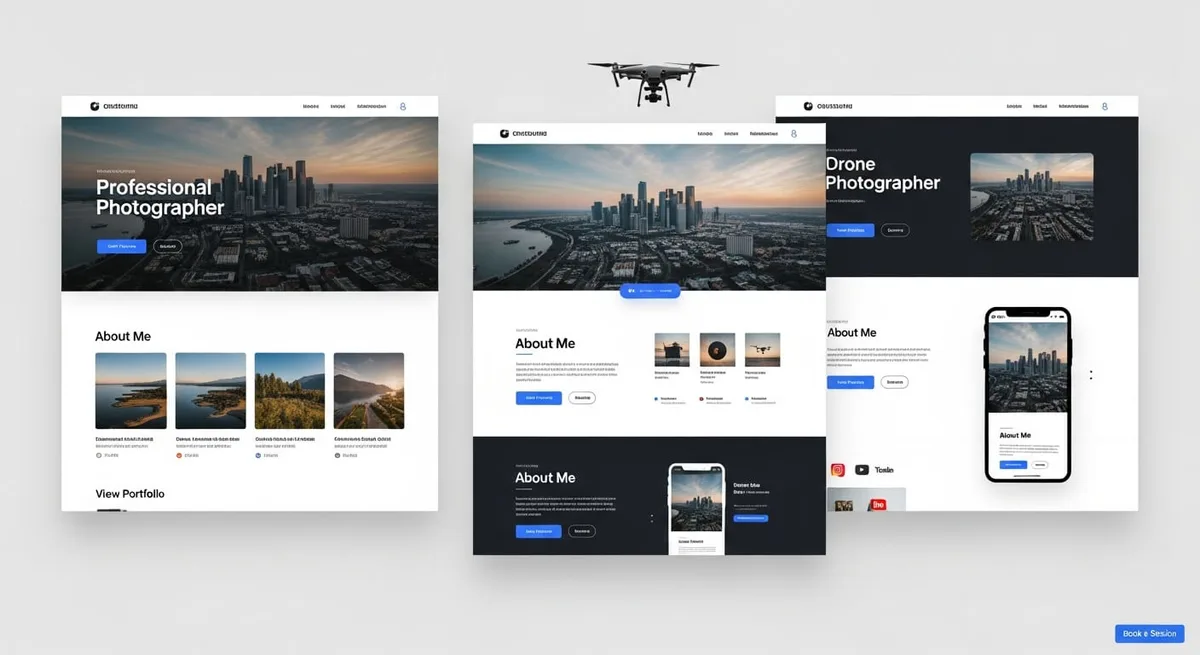
Image source: Bing (Web (fair-use with source credit))
Showcase Your Best Work
Gather every piece of drone footage you're proud of. If you haven't done paid work yet, think about projects you've completed for practice or for friends. The goal is to demonstrate variety and quality.
- Variety is Key: Include different types of shots, sweeping landscape views, dynamic motion shots (like tracking a car or following a path), and detailed close-ups where appropriate.
- Quality Over Quantity: A few excellent clips are far better than many mediocre ones. Ensure your footage is well-stabilized, properly exposed, and edited cohesively.
- Tailor to Your Niche: If you're targeting real estate, make sure your portfolio features strong real estate examples. If construction is your focus, highlight that type of footage.
Creating Your Online Presence
Having great footage isn't enough if potential clients can't easily find and view it.
- Website/Platform: A dedicated website is ideal, but a professional profile on platforms like Vimeo or YouTube can also work. Ensure your chosen platform is easy for clients to navigate and watch your videos without issue.
- Clear Organization: Categorize your work if you have footage for different industries. This makes it easy for a prospective client in a specific sector to find relevant examples quickly.
- Contact Information: Make it incredibly easy for people to get in touch with you. A clear "Contact" page or button is essential.
Step 3: Network Your Way to Opportunities
The drone videography world, like many service industries, thrives on connections. Simply having a great portfolio and website isn't always enough; you need to actively put yourself in front of potential clients and collaborators. Networking is about building relationships, not just handing out business cards.
- Attend Local Industry Events: Look for events hosted by real estate associations, construction industry groups, or local chambers of commerce. These are prime locations to meet people who actually need your services.
- Connect on LinkedIn: This professional networking platform is invaluable. Connect with real estate agents, project managers, marketing directors, and event planners in your target industries. Engage with their posts, share your work when appropriate, and participate in relevant groups.
- Tell Your Existing Network: Don't underestimate the power of word-of-mouth. Let friends, family, former colleagues, and even your barber know what you're doing. You never know who might need drone services or know someone who does.
Connecting with Industry Professionals
Reach out to individuals in fields that commonly use drone videography. A polite, concise introduction can open doors.
- Real Estate Agents: Send a brief email or LinkedIn message introducing yourself and your aerial photography services. Include a link to your portfolio and mention how your services can help sell properties faster or at a higher price point.
- Construction Project Managers: Connect with them on LinkedIn. Highlight how drone footage can provide valuable progress updates, improve site safety oversight, and create marketing assets for their projects.
- Event Planners: Reach out to event coordinators. Explain how drone videography can add a unique, cinematic dimension to wedding videos, corporate events, or festivals, capturing the scale and atmosphere in ways ground cameras cannot.
Leveraging Local Business Connections
Your local community is a rich source of potential clients.
- Chamber of Commerce: Joining your local chamber often provides access to regular networking events and a directory of local businesses. This is a direct line to potential clients in your immediate area.
- Business Mixers: Many towns and cities host regular mixers for local entrepreneurs and business owners. These are informal settings perfect for striking up conversations and introducing your services.
Step 4: Smart Outreach Strategies
Once you've defined your ideal client and started building your network, it's time for proactive outreach. This means identifying potential clients who could benefit from your services and reaching out directly, but always in a professional and personalized manner. Generic, mass-sent emails often get ignored.
- Identify Prospects: Look for businesses or properties that clearly need aerial visuals. For example, a new housing development, a hotel with beautiful grounds, or a company whose marketing could be significantly enhanced by drone footage.
- Personalize Your Message: Always tailor your outreach. Reference specific aspects of their business or property. If you're contacting a real estate agent, mention a specific listing you saw and how drone footage could benefit it.
Identifying Potential Clients
This stage involves active research to find businesses or individuals who are good fits for your drone videography services.
- Online Research: Use tools like Google Maps, industry-specific directories, and even social media to find businesses that could use aerial marketing or documentation. Look for new construction projects, businesses with visually appealing locations, or those who haven't updated their marketing materials recently.
- Observe Your Surroundings: Driving around your local area can reveal opportunities. See a large property, a new commercial development, or a venue that could benefit from enhanced visuals? Make a note of it.
Crafting Effective Outreach Messages
Your message needs to be concise, compelling, and clearly state the value you offer.
- Subject Line: Make it attention-grabbing but professional. Something like "Enhance Your [Property Type/Business] with Aerial Videography" or "Unique Aerial Perspectives for [Company Name]".
- Body:
- Briefly introduce yourself and your service.
- State clearly why you are contacting them, referencing your research.
- Explain the specific benefit your drone services would bring (e.g., "Aerial footage can help sell properties 30% faster," or "Progress monitoring drones reduce site inspection time by up to 20%").
- Include a direct link to your portfolio.
- End with a clear call to action, such as suggesting a brief call or offering to send more information.
Step 5: Understanding Pricing & Packages
Pricing your drone videography services correctly is essential for both attracting clients and ensuring your business is profitable. It's a balance between being competitive and valuing your time, skills, and equipment. As of 2026, pricing structures vary widely, but a clear approach is vital.
Researching Market Rates
Before setting your own prices, you need to understand what others are charging in your area for similar services.
- Competitor Analysis: Look at other drone service providers' websites. Do they list their prices, or do you need to request a quote? Note the types of services they offer and their general pricing tiers.
- Industry Standards: While specific numbers fluctuate, industry reports and surveys can offer general benchmarks for aerial videography rates. Consider factors like flight time, editing complexity, travel, and deliverables.
- Your Costs: Factor in all your operating expenses: drone equipment, insurance, software subscriptions, marketing, and your own time. Ensure your prices cover these costs and allow for a profit margin.
Creating Service Packages
Offering tiered packages can simplify the decision-making process for clients and encourage them to choose a higher-value option.
- Basic Package: This might include a set amount of flight time (e.g., 30 minutes), a limited number of edited clips, and basic color correction. Ideal for clients with straightforward needs or smaller budgets.
- Standard Package: This could offer more flight time (e.g., 1 hour), more comprehensive editing, inclusion of music, and delivery of multiple final video assets.
- Premium Package: This typically involves extensive editing, advanced color grading, motion graphics, custom music, and longer final video productions. It's suited for clients with complex marketing campaigns or high-end projects.
Clearly outlining what's included in each package helps clients understand the value and choose the option that best fits their project scope and budget.
Establishing Your Pricing Structure
When setting your rates, consider offering different models to accommodate various client needs.
- Hourly Rate: Charge a fixed price per hour of flight and editing time. This works well for projects with undefined scopes.
- Project-Based Pricing: Offer a flat fee for a specific deliverable (e.g., a 2-minute promotional video). This provides clients with budget certainty.
- Retainer Agreements: For ongoing needs, such as regular construction progress updates or social media content, offer retainer packages with monthly fees. This ensures consistent income for you and reliable service for the client.
Remember to clearly state your terms of service, including payment schedules and cancellation policies, in any contract or agreement.
Step 6: Navigating Legal & Safety Requirements
Operating a drone service isn't just about flying and filming; it involves adhering to specific legal and safety frameworks. Ignoring these can lead to significant penalties or even jeopardize your ability to operate. Understanding and implementing these requirements builds trust with clients and ensures your business operates responsibly.
Understanding FAA Regulations
In the United States, the Federal Aviation Administration (FAA) governs drone operations. For commercial use, pilots must obtain a Remote Pilot Certificate, commonly known as a Part 107 license. This certification involves passing a knowledge test covering airspace rules, operational requirements, and weather conditions.
- Part 107 Knowledge Test: This is mandatory for anyone flying a drone for commercial purposes. You'll need to demonstrate a solid understanding of aviation principles.
- Airspace Authorizations: Depending on your operating location, you may need to obtain authorization to fly in controlled airspace, such as near airports. Services like LAANC (Low Altitude Authorization and Notification Capability) streamline this process for certain areas.
- Registration: Drones weighing 0.55 pounds (250 grams) or more must be registered with the FAA.
Adhering to these regulations ensures you're operating legally and safely, which is a key selling point for professional clients. You can find comprehensive resources and study materials through official FAA channels and reputable training providers like the FAA website.
The Importance of Drone Insurance
Professional drone videography carries inherent risks. Equipment can fail, accidents can happen, and third-party property damage is a possibility. Adequate drone insurance is not just a good idea; for many clients, it's a non-negotiable requirement before they'll hire you.
- General Liability: This covers bodily injury or property damage caused by your drone operations. Many clients, especially larger companies or those in sensitive industries like real estate development, will require proof of this coverage.
- Hull Insurance: This protects your drone itself against damage or loss. It's crucial for covering repair or replacement costs for your valuable equipment.
A good insurance policy provides financial protection against unforeseen incidents and demonstrates your professionalism and commitment to risk management, making you a more attractive choice for discerning clients.
Step 7: Common Pitfalls and How to Avoid Them
Even with the best intentions and skills, new drone videographers can stumble into common traps that hinder client acquisition and business growth. Being aware of these pitfalls allows you to proactively avoid them and build a more robust, client-focused operation from the outset.
Mistakes New Drone Pilots Make
Many aspiring professionals overlook crucial aspects that clients expect from a seasoned service provider.
- Lack of Professionalism: This can manifest in many ways, from unprofessional communication (sloppy emails, late replies) to a disorganized portfolio or not presenting yourself confidently. Clients want to work with someone they can trust to be reliable and competent.
- Underestimating Project Scope: Taking on projects without fully understanding the client's needs can lead to missed deadlines, budget overruns, and dissatisfied customers. Always clarify deliverables, usage rights, and the full scope of work before agreeing to a price.
- Ignoring Contracts: Operating without a clear, written contract is a recipe for disaster. Contracts protect both you and the client by outlining project details, payment terms, deliverables, and liabilities.
Setting Realistic Client Expectations
Mismanaged expectations are a leading cause of client dissatisfaction and negative reviews. It's your responsibility to ensure clients understand what they can expect from your services.
- Weather Dependency: Drone operations are heavily influenced by weather conditions. Clearly communicate that flights may need to be rescheduled due to high winds, rain, or poor visibility.
- Deliverable Timelines: Provide realistic estimates for post-production and final delivery of footage. Rushing editing can lead to errors, so build buffer time into your schedule.
- Usage Rights: Be clear about how the client can use the footage you provide. Are they purchasing full commercial rights, or is it for specific applications only? This should be detailed in your contract.
Step 8: Marketing Your Drone Services Effectively
Once you've got your portfolio, pricing, and legal framework in place, it's time to actively market your drone videography business. This involves a multi-pronged approach, using both online and offline strategies to reach potential clients. Think of it as consistently putting your best foot forward to attract the right kind of business.
Online Marketing Essentials
Your digital footprint is often the first impression potential clients have.
- Website Optimization: Ensure your website is professional, easy to navigate, and clearly showcases your portfolio and services. Include strong calls to action and your contact information prominently. Search engine optimization (SEO) basics, like using relevant keywords on your pages, can help clients find you when searching online.
- Social Media Presence: Platforms like Instagram, Facebook, and LinkedIn are visual mediums perfect for drone videography. Regularly post your best work, engage with relevant industry accounts, and use targeted hashtags (e.g., #aerialrealestate, #constructiondrone).
- Online Directories: List your business in local and industry-specific online directories. This increases your visibility to clients actively searching for drone services in your area.
Offline Marketing and Networking
Don't discount traditional methods, especially for local business.
- Business Cards: Always have professional business cards on hand. They should include your name, company, contact details, website, and perhaps a QR code linking to your portfolio.
- Local Partnerships: Collaborate with complementary businesses. For example, a real estate photographer might not offer drone services but could refer clients to you in exchange for a referral fee or reciprocal referrals.
- Direct Mail (Selective): For highly targeted campaigns, consider sending professional brochures or postcards to specific businesses or properties you've identified as ideal clients.
Step 9: Delivering Exceptional Client Experiences
Securing a client is only half the battle; ensuring they have a positive experience is crucial for repeat business and valuable referrals. Every interaction, from the initial inquiry to the final project delivery, contributes to your reputation. Exceptional service turns one-off projects into long-term relationships.
Professional Communication is Key
Clear and consistent communication builds trust and manages expectations.
- Prompt Responses: Reply to inquiries, emails, and calls quickly. This shows you are attentive and professional.
- Regular Updates: Keep clients informed about project progress, especially if weather delays or other unforeseen issues arise. Transparency is vital.
- Active Listening: Truly understand the client's goals and vision for the project. Ask clarifying questions to ensure you're on the same page before you begin filming.
Beyond the Footage: Added Value
Think about what else you can offer to make the client experience outstanding.
- Seamless Workflow: Make the process of hiring you, providing information, and receiving final footage as smooth as possible. User-friendly online portals for file delivery can be a big plus.
- Exceeding Expectations: Whenever possible, try to deliver a little more than promised. This could be an extra edit, a slightly faster turnaround time, or a particularly stunning shot you captured.
- Post-Project Follow-up: A simple check-in email after delivery to ensure they are happy with the final product can go a long way in fostering loyalty and encouraging future business.
Step 10: Building Long-Term Client Relationships
The most sustainable drone videography businesses are built on repeat clients and strong referral networks. This requires moving beyond transactional projects to cultivate genuine, ongoing relationships. It’s about becoming a trusted partner rather than just a vendor.
Nurturing Repeat Business
Clients who have had a good experience are your most valuable asset.
- Stay in Touch: Periodically send out newsletters or targeted emails to past clients, sharing new portfolio work or special offers. This keeps you top-of-mind.
- Offer Loyalty Programs: Consider discounts for repeat clients or preferred rates for ongoing projects. This incentivizes them to return to you.
- Seek Feedback: Actively ask for feedback on your services. Use this information to improve and show clients you value their input.
Encouraging Referrals
A strong referral program can significantly boost your client acquisition.
- Ask for Referrals: Don't be shy about asking satisfied clients if they know anyone else who could benefit from your services.
- Incentivize Referrals: Offer a small discount on their next project or a gift card for each new client they successfully refer to you. Make it a win-win.
- Showcase Testimonials: Positive testimonials from happy clients are powerful social proof. Display them prominently on your website and marketing materials.
Frequently Asked Questions About Getting Drone Videography Clients
How much should I charge for drone videography?
Pricing varies significantly based on location, experience, and the complexity of the project. As of 2026, hourly rates can range from $100-$300+, while project-based pricing might be anywhere from $500 for simple real estate shots to several thousand dollars for complex commercial productions. Always factor in your operating costs, insurance, and desired profit margin.
How long does it take to get a Part 107 license?
Studying for the FAA Part 107 knowledge test typically takes between 10 to 20 hours, depending on your prior aviation knowledge. After studying, you schedule and pass the test at an FAA-approved testing center. The certificate is issued upon passing and is valid for two years, requiring recurrent training to maintain.
What's the best way to find my first few clients?
Start by building a strong portfolio of sample work. Then, leverage your personal network and professional platforms like LinkedIn to connect with potential clients in industries like real estate or construction. Attend local business events and offer a compelling introductory rate or package for your first few projects to build testimonials.
Do I need special insurance for drone videography?
Yes, professional drone videography almost always requires specialized insurance. This typically includes general liability coverage to protect against third-party property damage or injury, and hull insurance to cover damage to your drone itself. Many clients will mandate proof of insurance before hiring you.