Can Drone Videos Help Sell Houses?
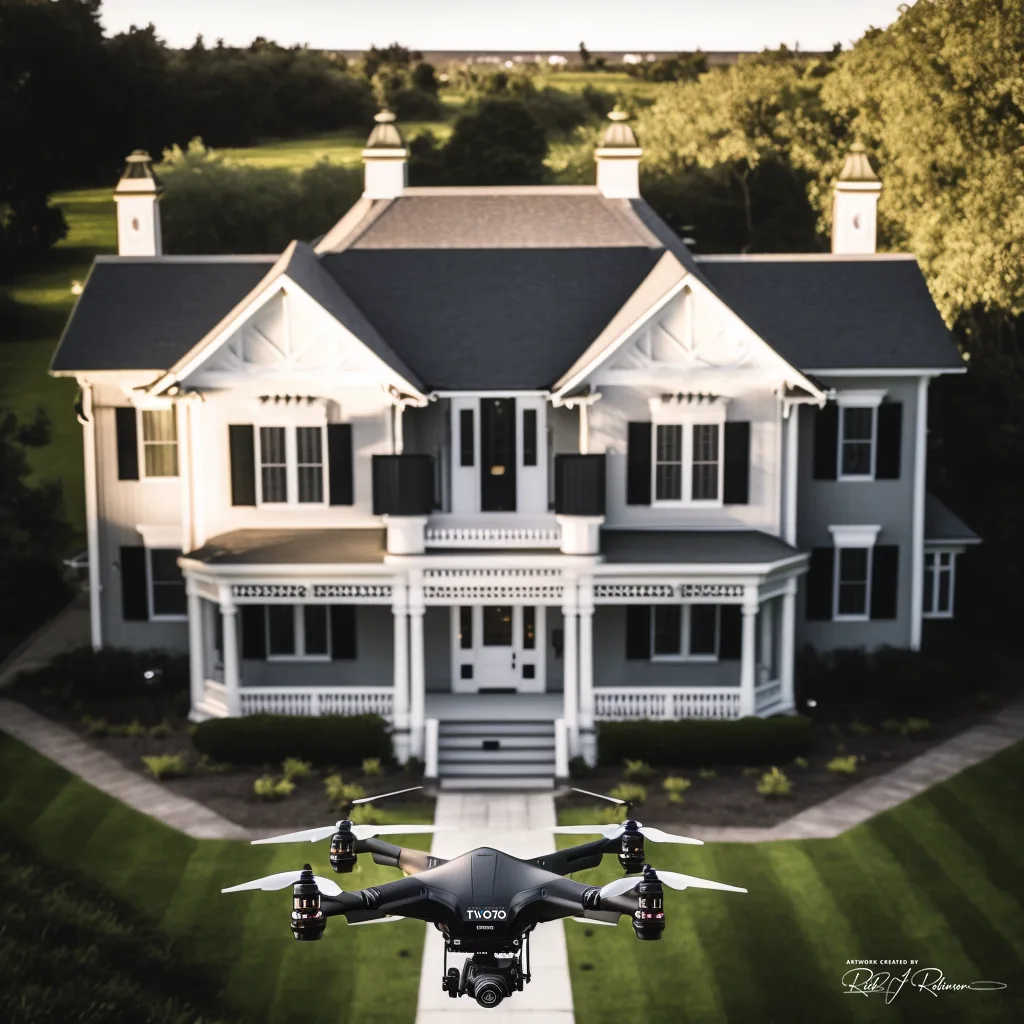
Image source: Bing (Web (fair-use with source credit))
Can Drone Videos Help Sell Houses?
You're thinking about selling your house and wondering if those eye-catching drone videos are more than just a fancy gimmick. In today's competitive market, standing out is key, and aerial footage offers a unique perspective that traditional photos can't match. It’s about giving potential buyers a real feel for a property before they even visit.
Our research indicates that listings featuring drone video often see a significant uptick in engagement. For instance, some studies suggest properties with aerial imagery can experience up to a 30% increase in listing views compared to those without. This isn't just about looking good; it's about presenting your property in a way that's informative and captivating.
Quick Answer
Yes, drone videos can significantly help sell houses by offering a unique perspective that captures buyer attention and provides a comprehensive view of a property. Listings with drone footage tend to attract more views, generate stronger interest, and may even lead to faster sales and better offers. It's a powerful marketing tool for showcasing the full scope of a property and its surroundings.
The Real Deal: What Happens When You Use Drone Video?
When you add drone video to a real estate listing, you're essentially giving potential buyers a VIP tour from above. It's not just about a few pretty shots of the roof; it's about providing context, scale, and a sense of the overall property package. This comprehensive view helps buyers visualize themselves living there more effectively.
More Eyes on Your Listing
It's no secret that in the digital age, getting eyes on your listing is half the battle. Drone videos act like a magnet, drawing in curious clicks and increasing the time potential buyers spend engaging with your property online.
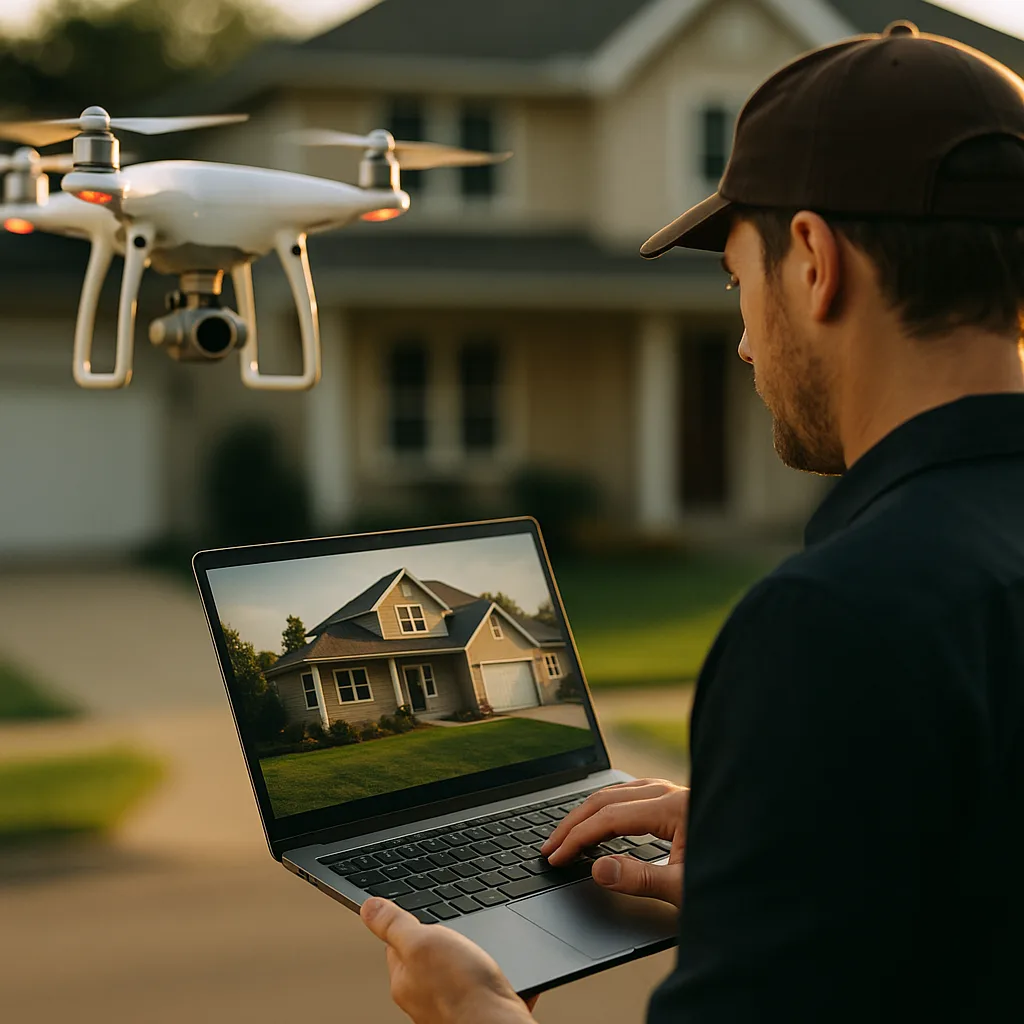
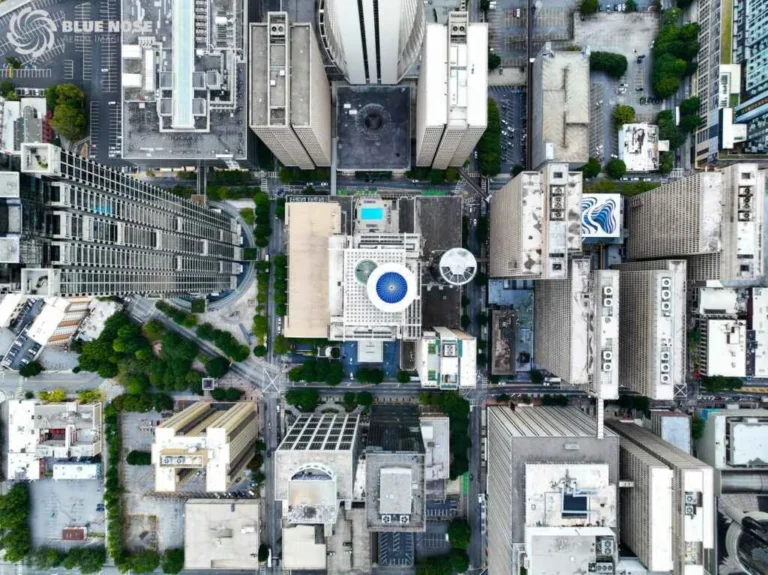
This extra attention isn't accidental. Aerial perspectives reveal aspects of the property and its location that ground-level photos simply can't convey, such as the sprawling size of a yard, the proximity to local amenities, or the sweeping views. This detailed preview helps filter serious buyers from casual browsers.
Faster Sales
When buyers have a clearer, more immersive understanding of a property from the outset, they can often make a more confident decision sooner. Drone video helps bridge the gap between online browsing and in-person visits, accelerating the decision-making process.
Potentially Higher Offers
A well-presented property that clearly showcases its best features and advantages through high-quality drone video can command more attention and, consequently, potentially higher offers. Buyers who feel they've already explored the property thoroughly may be more inclined to make a strong bid.
Showcasing Unique Features
Got a large, beautifully landscaped yard, a private backyard oasis, or a home situated on a prime piece of land? Drone footage is the perfect medium to highlight these unique selling points that might be overlooked in standard photography.
It allows you to visually demonstrate the full extent of the land, the layout of the gardens, or the integration of outdoor living spaces with the main residence. For properties with significant acreage, showing the boundaries and features from above is almost essential.
It's Not Just About Pretty Pictures
While stunning visuals are a major draw, the effectiveness of drone videos in real estate goes beyond mere aesthetics. The quality and strategy behind the filming and editing process are what truly elevate a listing and can influence buyer perception.
Professional Production Matters
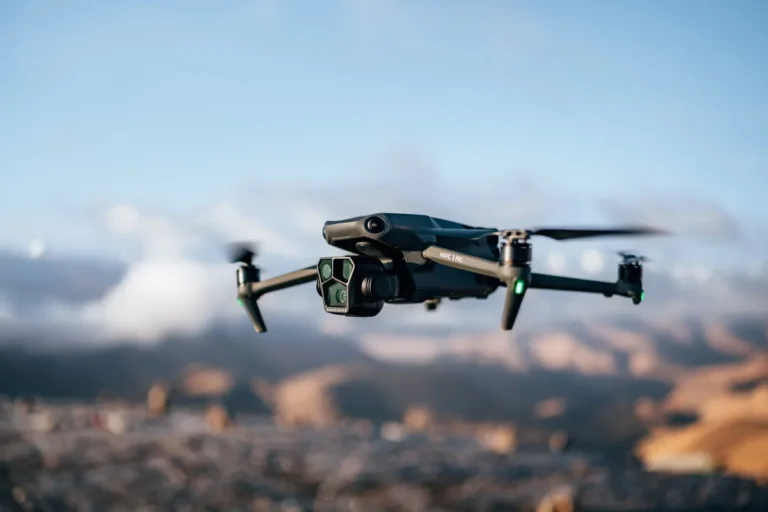
A choppy, poorly lit, or unedited drone video can do more harm than good. Professional production ensures smooth, stable shots, appropriate lighting that enhances the property, and clear, high-definition footage. For example, adherence to standards like those outlined by the Federal Aviation Administration (FAA) for commercial drone operations ensures safety and professionalism, which indirectly reflects on the quality of the listing.
Strategic Filming is Key
The way a property is filmed from the air matters immensely. Effective drone videography involves thoughtful planning of flight paths to capture the most compelling angles, showcase the property's layout, and highlight its relationship with the surrounding neighborhood or natural features. This strategic approach provides a narrative flow that ground-level shots alone can’t replicate.
Know Your Target Audience
Considering who you're trying to attract can inform the drone video's focus. For families, showcasing the spacious backyard for play or proximity to parks might be a priority. For downsizers, highlighting convenient access to local shops or serene views might be more impactful.
Tailoring the visual story to resonate with specific buyer needs maximizes the video's effectiveness.
When Drone Video Really Hits Home
Certain types of properties benefit exceptionally from aerial perspectives. For these, drone video isn't just a nice-to-have; it's practically a necessity for effective marketing.
Properties with Acreage
Trying to show the full extent of a property with several acres using only ground-level photos can be incredibly challenging. You might capture a nice shot of the house and a corner of the yard, but conveying the sheer size and potential of the land is tough. Drone video allows for sweeping shots that clearly outline property lines and showcase the entire landscape.
Buyers can see the usable space, potential for development or recreation, and the overall setting. For instance, a farm property might use drone footage to show pasture size, barn placement, and access roads all in one continuous, informative visual. This comprehensive overview helps serious buyers understand the full scope of their investment.
Waterfront Views and Access
If your property sits on a lake, river, or oceanfront, drone video is your best friend. It can beautifully capture the uninterrupted views of the water and the ease of access from the property. You can showcase the dock, the private beach area, or the direct path to the water's edge in a way that flat photos can't replicate.
Seeing the property's relationship to the waterfront from above provides immediate context. It helps buyers understand the lifestyle benefits, like morning coffee with a water view or easy access for boating. This visual clarity can significantly boost buyer interest and reduce wasted showings.
Showcasing Commanding Vistas
Properties perched on hillsides or with elevated positions often boast spectacular views. Drone footage is unmatched in its ability to capture these commanding vistas, showing not just the view from the property, but the property's place within that scenic backdrop. It can pan across the horizon, revealing distant landmarks or natural beauty.
This type of visual storytelling is crucial for properties where the view is a primary selling point. A buyer can instantly appreciate the grandeur of the surroundings and how the home is situated to take advantage of it, which is difficult to convey with a series of static images from different windows.
Luxury Homes Presentation
For high-end and luxury real estate, presentation is paramount. Buyers in this market expect a polished, comprehensive, and sophisticated marketing approach. Drone video adds a layer of prestige and thoroughness that aligns with the expectations of luxury buyers.
It provides a complete picture of the estate, including extensive grounds, architectural details from unique angles, and the overall grandeur of the property. This level of detail and visual sophistication helps attract discerning buyers and positions the property as a premium offering.
Real Scenarios: Seeing Drone Video in Action
To really understand the impact, let's look at a couple of hypothetical, yet common, real estate situations where drone video made a tangible difference.
Case Study: Urban Townhouse with Rooftop Deck
Imagine a stylish urban townhouse. Ground photos show a sleek interior and the street view, but they miss the incredible value of its private rooftop deck and the city skyline it overlooks. A drone video starts by flying up the exterior of the building, revealing the architecture, then sweeps to the rooftop, showcasing the panoramic city views, the ample space for entertaining, and its desirability as a private urban oasis.
This video helped attract buyers who might have initially overlooked the listing based on street-level photos alone. It highlighted the unique selling proposition, the rooftop experience, which was crucial for its eventual sale in under two weeks for 5% above asking price.
Case Study: Suburban Family Home with Large Yard
Consider a spacious suburban family home with a significant backyard, mature trees, and a swimming pool. Standard photos show the interior and a few shots of the yard. However, a drone video can capture the full extent of the manicured lawn, the well-integrated pool area, the privacy offered by the landscaping, and the sense of space.
The aerial perspective clearly demonstrated the property's appeal for families seeking outdoor living and play space. This visual clarity led to higher initial interest and a more informed set of viewers for showings, contributing to a sale that was 10% faster than comparable homes in the neighborhood.
Common Mistakes to Avoid With Drone Listings
While drone videos offer significant advantages, there are pitfalls that can undermine their effectiveness. Avoiding these common errors is crucial for leveraging aerial footage to its full potential.
Shaky Footage and Poor Lighting
The most jarring mistake is presenting shaky, unsteadily filmed footage. This makes the property look amateurish and can even induce motion sickness in viewers. Similarly, footage shot in poor lighting conditions, especially at dusk or dawn without proper techniques, can obscure details and make the property look unappealing.
Effective drone videos require smooth camera movements, often achieved with gimbals, and filming during optimal lighting hours. For instance, as outlined by professional drone operators, consistent lighting throughout the video is key to maintaining visual appeal and clarity. Bad lighting can hide architectural features or make landscaping look dull.
Over-Reliance on Aerials, Ignoring Ground Level
A common error is to focus solely on aerial shots and neglect the interior and close-up details that ground-level photography excels at. Buyers still need to see the textures of the materials, the flow of individual rooms, and the finer points of finishes. An all-drone video might miss these critical elements, leaving buyers with an incomplete picture.
A balanced approach is best. Drone footage should complement, not replace, high-quality interior and exterior photography. Consider a strategy that uses aerials for overview and context, and traditional shots for detail and emotional connection.
Inappropriate Music or Editing
The background music choice can significantly impact the viewer's perception. Upbeat, generic music might not suit a tranquil, rural property, while overly dramatic music can feel out of place for a family home. Editing that is too fast or too slow, or transitions that are jarring, can also detract from the viewing experience.
Careful selection of royalty-free music that matches the property's mood and target audience is essential. Editing should ensure a smooth flow, allowing viewers to absorb the visuals without feeling rushed or disoriented.
Expert Tips for Maximizing Drone Video Impact
To truly make your drone video work for you, consider these expert strategies. They're designed to amplify the benefits and ensure your listing gets the attention it deserves.
Coordinate with Your Agent
If you're working with a real estate agent, have an open conversation about the drone video. Discuss what features of the property are most important to highlight from the air. Your agent likely has insights into what buyers in the area are looking for and can help guide the videographer.
This collaboration ensures the footage is strategic and aligned with the overall marketing plan. It prevents generic shots and focuses on what will truly sell the property to its target audience.
Highlight Key Property Features
Think about what makes your home special and ensure the drone video captures it. This could be a large, private backyard, a unique architectural element, proximity to a park or waterfront, or a stunning view. The aerial perspective is perfect for showcasing these aspects in a way that ground-level photos can't.
For example, if you have a secluded garden, the drone can show its full extent and how it integrates with the house, providing a sense of tranquility and space that's hard to convey otherwise.
Use in Conjunction with Other Media
Drone video is most powerful when it's part of a comprehensive marketing package. Don't let it stand alone. Pair it with high-quality interior photography, a detailed floor plan, and possibly a virtual tour.
This multi-faceted approach caters to different buyer preferences and provides a thorough understanding of the property.
A buyer might be drawn in by the drone video, then use the interior photos to explore the living spaces. The combination creates a more engaging and informative online viewing experience.
Frequently Asked Questions About Drone Real Estate Videos
How much does professional drone video cost?
Professional drone video services for real estate typically range from $300 to $1,000, depending on the location, the complexity of the shoot, and the length and editing of the final video. This cost is usually a worthwhile investment for higher-value properties.
How long should a drone real estate video be?
Ideal drone real estate videos are concise, usually between 1 to 3 minutes. This length is long enough to showcase key features and provide context without overwhelming viewers. The goal is to capture attention and provide key information efficiently.
Can I use drone video for any type of property?
Yes, drone video can benefit almost any type of property, from single-family homes and townhouses to commercial buildings and vacant land. Its effectiveness is amplified for properties with significant acreage, unique exterior features, or desirable locations that are best appreciated from an aerial perspective.
What are the legal requirements for flying drones for real estate?
In the United States, commercial drone operations, including those for real estate marketing, are regulated by the Federal Aviation Administration (FAA). Pilots must obtain a Remote Pilot Certificate (Part 107 license) and adhere to specific flight rules, such as maintaining visual line of sight, not flying over people, and respecting airspace restrictions. As of 2026, these regulations continue to evolve to ensure safety.