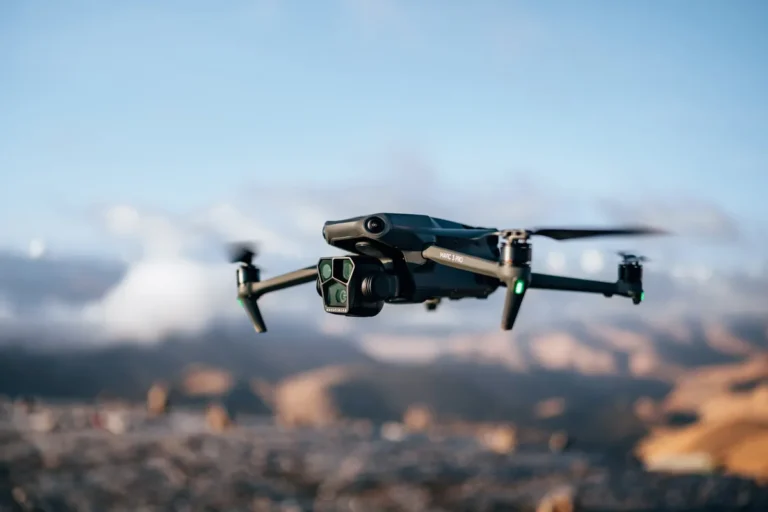
Can Drones Film Commercial Properties?
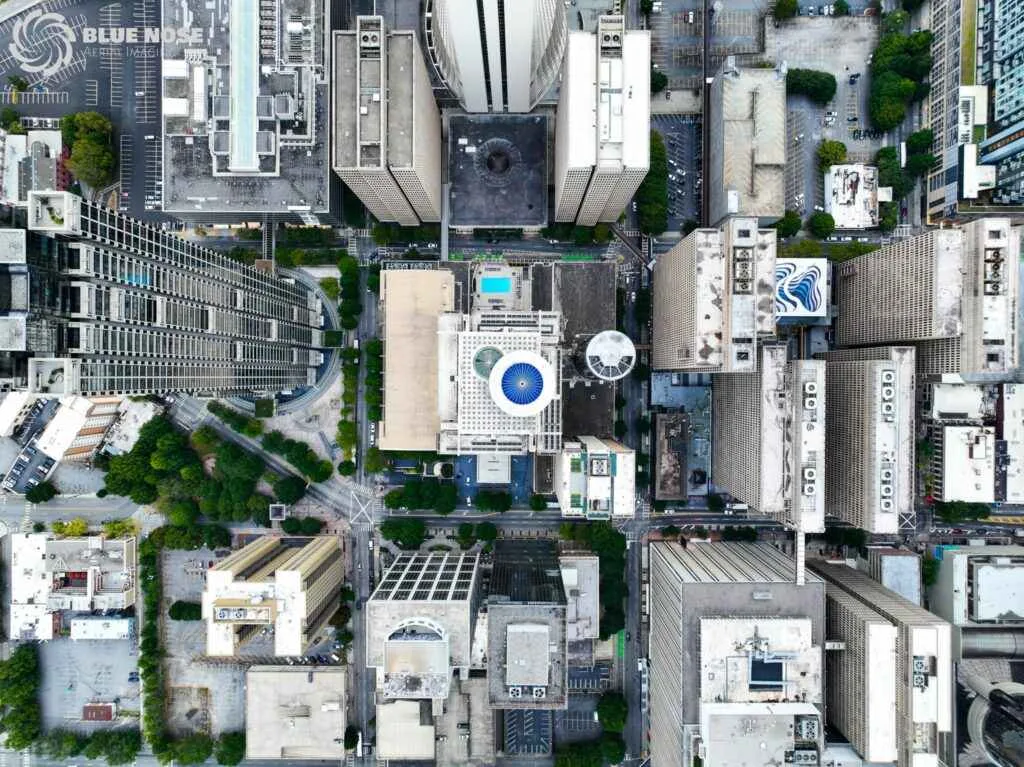
Image source: Bing (Web (fair-use with source credit))
Can Drones Film Commercial Properties? Your Go-To Guide
You're probably wondering if you can use drones to film commercial properties. It's a valid question, and the answer is typically yes, but with important steps to follow. This isn't a simple "fly anywhere, anytime" scenario; it requires careful planning and adherence to rules.
Getting the right aerial footage can significantly boost a property's appeal or monitor a construction site effectively. However, flying drones for commercial purposes is regulated, and understanding these regulations is key. As of 2026, commercial drone pilots must often hold a Remote Pilot Certificate, demonstrating their knowledge of safe operating procedures.
Quick Answer
Yes, drones can film commercial properties, but only with proper authorization and adherence to regulations. This includes obtaining a Remote Pilot Certificate (Part 107 license), securing explicit permission from the property owner, and complying with all FAA and local airspace rules. Filming must also respect privacy laws and avoid restricted zones.
Understanding Drone Filming Regulations for Commercial Properties
Filming commercial properties with drones isn't as simple as just taking off. You absolutely need to understand the legal framework governing drone operations. Think of it as getting your pilot's license before you can legally fly a plane.
FAA Rules and Your Part 107 License
In the United States, the Federal Aviation Administration (FAA) sets the rules for drone use. For any operation that benefits a business, like filming commercial property, you generally need to operate under the FAA's Part 107 rule. This means you, or the pilot you hire, must pass an aeronautical knowledge test to earn a Remote Pilot Certificate.
This certificate proves you understand aviation principles, weather, airspace classifications, and the specific rules for operating drones commercially. Without this, commercial drone flights are illegal and can result in hefty fines. The test covers a wide range of topics, ensuring pilots are well-versed in safe operations.
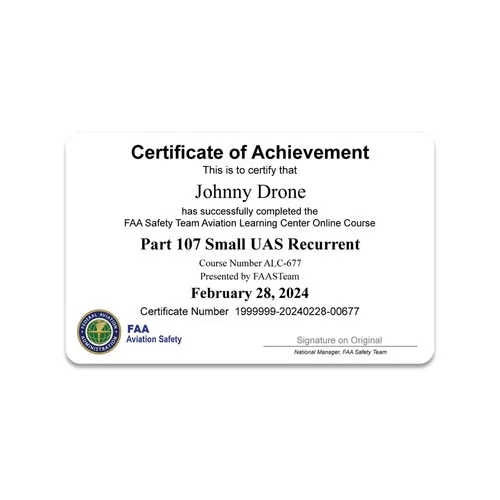
Image source: Bing (Web (fair-use with source credit))
Local Ordinances and Airspace Restrictions
Beyond federal regulations, many cities, counties, and even specific municipalities have their own local ordinances regarding drone usage. These can range from outright bans in certain parks or residential areas to specific operating hours or registration requirements. It’s crucial to research the specific rules for the area where the commercial property is located.
Furthermore, you must always check the airspace classification. For instance, flying near airports or in other controlled airspace requires specific authorization from the FAA, often through a process called LAANC (Low Altitude Authorization and Notification Capability). Apps like the FAA's B4UFLY are great tools for checking airspace status in real-time.
Property Owner Consent and Privacy: Your Essential Checklist
Beyond just the sky's rules, you need to consider who owns the ground and the people who might be seen in your footage. This is where permission and privacy become critical.
Getting Written Permission
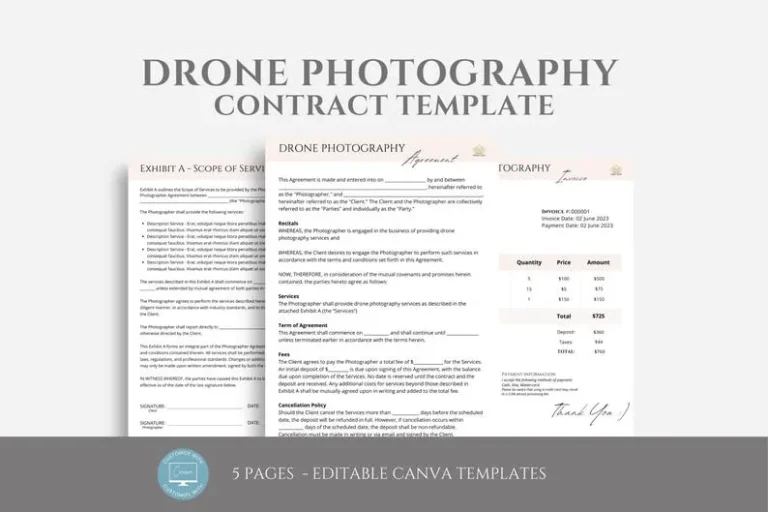
Before you ever think about launching a drone, you need explicit permission from the owner or authorized manager of the commercial property. This isn't something to take lightly; it should ideally be in writing. A simple verbal agreement can lead to misunderstandings later.
The property owner needs to know what you plan to film, how the footage will be used, and when you'll be flying. This protects you from accusations of trespassing and ensures the client is happy with the final product. This consent is a fundamental requirement for any commercial drone operation.
Respecting Neighboring Properties and Privacy
When you're filming a commercial property, you often can't avoid capturing footage of adjacent areas. This is where privacy becomes a major concern. You must avoid flying over private residential property without consent, and certainly avoid filming individuals in their homes or private yards.
Doing so can lead to significant legal trouble, including invasion of privacy claims. Always plan your flight path to minimize any potential intrusion. If your drone operation might overlook neighboring businesses, it's good practice to inform them as well, fostering goodwill and preventing potential complaints.
Planning Your Commercial Property Drone Shoot
A successful drone filming session for commercial properties hinges on thorough preparation. It's about more than just pointing a camera at a building; it involves strategy, safety, and technical considerations.
Defining Your Filming Goals
What do you want the drone footage to achieve? Are you creating a marketing video for a real estate listing, documenting construction progress, or showcasing a business's new facility? Your objective will dictate the types of shots you need.
For a real estate listing, you'll want sweeping exterior views, shots highlighting accessibility and landscaping, and perhaps an overview of the surrounding neighborhood. For construction, you might need detailed shots of specific stages, progress over time, and an aerial view of the entire site for planning. Clearly defining these goals ensures you capture the most valuable and relevant footage.
Selecting the Right Drone and Pilot
The equipment and the person operating it are equally important. Not all drones are created equal. For professional commercial property filming, you’ll need a drone capable of capturing high-resolution video, ideally in 4K, with a stable gimbal to ensure smooth, cinematic shots.
Manufacturer specifications often highlight video quality and stabilization features. Equally crucial is the pilot. They must possess the necessary Remote Pilot Certificate, understand the local airspace, and have practical experience in aerial cinematography.
Hiring an inexperienced pilot or using inadequate equipment can result in poor-quality footage or, worse, an accident.
Pre-Flight Checks and Safety Protocols
Before any flight, a rigorous pre-flight inspection is mandatory. This includes checking the drone's battery levels, propeller condition, and overall structural integrity. You'll also want to verify weather conditions, strong winds, heavy rain, or fog can make flying unsafe and compromise footage quality.
Familiarize yourself with the specific flight path, noting any potential obstacles like trees, power lines, or other structures. Implementing clear safety protocols ensures the drone operates smoothly and minimizes risks to people and property on the ground.
Common Mistakes to Avoid When Filming Commercial Properties
Even with the best intentions, a few common pitfalls can derail a commercial property drone filming project. Being aware of these can save you time, money, and legal headaches.
- Skipping the Part 107 License: Operating a drone commercially without a Remote Pilot Certificate is illegal. The FAA enforces these rules strictly, and fines can be substantial.
- Ignoring Local Ordinances: Believing that federal FAA rules are the only ones that matter is a mistake. Always check city and county regulations, as they can impose additional restrictions or outright bans.
- Failing to Get Property Owner Consent: Flying over private commercial property without explicit, preferably written, permission is considered trespassing. This can lead to immediate termination of the flight and potential legal action.
- Neglecting Privacy Laws: Filming private residences or people without their consent is a serious privacy violation. Always plan your flight path to avoid capturing sensitive areas or individuals.
- Flying in Bad Weather: Attempting to fly in high winds, rain, or poor visibility not only risks the drone but also produces unusable footage. Always check the weather forecast.
- Using Inadequate Equipment: A drone not designed for professional video capture will likely produce blurry or shaky footage, defeating the purpose of aerial filming.
Benefits of Using Drones for Commercial Property Visuals
When done correctly, drone filming offers significant advantages for commercial properties. It's not just about getting a cool aerial shot; it's about delivering tangible value.
- Enhanced Marketing Appeal: Drone footage provides a dynamic, comprehensive view of a property and its surroundings, making listings more attractive to potential buyers or renters. Aggregate data from real estate platforms indicates listings with aerial imagery receive more views and engagement.
- Showcasing Scale and Access: Drones can clearly demonstrate the property's size, layout, and proximity to amenities like roads, public transport, or other businesses, which ground-level views can't convey as effectively.
- Cost-Effective Aerial Perspectives: Compared to hiring helicopters for aerial photography, drones offer a more affordable way to capture high-quality aerial video and imagery.
- Detailed Progress Monitoring: For construction projects, drones provide invaluable visual documentation of progress, allowing stakeholders to identify potential issues early and track development efficiently.
- Improved Safety in Inspections: Drones can inspect hard-to-reach areas of a building, such as rooftops or tall facades, reducing the need for risky manual inspections.
When to Seek Professional Drone Services
While the idea of flying your own drone might be appealing, there are definite times when engaging a professional drone service is the smarter, safer, and more effective choice. If you're not a certified pilot, or if the property is in a complex airspace, hiring a pro is essential. They come equipped with the necessary Remote Pilot Certificate, insurance, and experience navigating FAA regulations and local ordinances.
Furthermore, professionals understand how to capture cinematic-quality footage that truly enhances the property's appeal. They know the best camera angles, lighting conditions, and editing techniques to make your commercial property shine. If your project involves detailed site mapping, intricate construction monitoring, or high-stakes marketing campaigns, the investment in a professional service often pays for itself through superior results and peace of mind, avoiding potential legal entanglements or subpar visuals.
Step-by-Step Process: Planning Your Commercial Property Drone Shoot
A successful drone filming session for commercial properties hinges on thorough preparation. It's about more than just pointing a camera at a building; it involves strategy, safety, and technical considerations.
Defining Your Filming Goals
What do you want the drone footage to achieve? Are you creating a marketing video for a real estate listing, documenting construction progress, or showcasing a business's new facility? Your objective will dictate the types of shots you need.
For a real estate listing, you'll want sweeping exterior views, shots highlighting accessibility and landscaping, and perhaps an overview of the surrounding neighborhood. For construction, you might need detailed shots of specific stages, progress over time, and an aerial view of the entire site for planning. Clearly defining these goals ensures you capture the most valuable and relevant footage.
Selecting the Right Drone and Pilot
The equipment and the person operating it are equally important. Not all drones are created equal. For professional commercial property filming, you’ll need a drone capable of capturing high-resolution video, ideally in 4K, with a stable gimbal to ensure smooth, cinematic shots.
Manufacturer specifications often highlight video quality and stabilization features. Equally crucial is the pilot. They must possess the necessary Remote Pilot Certificate, understand the local airspace, and have practical experience in aerial cinematography.
Hiring an inexperienced pilot or using inadequate equipment can result in poor-quality footage or, worse, an accident.
Pre-Flight Checks and Safety Protocols
Before any flight, a rigorous pre-flight inspection is mandatory. This includes checking the drone's battery levels, propeller condition, and overall structural integrity. You'll also want to verify weather conditions, strong winds, heavy rain, or fog can make flying unsafe and compromise footage quality.
Familiarize yourself with the specific flight path, noting any potential obstacles like trees, power lines, or other structures. Implementing clear safety protocols ensures the drone operates smoothly and minimizes risks to people and property on the ground.
Common Mistakes to Avoid When Filming Commercial Properties
Even with the best intentions, a few common pitfalls can derail a commercial property drone filming project. Being aware of these can save you time, money, and legal headaches.
- Skipping the Part 107 License: Operating a drone commercially without a Remote Pilot Certificate is illegal. The FAA enforces these rules strictly, and fines can be substantial.
- Ignoring Local Ordinances: Believing that federal FAA rules are the only ones that matter is a mistake. Always check city and county regulations, as they can impose additional restrictions or outright bans.
- Failing to Get Property Owner Consent: Flying over private commercial property without explicit, preferably written, permission is considered trespassing. This can lead to immediate termination of the flight and potential legal action.
- Neglecting Privacy Laws: Filming private residences or people without their consent is a serious privacy violation. Always plan your flight path to avoid capturing sensitive areas or individuals.
- Flying in Bad Weather: Attempting to fly in high winds, rain, or poor visibility not only risks the drone but also produces unusable footage. Always check the weather forecast.
- Using Inadequate Equipment: A drone not designed for professional video capture will likely produce blurry or shaky footage, defeating the purpose of aerial filming.
Benefits of Using Drones for Commercial Property Visuals
When done correctly, drone filming offers significant advantages for commercial properties. It's not just about getting a cool aerial shot; it's about delivering tangible value.
- Enhanced Marketing Appeal: Drone footage provides a dynamic, comprehensive view of a property and its surroundings, making listings more attractive to potential buyers or renters. Aggregate data from real estate platforms indicates listings with aerial imagery receive more views and engagement.
- Showcasing Scale and Access: Drones can clearly demonstrate the property's size, layout, and proximity to amenities like roads, public transport, or other businesses, which ground-level views can't convey as effectively.
- Cost-Effective Aerial Perspectives: Compared to hiring helicopters for aerial photography, drones offer a more affordable way to capture high-quality aerial video and imagery.
- Detailed Progress Monitoring: For construction projects, drones provide invaluable visual documentation of progress, allowing stakeholders to identify potential issues early and track development efficiently.
- Improved Safety in Inspections: Drones can inspect hard-to-reach areas of a building, such as rooftops or tall facades, reducing the need for risky manual inspections.
When to Seek Professional Drone Services
While the idea of flying your own drone might be appealing, there are definite times when engaging a professional drone service is the smarter, safer, and more effective choice. If you're not a certified pilot, or if the property is in a complex airspace, hiring a pro is essential. They come equipped with the necessary Remote Pilot Certificate, insurance, and experience navigating FAA regulations and local ordinances.
Furthermore, professionals understand how to capture cinematic-quality footage that truly enhances the property's appeal. They know the best camera angles, lighting conditions, and editing techniques to make your commercial property shine. If your project involves detailed site mapping, intricate construction monitoring, or high-stakes marketing campaigns, the investment in a professional service often pays for itself through superior results and peace of mind, avoiding potential legal entanglements or subpar visuals.