How Do You Shoot Luxury Real Estate With a Drone?
When marketing high-end property, grabbing attention is paramount. Knowing how to shoot luxury real estate with a drone is key to making your listing stand out. It’s about more than just pretty aerial shots; it’s about conveying the unique lifestyle and prestige associated with luxury living.
Professionally shot drone footage can significantly increase buyer engagement and shorten sale times. According to Federal Aviation Administration (FAA) guidelines, commercial drone operations in the United States require pilots to hold a Remote Pilot Certificate, ensuring knowledge and adherence to safety protocols. This is essential for capturing stunning visuals that truly represent the value of luxury real estate.
Quick Answer
To shoot luxury real estate with a drone, focus on high-resolution stills and cinematic video. Plan specific, elegant flight paths. Master your camera settings for ideal lighting and color, particularly during golden hour. Adhere strictly to aviation regulations like FAA Part 107. Post-processing is crucial for a polished, high-end look.
Why Drone Footage is Essential for Luxury Properties
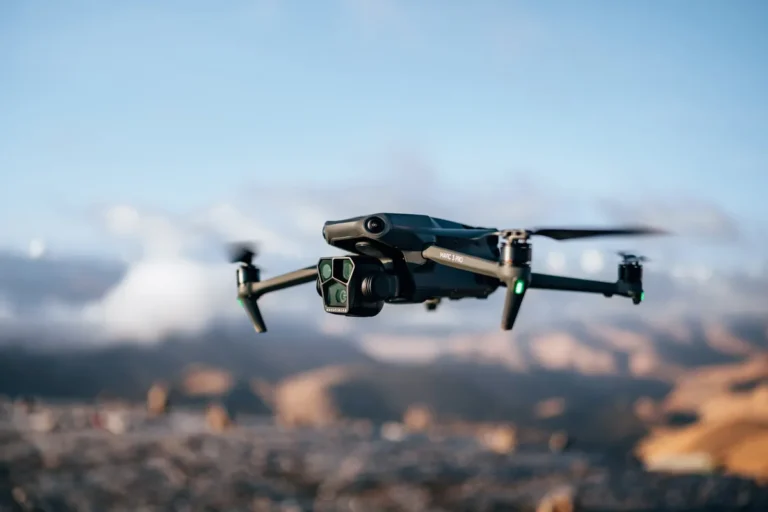
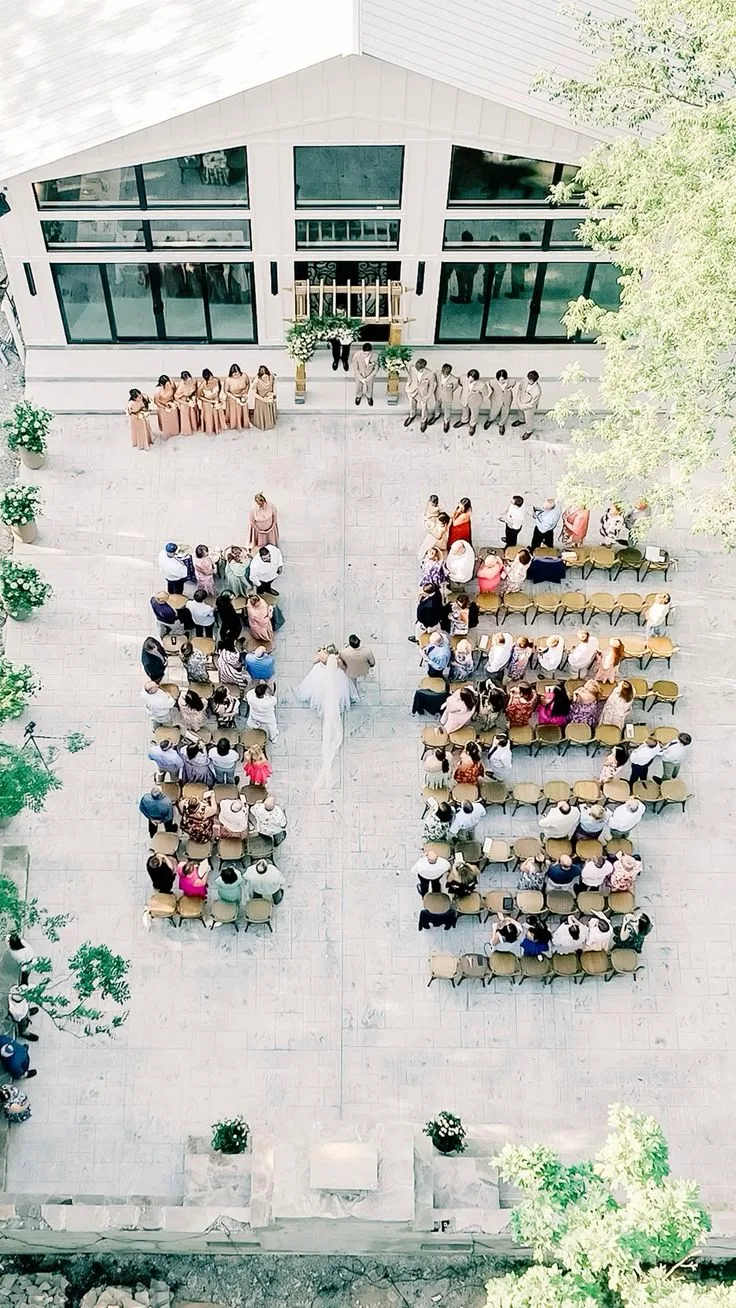
Luxury properties are more than just buildings; they are statements of lifestyle. Standard ground-level photography often struggles to capture the full scope of what makes a high-end home desirable. This is where drone footage becomes indispensable. It offers a perspective that ground shots cannot replicate, showcasing the property’s grandeur, its integration with the surrounding environment, and the overall experience it offers.
Showcasing Scale, Location, and Lifestyle
Consider a sprawling estate with meticulously landscaped grounds, a secluded beachfront villa, or a penthouse with panoramic city views. From the ground, you might see a beautiful garden, but from the air, you see acres of manicured perfection. You might see a nice stretch of beach, but from a drone, you see private access and the vast expanse of ocean. This aerial view immediately communicates scale and exclusivity.
- Scale: Drones allow potential buyers to grasp the sheer size of the property and its land, vital for estates, ranches, or properties with significant acreage.
- Location: They highlight proximity to desirable amenities like golf courses, beaches, or prestigious neighborhoods, as well as the privacy offered by the property's setting.
- Lifestyle: A drone can showcase the "flow" of the property, how it connects to its surroundings, outdoor living spaces, pools, and private docks, painting a picture of the aspirational lifestyle that comes with ownership.
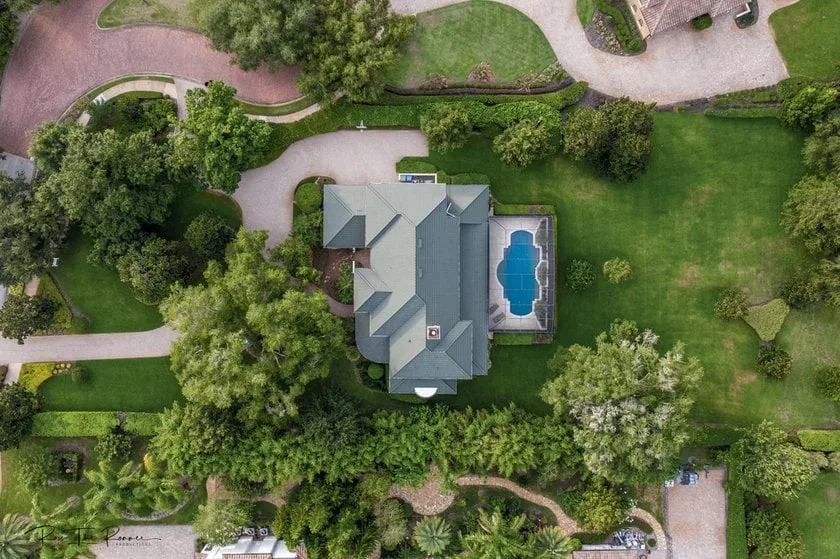
Image source: Bing (Web (fair-use with source credit))
Mastering the Art of Luxury Aerial Photography
Capturing the essence of luxury real estate from the air requires a keen eye for composition, an understanding of light, and precise control over your equipment. The goal is to create visuals that feel sophisticated, aspirational, and impeccably produced, mirroring the quality of the property itself.
Camera Settings for Stunning Visuals (Stills & Video)
Your drone's camera is your primary tool for luxury listings. Aim for images and video that are sharp, vibrant, and rich in detail, even in challenging lighting.
- Resolution: Always shoot in the highest resolution available. For stills, use your drone’s largest megapixel count. For video, 4K (3840×2160) is the standard for clarity. Some high-end drones offer 5K or 6K for even more detail in editing.
- Image Format: For stills, shooting in RAW is essential. RAW files capture maximum sensor data, offering greater flexibility in post-processing for adjusting exposure, color, and white balance without degrading quality. JPEGs are compressed and lose detail, making them less suitable for professional luxury property marketing.
- Video Settings: For a cinematic look, shoot video at 24fps or 30fps. For slow-motion, 60fps or 120fps might be necessary if your drone supports it at your chosen resolution. Many professional drone videographers opt for a "flat" or "log" color profile (if available) to preserve dynamic range for advanced color grading.
- Dynamic Range: Look for drones supporting High Dynamic Range (HDR) imaging for stills. HDR combines multiple exposures to retain detail in both highlights and shadows, crucial for properties with bright windows and dark interiors.
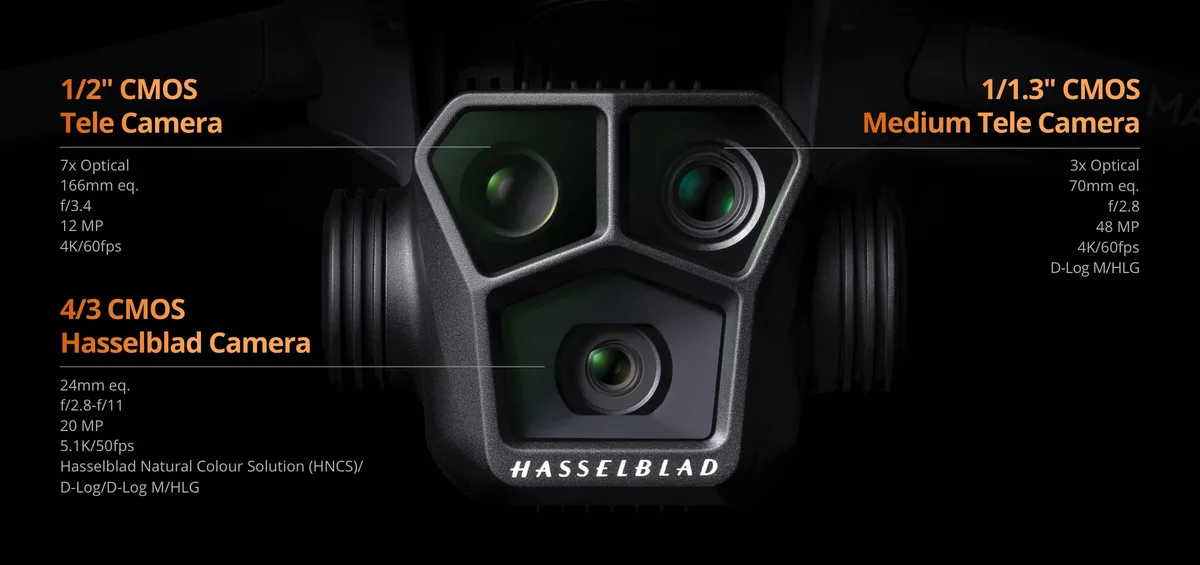
Image source: Bing (Web (fair-use with source credit))
Composition and Framing for High-End Appeal
Composition is how you arrange elements within the frame to create visually pleasing and impactful images. For luxury real estate, this means highlighting the property’s best features and creating a sense of elegance.
- Rule of Thirds: Imagine dividing your frame into nine equal parts. Place key elements, like the house or a prominent landscape feature, along these lines or at their intersections for a more balanced and engaging image.
- Leading Lines: Use natural or man-made lines – driveways, pathways, fences, rooflines – to draw the viewer's eye into the property, guiding their gaze from the foreground into the scene's heart.
- Symmetry and Patterns: Luxury properties often feature strong architectural symmetry or repeating patterns. Drones are perfect for capturing these elements from an angle that emphasizes their design.
- Negative Space: Don't be afraid of empty areas, like the sky or open landscape. This "negative space" can help isolate the property, making it feel more prominent and giving the viewer's eye a place to rest.
- Contextual Shots: Frame the property within its environment. Show its relationship to the ocean, mountains, or manicured gardens, reinforcing the location's value.
Essential Drone Flight Techniques for Luxury Real Estate
Once camera settings and composition are mastered, focus on drone movement. The flight path and video capture are as critical as still images. Think of your drone as a flying camera that tells a story.
Planning Your Shots: The Script for Success
Thorough planning is essential before powering up the drone. This is about creating a compelling visual narrative, not just getting pretty shots.
- Site Walkthrough: Visit the property, noting the best angles, architectural features, and potential distractions. Identify key selling points from an aerial perspective.
- Shot List Creation: Based on your walkthrough, create a detailed shot list specifying shot type (establishing, orbit, fly-through), desired altitude, direction of travel, and focal length or zoom.
- Consider the Light: Luxury properties benefit from shooting during "golden hours" – shortly after sunrise and before sunset. The warm, soft light minimizes harsh shadows and adds a beautiful glow.
- Weather Check: Always check the weather forecast. High winds, rain, or fog can compromise flight safety and image quality.
Key Flight Paths: Establishing Shots, Orbiters, and Fly-Throughs
Different flight paths serve different purposes in showcasing a luxury property.
- Establishing Shots: Wide, sweeping shots from a higher altitude reveal the entire property and surroundings, immediately orienting the viewer and showcasing scale and location.
- Orbit Shots: The drone circles the property at a consistent altitude and distance, providing a 360-degree view. This is excellent for showing all sides of the home and its landscaping. Many modern drones have automated "Point of Interest" (POI) or "Orbit" modes for smooth execution.
- Fly-Throughs: These shots simulate progression, moving the drone from one point to another. Examples include a gentle fly-in from the driveway towards the entrance, or a fly-over from the street revealing the backyard pool and patio. These create a sense of journey and engagement.
- Reveal Shots: Often starting with a close-up of a detail or a shot obscured by an element (like trees), the drone pulls back or moves to reveal the entire property or a key feature. This builds anticipation and creates a dramatic effect.
Post-Processing for a Polished, Luxurious Look
Raw footage is just the starting point. Meticulous post-processing transforms good footage into exceptional marketing material for luxury properties, refining visuals and ensuring a consistent, high-end aesthetic.
Color Grading and Enhancing Ambiance
Color grading adjusts color and tone to create a specific mood or enhance visual appeal. For luxury properties, the goal is typically a warm, inviting, and sophisticated look.
- White Balance: Ensure accurate white balance. While adjustable in RAW, getting it close in-camera saves time. Aim for natural colors.
- Exposure and Contrast: Adjust exposure to make all details visible. Subtly enhance contrast for depth and punch, but avoid a harsh or unnatural look.
- Color Saturation: Boost colors judiciously. Vibrant sky and pool blues, and lush greens, should look rich but never artificial.
- Tone Adjustments: Use tools like curves or selective color adjustments to fine-tune mood. Warmer tones make a property feel more inviting; cooler tones suit modern designs. If you shot in flat or log, apply a LUT (Look-Up Table) or manually create a color grade for the luxury feel.
Editing for Flow and Impact
When editing video clips, sequence and pacing are critical. Poor editing can make stunning footage feel disjointed or amateurish.
- Storytelling: Arrange shots to tell a story, starting with establishing views, moving to details, showcasing key features, and ending with a compelling view.
- Pacing: Vary edit pacing. Slow, graceful movements suit establishing shots and grandeur; quicker cuts might highlight details or transitions.
- Transitions: Use smooth, professional transitions like crossfades, subtle wipes, or simple cuts. Avoid flashy transitions that detract from the property.
- Music and Sound Design: Select background music that complements the luxurious feel, often something elegant and understated. Ensure ambient sounds are clean and not overpowering.
- Stabilization: Use software stabilization if necessary to smooth out minor jitters. Shaky footage signals unprofessionalism.
Common Mistakes That Undermine Luxury Drone Imagery
Even with the best equipment, missteps can turn aspirational marketing into amateurish visuals. Understanding these pitfalls is crucial.
Lighting Blunders and Compositional Flaws
Lighting and composition are foundational. Getting them wrong is a frequent reason luxury drone imagery falls flat.
- Shooting at Midday: Harsh midday sun casts unflattering shadows and creates blown-out highlights, washing out details and bleaching the sky.
- Correction: Prioritize shooting during golden hours for soft, warm light that accentuates features.
- Ignoring the Background: Cluttered or unappealing background elements – power lines, industrial buildings, messy neighboring properties – can mar a stunning property.
- Correction: Scout locations carefully and choose flight paths minimizing distractions. A different angle or altitude can hide unwanted elements.
- Centered Subjects: Simply placing the house dead center in every shot can lead to monotonous imagery.
- Correction: Employ rules like the rule of thirds and use leading lines for more dynamic frames.
- Over-Editing: Pushing saturation, contrast, or sharpening too far makes an image look artificial, oversaturated, or noisy. This is particularly noticeable in high-end properties where realism is expected.
- Correction: Aim for a natural, enhanced look. Subtle adjustments are key. Ensure HDR blending is seamless.
Operational Errors and Legal Slip-Ups
Beyond visuals, drone operation and regulation adherence are critical for professionalism and safety.
- Flying Too Low or Too Close: Flying too low can make the property look smaller; flying too close can distort perspectives or create an overly intimate feeling.
- Correction: Maintain a respectful distance and altitude to best showcase scale and surroundings. Use advanced flight modes for controlled movements.
- Unstable Footage: Shaky video footage signals amateurism. Even with gimbal stabilization, jerky movements can occur if battling wind or piloted erratically.
- Correction: Practice smooth, deliberate flight. Utilize automated modes for complex maneuvers and ensure gimbal calibration.
- Ignoring Regulations: Operating commercially without proper certifications or in restricted airspace is illegal and can lead to fines and legal trouble, instantly disqualifying your service for luxury clients.
- Correction: Obtain necessary certifications (e.g., FAA Part 107) and always check for temporary flight restrictions (TFRs) or no-fly zones before each flight.
Drone Legalities and Safety for Professional Real Estate Shoots
Operating a drone commercially, especially for high-value luxury real estate, requires adherence to safety and legal protocols. Understanding aviation regulations is paramount.
Navigating Aviation Regulations
In the United States, the Federal Aviation Administration (FAA) sets the rules for commercial drone operations under Part 107, the Small UAS Rule.
- Remote Pilot Certificate: To operate a drone for hire, you must hold an FAA-issued Remote Pilot Certificate, requiring passing an aeronautical knowledge test. Recurrent training is required every 24 months.
- Aircraft Registration: Drones weighing 0.55 pounds (250 grams) or more must be registered with the FAA.
- Altitude Limits: Drones generally must not fly higher than 400 feet Above Ground Level (AGL), unless within 400 feet of a structure.
- Visual Line of Sight (VLOS): The remote pilot and any visual observer must maintain unaided visual contact with the drone at all times.
- Airspace Restrictions: Flying in restricted airspace (near airports, military bases) requires specific authorization, often obtained through systems like LAANC (Low Altitude Authorization and Notification Capability).
- Daylight Operations: Flights are generally restricted to daylight. Night operations are permitted with appropriate training and anti-collision lighting.
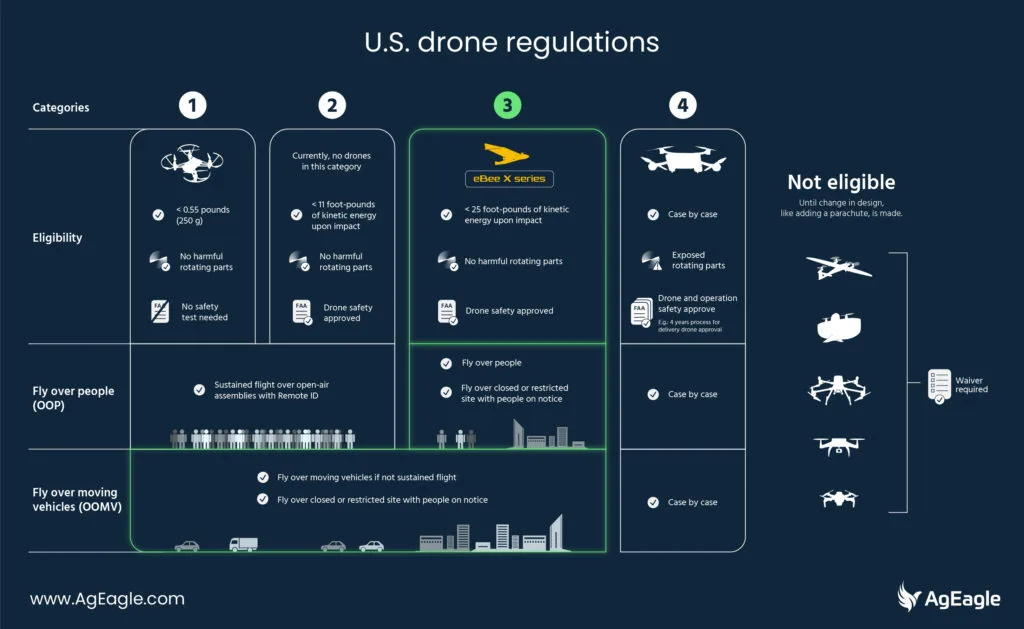
Image source: Bing (Web (fair-use with source credit))
Ensuring a Safe and Compliant Flight
Safety is a professional obligation when entrusted with capturing imagery for high-value assets.
- Pre-Flight Checks: Conduct thorough pre-flight inspections of your drone, batteries, propellers, and controller for damage. Ensure batteries are fully charged and at optimal temperature.
- Weather Assessment: Continuously monitor weather conditions. Avoid flying in high winds, precipitation, or fog.
- Flight Planning: Develop a detailed flight plan for each location, identifying potential hazards. Communicate flight intentions if necessary, especially near occupied areas.
- Insurance: Carrying liability insurance is highly recommended for professional operations, protecting you and clients in case of accidents or damage.
Expert Tips for Capturing the "Wow" Factor with Drone Footage
To truly elevate luxury real estate drone photography, go beyond the basics. Subtle touches and a deeper understanding of visual storytelling make the difference between a good shot and a jaw-dropping one.
- Tell a Story with Every Shot: Craft a narrative. A sequence can guide viewers from grand overviews to intimate details, creating an emotional connection. For example, start with a wide sweep of the estate in its landscape, then smoothly transition to an orbit around the house, followed by a gentle fly-over of the pool area.
- Embrace the Golden Hour: The warm, soft light of sunrise and sunset accentuates textures, minimizes harsh shadows, and creates a magical atmosphere perfect for luxury properties. Plan shoots around these times.
- Showcase the Lifestyle, Not Just the House: Luxury buyers often purchase a lifestyle. If the property boasts incredible outdoor entertaining spaces, a gourmet kitchen visible through large windows, or a private dock, highlight these aspects. Show how the property facilitates an enviable way of life.
- Focus on Architectural Lines and Details: Luxury homes often feature unique architectural elements. Use drone angles to emphasize clean lines, dramatic rooflines, expansive windows, and unique design features. A bird's-eye view reveals patterns and symmetries not visible from the ground.
- Use Intelligent Flight Modes Wisely: Features like Point of Interest (POI), Orbit, and Waypoints allow for smooth, automated cinematic movements difficult to achieve manually. These modes create professional-looking, consistent shots. An orbit around a central feature like a fountain can be exceptionally effective.
- Consistency is Key: Ensure stills and video have a consistent look and feel, using similar color grading, lighting styles, and compositional approaches. A unified visual brand reinforces premium quality.
- Consider the Drone's Camera Capabilities: Higher-end models offer superior sensors, better low-light performance, and RAW/log shooting capabilities, crucial for professional-grade results in the luxury market.
Frequently Asked Questions About Luxury Real Estate Drone Shoots
How long does it typically take to shoot a luxury property with a drone?
Actual flight time might be 30-60 minutes for a standard luxury home. However, the entire process, including planning, travel, setup, shooting, and data transfer, can easily take 2-4 hours. Complex estates may require more time.
What's the difference between drone photography and videography for real estate?
Photography captures high-resolution still images, ideal for listing photos and details. Videography uses cinematic flight paths and camera movements for dynamic, immersive tours that convey a sense of place and lifestyle, often used for marketing videos.
Can I fly a drone over private property without permission?
No, flying over private property without the owner's consent can lead to legal issues like trespassing and privacy violations. Always secure explicit permission from the property owner or their authorized representative before flying.
What are the costs associated with professional luxury real estate drone services?
Costs vary widely based on location, property complexity, and services. Expect $300 to $1,500 or more for a comprehensive package including high-resolution stills, cinematic video, and editing. Specialized services for large estates can command higher fees.