Are Drones Allowed at Weddings?
The question, "Are drones allowed at weddings?" is one many couples grapple with as they plan their big day. You’ve seen those breathtaking aerial shots and cinematic videos, and you might be wondering if you can add that special touch to your own celebration. It’s definitely possible, but it’s not as simple as just showing up with a drone.
Successfully integrating a drone into your wedding involves more than just its flight capabilities; it requires careful planning, venue coordination, and adherence to regulations. For instance, in the United States, the Federal Aviation Administration (FAA) mandates that drone operators must have a Remote Pilot Certificate for any commercial operations, including wedding photography, as per their Part 107 rules for small unmanned aircraft. This is a key consideration to keep in mind from the outset.
Quick Answer
Yes, drones are often allowed at weddings, but with important conditions. You must obtain venue permission and comply with all local and national aviation laws, typically requiring a licensed drone pilot. Privacy and safety for guests are paramount.
The Big Picture: Drones, Weddings, and What You Need to Know
Adding a drone to your wedding day can capture truly unique perspectives, offering sweeping aerial views of your venue, your ceremony in progress, and the celebration unfolding. Think of those breathtaking shots of you and your partner surrounded by loved ones, or a panoramic view of your entire wedding party. It's a way to elevate your wedding photography and videography beyond the traditional, creating dynamic, cinematic memories.
However, this isn't a simple add-on; it's an aspect of your wedding planning that needs dedicated attention.
Our research indicates that many couples are interested in drone services, but there's often a gap in understanding the practicalities involved. It’s not just about hiring someone with a drone; it’s about ensuring that person is qualified, that the venue is on board, and that all legal requirements are met. This guide will walk you through exactly what you need to consider so you can decide if a wedding drone is the right choice for your special day and how to make it happen smoothly.
Your Wedding Drone Decision Tree: Key Questions to Ask
Deciding if you can have a drone at your wedding really boils down to a few critical questions. It's like a branching path, and answering these will tell you which direction to go. This isn't a universal "yes" or "no" situation; it’s about the specific context of your wedding.
Is Your Venue Drone-Friendly?
This is your absolute first stop. Not all wedding venues permit drone usage, regardless of your pilot’s qualifications or the weather. Some venues have strict policies against them due to safety concerns, noise disruption for guests, or potential damage to their property.
Others might have specific zones or times where drones are allowed, or require advance written permission.
- Check your venue contract: Look for any clauses regarding outside vendors, aerial photography, or noise restrictions.
- Contact the venue manager directly: Don't assume; ask specifically about drone photography and videography.
- Inquire about specific restrictions: Ask if there are height limits, no-fly zones within the property, or times of day when drone use is prohibited. Some venues might be completely closed off to drones, while others might have a "yes, but…" policy.
Remember, your venue’s decision is often final. If they say no, exploring drone options at that specific location becomes impossible.
Are There Local Airspace Rules?
Beyond your venue's rules, you need to consider the broader legal landscape. Aviation authorities have regulations in place to ensure safety in the skies, and these apply to wedding drones just like any other. In the United States, the Federal Aviation Administration (FAA) sets the rules, and in the UK, it's the Civil Aviation Authority (CAA).
These bodies govern where drones can fly, how high they can go, and who can operate them.
- Understand FAA Part 107 (US): If your drone operator is flying commercially for you, they likely need to be FAA-certified under Part 107. This means they’ve passed a knowledge test and understand rules about flying over people, operating at night, and maintaining visual line of sight.
- Check for Temporary Flight Restrictions (TFRs): Sometimes, airspace can be temporarily restricted due to events like VIP visits, wildfires, or other emergencies. A quick check before the wedding day is crucial.
- Consider National Parks and Airports: Flying drones in or near national parks often requires special permits, and flying too close to airports is strictly prohibited and can lead to severe penalties. Ensure your venue isn't in a restricted flight zone.
Ignoring these rules can lead to hefty fines, flight cancellations, or even more serious legal trouble.
Is a Professional Pilot Necessary?
For wedding photography and videography, the answer is almost always yes. While you might have a friend who owns a drone, operating it for commercial purposes, which includes capturing footage for your wedding, typically requires specific licensing and insurance. This isn't just about legality; it’s about expertise.
- Legal Requirements: As mentioned, in the US, FAA's Part 107 rules generally require a Remote Pilot Certificate for commercial drone operations. This ensures the pilot has a baseline level of knowledge and skill.
- Skill and Experience: A professional drone pilot knows how to handle various weather conditions, manage the drone safely around guests and structures, and capture the best possible shots. They understand camera settings, flight patterns, and editing to deliver high-quality results.
- Insurance: Professional drone operators carry liability insurance, which is vital in case of any accidents or damage. Your venue may even require proof of this insurance before allowing a drone on their property.
Think of it this way: you wouldn't hire an amateur to capture your official wedding photos, and the same logic applies to professional drone services.
Navigating Drone Permissions: Your Action Plan
Getting the green light for drone use at your wedding requires a structured approach. It’s a process that involves multiple steps, and tackling them in the right order will save you time and potential headaches. This plan focuses on getting all your ducks in a row before the big day.
Step 1: Talk to Your Venue FIRST
Before you even start looking for drone pilots, your absolute first step is to get written confirmation from your wedding venue that drone usage is permitted. This is non-negotiable. Many venues have specific policies and procedures for aerial photography, and some simply don't allow drones at all.
- Initial Inquiry: During your venue tour or early planning discussions, bring up the topic of drone photography.
- Request Written Consent: If they say yes, ask for their permission in writing. This could be an addendum to your contract or a formal letter. This document should clearly state any restrictions they might have, such as specific flight times, operational areas, or noise limitations.
- Understand Their "Why": Knowing the venue's reasons for their policy (e.g., proximity to an airport, concerns about disturbing wildlife, insurance requirements) can help you address potential issues or demonstrate how a professional pilot can mitigate them.
If the venue is a hard no, you'll need to adjust your plans. Don't proceed with booking a drone pilot until you have this crucial approval.
Step 2: Check Local and National Aviation Rules
Once you have your venue's blessing, the next critical step is to ensure you and your chosen pilot comply with all relevant aviation regulations. These rules are in place for safety and security, and they apply universally.
- FAA Regulations (U.S.): For commercial operations like wedding videography, your pilot must comply with FAA's Part 107 rules. This generally means they need a Remote Pilot Certificate. They must also operate within visual line of sight, avoid flying directly over people (unless specific waivers or compliant drones are used), and adhere to altitude restrictions (typically 400 feet above ground level).
- CAA Regulations (U.K.): In the UK, operators need to understand the requirements set by the Civil Aviation Authority, which also involve pilot competency, drone registration, and adherence to rules about flying near people and structures.
- Local Ordinances: Some cities or counties might have their own specific drone ordinances that add further restrictions on top of national regulations. A professional pilot should be aware of these, but it’s good to be informed.
- Airspace Awareness: Pilots need to check for any Temporary Flight Restrictions (TFRs) or controlled airspace near your venue. Many pilots use specialized apps and services to monitor this in real-time.
As of 2026, these regulations are subject to change, so staying updated through official aviation authority websites is recommended.
Step 3: Find and Vet a Professional Drone Pilot
With venue permission secured and an understanding of the regulations, it’s time to find the right professional for the job. This isn’t just about finding someone with a drone; it’s about finding a skilled aerial cinematographer who understands wedding dynamics.
- Look for Experience: Seek out pilots who specifically advertise wedding or event drone services. Review their portfolios to see if their style matches your vision.
- Verify Credentials: Ask for proof of their Remote Pilot Certificate (or equivalent in your country) and their liability insurance. Many venues will require this documentation.
- Discuss Your Vision: Have a detailed conversation about what you want to capture. Discuss specific shots, the overall mood, and how the drone footage will integrate with your ground-based videography or photography.
- Understand Their Equipment: Professional drones come with advanced features like obstacle avoidance, high-quality cameras, and stable flight capabilities. Ask about the specific drone they plan to use and why it's suitable for your wedding.
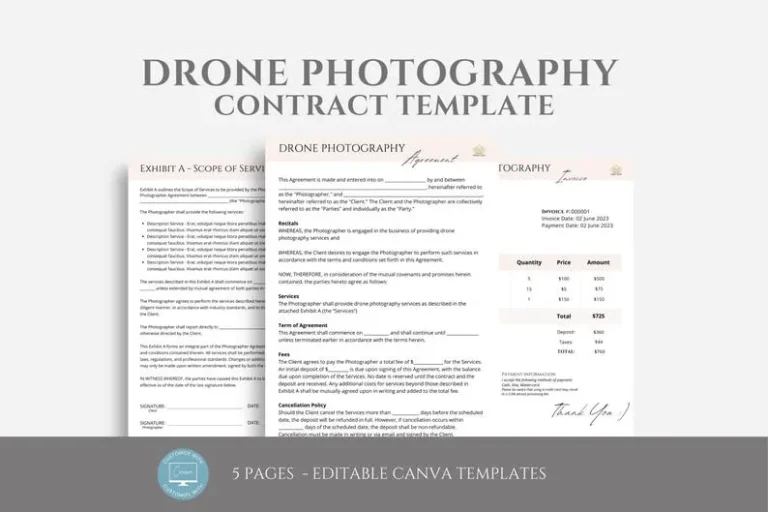
- Review Contracts Carefully: Ensure their contract clearly outlines services, deliverables, pricing, cancellation policies, and responsibilities, especially regarding weather or venue restrictions.
Choosing a reputable professional is key to a stress-free experience and stunning final footage.
Drone Photography & Videography: What They Capture
When you hire a drone for your wedding, you're not just getting a few pretty aerial shots; you're adding a dynamic and unique storytelling element to your wedding film or photo album. These services are designed to capture perspectives that are impossible from the ground, creating a more comprehensive and immersive record of your day.
Aerial Views of the Ceremony and Reception
Drones excel at capturing the overall scale and beauty of your chosen venue. Imagine guests arriving, the wedding party processing, or the grand reveal of your reception space, all seen from a bird's-eye view. This type of footage provides context and a sense of place that ground-level shots can't replicate.
- Venue Showcase: A drone can beautifully frame your entire venue, whether it's a sprawling estate, a picturesque vineyard, a beachside resort, or a historic building, highlighting its best features.
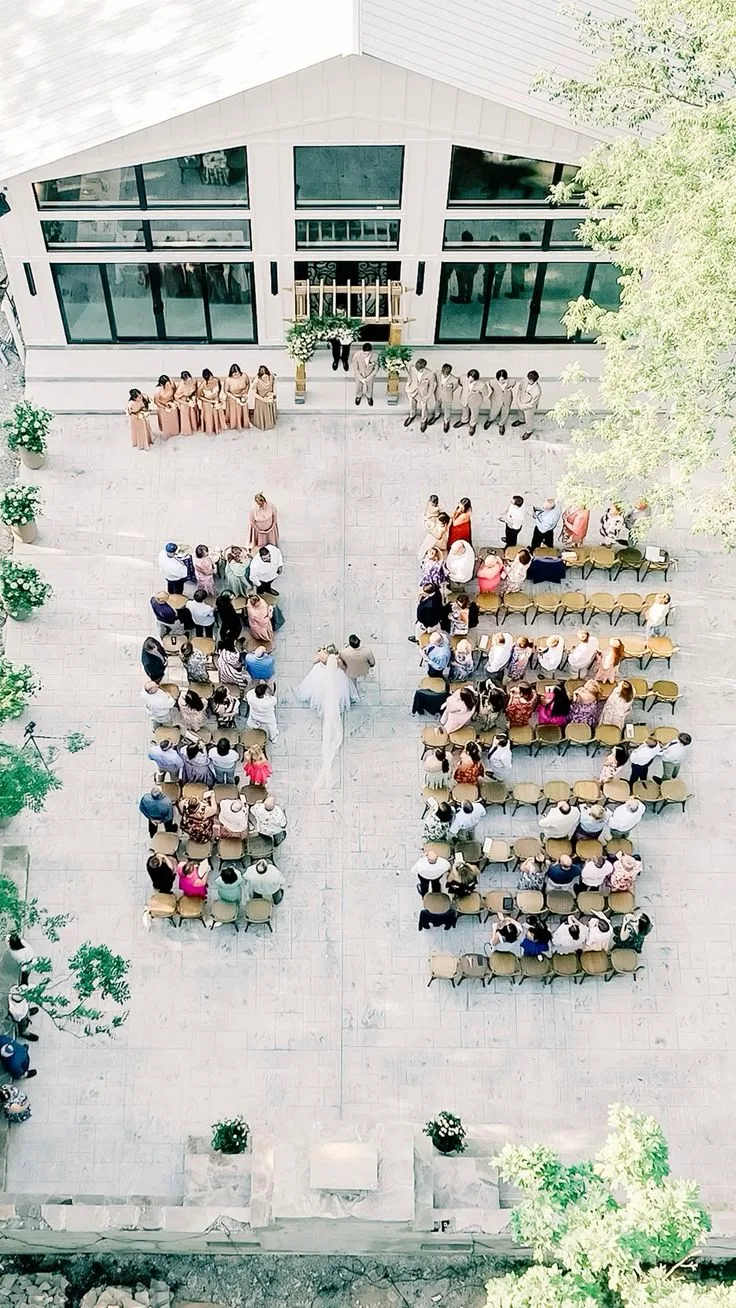
- Ceremony Dynamics: During the ceremony, a drone can capture sweeping shots of the seating arrangement, the processional, and the key moments from a high vantage point, offering a breathtaking overview.
- Reception Atmosphere: For the reception, aerial shots can show the energy of the dance floor, the arrangement of tables, and the overall festive atmosphere of the celebration.
These shots add a cinematic quality, making your wedding video feel like a professionally produced film.
Cinematic Footage of the Couple and Guests
Beyond the venue itself, drones can capture intimate moments with your loved ones from unique angles. This allows for creative storytelling that integrates the environment with the human element of your day.
- Couple's Portraits: A drone can create dramatic portraits of the couple, perhaps silhouetted against a sunset, or with the expansive landscape as a backdrop.
- Group Shots: Imagine a shot of your entire wedding party or even all your guests gathered together, seen from above, a truly memorable keepsake.
- Dynamic Movement: A skilled pilot can guide the drone to follow you and your partner as you walk through the venue grounds, creating a sense of movement and journey.
This type of footage offers a fresh perspective, making your wedding memories feel even more alive and special.
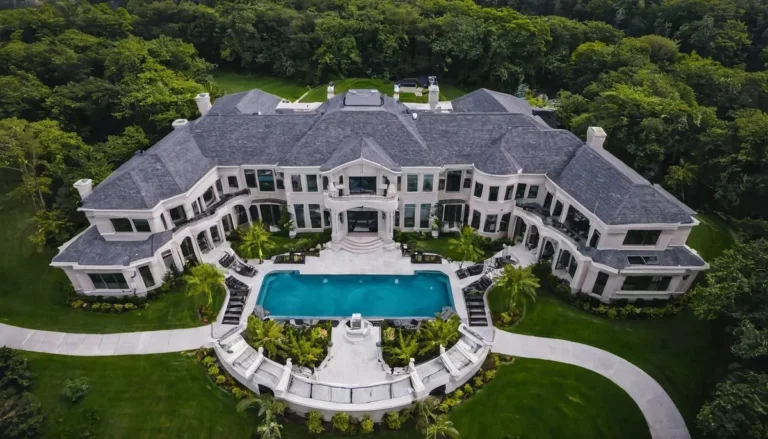
Capturing the Venue's Grandeur
Many couples choose a wedding venue for its unique beauty or stunning location. Drone footage is the perfect medium to showcase this, capturing the grandeur and atmosphere in a way that’s simply not possible with traditional cameras.
- Landscape Integration: If your venue is nestled in a particularly beautiful natural setting, like mountains, a coast, or rolling hills, a drone can capture how your wedding is integrated into that stunning environment.
- Architectural Details: For venues with impressive architecture, a drone can highlight intricate details, rooflines, or unique structural elements that are hard to see from ground level.
- Sense of Scale: It provides a tangible sense of the scale of the event and the setting, offering viewers a comprehensive understanding of the beautiful location you chose.
This is where drone videography truly shines, providing a lasting visual testament to the place where you celebrated your union.
Potential Pitfalls and How to Avoid Them
While the allure of drone footage is strong, it’s crucial to be aware of the potential challenges. A smooth drone integration means anticipating and mitigating these issues before they arise. Overlooking these can lead to cancelled flights, disappointed couples, or even legal complications.
- Venue Denials and Neighbor Complaints: The most common hurdle is a venue outright banning drones. If allowed, you might still encounter issues if a neighbor complains about noise or privacy invasion. Always get written venue permission and communicate with the pilot about minimizing disturbance.
- Privacy and Disturbance Issues: Guests might feel uncomfortable being filmed by a drone overhead. A professional pilot should be trained to fly discreetly, avoid hovering directly over private moments, and be mindful of guest comfort. Clear communication with your guests beforehand can also help.
- Weather Woes and Flight Restrictions: Drones cannot fly in high winds, heavy rain, fog, or snow. Unexpected bad weather can ground your drone pilot completely. Additionally, unexpected TFRs or changes in local airspace rules can occur. Have a backup plan for ground-based shots if drone footage isn't possible.
- Pilot Inexperience and Safety Risks: Hiring an unlicensed or inexperienced pilot is a significant risk. This can lead to poor-quality footage, unsafe flying, or even accidents. Always verify pilot credentials, insurance, and review their portfolio.
Being prepared for these issues means you can enjoy your day without unnecessary stress.
Expert Tips for a Smooth Wedding Drone Experience
To ensure your wedding drone experience is as magical as the footage you hope to capture, consider these key pieces of advice from seasoned professionals. It’s about more than just booking a service; it's about smart planning and clear communication.
- Book Early: Professional drone pilots, especially those specializing in weddings, can get booked up months, or even a year, in advance. Secure your chosen pilot as soon as possible, ideally after confirming your venue and date.
- Discuss Lighting and Time of Day: Drone footage often looks best during the "golden hours", the time shortly after sunrise or before sunset when the light is soft and warm. Coordinate with your pilot and photographer/videographer to ensure you get the best light for both ground and aerial shots.
- Communicate with Your Ground Crew: Ensure your main wedding photographer and videographer are aware of the drone pilot's presence and plan. Ideally, they should coordinate their shots to avoid interference and complement each other's work. Some drone pilots can even work closely with your existing videography team.
- Have a Backup Plan: As mentioned, weather can be a fickle factor. Discuss with your pilot what happens if weather prevents drone use. Will there be a partial refund, or can they reschedule for a different day if feasible (e.g., for a post-wedding shoot)?
- Understand Deliverables: Clarify exactly what you will receive. Will it be raw footage, edited video clips, still photos, or a combination? What is the turnaround time for delivery? Make sure this is all in writing in their contract.
- Consider Drone Noise: While modern drones are quieter than older models, they still produce some noise. If your venue is extremely sensitive to noise, or if you're having an intimate outdoor ceremony where every sound is crucial, discuss this with your pilot. They may have strategies for minimizing disturbance.
Frequently Asked Questions About Wedding Drones
Can I fly my own drone at my wedding if I own one?
Generally, no, not for commercial purposes like wedding filming. Most wedding venues and professional videographers will require a licensed and insured pilot operating under commercial regulations (like FAA Part 107 in the U.S.) to ensure safety and legality. Your personal drone likely doesn't meet these professional standards or have the necessary insurance.
What happens if the weather is bad on my wedding day?
If the weather is unsuitable for drone flight (e.g., high winds, rain, fog), the pilot will likely not be able to fly. Discuss cancellation or rescheduling policies with your drone pilot's contract beforehand. Some may offer a partial refund or a chance to reschedule for a post-wedding shoot if possible.
How much does a wedding drone service typically cost?
Costs vary widely based on location, pilot experience, drone equipment, and the duration of service. Packages can range from a few hundred dollars for basic aerial shots to several thousand dollars for comprehensive cinematic wedding films with multiple operators and extensive editing.
Will the drone disturb my guests during the ceremony?
Professional drone pilots aim to be as unobtrusive as possible. They use quieter drones and plan flight paths to minimize noise and avoid disrupting key moments. However, some ambient sound from the drone is usually present.
Communicating with guests beforehand can help manage expectations.
How long does it take to get the drone footage back?
Turnaround times for edited drone footage can range from a few weeks to several months, depending on the pilot's workload and the complexity of the editing. Raw footage might be delivered sooner. Always clarify this in your contract with the service provider.
Your Final Decision: Should You Hire a Wedding Drone Service?
Deciding whether to include drone services at your wedding is a personal choice that weighs the incredible visual potential against the practical considerations of cost, permissions, and logistics. If your venue allows it, you can secure a reputable, licensed pilot, and the budget permits, the unique aerial perspectives can genuinely elevate your wedding memories. It’s a way to add a cinematic flair, capture the grandeur of your location, and create stunning footage that ground-level cameras simply can't achieve.
However, if your venue has a strict no-drone policy, if you're concerned about the additional cost, or if the idea of managing another vendor adds too much stress, it might be best to stick with traditional photography and videography. The most important thing is to have a wedding day that is joyful and free of unnecessary complications. If you can meet the requirements and it aligns with your vision, a wedding drone can be a spectacular addition.