What Drone Is Best for Wedding Videography?
So, you're trying to answer the question: What drone is best for wedding videography? It's a common question for anyone looking to add that extra cinematic flair to their wedding films. Getting the right drone means capturing stunning, sweeping shots that ground cameras just can't reach, making those special moments even more unforgettable for couples.
Our research indicates that choosing a drone involves balancing camera quality, flight stability, and ease of use, especially since manufacturer specifications for flight time, like the DJI Air 3's advertised 46 minutes, are crucial for extended shoots. This guide breaks down the top contenders and what makes them suitable for the unique demands of wedding events.
Quick Answer
The DJI Mavic 3 Pro generally offers the best overall package for wedding videography due to its superior camera system. However, the DJI Air 3 provides an excellent balance of features and price, while the DJI Mini 4 Pro is ideal for portability. Key factors include low-light performance, flight time, and obstacle avoidance.
Why Drone Choice Matters for Wedding Films
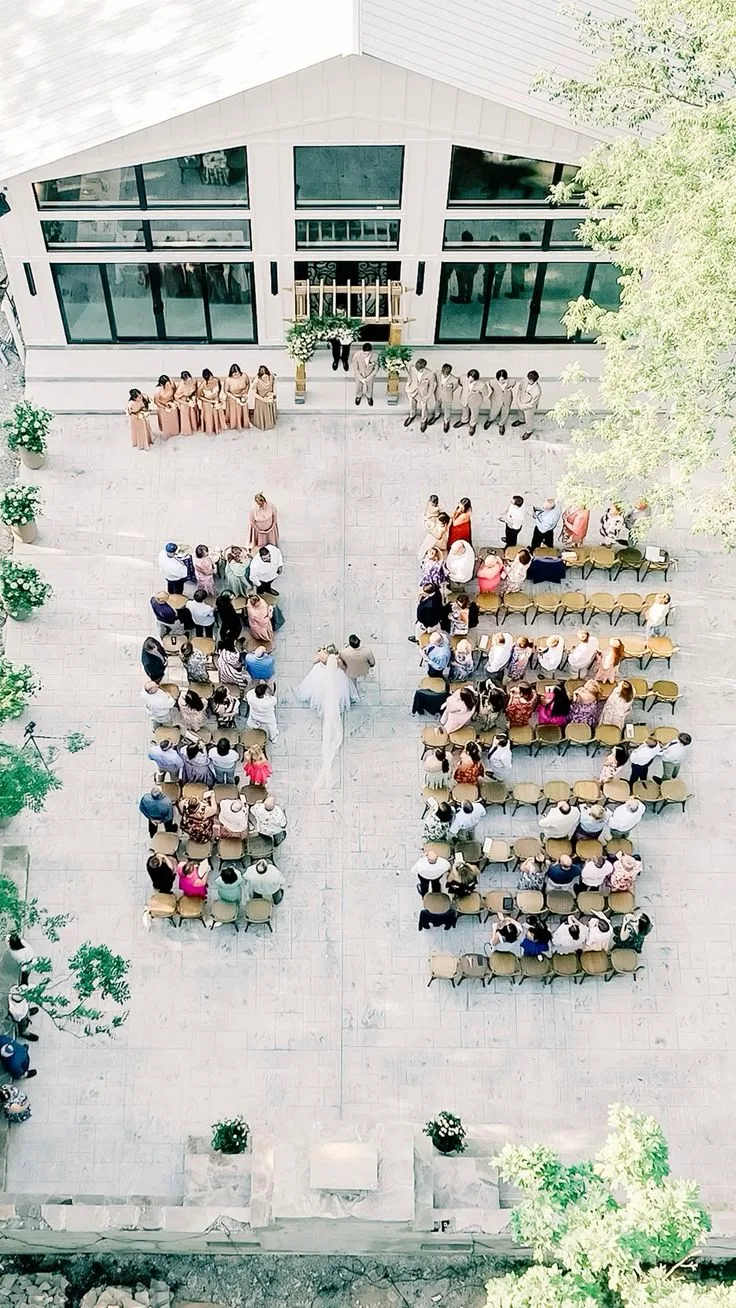
Choosing the right drone for wedding videography isn't just about getting a cool aerial shot; it's about enhancing the storytelling of the entire day. Think about those moments: the expansive view of the ceremony venue as guests arrive, a graceful fly-by of the couple during their first dance, or a sweeping shot of the reception hall buzzing with energy. These kinds of cinematic perspectives elevate a wedding film from a simple recording to a breathtaking narrative.
When you're selecting a drone, you're looking at more than just its ability to fly. You need a camera that can handle the often tricky lighting conditions found at weddings, from bright outdoor ceremonies to dimly lit reception halls. Manufacturer specifications often highlight impressive flight times, with models like the DJI Air 3 advertising up to 46 minutes per battery charge, which is vital for ensuring you don't miss key moments due to frequent battery swaps.
Top Drones for Wedding Videography: A Deep Dive
When it comes to wedding videography, not all drones are created equal. We've narrowed down the field to a few key players that consistently deliver the quality, reliability, and features necessary for capturing those once-in-a-lifetime moments. Our research focuses on drones that offer superior camera performance, stable flight, and intuitive operation, making them ideal for the fast-paced and often unpredictable environment of a wedding day.
DJI Mavic 3 Pro: The Ultimate Image Maker
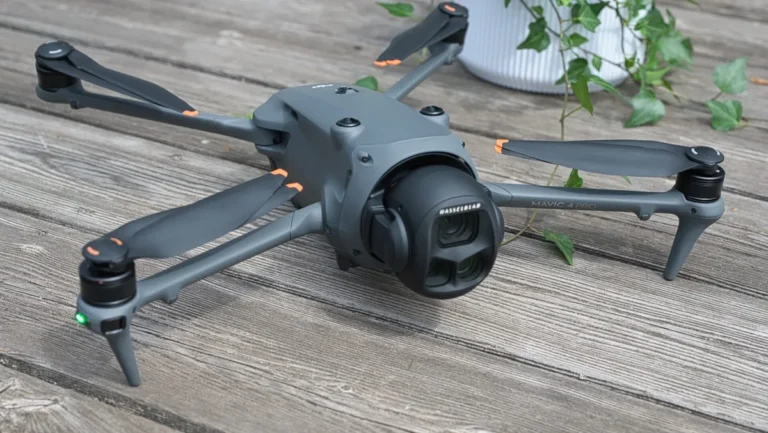
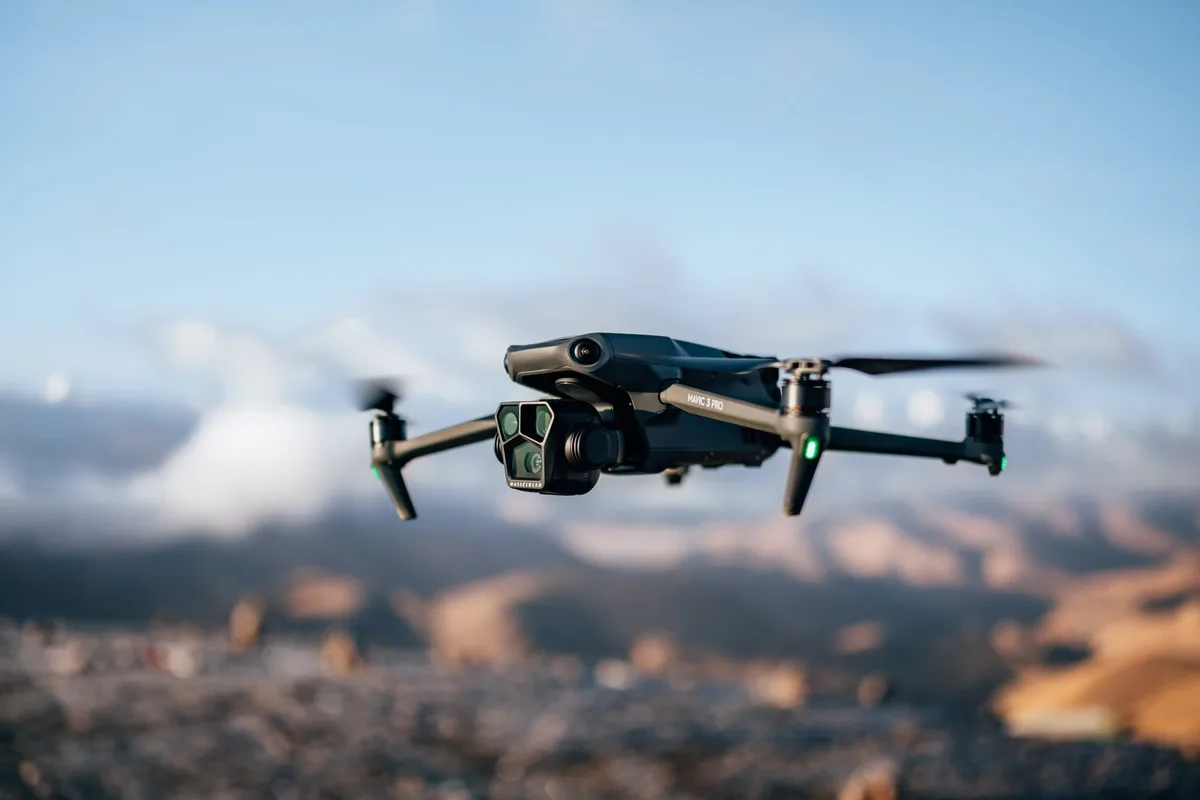
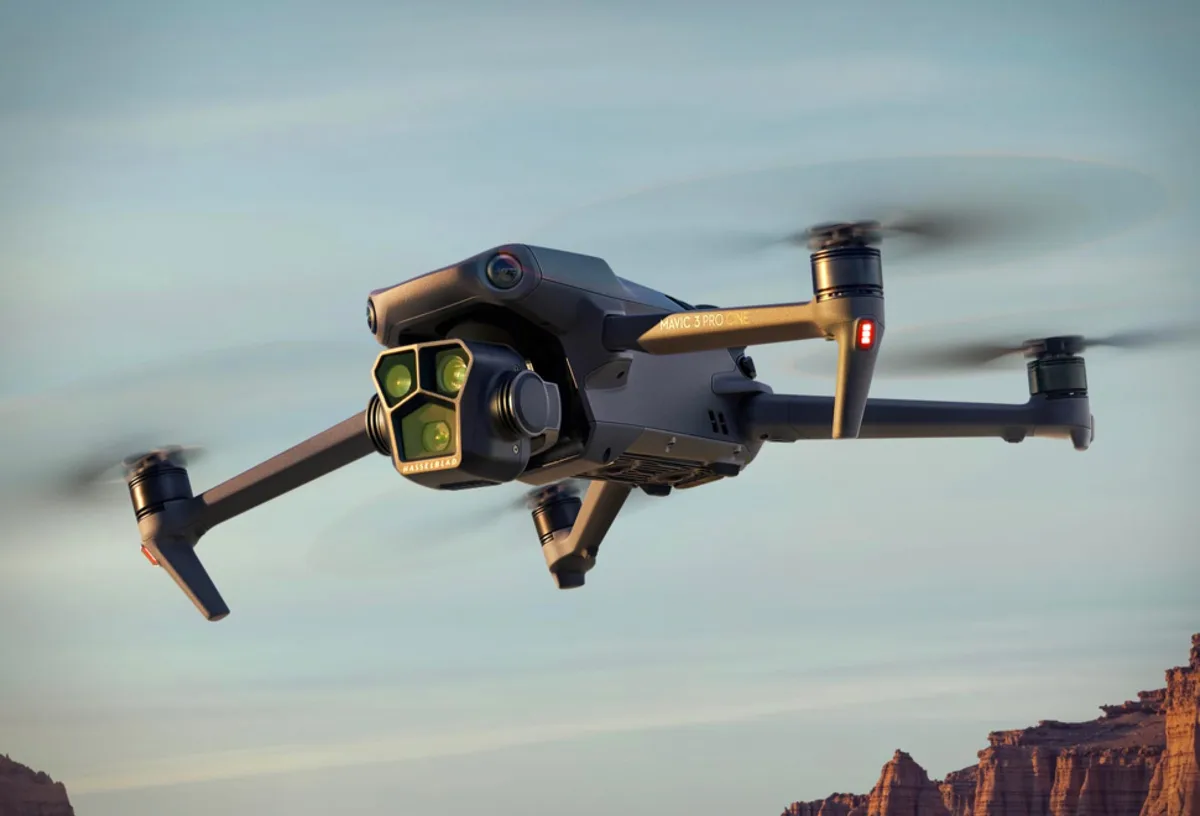
The DJI Mavic 3 Pro is frequently cited as a top-tier option for professional videographers, and for good reason. Its standout feature is its triple-camera system, which offers incredible versatility. This means you're not just getting one great lens, but a choice of focal lengths that can adapt to various shooting scenarios, from wide establishing shots to intimate close-ups.
Manufacturer specifications confirm the Mavic 3 Pro's Hasselblad camera delivers exceptional image quality with rich colors and detailed textures, crucial for capturing the fine details of a wedding day. Its advanced obstacle avoidance system provides peace of mind, minimizing the risk of accidents in busy venues. Aggregate reviews report that its image quality and creative flexibility often justify the investment for professionals who demand the best.
DJI Air 3: The Balanced Performer
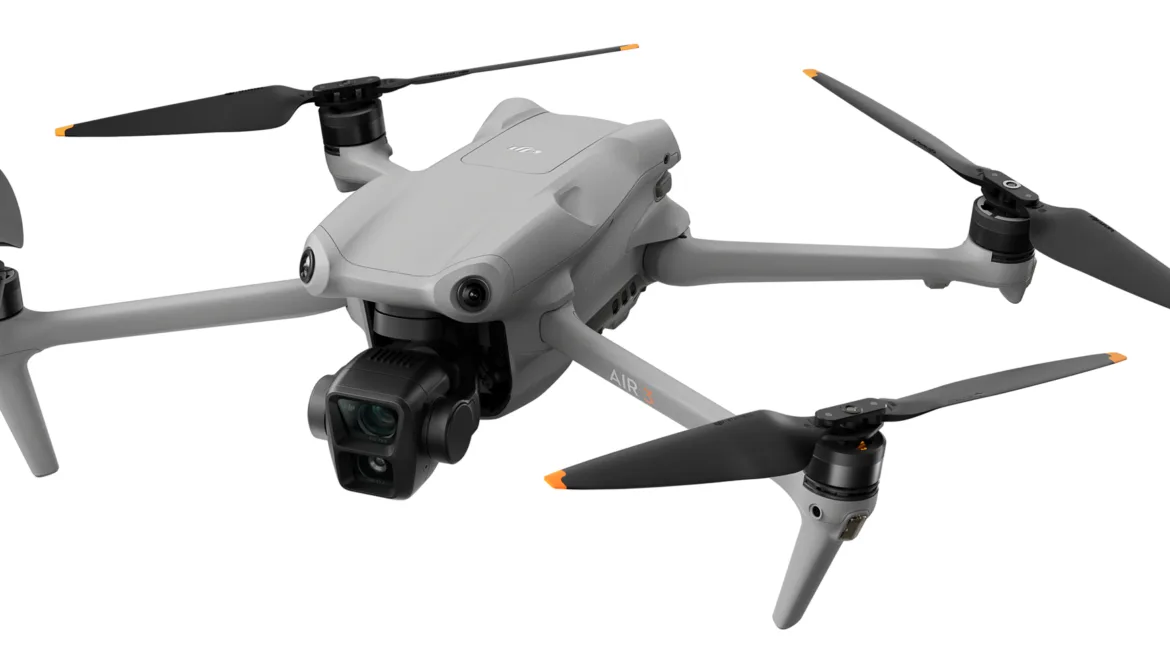
The DJI Air 3 strikes a compelling balance between high-end features and a more accessible price point compared to the top-tier Mavic series. It boasts a dual-camera system, featuring a wide-angle and a telephoto lens, offering significant creative flexibility for wedding videography. This setup allows for dynamic shot compositions without requiring a constant change in drone position.
Aggregate reviews suggest the Air 3's camera performance is excellent, producing crisp footage with good dynamic range, which is essential for handling the contrast between bright skies and shaded areas often found at wedding venues. Its flight time, advertised at up to 46 minutes, is more than sufficient for capturing multiple segments of a wedding day, and its omnidirectional obstacle avoidance adds a layer of safety. This makes it a highly recommended choice for videographers seeking professional results without the absolute highest cost.
DJI Mini 4 Pro: The Portable Powerhouse
For wedding videographers who prioritize portability and ease of transport, the DJI Mini 4 Pro emerges as a standout option. Its sub-250-gram weight means it often bypasses the need for FAA registration in many regions, simplifying logistics for on-the-go shooting. Despite its compact size, our research shows it packs a punch in terms of imaging capabilities for its class.
The Mini 4 Pro's camera can capture high-quality 4K HDR video, providing vibrant and detailed footage suitable for many wedding applications. Its advanced omnidirectional obstacle sensing is particularly impressive for such a small drone, offering a significant safety net when flying in complex environments. While its low-light performance and flight time (up to 34 minutes per battery) may not match larger drones, its sheer convenience makes it a valuable tool, especially for capturing indoor scenes or when quick deployment is critical.
Key Wedding Drone Features to Watch Out For
Beyond the specific models, understanding the core features that truly impact wedding videography will guide your decision. You're not just buying a drone; you're investing in a tool that needs to perform reliably under pressure. Our analysis of industry needs points to several critical attributes that distinguish a capable wedding drone from one that might struggle on the job.
- Low-Light Performance: Weddings often start in daylight and end in dimly lit receptions or evening ceremonies. A drone's ability to capture clean, noise-free footage in these conditions is paramount. Larger sensors and advanced image processing are key here, helping to mitigate grain and preserve detail when the lights go down.
- Intelligent Flight Modes: Features like ActiveTrack (subject tracking) or QuickShots can be incredibly useful for automatically capturing dynamic shots, like following the wedding party or performing a cinematic reveal. These modes can save time and help generate creative camera movements you might not achieve manually, especially when you're balancing multiple tasks.
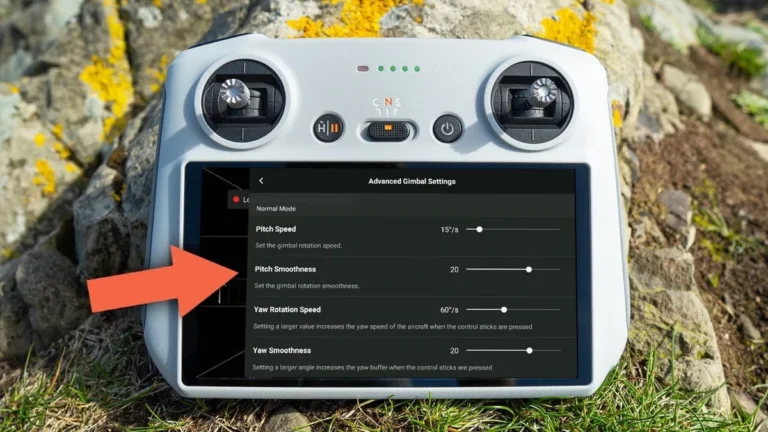
- Camera Stabilization: A smooth gimbal is non-negotiable. It counteracts minor bumps and wind gusts, ensuring your footage remains fluid and cinematic, not jarring. Even the best camera struggles if the platform it's on is unstable.
- Controller Connectivity & Range: A reliable connection between your controller and the drone is vital. You need assurance that commands are transmitted instantly and the video feed remains stable, even at the edge of its operational range. This ensures you can maintain creative control and monitor your shot effectively.
Drones for Weddings: Common Mistakes to Sidestep
When you're operating a drone at a wedding, potential pitfalls are numerous, and avoiding them is crucial for both success and safety. One of the most common mistakes is neglecting proper pre-flight checks. This includes ensuring batteries are fully charged, propellers are undamaged, and the drone's firmware is up to date.
A quick check can prevent a mid-ceremony failure.
Another frequent error is flying too close to guests or the bridal party without explicit permission. This can be intrusive, frightening, and potentially dangerous. Always communicate your intentions with the couple and venue staff beforehand.
Over-reliance on automated flight modes without understanding their limitations can also lead to problems; always be ready to take manual control.
Finally, many new users underestimate the impact of wind. While modern drones have improved wind resistance, flying in excessively windy conditions can result in unstable footage or even drone instability. It's better to miss a shot than to risk your equipment or, worse, cause an accident.
Always check local weather conditions and the drone’s wind resistance rating before flying.
Essential Drone Legalities for Wedding Shoots
Navigating the legal landscape for drone operation, especially at events like weddings, is absolutely critical. Failing to comply with regulations can lead to fines, permit issues, or even the grounding of your equipment. As of 2026, most countries, including the United States under the Federal Aviation Administration (FAA), have specific rules for commercial drone use.
In the U.S., commercial drone operators typically need to obtain a Remote Pilot Certificate (often referred to as a "Part 107 license"). This involves passing an aeronautical knowledge test. Additionally, drones weighing 0.55 pounds (250 grams) or more must be registered with the FAA.
Many venues also have their own specific rules about drone usage, often requiring advance permission or prohibiting flights altogether in certain areas.
Beyond national regulations, local ordinances and venue-specific policies are paramount. Always verify if you need special permits for flying at a particular location, especially in urban areas or near airports, where no-fly zones are strictly enforced. Understanding and adhering to these rules ensures your operation is safe, legal, and respectful of the event and its surroundings, preventing potential disruptions or liabilities.
Frequently Asked Questions About Wedding Drones
What is the typical flight time for professional wedding drones?
Professional wedding drones typically offer flight times ranging from 25 to over 40 minutes per battery. Models like the DJI Air 3 advertise up to 46 minutes, while smaller drones like the Mini 4 Pro might offer around 34 minutes. It's wise to have multiple batteries on hand to ensure continuous coverage throughout the event.
Can I fly a drone indoors at a wedding reception?
Yes, you can often fly drones indoors for wedding receptions, but it requires extreme caution. Drones must have excellent obstacle avoidance systems and be flown by experienced pilots. Always get explicit permission from the venue and the couple, as indoor spaces can be cramped and unpredictable, posing higher risks of collision.
Do I need special insurance to fly a drone for wedding videography?
While not always legally mandated everywhere, drone insurance is highly recommended for professional wedding videographers. This insurance can cover accidental damage to the drone itself, as well as liability for any property damage or injuries caused by the drone. Given the cost of equipment and the high stakes of a wedding event, it’s a crucial safeguard.
How much do professional wedding drones typically cost?
Professional-grade drones suitable for wedding videography can range significantly in price. Entry-level options with good camera quality might start around $800-$1000, while high-end models like the DJI Mavic 3 Pro can cost $2,000 or more. This price typically reflects superior camera systems, longer flight times, and more advanced safety features.
What are the key differences between the DJI Mavic 3 Pro and DJI Air 3 for weddings?
The Mavic 3 Pro offers a more advanced triple-camera system with larger sensors for superior image quality, especially in low light, and greater focal length versatility. The Air 3 provides a very capable dual-camera system at a more accessible price point, with excellent flight time and robust obstacle avoidance, making it a strong all-around performer for many wedding videographers.
Verdict: Your Ideal Wedding Videography Drone
Choosing the "best" drone for wedding videography ultimately comes down to balancing your specific needs, budget, and desired image quality. If capturing absolutely pristine, versatile footage is paramount and cost is less of a concern, the DJI Mavic 3 Pro stands out with its exceptional triple-camera system. Its ability to handle diverse lighting and offer a range of focal lengths makes it a top-tier professional tool.
However, for a vast majority of wedding videographers, the DJI Air 3 presents the most compelling package. It delivers outstanding image quality, a very respectable flight time of up to 46 minutes, and reliable obstacle avoidance at a price point that offers excellent value. It's a drone that empowers you to create stunning aerial content without breaking the bank.
For those who prioritize extreme portability and ease of use, perhaps for smaller venues or travel-focused clients, the DJI Mini 4 Pro is an excellent choice. Its compact size and often-simplified legal requirements make it incredibly convenient. Regardless of your final selection, remember that mastering the drone's features and understanding the legal framework are just as important as the equipment itself for successful wedding videography.