How Do You Film a Wedding With a Drone?
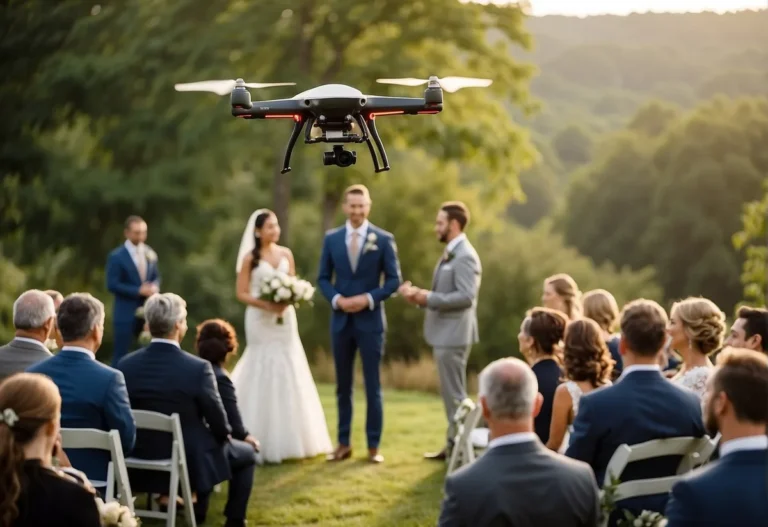
If you've ever watched a wedding video with those breathtaking aerial shots of the venue or sweeping panoramas of the couple, you've likely wondered how they're done. Capturing those unique perspectives is often the work of a drone operator. Successfully filming a wedding with a drone involves more than just flying a quadcopter; it requires careful planning, an understanding of regulations, and a keen eye for cinematic storytelling.
Our research indicates that professional drone operations for events often require specific pilot certifications, like the FAA's Part 107 Remote Pilot Certificate for commercial operations in the United States. This ensures pilots understand airspace, weather, and safety protocols. Properly executing a drone wedding shoot means blending technical skill with an artistic vision to enhance the day's memories.
Quick Answer
To film a wedding with a drone, you need a certified pilot, a high-quality drone with a stable camera, and a solid flight plan. Understand all FAA regulations and obtain necessary permissions. Scout the venue beforehand for ideal flight paths and shot opportunities.
Focus on capturing cinematic, sweeping views that complement ground footage. Always prioritize safety and weather awareness.
Your Wedding Drone Filming Workflow: From Planning to Premiere
Filming a wedding with a drone isn't something you can wing. It’s a process that starts long before the big day and continues well into post-production. Think of it as a detailed workflow, with each step building on the last to ensure you get stunning, safe, and legally compliant aerial footage.
This isn't just about having cool tech; it's about telling the couple's story from a fresh, elevated perspective.
Core Decisions Before You Fly
The first big decision is whether drone footage is even a good fit for the wedding. Consider the venue: are there tall trees, power lines, or other obstacles that could impede flight? If the wedding is entirely indoors or in a very confined outdoor space, drone shots might be limited or impossible.
Also, think about the couple's overall wedding style. If they're going for a very intimate, low-key vibe, extensive drone coverage might feel out of place.
Understanding the "Why" of Drone Footage
Drone footage offers a unique storytelling advantage. It can establish the grandeur of the wedding location, showcase the vastness of an outdoor ceremony, or capture the dynamic movement of a procession from a bird's-eye view. This isn't just about getting a cool shot; it's about providing context and cinematic flair that grounds-based cameras can't achieve.
It adds a professional, high-quality polish to the final wedding film.
Getting Started: Is Drone Wedding Filming Right for You?
Deciding to incorporate drone footage into your wedding cinematography service is a significant step. It means adding new equipment, training, and a whole layer of operational considerations. For couples, it's about deciding if those extra-special aerial shots are worth the investment and planning.
Core Decisions Before You Fly
The absolute first thing to consider is the venue itself. Is it an open field, a sprawling estate, a historic building, or something else? Each location presents unique challenges and opportunities for drone flight.
Power lines, dense tree cover, and proximity to airports are all critical factors that could either limit or outright prevent drone operation. Our research highlights that venue accessibility and potential flight zones are paramount for a successful shoot.
Understanding the "Why" of Drone Footage
Drone footage offers a unique storytelling advantage. It can establish the grandeur of the wedding location, showcase the vastness of an outdoor ceremony, or capture the dynamic movement of a procession from a bird's-eye view. This isn't just about getting a cool shot; it's about providing context and cinematic flair that grounds-based cameras can't achieve.
It adds a professional, high-quality polish to the final wedding film.
Navigating the Skies: Essential Drone & Legal Prep
Before you even think about lifting off, you need to get your gear and your paperwork in order. This phase is all about ensuring you're legally covered and your equipment is ready to perform flawlessly on the day.
Your Drone Checklist: What You Need
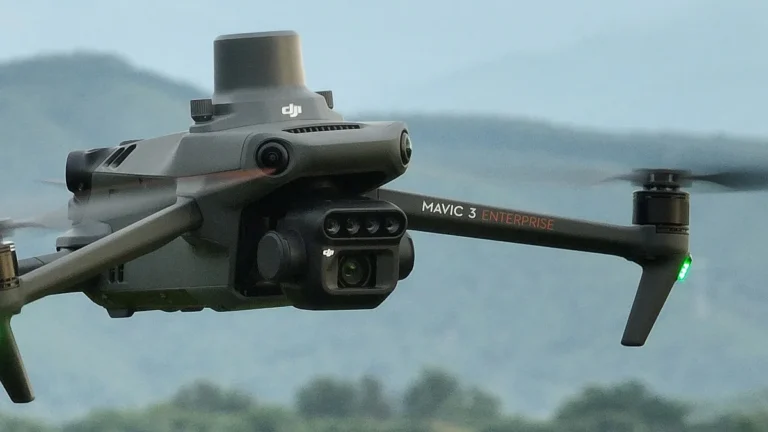
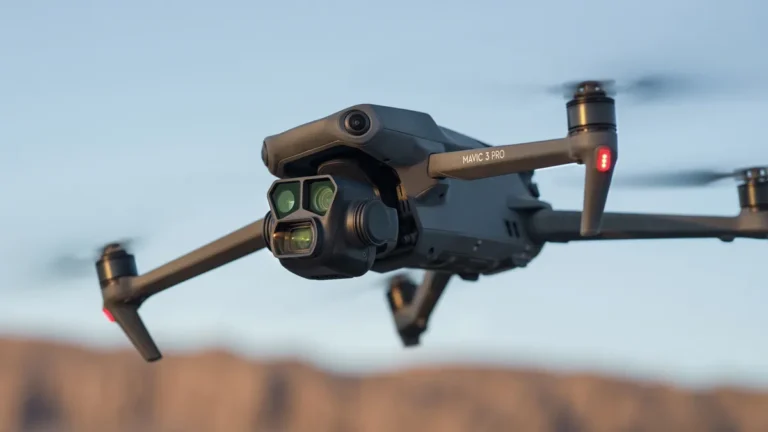
You'll need more than just the drone itself. A reliable drone designed for filming, such as models from DJI that offer 4K video capabilities and advanced stabilization, is key. Ensure you have multiple fully charged batteries, a typical drone flight time is around 25-30 minutes per battery, so swapping them out efficiently is crucial.
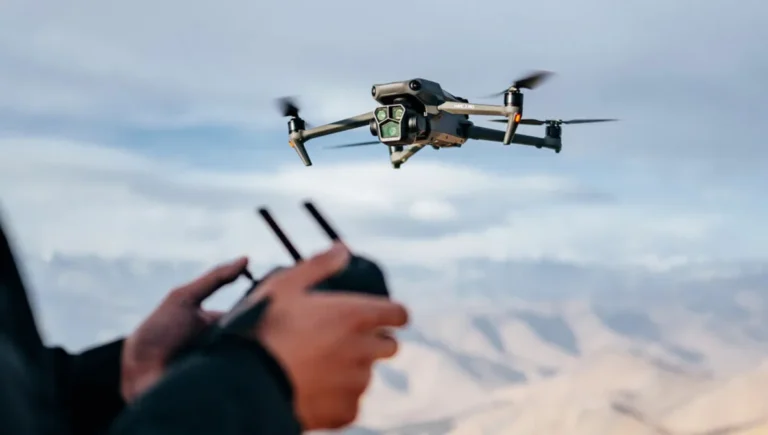
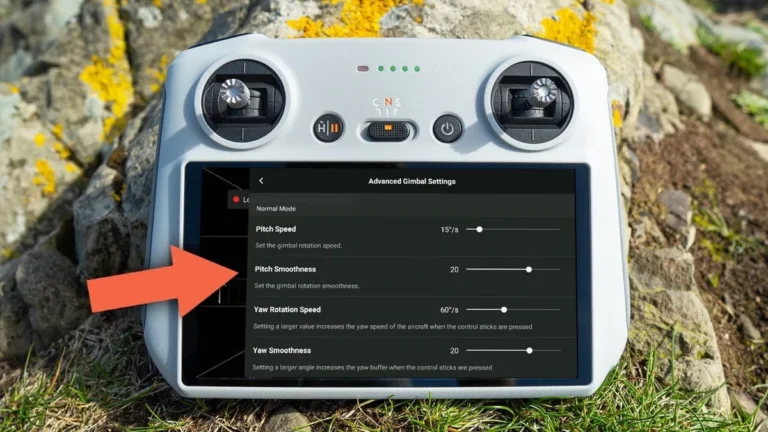
Extra propellers, a sturdy carrying case, and a high-capacity memory card (preferably V30 or higher for 4K video) are also essential. Don't forget a reliable remote controller.
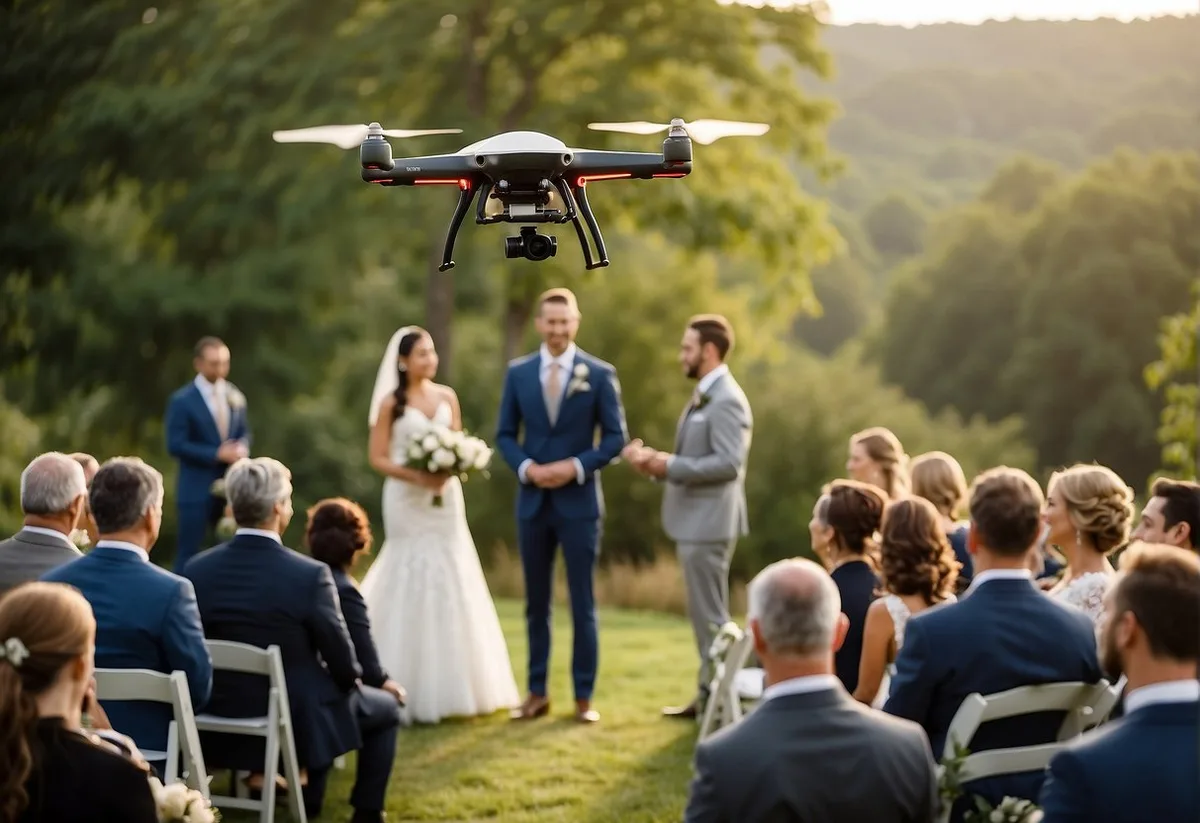
Image source: Bing (Web (fair-use with source credit))
Know Before You Fly: FAA Rules & Permissions
This is non-negotiable. In the United States, commercial drone operations require a Remote Pilot Certificate issued by the FAA. You must adhere to all FAA regulations, including maintaining visual line of sight, staying below 400 feet, and avoiding restricted airspace.
Many venues also have their own specific rules about drone usage. It’s vital to contact the venue management well in advance to secure written permission. For specific airspace inquiries, checking the FAA's B4UFLY app or similar official resources is a must.
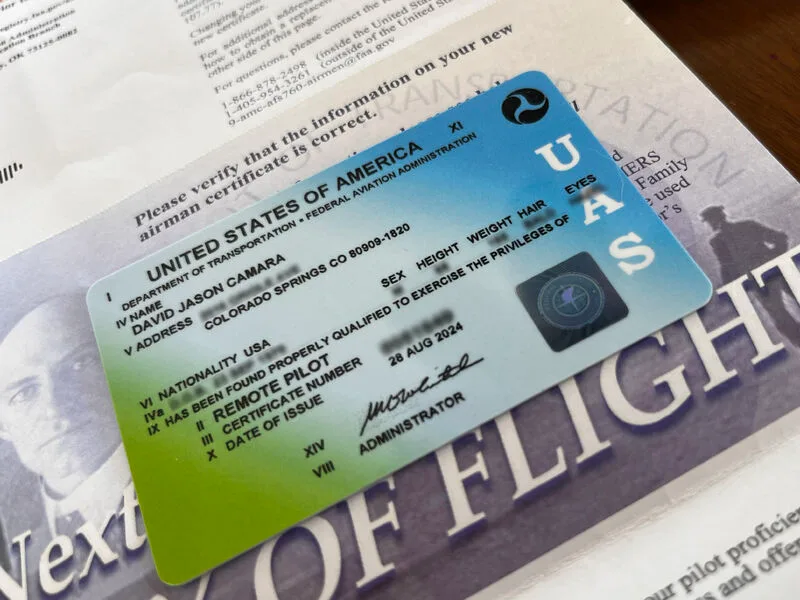
Image source: Bing (Web (fair-use with source credit))
Venue Scout: Recon for the Best Shots
A pre-wedding site survey is crucial. This is your chance to walk the grounds, identify the best takeoff and landing spots, and map out potential flight paths. Look for areas with minimal wind exposure, clear lines of sight, and beautiful backdrops.
This scout also helps you anticipate any unexpected obstacles, like temporary structures or dense foliage, that might not be obvious from photos. This reconnaissance helps build a practical flight plan tailored to the specific venue and event flow.
Mastering the Wedding Day Flight Plan
With your drone and legalities sorted, it's time to think about the actual shooting. A well-thought-out flight plan ensures you capture the most impactful moments without disrupting the wedding itself.
The Shot List: Essential Wedding Drone Angles
Think about the key moments a drone can elevate. Establishing shots of the venue from high up are standard. Capturing the wedding procession, whether it's the bride walking down the aisle or the couple exiting, can be incredibly dramatic from above.
Flyovers during the reception, perhaps during a toast or first dance, can add a dynamic, celebratory feel. Consider shots that show the gathering of guests, the overall atmosphere, and the beautiful surroundings.
Pre-Ceremony: Setting the Scene
This is your prime time for wide, establishing shots. Before guests arrive or as they are finding their seats, fly high to capture the venue and its landscape. If the ceremony is outdoors, get those sweeping views of the ceremony setup, showing the scale of the event.
These shots are fantastic for the opening sequence of the wedding video, setting the mood and providing context for the rest of the film.
During the Ceremony: Capturing Key Moments (Discreetly!)
This is where discretion is paramount. If you have permission and it won't disturb guests or the couple, a high, stationary shot from a distance can capture the entire ceremony area. Think of it as a wide overview.
Alternatively, you might fly in very slowly and quietly before the ceremony begins to get a specific establishing shot, then land before guests are seated or the processional starts. Flying during the vows or speeches is generally discouraged due to potential noise and distraction.
Post-Ceremony & Reception: Expanding the View
Once the ceremony concludes, you have more freedom. Capture the couple walking back down the aisle from a unique aerial perspective. During the reception, consider dynamic shots of the venue at night, the dance floor in action, or a slow fly-through of the reception hall.
These moments offer opportunities for truly memorable and visually stunning footage that ground cameras might miss.
Essential Drone Operation Skills & Safety
Flying a drone safely and effectively requires more than just pushing buttons. It’s about understanding your equipment, managing risks, and being prepared for anything the environment throws at you.
Keeping Your Drone Airborne: Battery Management
Battery life is the most common limiting factor in drone operations. A typical drone battery offers about 25-30 minutes of flight time. For a wedding, you'll need a strategy.
This usually involves having at least 2-3 fully charged batteries ready to swap out quickly. You’ll want to plan your flights to maximize each battery’s potential, landing before it gets critically low. Monitor battery levels constantly through your controller's app and factor in landing and battery swap time into your flight plan.
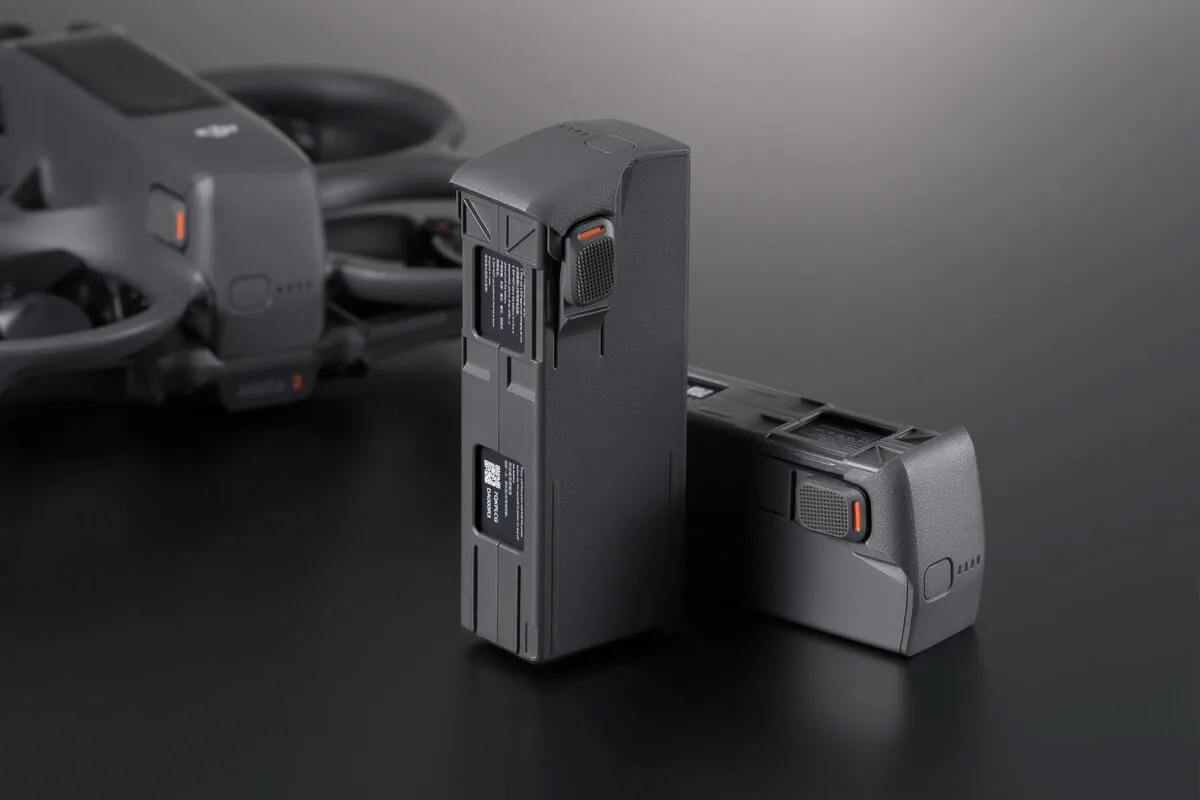
Image source: Bing (Web (fair-use with source credit))
Flying Smart: Maintaining Line of Sight & Avoiding Hazards
Always keep your drone within your visual line of sight. This means you can see it with your own eyes, not just on your controller's screen. This rule is critical for safety and legally mandated by the FAA.
Be aware of your surroundings: watch for trees, buildings, power lines, and other aircraft. If you see another aircraft approaching, land your drone immediately. Obstacle avoidance systems on newer drones are helpful, but they are not foolproof and should not replace pilot vigilance.
What If Something Goes Wrong? Emergency Procedures
Despite meticulous planning, things can go wrong. Know your drone's "Return to Home" (RTH) function and how it’s activated, but don't rely on it exclusively; always aim for manual control. If you encounter unexpected turbulence or a critical system warning, initiate an emergency landing in a safe, clear area.
Practice emergency landing drills so you can react quickly and calmly if needed. Always have a plan B for critical shots if your drone becomes unavailable.
Common Drone Wedding Filming Blunders to Avoid
Even with the best intentions and equipment, mistakes can happen. Knowing what common pitfalls to sidestep can save your shoot and keep you out of trouble. These errors range from simple operational oversights to more serious regulatory breaches.
Weather Woes: When to Ground Your Drone
Drones are sensitive to weather conditions. High winds can make them unstable, rain can damage electronics, and fog can severely limit visibility. Most consumer-grade drones are not built for severe weather.
Manufacturer specifications for models like the DJI Mavic series often list maximum wind speeds they can handle, typically around 20-24 mph. If conditions exceed these limits, it's safer to rely on ground-based videography for the day.
Privacy Pitfalls & Guest Concerns
While capturing stunning aerial shots, remember that wedding guests are also present. Flying too low or too close to people can feel intrusive and raise privacy concerns. Always maintain a respectful distance.
Communicate with the venue coordinator and, if possible, announce your presence and purpose briefly to guests to manage expectations and alleviate any unease. Getting explicit consent for drone flight from the venue is key.
Technical Gaffes That Ruin the Shot
Technical issues can strike at any moment. Forgetting to format your memory card, running out of battery at a critical moment, or accidentally switching camera settings can jeopardize your footage. Ensure your drone's firmware is up-to-date before the event.
Double-check your camera settings, such as resolution (e.g., 4K at 30fps is a good balance of quality and file size) and frame rate, are appropriate for your intended output.
The Final Cut: Turning Footage into a Masterpiece
Capturing footage is only half the battle; the real magic often happens in post-production. How you edit your drone shots can make or break their impact on the wedding film.
Basic Editing for Drone Footage
Drone footage often needs color correction and grading to match the look of ground-based video. Drone cameras can sometimes produce footage that is slightly flat or has color casts that need adjustment. Software like Adobe Premiere Pro or Final Cut Pro can be used to enhance the footage.
Stabilizing any minor jitters that occurred during flight is also a common post-production step.
Integrating Drone Shots with Ground Video
The goal is to make drone footage feel like a natural extension of the rest of the wedding video, not a separate entity. Use drone shots strategically to punctuate key moments or provide context. A sweeping aerial view of the ceremony site can open the film, while a slow, majestic shot of the couple walking hand-in-hand through the venue grounds can add a romantic touch.
The transition between drone and ground footage should be seamless.
Frequently Asked Questions About Wedding Drones
Do I need a license to fly a drone for wedding photography?
Yes, in most countries, if you are being paid to fly a drone for commercial purposes, such as wedding filming, you need a pilot certification. In the United States, this is typically the FAA's Part 107 Remote Pilot Certificate. This certification ensures you understand aviation regulations and safety protocols.
How much does drone wedding videography cost?
Drone videography services can vary widely, but expect to pay anywhere from $500 to $2,500 or more, depending on the operator's experience, the length of coverage, and the final deliverables. Some videographers include drone footage as part of a larger package, while others offer it as an add-on.
What happens if the weather is bad on the wedding day?
If the weather is unsuitable for safe drone flight (e.g., high winds, rain, fog), the drone operator will likely inform you. Most professional operators have clauses in their contracts regarding inclement weather. They may offer to reschedule the drone portion if possible, or focus on ground-based videography, potentially offering a credit towards future aerial services.
Can I fly a drone indoors for a wedding?
Flying a drone indoors for a wedding is generally not recommended and can be very risky. The confined spaces, unpredictable air currents from HVAC systems, and the proximity of people and objects make it difficult to fly safely. Most professional drone operators focus on outdoor venues where there is ample space and clear lines of sight.
How long does it take to get wedding drone footage back?
Turnaround times for edited wedding videos, including drone footage, can range from 4 to 12 weeks or even longer. This depends on the videographer's workload and the complexity of the editing. Drone footage often requires specific color grading and integration with ground footage, which adds to the editing time.
Your Decision Guide: Making the Most of Your Drone Footage
Deciding to include drone footage in your wedding is an exciting prospect that can elevate your final video significantly. The key is thoughtful planning and execution, from initial legal checks to the final edit.
When considering drone services, always look for certified pilots who understand wedding day dynamics. They'll know when and how to deploy the drone without disrupting the ceremony or reception. Remember that weather is a major factor; a skilled operator will have backup plans or be able to adapt.
Ultimately, drone footage offers a unique cinematic perspective that can beautifully capture the scale and emotion of your special day. By partnering with a professional and being prepared, you can ensure these breathtaking aerial shots become a cherished part of your wedding memories.