Can a Drone Film a Wedding Ceremony?
Planning your wedding involves countless details, and you’ve probably seen those breathtaking aerial shots that make a ceremony feel epic. It's natural to wonder if a drone could capture your special day from above. The short answer is: it depends on a lot of factors, from local laws to the venue itself.
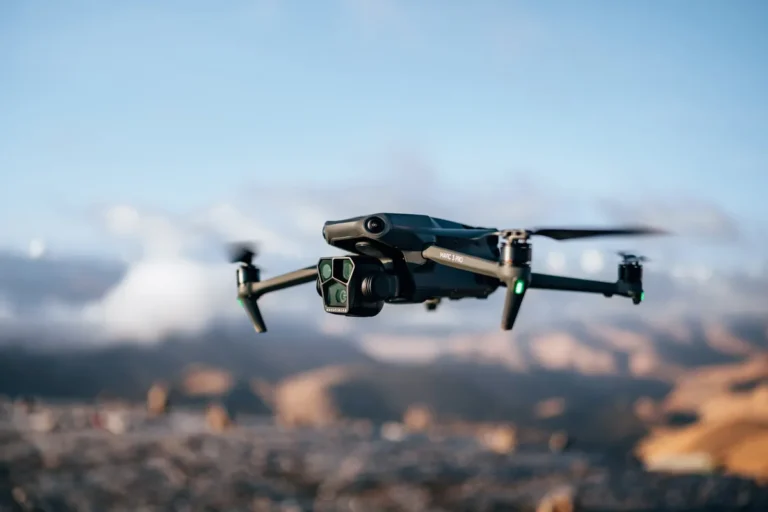
In our research, we found that while the technology is readily available, successfully filming a wedding ceremony with a drone requires careful planning and adherence to specific guidelines. For instance, many professional drones, like those from DJI's Mavic series, offer advanced obstacle avoidance and stabilized 4K cameras, but operating them legally often requires certification and adherence to local airspace regulations.
Quick Answer
Yes, a drone can film a wedding ceremony, but it's not always straightforward. The feasibility depends heavily on legal permissions, venue rules, and the drone pilot's skill. Indoor ceremonies are generally not suitable for drone filming due to space and safety concerns.
The Big Question: Is Drone Ceremony Footage Right for You?
This is the million-dollar question, and honestly, there's no single "yes" or "no" that fits every wedding. Think about what you want from your wedding film. Are you hoping for sweeping, cinematic shots that capture the grandeur of your outdoor venue, or is a more intimate, ground-level perspective your priority?
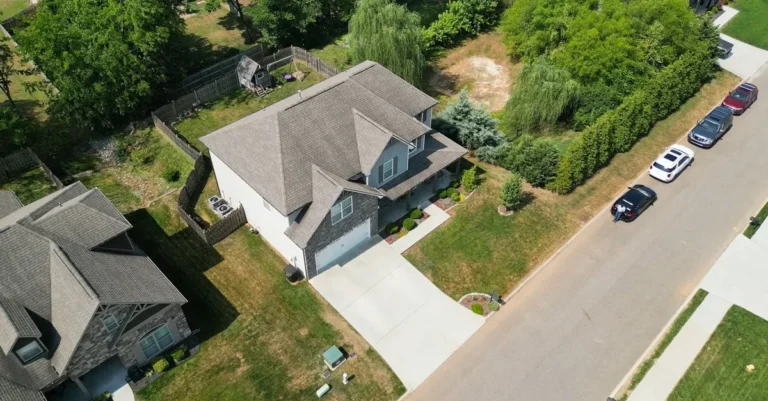
Drone filming offers a unique vantage point that traditional cameras simply can't replicate. It can provide a sense of scale and atmosphere, showcasing the surroundings and the overall mood of the ceremony in a way that feels truly special.
However, it’s not just about the cool factor. You need to consider the practicalities. Can you legally fly a drone where you're getting married?
Does your venue allow it? And most importantly, will a drone overhead enhance or detract from the sacredness and emotional flow of your ceremony? These are the tough questions we’ll dive into.
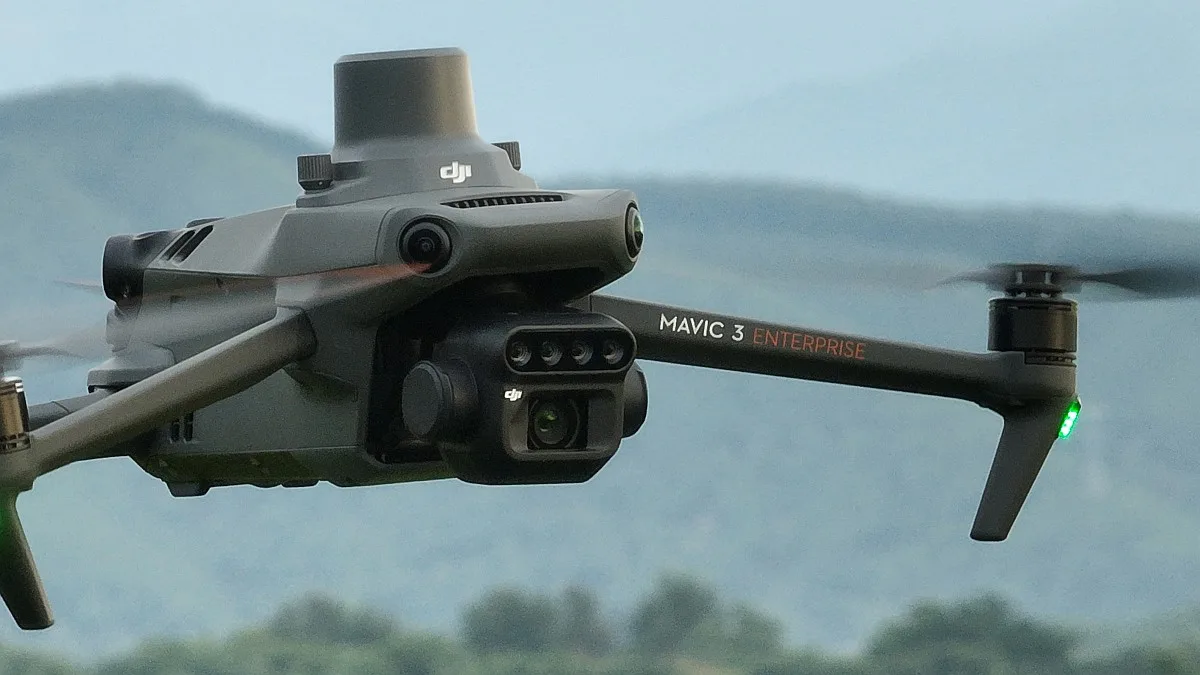
Image source: Bing (Web (fair-use with source credit))
Navigating the Skies: Legalities and Venue Rules
This is where most people hit a roadblock, and it's absolutely the first place you should start. Flying a drone isn't just about owning one; it’s about operating it legally and responsibly. Ignoring these rules can lead to fines, or worse, the cancellation of your filming plans.
Understanding Airspace Restrictions
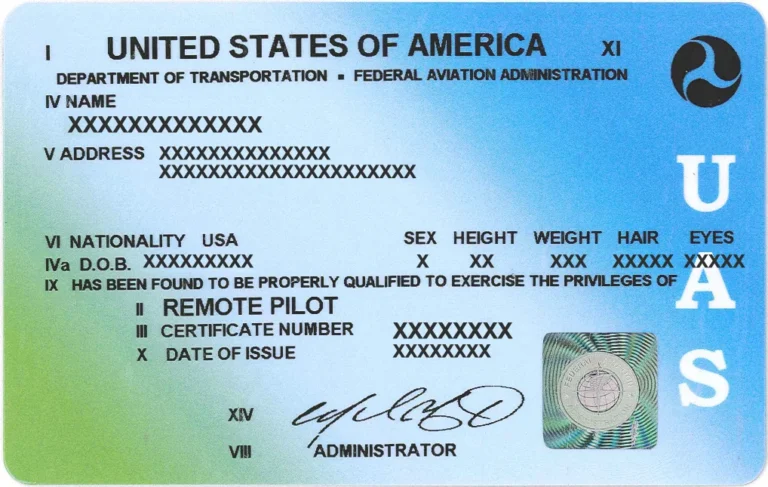
In the United States, the Federal Aviation Administration (FAA) governs drone operations. For commercial purposes, which includes hiring a drone pilot for your wedding, the pilot generally needs to hold a Part 107 Remote Pilot Certificate. This certification means they've passed a knowledge test on drone operations and regulations.
Crucially, there are restrictions on flying in controlled airspace (often around airports), over people, and at certain altitudes without specific waivers. For example, the FAA generally prohibits flying a drone higher than 400 feet above ground level. If your venue is near an airport, or in a designated flight-restricted zone, getting permission to fly can be extremely difficult, if not impossible.
Other countries have their own aviation authorities with similar, often stringent, regulations.
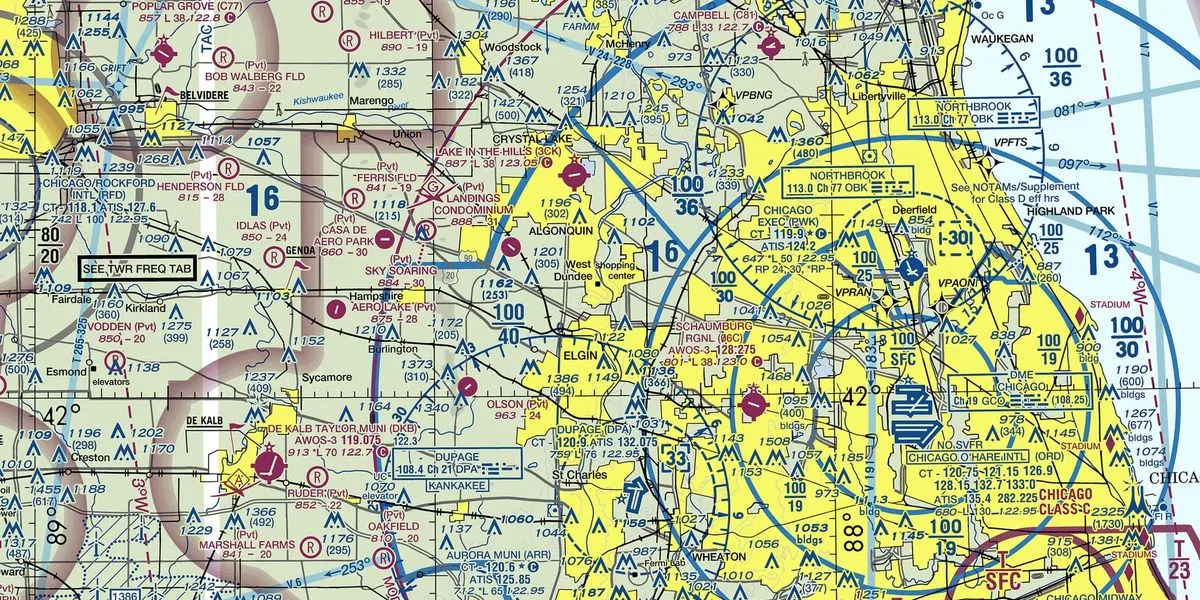
Image source: Bing (Web (fair-use with source credit))
Getting Venue Approval
Even if the skies above your venue are legally open for drone operation, your venue might have its own rules. Many wedding venues, especially historic estates, chapels, or properties with strict noise policies, prohibit drone use entirely. This is often due to concerns about noise disruption, potential damage to property, guest safety, or simply maintaining the desired ambiance.
It's essential to have this conversation with your venue coordinator early in your planning process. Ask directly about their drone policy and if they have any specific restrictions or requirements should they allow it, such as designated takeoff/landing zones.
Drone Capabilities: What Can Today's Drones Actually Do?
The technology behind drones has advanced rapidly, and modern drones are capable of capturing stunning, stable footage. However, not all drones are created equal, and the type of drone used can significantly impact the quality and feasibility of filming your wedding ceremony. The performance factors here are key to getting usable footage.
Camera Quality and Stability
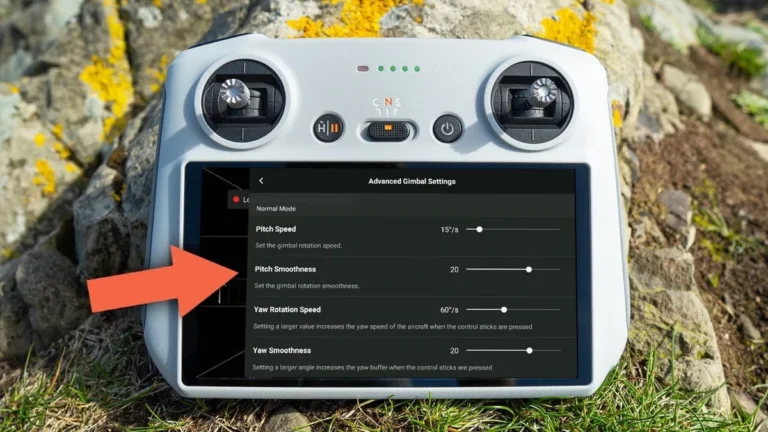
For wedding cinematography, camera quality is paramount. High-end drones often feature advanced cameras capable of shooting in resolutions like 4K or even higher, ensuring sharp and detailed video. Just as important is the gimbal, a gyroscopic stabilizer that counteracts the drone's movement, keeping the camera remarkably steady even in windy conditions or during quick maneuvers.
Aggregate reviews of professional-grade drones, such as those in the DJI Inspire or Phantom series, consistently report smooth, cinematic footage thanks to their integrated gimbals. This stabilization is crucial for capturing the delicate, often slow-moving moments of a wedding ceremony without jarring movements.
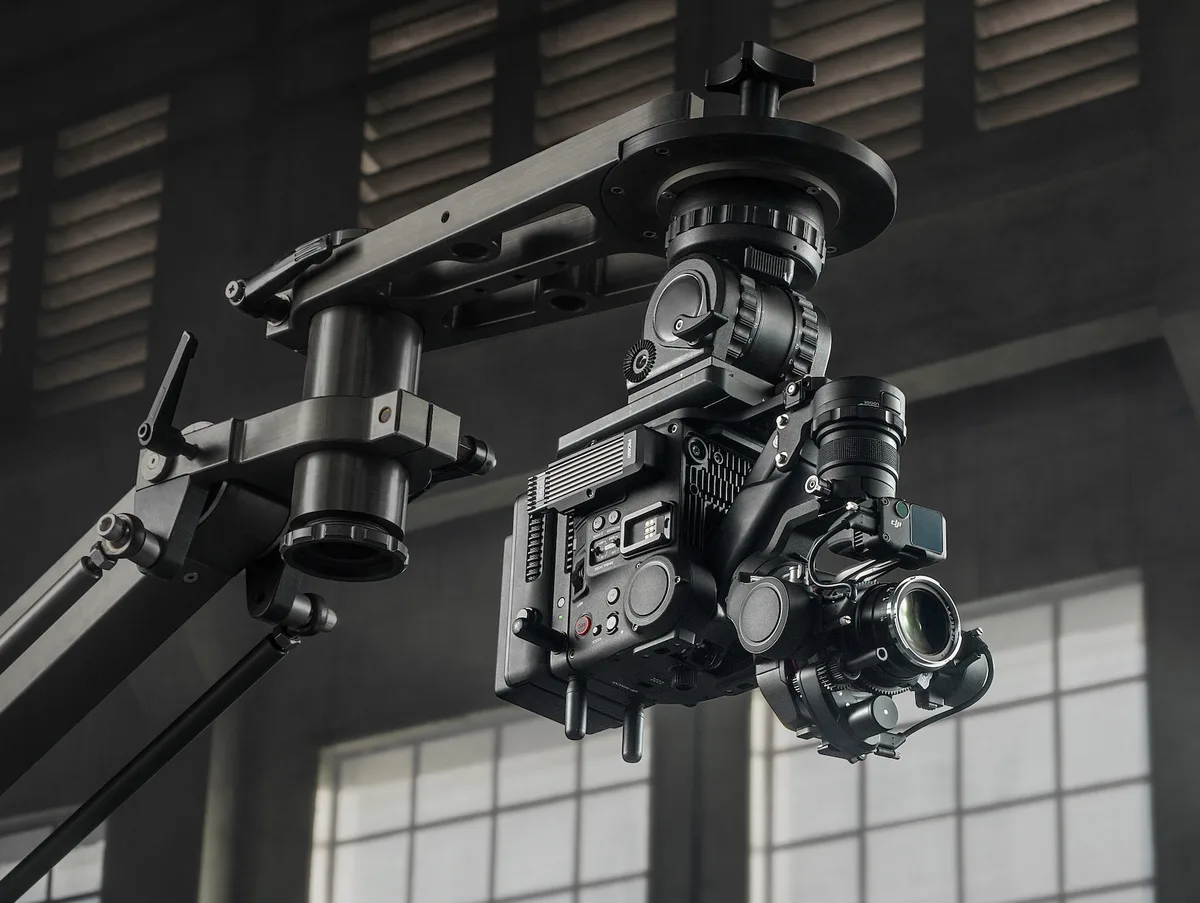
Image source: Bing (Web (fair-use with source credit))
Flight Time and Reliability
Wedding ceremonies can sometimes run a little longer than planned, and a drone's battery life is a critical consideration. Most professional drones typically offer flight times ranging from 20 to 30 minutes on a single battery charge. Manufacturer specifications for models like the DJI Mavic 3 indicate up to 46 minutes of flight time in ideal conditions, but real-world use during a ceremony, with potential wind and frequent hovering, often reduces this significantly.
This means a drone pilot will likely need multiple batteries and a plan for quick, seamless battery swaps between key moments to ensure continuous coverage. If the ceremony is lengthy or involves multiple segments, managing battery life becomes a logistical challenge.
The Human Element: Guest Experience and Privacy
Beyond the legalities and technical capabilities, the impact of a drone on your guests and the overall atmosphere of your wedding ceremony is something you absolutely need to consider. What might be an exciting new element for you could be a source of disruption or discomfort for others.
Noise and Distraction Factors
Modern drones are quieter than they used to be, but they are not silent. The buzzing sound of a drone can be noticeable, especially in a quiet outdoor setting or a hushed indoor space. During your vows, a processional, or a moment of reflection, a drone's noise can easily become a distraction, pulling attention away from the ceremony itself.
Some drones are designed for quieter flight, but the sound can still be perceived. It's worth asking your potential drone pilot about the specific noise level of their equipment and how they plan to minimize disruption. Think about your guests, would this added sound enhance their experience or detract from it?
Respecting Guest Privacy
While you and your partner are likely comfortable with being filmed by a drone, your guests may not be. Many people are increasingly conscious of their privacy, and having a camera buzzing overhead, potentially capturing them without their explicit consent, can be unsettling. It’s good practice, and often courteous, to inform your guests beforehand if a drone will be filming.
This allows them to be aware and make their own decisions about their comfort level. Some venues may even require signage to indicate drone activity for guest awareness.
Weighing the Options: Drone vs. Traditional Videography for Ceremonies
When you're deciding how to capture your wedding ceremony, it boils down to what kind of footage you value most. Traditional videography offers a familiar, often unobtrusive way to record your vows and key moments. It's been the standard for decades for good reason: it's reliable, predictable, and the operators are skilled at blending into the background.
A skilled traditional videographer can capture intimate close-ups and follow the emotional arc of the ceremony without drawing attention to the camera itself.
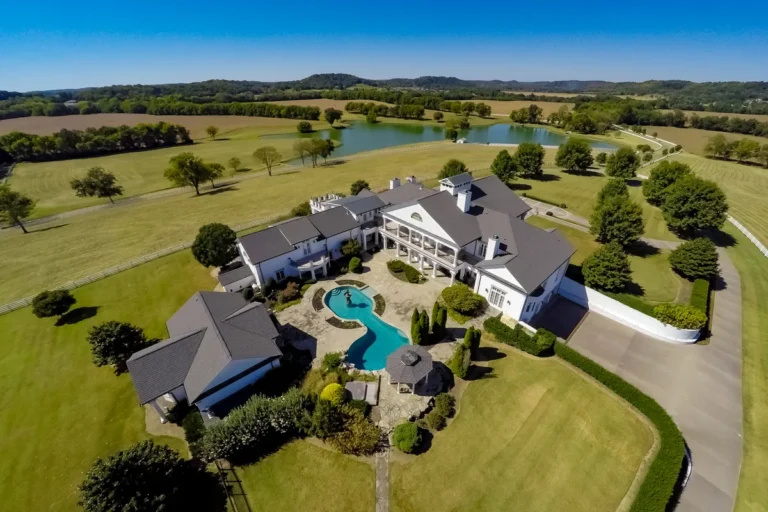
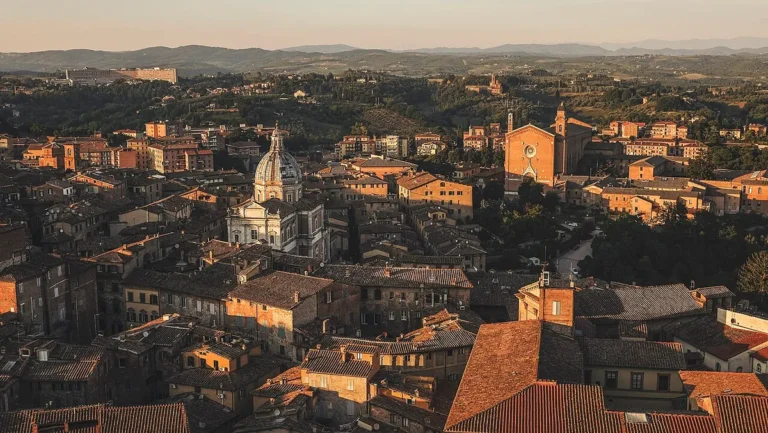
Drone filming, on the other hand, brings a unique, cinematic perspective. It excels at capturing the scale of your venue, the landscape, and the overall atmosphere of the event. Imagine seeing the entire wedding party assembled from above, or a sweeping shot as you walk down the aisle, framed by the natural beauty of your location.
This adds a dramatic flair that ground-based cameras can’t achieve. However, this unique viewpoint comes with its own set of considerations, as we've already discussed with noise and potential distractions.
Pros of Drone Ceremony Footage
- Unique Cinematic Perspective: Drones capture sweeping shots that provide a sense of scale and grandeur, showcasing the entire venue and its surroundings. This offers a dramatic and artistic viewpoint.
- Capturing Wider Scene and Atmosphere: Aerial footage can effectively convey the mood and ambiance of your wedding day, showing guests mingling and the overall layout of the ceremony space. It tells a broader story than ground-level shots alone.
- Adds a Modern, Professional Touch: High-quality drone footage can elevate your wedding film, giving it a contemporary and polished feel that distinguishes it from more traditional approaches.
- Captures Moments You Might Otherwise Miss: Drones can document elements like guest arrivals from a distance or wide shots of the ceremony setup that are impossible to get from a fixed ground position.
Cons of Drone Ceremony Footage
- Legal and Venue Restrictions: As discussed, airspace regulations and venue policies can prevent drone use entirely, making it an unfeasible option.
- Potential for Noise and Distraction: The sound of a drone can be disruptive during quiet, emotional moments of the ceremony, drawing attention away from the couple and the vows.
- Requires a Skilled Operator: An inexperienced pilot can produce shaky, unusable footage or even create safety hazards. Finding a truly professional and discreet drone operator is critical.
- Privacy Concerns: Guests may feel uncomfortable or that their privacy is invaded by a drone filming overhead.
- Cost and Logistics: Hiring a professional drone pilot and ensuring all necessary permissions are in place can add to the overall wedding budget and planning complexity.
Making the Call: Your Wedding Ceremony Drone Decision Guide
Deciding whether to incorporate drone footage into your wedding ceremony filming involves a bit of a checklist, essentially creating your own decision tree. If you've explored the legalities, checked with your venue, and considered the impact on your guests, you're well on your way. Think about what outcome you’re aiming for with your wedding film.
If those epic, sweeping shots are a priority and you have a professional pilot ready, it could be a fantastic addition.
However, if any of the crucial boxes remain unchecked, especially legal permission or venue approval, it’s best to reconsider. The same goes if you're concerned about noise disruption or guest comfort. Sometimes, the most beautiful way to capture a ceremony is with traditional, ground-based videography that focuses intimately on the couple and their immediate reactions, saving the drone for more open spaces like the reception or engagement shoot.
As of 2026, drone regulations continue to evolve, so always check the latest guidelines before booking.
Frequently Asked Questions About Drone Wedding Ceremonies
Can a drone fly indoors during a wedding ceremony?
Generally, no. Most indoor venues lack the space required for safe drone operation, and the signal can be unreliable. The risk of collision with people or structures is too high.
Do I need a permit to fly a drone at my wedding?
Yes, if you are hiring a professional pilot for commercial filming, they will likely need to hold a remote pilot certificate and ensure all flights comply with local aviation regulations, which may involve airspace authorization.
How much does it cost to hire a drone pilot for a wedding ceremony?
Costs vary widely based on location, experience of the pilot, and the duration of filming, but typically range from $500 to $2,000 or more for ceremony coverage.
What happens if the weather is bad on my wedding day?
If the weather is too windy, rainy, or generally unsuitable for safe drone flight, the pilot will likely need to cancel or postpone the aerial filming. It’s wise to have a backup plan or discuss weather-related cancellation policies with your pilot.