What Permits Are Needed for Commercial Drone Videography?
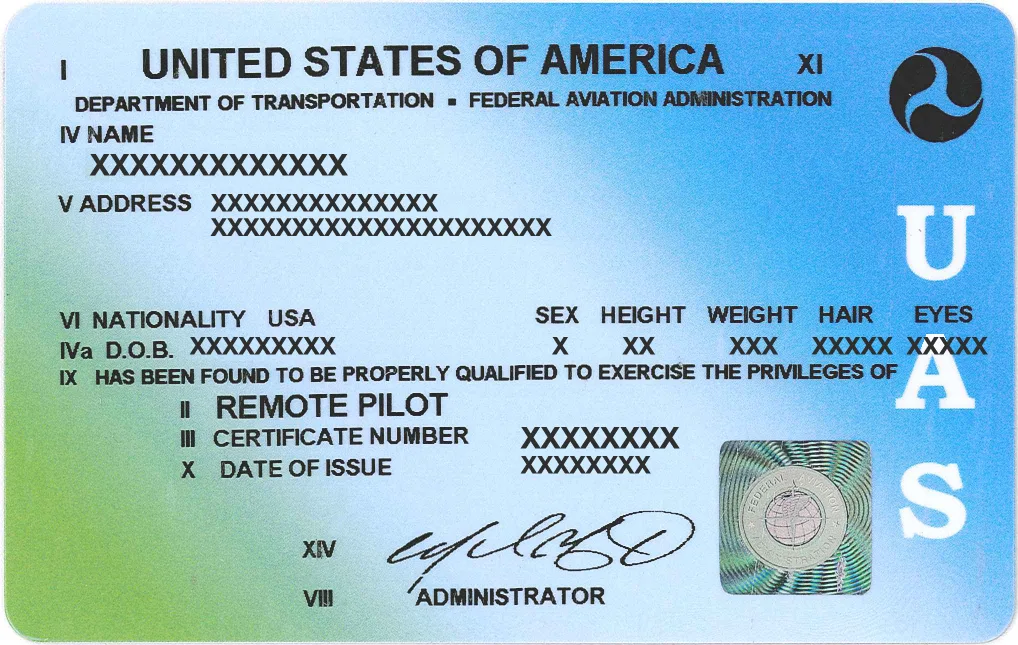
Image source: Bing (Web (fair-use with source credit))
Planning to shoot professional video with a drone? That's a smart move, aerial footage can elevate any project. But before you even think about takeoff, you need to know the rules.
What permits are needed for commercial drone videography isn't a simple yes or no; it depends entirely on where you fly, what you're flying over, and the specific kind of operation you're conducting.
Getting this right upfront saves you headaches, fines, and potential grounding. As of 2026, the Federal Aviation Administration (FAA) has clear guidelines for drone pilots. Understanding these regulations, particularly FAA Part 107, is your first and most crucial step towards legal and safe commercial drone operations.
Quick Answer
Commercial drone videography requires specific permits and authorizations based on flight location and operation type. You'll almost certainly need an FAA Remote Pilot Certificate (Part 107) for any non-hobbyist flight. For certain airspaces, like near airports, you'll need an FAA Airspace Authorization, often obtained through the Low Altitude Authorization and Notification Capability (LAANC) system.
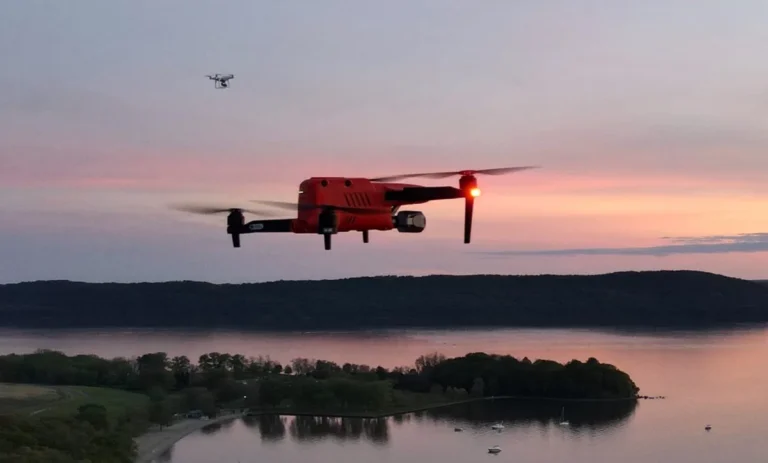
Flying over people or at night may require waivers.
What's Driving Your Drone Flight? Defining Your Operation
When you're thinking about drone videography, the very first thing to nail down is the purpose of your flight. Are you shooting a cinematic piece for a film, capturing sweeping shots for a real estate listing, or documenting a construction project's progress? Each of these scenarios falls under commercial drone operations, and they all have specific regulatory pathways.
When Do You Actually Need a Permit?
The FAA's rules generally kick in whenever you fly a drone for business, compensation, or in furtherance of a business. This covers everything from a freelance photographer selling aerial shots to a company using drones for inspections. If you're getting paid, directly or indirectly, you're operating commercially.
Are You Flying for Fun or for Business?
Hobbyist flights have fewer restrictions, but they can't be used to advance a business interest. If you're flying a drone purely for personal enjoyment and aren't selling photos, videos, or data, you might fall under recreational flyer rules. However, for any work that benefits a company, a client, or yourself financially, commercial regulations apply.
Understanding the FAA's Rules for Commercial Drone Pilots
The Federal Aviation Administration (FAA) is the primary authority governing drone operations in the United States. Their regulations are designed to ensure the safety of the national airspace, which includes manned aircraft, other drones, and people on the ground. Understanding these foundational rules is non-negotiable for anyone flying commercially.
Your Remote Pilot Certificate (Part 107) is Key
For almost all commercial drone videography, you'll need to hold a Remote Pilot Certificate, commonly known as a "Part 107 license." This certificate signifies that you've passed an FAA-administered aeronautical knowledge test. It covers topics like airspace restrictions, weather, drone loading and performance, and operational safety. Without this certification, operating a drone for commercial purposes is illegal.
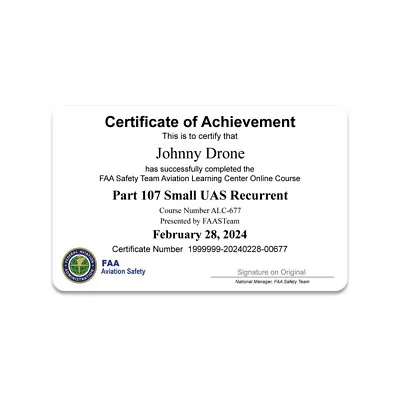
The FAA requires pilots to renew their certification every two years by passing a recurrent online training course.
Airspace Authorizations: Getting the Green Light
Even with your Part 107 certificate, you can't just fly anywhere, anytime. The FAA manages different classes of airspace, and many of them have restrictions for drone operations. You'll need to obtain specific authorization to fly in controlled airspace, which is typically located around airports and major metropolitan areas.
Failure to secure the correct authorization before takeoff can lead to significant penalties.
Specific Permits and Authorizations You Might Need
Beyond the baseline requirement of a Remote Pilot Certificate, your specific flight mission dictates what additional permits or authorizations you’ll need. These are often tied to the location of your flight and the nature of your operations.
Flying in Controlled Airspace: LAANC and Beyond
Controlled airspace is any airspace of defined dimensions within which Air Traffic Control (ATC) services are provided. This often surrounds airports and is designated by classes like B, C, D, and E. If your videography job takes you anywhere near an airport, you're likely entering controlled airspace.
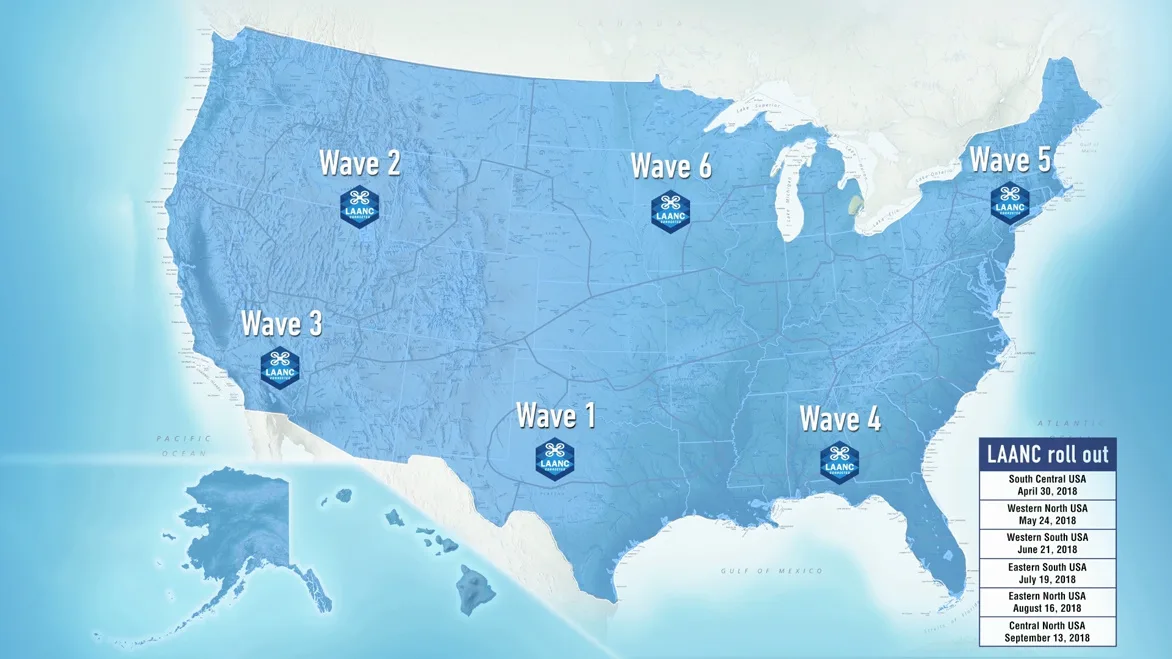
To fly in these areas, you generally need authorization from the FAA. The Low Altitude Authorization and Notification Capability (LAANC) system is the most common way to get this. LAANC is an automated system that allows drone operators to request and receive near real-time airspace authorizations for flying in controlled airspace.
Through approved UAS Service Suppliers (USS), you can submit your flight plan, and if it meets the FAA's parameters, you'll get approval instantly, often up to 400 feet above ground level.
National Parks and Other Restricted Zones
Flying drones is often prohibited or heavily restricted in National Parks, wildlife refuges, and some other federal lands. These areas are managed by agencies like the National Park Service (NPS), which has its own set of rules. Generally, drone use is prohibited in NPS areas to protect wildlife and preserve the natural environment and visitor experience.
If your project requires aerial footage within or near such a location, you'll need to investigate specific permits from the governing agency, though many will deny such requests.
Waivers and Exemptions: When Standard Rules Don't Apply
Sometimes, your commercial drone videography project might require operations that fall outside the standard Part 107 rules. For example, you might need to fly at night, operate beyond visual line of sight (BVLOS), fly over people, or fly multiple drones simultaneously. For these scenarios, you can apply to the FAA for a waiver or exemption.
- Waivers: These allow you to deviate from specific Part 107 rules under certain conditions. For instance, a waiver might allow night operations if you have proper lighting and training.
- Exemptions: These are broader permissions that can allow for operations that are not covered by waivers.
Applying for a waiver or exemption requires a detailed safety case, demonstrating how you will mitigate the risks associated with the non-standard operation. The FAA reviews these applications carefully, and approval is not guaranteed.
Real-World Scenarios: What These Permits Look Like
Understanding the theory behind drone permits is one thing, but seeing how they apply in practice makes it much clearer. Here's how different commercial videography scenarios might play out regarding permit requirements.
Commercial Real Estate Shoots
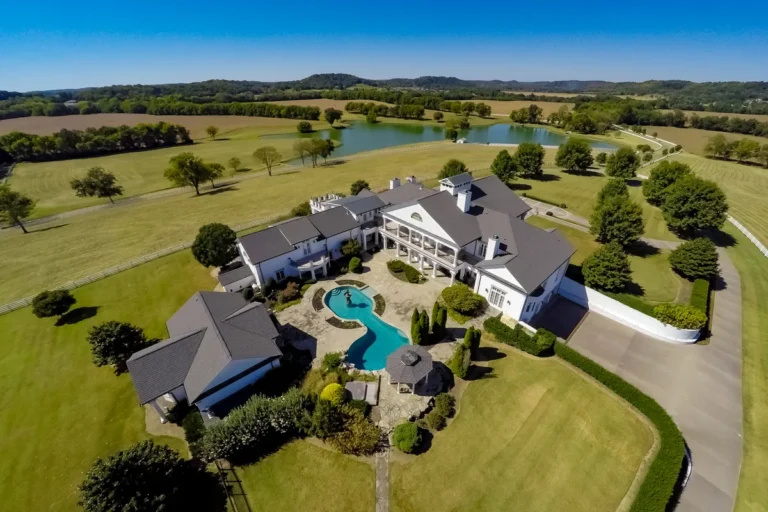
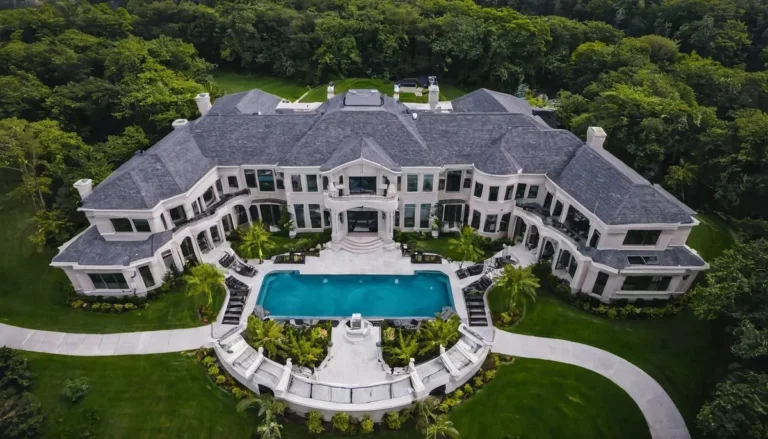
If you're hired to film a property for sale, you'll generally need your FAA Part 107 Remote Pilot Certificate. If the property is near an airport or within controlled airspace (often indicated by proximity to a smaller municipal airport or a larger international one), you'll need to obtain airspace authorization via LAANC. Flying over the property itself, even if it's private land, doesn't typically require an additional permit from the FAA, as long as you adhere to altitude limits and maintain visual line of sight.
However, always confirm any local ordinances, as some cities or counties have their own drone regulations.
Event Videography in Public Spaces
Capturing aerial footage at weddings, festivals, or public sporting events presents more complex permit needs. Beyond your Part 107 certificate, you'll almost certainly need FAA airspace authorization if the event is near any regulated airspace. More critically, flying over crowds or people generally requires a specific FAA waiver.
You may also need permits from local authorities (like city or county governments) and potentially permission from the event organizers themselves. Privacy concerns are also heightened in these scenarios, so be mindful of obtaining consent where necessary.
Construction Site Progress Monitoring
For construction companies tracking project milestones, drones are invaluable. Your Part 107 certificate is mandatory. Depending on the construction site's location, you might need LAANC authorization for controlled airspace.
If the site is near a Temporary Flight Restriction (TFR) zone, like around a wildfire or a VIP event, you'll need to avoid that area entirely or seek specific permission if the TFR allows it. Flying over active work zones or personnel may also necessitate a waiver, depending on the FAA's current guidelines for operations over people.
Common Pitfalls and How to Dodge Them
Navigating the world of drone regulations can get tricky. Even experienced pilots can make mistakes. Being aware of the most common errors is the first step to avoiding them and keeping your operations legal and safe.
Misunderstanding Airspace Classifications
Many pilots assume all airspace is the same or simply don't know how to check. Flying into controlled airspace without authorization is a frequent violation. Always use FAA-approved tools like B4UFLY or Aloft to check airspace before every flight.
Remember that airspace rules can change rapidly due to TFRs.
Forgetting Remote ID Requirements
As of early 2026, most drones operating commercially must broadcast Remote ID information. This is like a digital license plate for drones, allowing authorities to identify them in flight. Not equipping your drone or operating one that doesn't comply with Remote ID rules can lead to grounding and penalties.
Ensure your drone is compliant or that you're operating under a valid exemption.
Operating Without Proper Authorization
This is the big one. Believing you don't need authorization for a specific flight, or simply choosing to ignore the requirement, can result in hefty fines and the suspension of your pilot certificate. Always double-check your flight plan against FAA requirements and secure any necessary permits or waivers before you launch.
It’s better to be over-prepared than to face regulatory action.
Costs / Pricing / Data / Specs
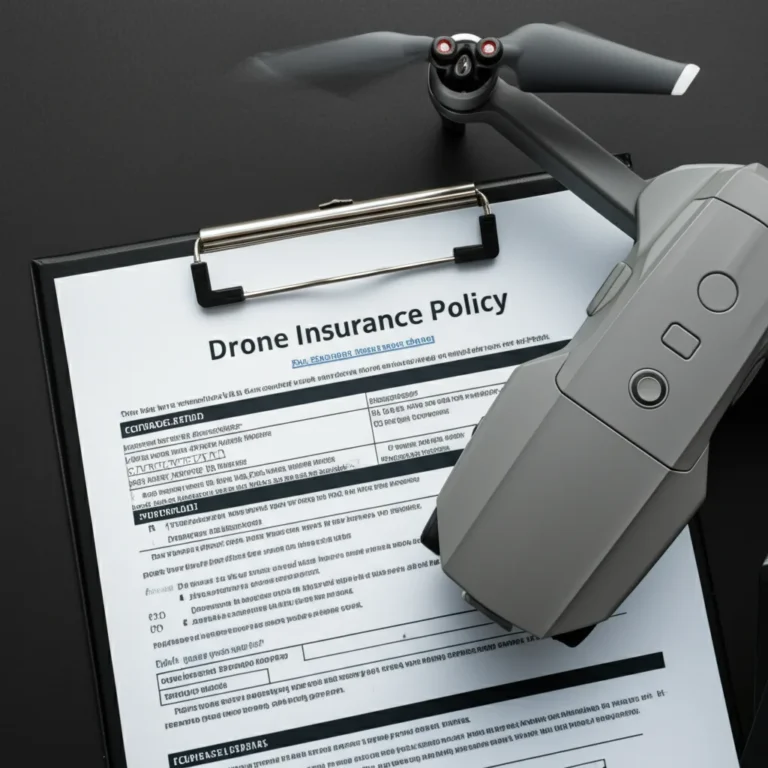
While permits themselves might be free or have nominal fees, the overall cost of commercial drone videography includes more than just paperwork. Your Remote Pilot Certificate requires an initial testing fee, typically around $175, and recurrent training costs about $150 every two years. Beyond certification, drone insurance is a critical investment, often ranging from $500 to $1,500 annually for basic liability coverage, depending on your flight hours and equipment value.
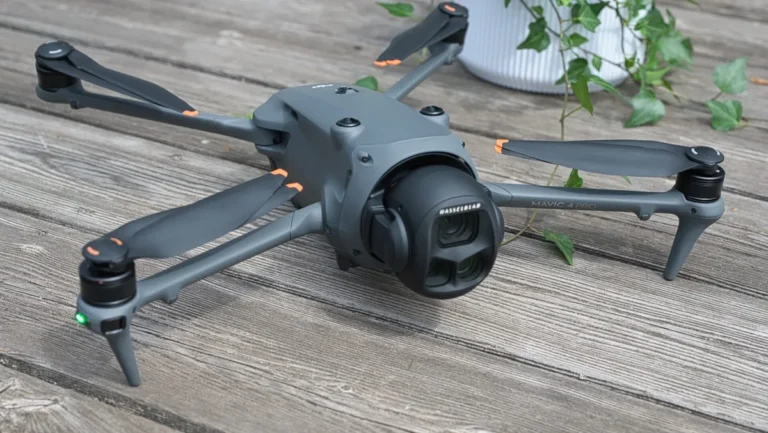
The drone itself is a significant expense. Professional-grade drones suitable for high-quality videography, like those from DJI's Inspire or Mavic Pro series, can cost anywhere from $1,000 to over $5,000. Add to that lenses, batteries, memory cards, and editing software, and you're looking at a substantial initial outlay.
Remember to factor in potential costs for specialized waivers, which can involve application fees and the time investment required to prepare a safety case.
Expert Tips / Pro Advice
To truly excel in commercial drone videography, beyond just understanding permits, focus on continuous learning and meticulous planning. Always aim to exceed regulatory minimums; instead of just staying within visual line of sight, practice scanning your entire operational area constantly. If your project involves flying near sensitive areas like national parks or critical infrastructure, start your permit and authorization process months in advance, as approvals can take significant time.
Leverage technology wisely. Use reliable airspace analysis tools like Aloft or DroneDeploy before every flight. Familiarize yourself with your drone's geofencing capabilities and pre-programmed safety features.
Finally, build strong relationships with local aviation authorities and other drone operators; networking can provide valuable insights into evolving regulations and best practices in your specific operating region.
Safety / Legal / Compliance / Warnings
This is where we underscore the non-negotiables. Operating a drone commercially without adherence to FAA regulations is not just risky; it can lead to life-altering consequences. Fines for Part 107 violations can range from hundreds to thousands of dollars per incident.
Repeated or serious violations can lead to the suspension or permanent revocation of your Remote Pilot Certificate, effectively ending your career in drone operations.
Beyond FAA rules, be aware of state and local laws. Some municipalities have their own ordinances regarding drone operation, especially concerning privacy or noise. Always ensure your drone is equipped with Remote ID capabilities if required for your operation.
Consider comprehensive drone liability insurance; it’s a vital safety net that protects you financially in case of accidents, property damage, or injury. Never fly under the influence of alcohol or drugs; this is strictly prohibited and incredibly dangerous.
Your Decision Guide: Which Permits Do You Need?
Figuring out exactly which permits you need for commercial drone videography can feel like a puzzle. But once you break it down, it's manageable. The key is to systematically assess your planned operation based on a few critical factors.
Think of this as your personal workflow to ensure you’re compliant.
Quick Assessment: Location, Altitude, and Operation
Your first step is always to define your flight parameters. Ask yourself:
- Where will I be flying? Is it near an airport, over private land, within a city, or in a remote area? Use FAA-approved apps to check airspace classifications.
- What is my maximum altitude? Standard Part 107 allows flight up to 400 feet above ground level (AGL). Higher altitudes might require specific authorization.
- What am I flying over? Are there people, vehicles, or moving objects below? Are you over private property or public land? This significantly impacts your needs.
- What is the purpose? Commercial videography for real estate, film, events, or inspections all have specific considerations.
If you're flying in uncontrolled airspace, below 400 feet AGL, maintaining visual line of sight, and not directly over people or moving vehicles, your Part 107 certificate is likely all you need. If any of those conditions change, you'll need to look into additional authorizations or waivers.
Final Checklist Before You Fly
Before you power up your drone for a commercial gig, run through this quick checklist:
- Remote Pilot Certificate: Is your Part 107 valid and current?
- Airspace Authorization: Have you checked the airspace and obtained LAANC or other required authorization if flying in controlled areas?
- TFRs: Have you checked for any Temporary Flight Restrictions in your operational area?
- Local Ordinances: Are there any city, county, or state laws you need to comply with?
- Waivers/Exemptions: Do you need to fly at night, over people, or BVLOS? If so, have you secured the necessary FAA waivers?
- Drone Compliance: Does your drone meet Remote ID requirements?
- Insurance: Is your drone liability insurance up to date? (While not a permit, it's crucial for commercial operations.)
Frequently Asked Questions About Drone Permits
Do I need a drone license for commercial video?
Yes, for commercial drone videography, you are required to obtain an FAA Remote Pilot Certificate under Part 107. This license shows you've passed the FAA's knowledge test and are authorized to operate drones for business purposes.
Can I fly a drone over private property without permission?
While the FAA governs airspace, flying over private property without permission can lead to trespassing issues or civil liability from the landowner. It's always best practice to get explicit permission from the property owner, even if the FAA doesn't require a specific permit for that action.
What happens if I fly a drone illegally?
Operating a drone commercially without the required permits, authorizations, or pilot certification can result in severe penalties. These can include substantial fines, suspension or revocation of your pilot certificate, and even criminal charges in some cases. The FAA takes airspace safety very seriously.
Is LAANC a permit or an authorization?
LAANC (Low Altitude Authorization and Notification Capability) provides an automated system for obtaining FAA authorization to fly in controlled airspace. It’s not a formal "permit" in the same way a waiver might be, but it is a required authorization for most flights in controlled zones below 400 feet.
Do I need a permit to fly a drone in a National Park?
Generally, no. Most National Parks prohibit drone operations to protect wildlife and preserve the natural environment. Flying in a National Park typically requires a special permit that is rarely granted for commercial videography purposes.
You would need to contact the specific park’s administration for their policy.