What Is the Best Time for Wedding Drone Footage?
So, you're thinking about adding some awesome drone footage to your wedding video. That's a fantastic idea! Having those sweeping aerial shots can really elevate your memories, making your wedding film feel epic and cinematic.
But, like anything worthwhile, timing is key. You don't just want footage; you want stunning footage that captures the magic.
The truth is, there isn't one single "best" time that fits every wedding. It's more about figuring out what works best for your day, your venue, and the look you're going for. Think of it like planning the perfect photo op, you need to consider the light, the backdrop, and the vibe.
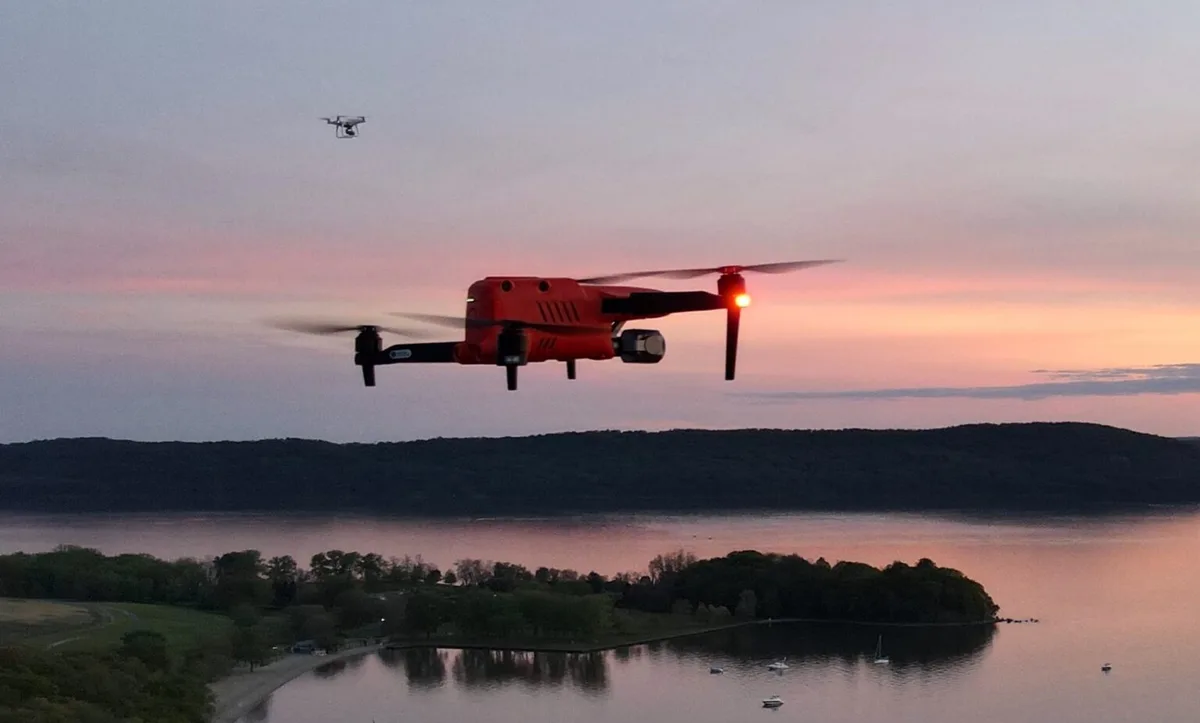
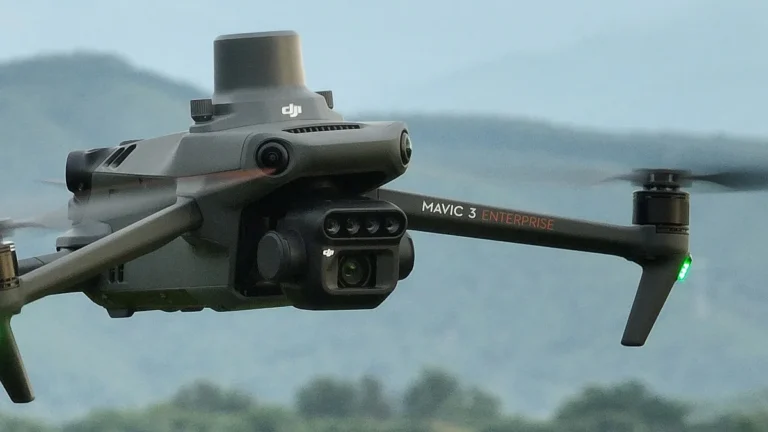
Image source: Bing (Web (fair-use with source credit))
Quick Answer
The best time for wedding drone footage is generally during the "golden hours", the hour after sunrise and the hour before sunset. This provides soft, warm light and minimizes harsh shadows, creating romantic and cinematic visuals. Sunset itself also offers dramatic skies, while nighttime can highlight venue lighting.
The Golden Hours vs. Midday: Light's Impact on Drone Footage
When it comes to capturing stunning aerial shots, the sun's position is your most important factor. The light changes dramatically throughout the day, and this directly affects the mood, clarity, and overall aesthetic of your wedding drone footage. Understanding these shifts is key to getting that magical shot.
Understanding the Sun's Role
The sun's angle and intensity dictate how light interacts with your venue and your guests. Direct, high sunlight can create harsh contrasts and deep shadows, which often isn't the most flattering look for a wedding. Drone cameras, like our eyes, perform best when the light is forgiving and adds to the scene, rather than fighting against it.
Why Midday Light Can Be Tricky
While midday offers bright, clear light, it’s often too harsh for beautiful drone videography. The sun is directly overhead, leading to strong, defined shadows that can obscure details and make the footage look stark. If your venue has beautiful architecture or intricate landscaping, these details can be lost in the glare or overshadowed.
For example, manufacturer specifications for many consumer drones indicate optimal performance in diffused or softer lighting conditions, not direct, intense sunlight.
The Magic of Golden Hour: Morning & Late Afternoon
This is where the real magic happens for drone footage. The hour after sunrise and the hour before sunset are known as the "golden hours." During this time, the sun is low on the horizon, casting a soft, warm, golden light.
- Romantic Glow: This light is incredibly flattering, bathing your venue and any subjects in a gentle, ethereal glow.
- Reduced Shadows: Shadows are longer and softer, blending more naturally into the scene rather than creating distracting dark patches.
- Cinematic Feel: The warm tones and subtle lighting contribute to a more romantic and cinematic feel, which is often the goal for wedding films.
If you're aiming for those sweeping shots of your venue as the day begins, or capturing guests mingling during a late afternoon cocktail hour with a beautiful, soft backdrop, the golden hours are your prime time.
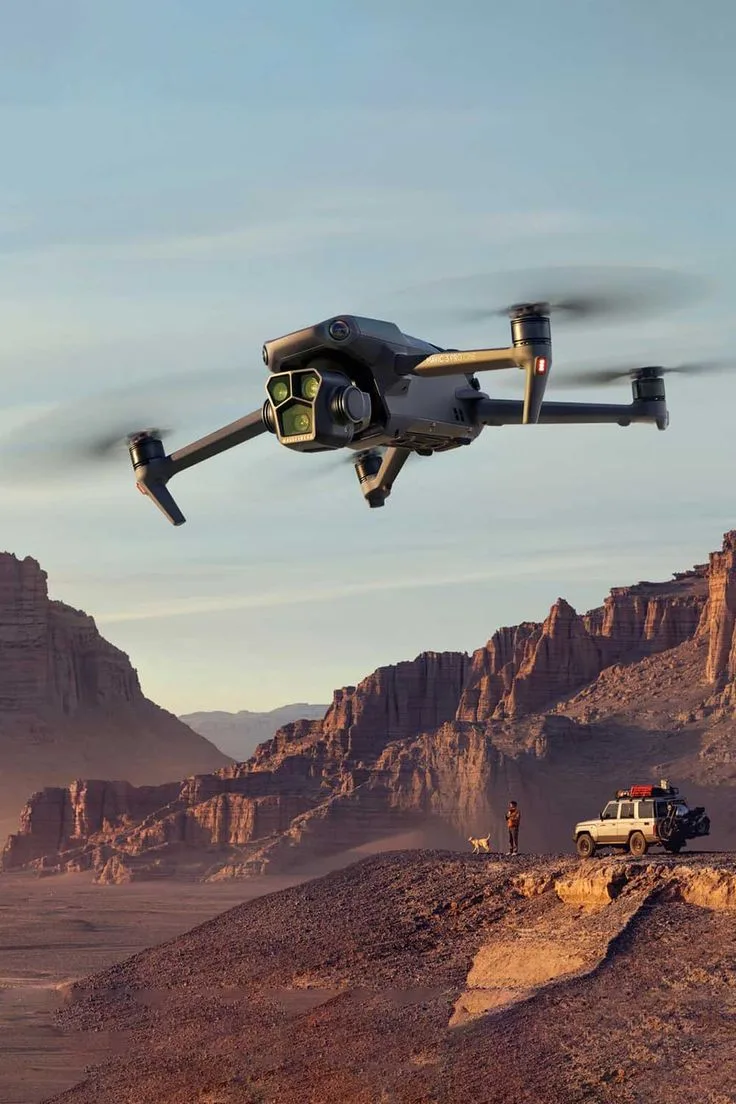
Image source: Bing (Web (fair-use with source credit))
Beyond Daylight: Sunset and Nighttime Drone Possibilities
While daylight hours offer great opportunities, the transition into sunset and the quiet of night can unlock some truly spectacular and unique drone footage for your wedding. These times bring a different kind of beauty and drama to your aerial shots.
Sunset's Dramatic Flair
Sunset is a natural showstopper, and it can be for your wedding drone footage too. As the sun dips below the horizon, the sky can explode with vibrant colors, oranges, pinks, purples, and reds. Capturing your venue, or even a romantic shot of you and your partner, against this painted sky is incredibly dramatic and memorable.
- Vibrant Skies: The colors provide a stunning, dynamic backdrop that ground-level shots might not fully capture.
- Romantic Ambiance: The fading light and warm hues create an inherently romantic and intimate atmosphere.
- Limited Window: It's important to remember that the most intense colors are often fleeting. Your drone pilot will need to be ready to capture the peak moments efficiently.
This time is often perfect for capturing the energy of a cocktail hour or a beautiful send-off from a unique vantage point.
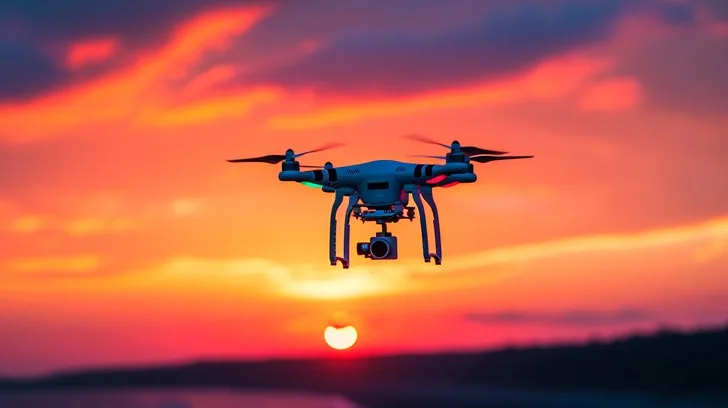
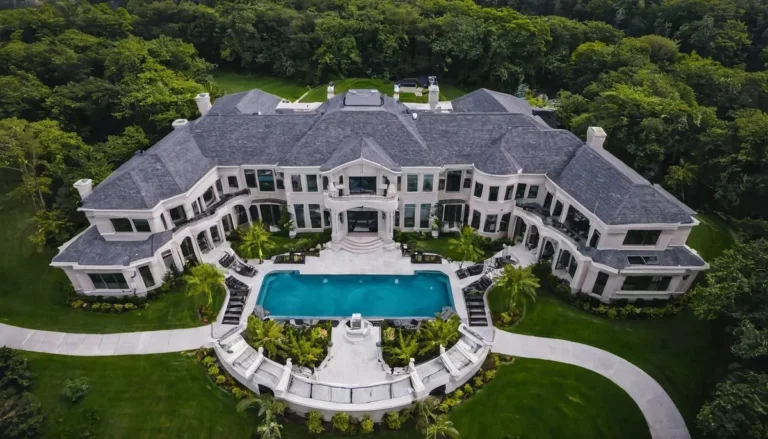
Image source: Bing (Web (fair-use with source credit))
The Allure of After-Dark Aerials
For a truly unique and sophisticated look, consider drone footage after dark. This isn't just about capturing the absence of light; it's about capturing the presence of artificial light in stunning ways. Imagine your venue, aglow with fairy lights, string lights, or architectural illumination, viewed from above.
- Illuminated Venue: Shows off the venue's beauty when it's dressed up for the evening.
- Magical Sparkle: Twinkling lights create a festive, almost fairytale-like atmosphere.
- Requires Expertise: Night flying demands a highly skilled drone pilot and often specialized equipment. Visibility can be a challenge, so planning is crucial.
Nighttime drone shots are particularly effective if you have a planned firework display or a beautifully lit reception space.
Venue and Season: How Your Location Shapes Timing
The "best" time for drone footage isn't just about the sun; it’s deeply intertwined with where you're getting married and what time of year it is. Your venue’s characteristics and the seasonal light will significantly influence the optimal timing for those breathtaking aerial shots.
Venue-Specific Lighting
Every venue has its own unique lighting personality. An open field surrounded by trees will have very different light than a historic stone building in a city square.
- Open Spaces: Venues with expansive grounds, like farms or vineyards, often benefit from the soft, even light of the golden hours to showcase their breadth. Midday might be used to highlight the vastness, but shadows can be a concern.
- Architectural Focus: For venues with significant architecture, midday sun can sometimes highlight details, but it can also create harsh contrasts. Golden hour light will wrap around the building, softening its features and adding warmth.
- Forests/Canyons: These areas present challenges with deep shadows. Drones might capture interesting light filtering through trees, but generally, open areas around them during golden hours will yield the most pleasing results.
Understanding how the sun hits your specific location at different times is vital.
Seasonal Differences for Drone Shoots
The time of year plays a massive role, primarily because it changes the length of daylight and the angle of the sun.
- Summer: Offers the longest daylight hours, giving you a wider window for golden hour shots. However, midday can be intensely bright and hot, potentially affecting drone performance and battery life.
- Fall: Beautiful foliage can add incredible color to your aerial shots, especially when illuminated by golden hour light. The sun is lower for much of the season, creating great opportunities.
- Winter: Days are shortest, making it critical to schedule drone flights within the limited daylight, focusing on the midday or late afternoon golden hour.
- Spring: Offers blooming scenery that can look magical in soft light. Daylight hours increase, offering good flexibility.
As of 2026, weather patterns can be unpredictable across all seasons, making flexibility and backup plans essential.
Crafting Your Drone Footage Workflow: Key Moments
To maximize your wedding drone footage, it's best to think about specific moments and how aerial shots can enhance them. This isn't just about flying a drone randomly; it's about integrating these shots intentionally into your wedding day narrative.
Pre-Ceremony Venue Showcase
Before guests arrive, or as they are arriving, is a fantastic time for sweeping shots of your venue. This establishes the setting and gives viewers a grand sense of place.
- What it captures: The entire property, the surrounding landscape, and the architectural beauty of your chosen location.
- Best timing: Mid-morning, after the venue is prepped, or during the early stages of guest arrival. This utilizes the clearer light before the harshest midday sun.
Ceremony Overhead Shots
For a truly unique perspective on your vows, consider overhead shots during the ceremony. These can be incredibly powerful, showing the scale of your gathering and the beauty of your ceremony setup.
- What it captures: The procession, the wedding party, you and your partner at the altar, and the assembled guests.
- Best timing: This requires careful coordination. Late afternoon golden hour often provides the best light, ensuring guests aren't squinting and the overall mood is romantic. Pilots must be aware of aviation regulations regarding flying over people.
Reception & Celebration Aerials
The reception offers a vibrant backdrop for drone footage, especially as evening sets in. Capturing the energy of your guests and the atmosphere of the celebration from above adds a dynamic element.
- What it captures: Guests mingling, dancing, toasts, and the general celebratory buzz.
- Best timing: Late afternoon into sunset is ideal for capturing the transitioning light. If your venue has beautiful evening lighting, after dark shots can be stunning.
Specific Shot Ideas (e.g., Couple Portraits, Grand Exits)
Drone footage isn't just for establishing shots; it can also be used for intimate, unique portraits and dramatic farewells.
- Couple Portraits: Imagine you and your partner silhouetted against a sunset, or standing on a vast landscape captured by drone. Golden hour and sunset are perfect for this.
- Grand Exits: Whether it's a sparkler send-off or a getaway car, drone footage can add an epic scale to your departure. This works well in twilight or with venue lights on.
Common Drone Footage Mistakes and How to Avoid Them
Even with the perfect timing, a few common pitfalls can turn your dream drone shots into a disappointment. Being aware of these potential issues can help you and your pilot navigate them successfully for the best possible outcome.
Overlooking Weather Factors
Weather is the most unpredictable element for drone operations. High winds, heavy rain, or even dense fog can make flying impossible or unsafe. For instance, according to many drone manufacturer specifications, sustained winds above 20 mph can make flight unstable.
- The Mistake: Not having a backup plan or not monitoring weather forecasts closely.
- How to Avoid: Your drone pilot should constantly monitor forecasts. Have a flexible schedule for drone shots, or discuss alternative indoor or covered locations for certain shots if weather turns.
Rushing the Schedule
Trying to squeeze in drone shots during already tight transition periods can lead to rushed, uninspired footage.
- The Mistake: Cramming drone time into busy parts of the day without adequate buffer.
- How to Avoid: Allocate specific, dedicated time slots for drone flying. Communicate clearly with your photographer and videographer so everyone is on the same page.
Ignoring Venue Restrictions
Some venues have specific rules about drone usage, including no-fly zones, time restrictions, or even outright bans due to noise or safety concerns.
- The Mistake: Assuming drone use is allowed without checking with the venue.
- How to Avoid: Always confirm drone policies with your venue management well in advance. Ensure your pilot is aware of any site-specific regulations.
Poor Pilot Communication
A disconnect between your vision and the pilot's execution can lead to footage that doesn't match your expectations.
- The Mistake: Not clearly communicating your desired shots, mood, and timing.
- How to Avoid: Have a detailed pre-wedding consultation with your drone pilot. Share inspiration images and discuss specific shots you envision. Ensure they understand the overall theme and feel of your wedding video.
Expert Advice for Perfect Drone Timing
Getting the best drone footage isn't just about pointing a camera at the sky; it's a strategic process that involves expertise, planning, and clear communication. By following some key advice from experienced professionals, you can ensure your aerial shots are as spectacular as you've imagined.
Consulting Your Drone Pilot
Your drone pilot is your most valuable resource for timing. They understand the technical capabilities of their equipment, the nuances of light, and the regulations surrounding drone flight.
- Discuss Vision: Share your wedding aesthetic, desired mood, and specific shots you’re hoping for. Show them examples of drone footage you love.
- Venue Insights: Pilots often have experience with various venues and can offer insights into the best times and angles for your specific location.
- Technical Needs: They can advise on camera settings, optimal flight paths, and any equipment needs for different lighting conditions.
Pre-Wedding Site Visits
If possible, a pre-wedding site visit with your drone pilot can be incredibly beneficial. This allows them to scout the location firsthand.
- Light Assessment: They can observe how light falls on the venue at different times of day.
- Obstacle Identification: Identifying trees, power lines, or other potential flight hazards is crucial for safety and shot planning.
- Logistical Planning: This visit helps finalize flight zones and identify ideal takeoff and landing spots.
Weather Monitoring Strategy
Given how critical weather is, having a proactive monitoring strategy is essential.
- Real-time Tracking: Your pilot will use weather apps and potentially specialized forecasting tools to track conditions leading up to and on the wedding day.
- Flexibility is Key: Be prepared to adjust the drone flight schedule. If a storm rolls in, it’s better to capture footage at a different, safer time than to risk damage or poor quality.
- Backup Plans: Discuss with your pilot what happens if weather prevents drone use entirely. Are there any indoor or alternative shots they can capture?
Frequently Asked Questions About Wedding Drone Timing
### When is the absolute best time for outdoor wedding drone shots?
The ideal time is during the "golden hours," which are the hour after sunrise and the hour before sunset. This period offers soft, warm, and diffused light that minimizes harsh shadows and creates a romantic, cinematic look for your footage.
### Can drone footage be captured in bad weather?
Generally, no. Drone operations are heavily reliant on good weather. High winds, rain, fog, or extreme temperatures can make flying unsafe and result in unusable footage.
Always have a flexible plan.
### How much time should I allocate for drone footage on my wedding day?
This varies, but typically allocate at least 30-60 minutes of dedicated flight time, plus buffer for setup and potential weather delays. Key moments like pre-ceremony venue shots or sunset sequences require specific timing.
### Is it safe to fly a drone over guests?
Safety and regulations are paramount. Flying drones over people is often restricted by aviation authorities, such as the FAA in the United States. Your pilot must adhere to all airspace regulations, which may limit or prohibit such shots.
### How does the season impact the best time for drone footage?
Seasons affect daylight hours and sun angles. Summer offers more daylight flexibility for golden hours, while winter has shorter days requiring precise timing. Fall foliage or spring blooms can also influence when aerial shots look their best, especially during golden hour.
### Can I get drone footage at night?
Yes, nighttime drone footage can be spectacular, especially for capturing illuminated venues or fireworks. However, it requires a highly skilled pilot, specialized equipment, and adherence to night flight regulations. It's a unique look but demands more planning.
Final Recommendation: Timing Your Wedding Drone Shots
Ultimately, the "best" time for wedding drone footage is a decision that blends your personal vision with practical considerations. It’s not a one-size-fits-all answer, but rather a carefully chosen window that maximizes both beauty and opportunity.
Your primary goal should be to leverage the most flattering light and atmospheric conditions for your specific venue and desired wedding aesthetic. This often points towards the magical golden hours, early morning or late afternoon, for their soft, romantic glow and minimizing of harsh shadows. However, don't discount the dramatic flair of sunset for breathtaking backdrops or the unique allure of nighttime shots if your venue is beautifully illuminated.
Always prioritize open communication with your drone pilot. They are the experts who can translate your vision into stunning aerial reality, advising on the feasibility of specific times based on lighting, weather, venue restrictions, and aviation regulations. A well-timed drone shot, planned with care and executed by a skilled professional, will undoubtedly elevate your wedding memories into a truly cinematic experience.