What Is Included in Real Estate Drone Videography?
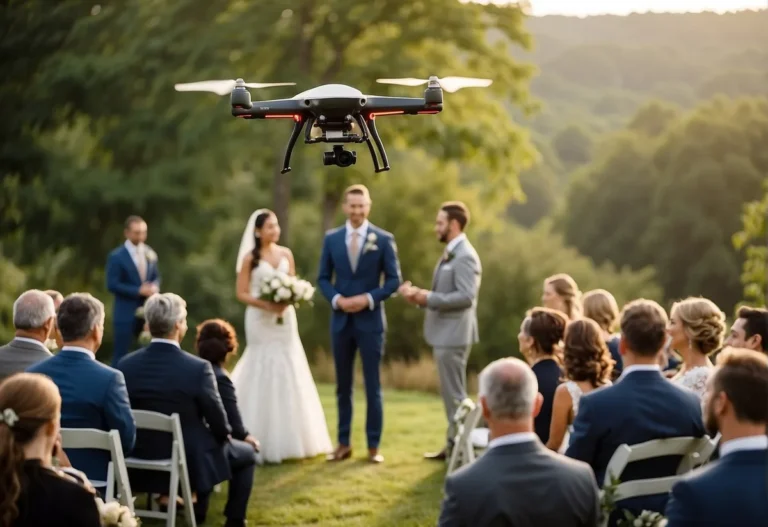
Ever scrolled through real estate listings and seen those stunning aerial shots that just make a property pop? You know, the ones that show off the whole neighborhood, the beautiful landscaping, or the sheer size of the backyard? That's the magic of real estate drone videography, and it's become a must-have for serious sellers and agents.
But what does "drone videography" actually include? Let's break it down.
It's not just flying a drone around; it's a professional service designed to create a compelling visual tour that highlights a property's best features and attracts potential buyers. In our research, we found that a standard real estate drone video package often includes high-resolution aerial footage, professional editing, and music, typically delivered within 3-7 days of the shoot.
Quick Answer
Real estate drone videography includes professional aerial video footage, stabilized ground shots, and expert editing. You'll get establishing aerial views, orbiting shots around the property, and contextual views of the surroundings. The final product is a polished video with music and text overlays, designed to showcase a property's appeal.
This service is crucial for making listings stand out in a competitive market.
The Big Picture: Why Aerial Video Is a Game-Changer for Listings
The way we shop for homes has changed drastically. Static photos can only show so much, and a traditional walkthrough video often misses the scope and context of a property. That’s where drone videography steps in.
It offers a unique perspective that can make a listing unforgettable.
Think about it: buyers want to see not just the house itself, but also its relationship to the neighborhood, the size of the yard, and any nearby amenities. Drone footage provides this crucial context in a dynamic, visually engaging way. It’s about selling a lifestyle, not just bricks and mortar, and aerial views are key to painting that bigger picture.
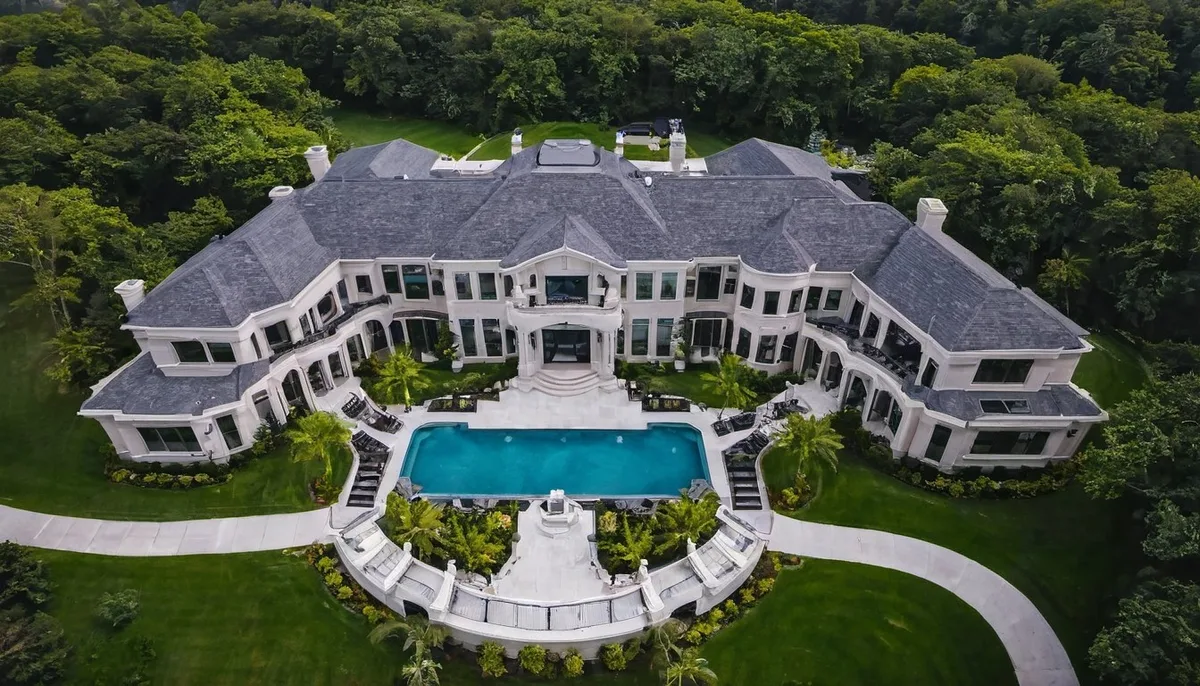
Image source: Bing (Web (fair-use with source credit))
Showing Off the Scale: Key Aerial Shots You'll See
The most iconic part of real estate drone videography is, of course, the aerial perspective. When you see a listing with incredible drone footage, you're usually looking at a combination of carefully planned shots designed to impress. These aren't random fly-bys; they're strategic angles meant to highlight what makes a property special.
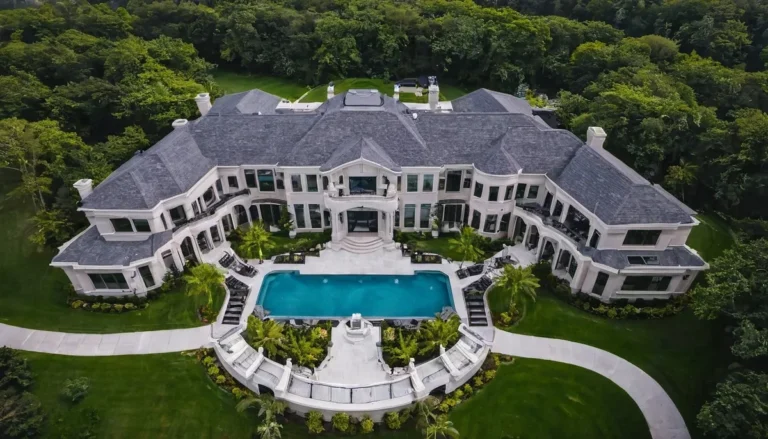
- Establishing Shots: These are typically high-altitude views that show the entire property, including the house, the full extent of the lot, and how it sits within its surrounding environment. They’re like the opening scene in a movie, setting the stage and giving the viewer an immediate sense of scale and location.
- Contextual Views: Beyond just the property line, drone pilots capture shots that showcase the neighborhood. This might include proximity to parks, bodies of water, schools, shopping centers, or major transit routes. These shots help buyers understand the lifestyle associated with the area.
- Property Boundary Lines: Sometimes, the drone will fly along the defined property lines. This visually confirms the exact size of the land and can be particularly important for larger lots or properties with acreage. It gives potential buyers a clear understanding of what they’re getting.
Beyond the Birds-Eye: Mid-Level and Stabilized Ground Shots
While the aerial perspective is the headliner, professional real estate drone videography often includes more than just high-altitude footage. To create a truly comprehensive visual story, videographers incorporate mid-level shots and sometimes even smooth, stabilized ground-level footage. These elements add depth and variety to the video, offering different perspectives of the property.
- Orbiting the Property: One of the most dynamic shots involves the drone circling the house at a mid-level altitude. This creates a smooth, 360-degree view, allowing viewers to see the entire exterior, the roofline, and how the house is positioned on its foundation from all angles. It provides a tangible sense of the home’s presence.
- Highlighting Specific Features: The drone can also be used to focus on individual amenities. Imagine a shot smoothly gliding around a sparkling swimming pool, showcasing a spacious patio, or revealing a detached garage and its relation to the main house. These shots draw attention to key selling points that might be overlooked from a static photo.
- Stabilized Ground Shots: Though the service is "drone" videography, many professionals understand the need for ground-level perspective. They might include buttery-smooth tracking shots walking up to the front entrance, panning across a lush backyard, or focusing on curb appeal from street level. These shots are often captured with stabilized cameras or gimbals, ensuring they match the fluid quality of the aerial footage.
The Magic Behind the Screen: What Goes Into Professional Editing
Raw drone footage, no matter how stunning, doesn't automatically become a captivating marketing video. The real artistry, and what you're paying for, lies in the professional editing process. This is where the collected shots are transformed into a polished, cohesive narrative that flows seamlessly and highlights the property's best attributes.
A skilled editor takes the hours of captured footage and crafts it into a concise, impactful video, often between 1 to 3 minutes long. This typically involves several key steps:
- Selecting the Best Takes: Sifting through all the captured video to pick out the most visually appealing and informative clips.
- Color Correction and Grading: Adjusting colors, contrast, and brightness to ensure the footage looks vibrant and appealing, making the property look its absolute best under any lighting conditions.
- Stabilization and Smooth Transitions: Ensuring every shot is incredibly smooth and that transitions between different clips are seamless, preventing any jarring changes for the viewer.
- Adding Music and Sound: Selecting background music that complements the property’s style and atmosphere. This helps set the mood and keep the viewer engaged.
- Incorporating Graphics and Text: Overlaying essential information like the property address, key features (e.g., "5 Bedrooms," "Ocean View"), and agent contact details. This provides crucial context directly within the video.
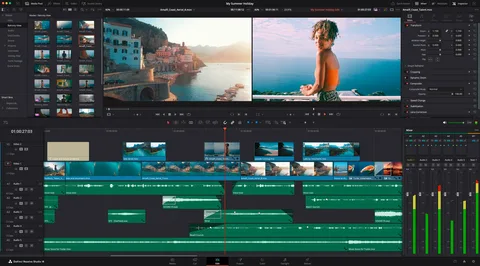
Image source: Bing (Web (fair-use with source credit))
Features That Make a Difference: What Buyers Love to See
When you're looking at what's included in real estate drone videography, think about what truly catches a buyer's eye and helps them envision themselves in the space. It's not just about having cool drone shots; it's about using those shots strategically to showcase the property's unique selling propositions. The best drone videos go beyond basic coverage to highlight aspects that static photos or ground-level videos can't easily convey.
Here are some specific features and shots that consistently resonate with potential buyers:
- Showcasing Landscaping and Outdoor Living: Aerial views are fantastic for revealing the full scope of a property's grounds. This includes manicured gardens, expansive lawns, mature trees, and outdoor entertainment areas like patios, decks, or outdoor kitchens. A drone can easily capture how these elements are integrated into the overall property.
- Highlighting Architectural Details from Above: While interiors are for ground video, drones can capture the roofline, the way different sections of the house connect, or unique architectural elements from a flattering angle. This gives a better appreciation for the home's design and construction.
- Revealing Proximity to Amenities and Views: This is a huge plus. A drone can easily fly towards a nearby park, a beautiful coastline, a vibrant downtown area, or demonstrate the quality of a view (like a mountain range or city skyline) that the property offers. This directly sells the lifestyle and convenience.
- Demonstrating the Lot Size and Usability: For properties with large lots, a drone can visually communicate the sheer space available. It can also show how usable that space is, for instance, if there's plenty of room for a pool, a garden, or for children to play safely away from the street.
- Creating a Smooth, Professional Flow: The editing itself is a feature. A video that flows well, with consistent pacing, pleasing music, and clear graphics, feels professional and high-quality. This impression translates back to the perceived value of the property. For example, a video edited to a 30 frames per second (fps) standard offers a fluid, cinematic look that buyers appreciate. As of 2026, 4K resolution has become a standard expectation for high-quality real estate marketing videos.