How Do You Become a Professional Drone Videographer?
So, you're wondering how do you become a professional drone videographer? It's an exciting path, blending technical skill with creative vision, and it's more accessible now than ever. Imagine capturing stunning aerial views that elevate any project, from real estate listings to feature films.
This guide breaks down the journey into clear, actionable steps.
You’ll learn what it takes to go from a hobbyist to a sought-after professional. This includes understanding the necessary certifications, choosing the right gear, and mastering the art of aerial cinematography. As of 2026, the industry continues to grow, with professionals often needing to secure certifications like the FAA Part 107 Remote Pilot Certificate to operate commercially in the United States.
Quick Answer
To become a professional drone videographer, obtain the required pilot certification, invest in quality drone equipment, master aerial cinematography skills, and build a strong portfolio. Understanding airspace regulations and focusing on a specific niche like real estate or film production are crucial. Networking and business development are also key to securing paid work.
The Big Picture: Why Drone Videography?
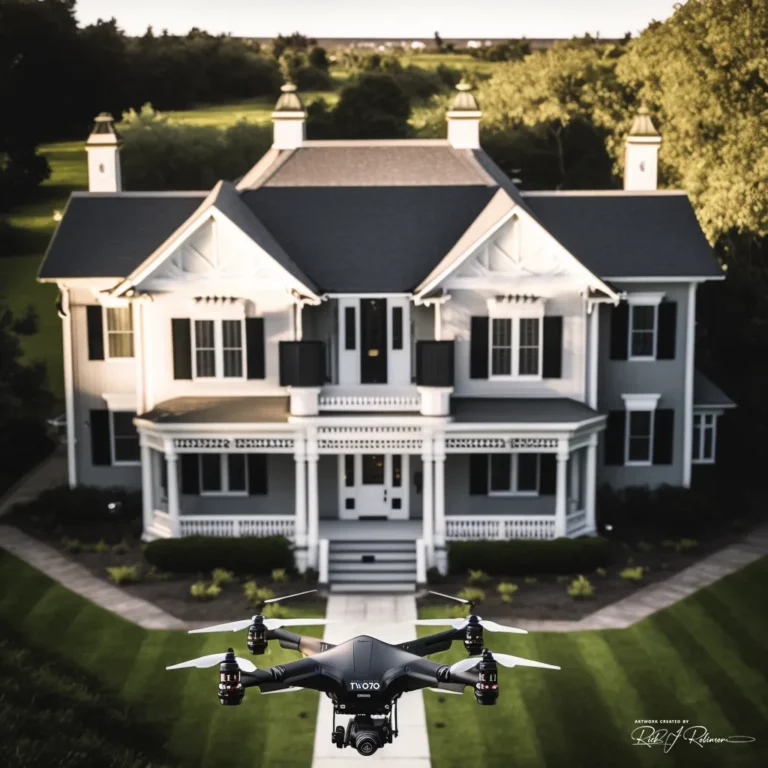
Drone videography isn't just a trend; it's a transformative tool for visual storytelling across countless industries. It offers perspectives that were once incredibly expensive or even impossible to achieve, like sweeping panoramic shots of landscapes, dynamic chase sequences in action films, or detailed aerial surveys of construction sites. The ability to capture footage from unique vantage points adds a dramatic, professional polish that ground-based cameras simply can't replicate.
This distinct advantage is why businesses and creatives are increasingly turning to aerial cinematography to make their projects stand out.
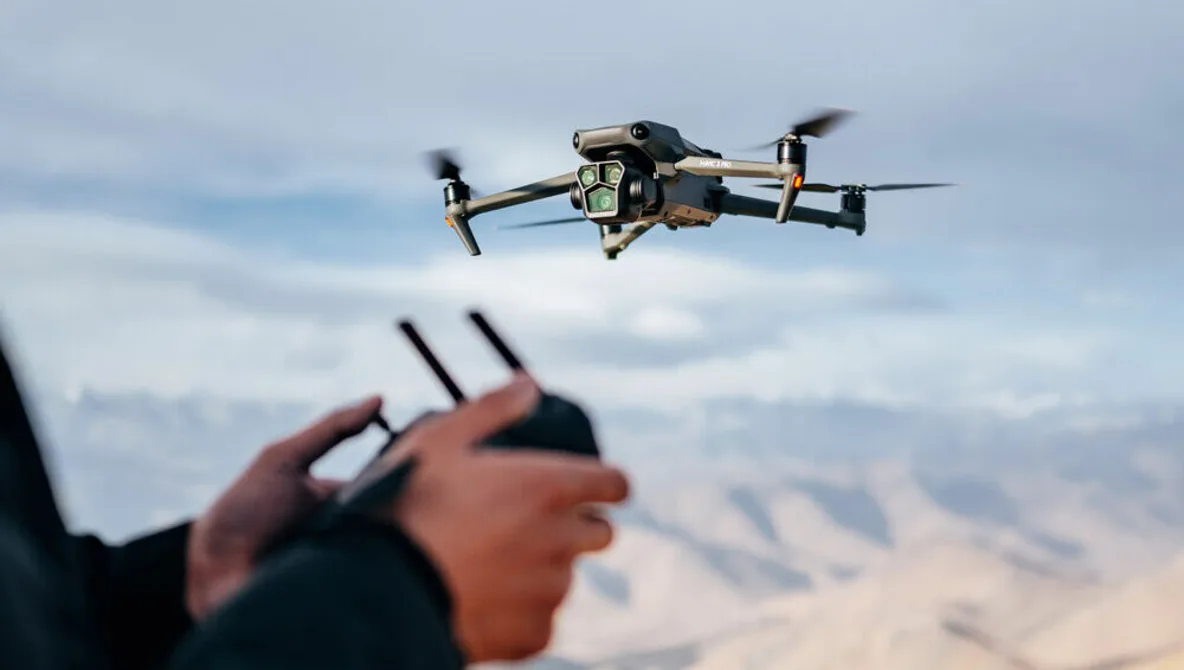
Image source: Bing (Web (fair-use with source credit))
The market for drone services is expanding rapidly. Think about real estate agents wanting to showcase properties from above, filmmakers needing epic establishing shots, or even agricultural operations looking for detailed crop monitoring. Each of these applications highlights the versatility and demand for skilled drone videographers.
It's a field that rewards technical proficiency, a keen eye for composition, and an understanding of the practicalities of flight and safety.
Laying the Foundation: Essential Skills and Knowledge
Before you even think about flying professionally, you need a solid grasp of both piloting and the creative aspects of videography. This foundation ensures you can operate safely, legally, and produce high-quality content that clients will pay for. It’s about more than just flying; it’s about flying with purpose and capturing compelling visuals.
Piloting Proficiency and Airspace Smarts
Mastering drone control is paramount. This involves more than just basic forward, backward, and turning movements. You’ll need to develop precision control for smooth, steady camera movements, execute complex maneuvers like orbiting a subject, and understand how to react instinctively to unexpected situations.
This level of control comes from dedicated practice, often starting with smaller, less expensive drones before graduating to professional models. Crucially, you must understand the rules of the sky. This means knowing where you can and cannot fly, understanding altitude restrictions, and recognizing the importance of maintaining visual line of sight (VLOS) with your drone at all times.
Familiarity with airspace authorization systems, like LAANC (Low Altitude Authorization and Notification Capability) in the U.S., is also vital for flying in controlled airspace near airports.
Understanding Your Camera and Gear
Your drone's camera is your primary tool for capturing professional footage. You need to understand its capabilities inside and out. This includes settings like resolution (e.g., 4K, 5.7K), frame rates (24fps, 30fps, 60fps), shutter speed, aperture, and ISO.
Knowing how these settings affect the final image, especially in varying light conditions, is key to producing cinematic quality. You'll also need to understand your drone's gimbal system, which stabilizes the camera to ensure smooth, jolt-free shots, even during flight maneuvers. Familiarity with different lens options, if applicable to your drone, and understanding color profiles (like D-Log or HLG) that offer more flexibility in post-production are also part of this foundational knowledge.
The Legal Landscape: Getting Licensed and Compliant
Operating a drone for commercial purposes isn't just about knowing how to fly; it's about adhering to strict regulations to ensure safety and legality. Skipping this step is one of the quickest ways to derail a professional career before it even begins. Understanding and complying with aviation authority rules is non-negotiable.
Navigating Regulations: FAA Part 107 and Beyond
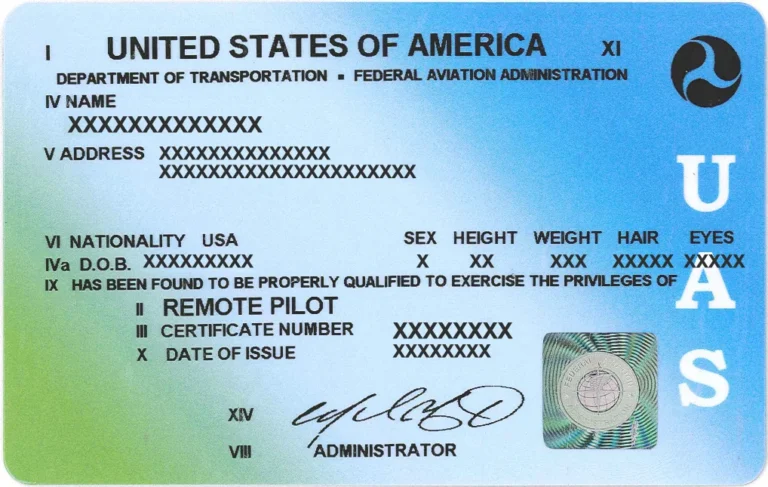
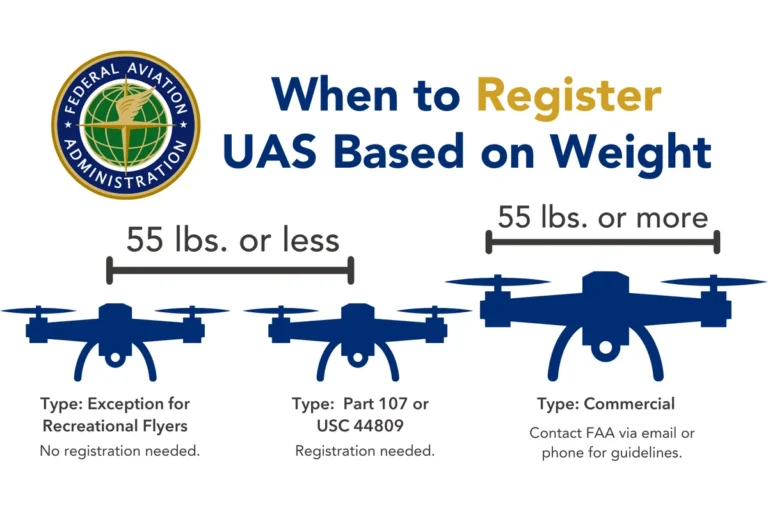
In the United States, if you intend to fly a drone for any kind of business purpose, including real estate photography, event coverage, or commercial filming, you are required by the Federal Aviation Administration (FAA) to obtain a Remote Pilot Certificate. This is commonly referred to as passing the FAA Part 107 exam. This comprehensive test covers critical aviation knowledge, including regulations, airspace classifications, weather, drone loading and performance, and emergency procedures.
Passing this exam signifies that you possess the necessary knowledge to operate a drone safely in the national airspace.
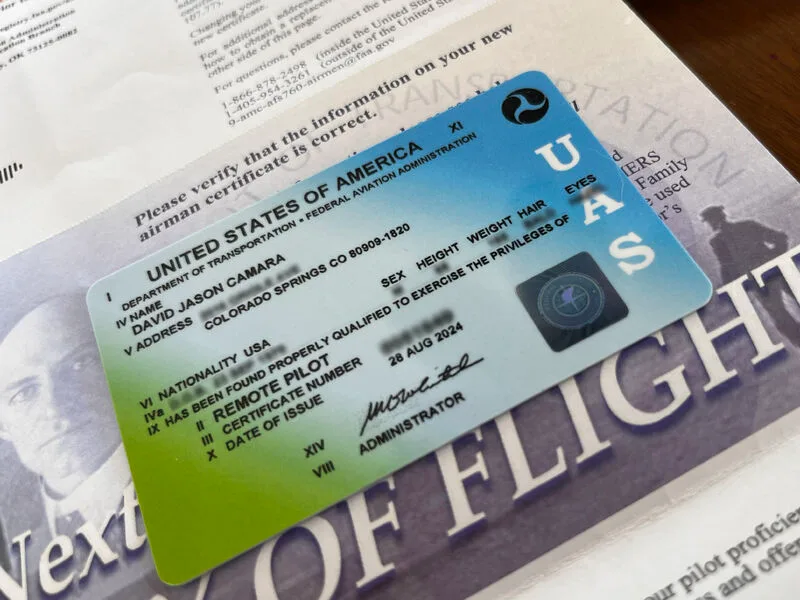
Image source: Bing (Web (fair-use with source credit))
Beyond Part 107, regulations can vary significantly by location. Many countries have their own aviation authorities and licensing requirements, such as the Civil Aviation Authority (CAA) in the United Kingdom. It's essential to research and understand the specific rules for any region where you plan to operate.
This includes staying updated on any changes or new restrictions that might be implemented. Ignoring these regulations can lead to hefty fines, legal trouble, and the grounding of your drone operations.
The Importance of Drone Insurance
Even with proper licensing and careful piloting, accidents can happen. That's where drone insurance becomes a critical component of professional operation. Many clients, especially larger companies or film productions, will require you to carry liability insurance before they hire you.
This insurance protects you financially in case of property damage or injury to a third party caused by your drone operations.
Commercial drone insurance policies can cover a range of risks, from accidental damage to the drone itself to third-party injury or property damage claims. Policies can often be tailored to your specific needs, covering various types of operations and locations. As of 2026, understanding the coverage limits and deductibles is just as important as understanding your drone's flight capabilities.
Without adequate insurance, a single incident could lead to financial ruin, making it a vital investment for any serious professional drone videographer.
Building Your Professional Kit: Drones, Cameras, and Accessories
Your equipment is your livelihood. Investing in the right tools ensures you can meet client demands, produce high-quality footage, and operate reliably. It’s a balance between capability, portability, and budget, and the choices you make here will significantly impact your workflow and the types of projects you can take on.
Choosing the Right Drone for Your Niche
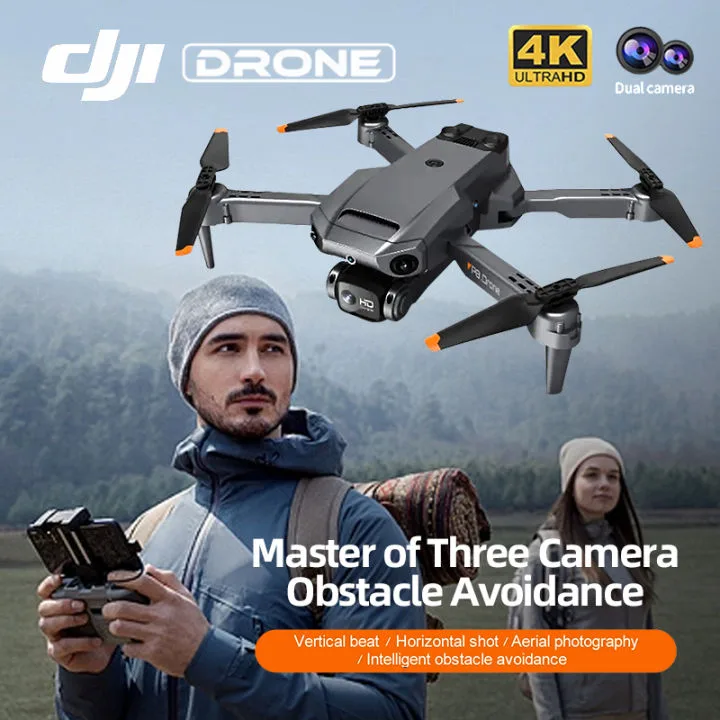
The drone you choose will depend heavily on the type of videography you aim to do. For general-purpose aerial videography, including real estate, events, and some commercial work, drones like the DJI Mavic 3 series offer an excellent balance of portability, camera quality, and intelligent flight features. These drones typically shoot in 4K or higher resolutions and feature advanced stabilization.
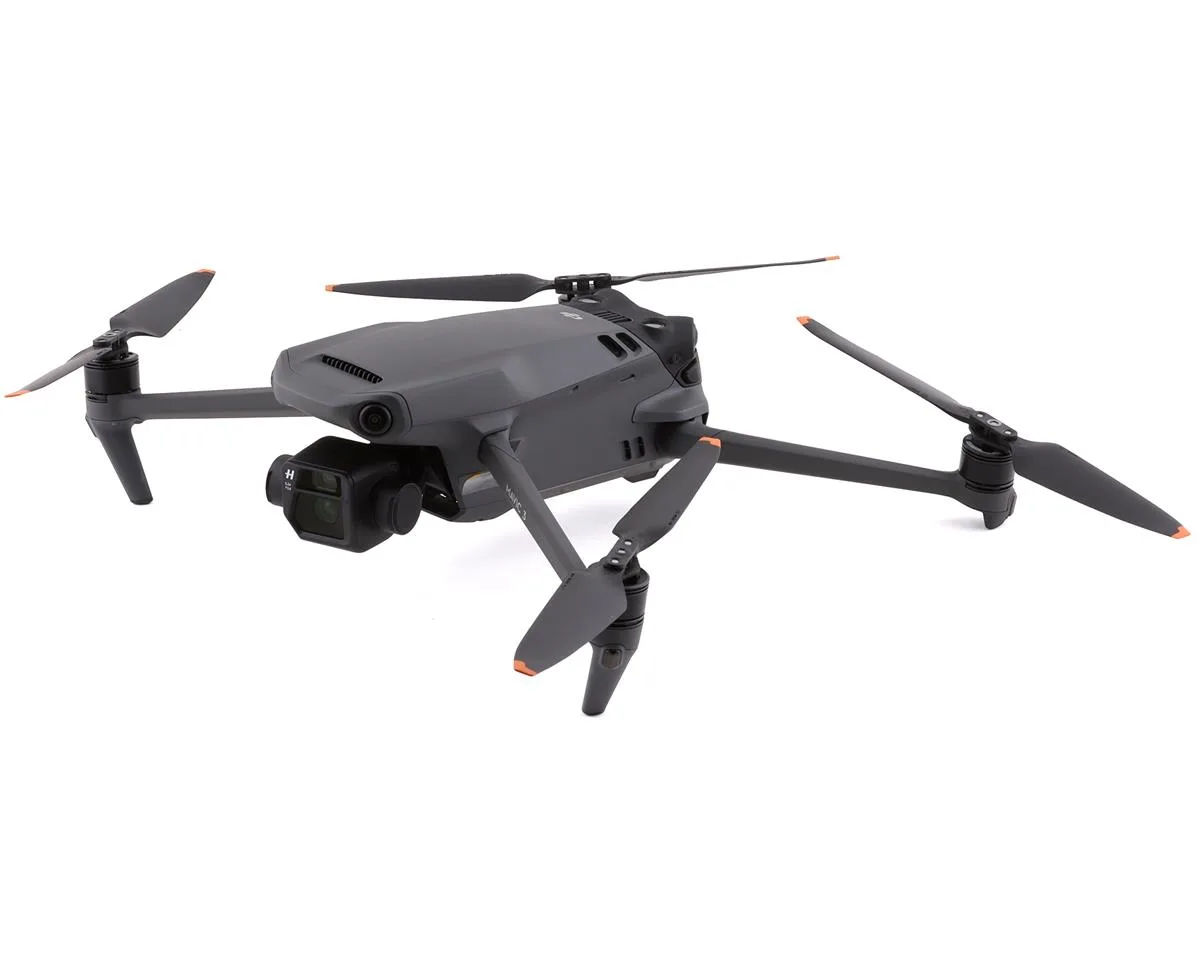
Image source: Bing (Web (fair-use with source credit))
For more demanding cinematic applications, where image quality is paramount, professional filmmakers often opt for larger, more specialized drones like those from DJI's Inspire series or Inspire 3, or even custom-built systems. These often feature interchangeable lenses, larger sensors, and higher bitrates for maximum post-production flexibility. When considering a drone, look at manufacturer specifications for flight time (often 20-30 minutes per battery), camera resolution (e.g., 4K at 60fps or 5.7K at 30fps), and the quality of the gimbal stabilization.
Your budget will also play a significant role, as professional-grade drones can range from a few thousand dollars to tens of thousands.
Essential Accessories for Pro Shoots
Beyond the drone itself, a set of essential accessories can dramatically improve your efficiency and capabilities on location.
- Extra Batteries: Flight time is always a limitation. Having multiple fully charged batteries is crucial for completing longer shoots without extensive downtime.
- High-Speed Memory Cards: Professional drones shoot large video files, especially at high resolutions and bitrates. You'll need reliable, high-speed SD cards (e.g., V30 or V60 rated) to avoid dropped frames or recording errors.
- ND Filters: Neutral Density (ND) filters work like sunglasses for your drone's camera, reducing the amount of light entering the lens. This allows you to maintain a cinematic shutter speed (typically double your frame rate) even in bright sunlight, preventing footage from looking too sharp or having choppy motion blur.
- Tablet or Bright Monitor: While many drones come with a controller that has a built-in screen, a larger tablet or a dedicated field monitor can provide a much better viewing experience, especially in bright conditions. This helps with precise framing and monitoring critical flight data.
- Landing Pad: A portable landing pad protects your drone's camera and gimbal from dust, debris, and moisture on uneven or wet surfaces.
- Sturdy Case: A well-designed, protective case is essential for transporting your drone and accessories safely to and from locations.
Mastering the Craft: Shooting and Editing Techniques
Technical skills in piloting and gear operation are only half the battle. The real magic happens when you combine those with artistic vision and post-production expertise to create compelling, professional-grade video content. This section focuses on the practical application of your skills.
Pre-Flight Planning and On-Site Execution
Effective planning is the bedrock of successful drone videography. Before you even leave your office, you should have a clear understanding of the client's objectives and the specific shots they envision. This involves reviewing any shot lists, discussing desired moods or styles, and understanding the location thoroughly.
Researching the flight area is critical; check for any local ordinances, temporary flight restrictions (TFRs), or potential hazards like power lines, tall structures, or busy public areas.
On-site, the execution begins with a thorough pre-flight check of your drone, batteries, controller, and camera. Ensure all firmware is up to date, propellers are undamaged, and batteries are fully charged. During the flight, maintain constant situational awareness.
This means not only monitoring your drone's position and altitude but also being aware of your surroundings, including people, vehicles, and weather changes. Smooth, deliberate control inputs are key. Practice flying in a way that allows the camera to move fluidly, mimicking traditional cinematic camera movements like pans, tilts, and dollies, but from an aerial perspective.
Cinematic Shooting Techniques
Capturing cinematic footage with a drone involves more than just pointing the camera and flying. It's about composing shots that tell a story and evoke emotion. Think about the types of shots that add impact:
- Establishing Shots: Wide, sweeping views that introduce a location or set the scene. These often involve slow, majestic reveals of a landscape or building.
- Tracking Shots: Following a subject (a car, a person, a boat) at a consistent distance and speed. This can create a sense of movement and immersion.
- Orbit Shots: Flying in a circular path around a subject. This can effectively showcase a 360-degree view of an object, building, or person.
- Reveal Shots: Starting with a close-up or obscured view and then flying backward or upward to reveal the full scene or subject. This builds anticipation and drama.
- Crane Shots: Simulating the effect of a crane by ascending or descending smoothly, often combined with a pan or tilt.
When shooting, especially for professional use, aim to capture footage at the highest resolution and frame rate your drone supports. Consider shooting in a flat color profile (like D-Log) if your drone offers it; this captures more dynamic range and color information, providing greater flexibility during the color grading process in post-production. Always record more footage than you think you'll need, as it's better to have extra options during editing.
Post-Production Workflow: Editing and Color Grading
The raw footage from your drone is just the beginning. Post-production is where you transform those clips into a polished, professional video. This typically involves several key stages:
- Importing and Organizing: Load all your footage onto a powerful computer and organize it logically, often by location, shoot date, or client.
- Rough Cut: Assemble the best clips in sequence according to your project's narrative or desired flow. Focus on pacing and telling the story.
- Fine Cut: Refine the edit, trimming clips precisely, ensuring smooth transitions, and adding any necessary B-roll or ground-based footage.
- Color Correction and Grading: This is where aerial footage truly shines. Color correction adjusts white balance, exposure, and contrast to make the footage look natural. Color grading then applies a specific look or mood to the footage, enhancing its aesthetic appeal. Using footage shot in a flat profile allows for significant manipulation here to achieve vibrant skies, rich greens, or a specific cinematic style.
- Sound Design and Music: Add background music, sound effects, or even voiceovers to enhance the viewer's experience. Ensure audio levels are balanced.
- Exporting: Render the final video in the appropriate format and resolution required by the client or platform. For professional web delivery, H.264 or H.265 codecs at 4K resolution are common.
Software like Adobe Premiere Pro, Final Cut Pro, or DaVinci Resolve are industry standards for this process, with DaVinci Resolve offering powerful free color grading tools. Understanding the editing software you choose is as vital as knowing how to fly your drone.
Turning It Into a Business: Finding Clients and Building a Portfolio
Once you've got your skills, your gear, and your licenses in order, the next logical step is turning this into a paying gig. This involves understanding the business side of drone videography, which is just as crucial as the technical side. It's about creating a service that clients value and are willing to pay for, consistently.
Defining Your Niche and Target Market
Trying to be everything to everyone is a recipe for burnout and mediocrity. Successful drone videographers often specialize. Are you drawn to the detailed shots needed for real estate marketing, the dynamic action for sports events, or the sweeping vistas for tourism promotion?
Identifying your niche helps you tailor your marketing, hone specific skills, and target your efforts more effectively. Research which industries in your local area or online have the greatest demand for aerial footage. For instance, the burgeoning short-form video market on social media often requires unique, eye-catching drone shots that ground-based cameras can't easily produce.
Showcasing Your Work: Portfolio Essentials
Your portfolio is your digital business card. It's what potential clients will look at to assess your skills and decide if you're the right fit for their project. It should feature your absolute best work, demonstrating a range of capabilities relevant to your chosen niche.
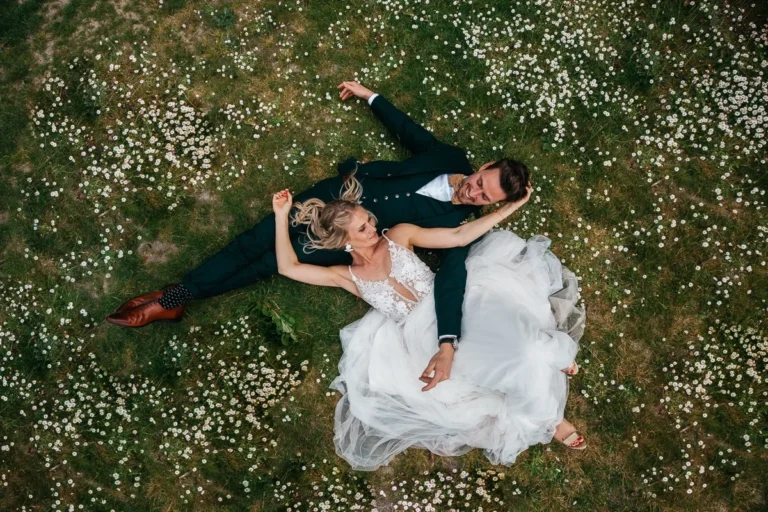
For real estate, this means showcasing beautiful property fly-arounds and neighborhood context shots. For events, it's about capturing the atmosphere and key moments from unique angles.
Aggregate reviews of portfolio sites indicate that high-quality editing and smooth, professional-looking footage are paramount. Include a variety of shot types and demonstrate your ability to tell a story visually. If you're just starting, create spec projects or offer your services at a reduced rate to build up your portfolio.
Ensure your online presence is professional, with clear contact information and easy navigation.
Client Acquisition Strategies
Landing your first clients often requires a proactive approach. Beyond a strong portfolio, consider direct outreach. Identify businesses in your niche and send them a personalized email or LinkedIn message, perhaps with a link to a tailored demo reel.
Networking is also key; attend industry events, join local business groups, and let people know what you do.
Consider partnering with related professionals, like wedding photographers who might need aerial coverage, or marketing agencies that can subcontract your services. Online platforms for freelance work can also be a starting point, though competition can be high. As of 2026, many successful drone pilots also leverage social media platforms like Instagram and YouTube to showcase their work, attracting clients organically through engaging aerial content.
Common Pitfalls to Sidestep
Many aspiring drone videographers stumble over common mistakes. One of the biggest is underpricing services; research industry rates to ensure you're charging appropriately for your skill and equipment. Another pitfall is neglecting client communication, leading to misunderstandings about deliverables or timelines.
Always have a clear contract outlining scope, deliverables, usage rights, and payment terms. Finally, don't underestimate the importance of backup footage and equipment. A malfunctioning drone or corrupted memory card on a critical job can be devastating.
Always have redundancies in place.
Frequently Asked Questions for Aspiring Drone Videographers
What's the biggest hurdle for new drone pilots?
The biggest hurdles are typically mastering precise piloting skills and navigating the complex regulatory landscape, especially for commercial operations. Many new pilots also find building a professional portfolio and acquiring their first paying clients challenging.
How much can a professional drone videographer earn?
Earnings vary widely based on experience, niche, location, and the complexity of projects. Entry-level pilots might earn $300-$500 per day, while experienced professionals working on film sets or for large corporations can command $1,000 or more per day, plus potential licensing fees for footage usage.
Do I need to be a licensed pilot to fly drones commercially?
Yes, in most countries, commercial drone operation requires a specific pilot license or certification. In the United States, this is the FAA Part 107 Remote Pilot Certificate. Operating commercially without the proper license can result in significant fines and legal penalties.
What are the essential drone accessories for professional use?
Essential accessories include multiple high-capacity drone batteries, fast and reliable memory cards, neutral density (ND) filters for camera control, a bright tablet or monitor for viewing, a protective landing pad, and a durable carrying case to transport your gear safely.