Where Can You Legally Fly a Drone for Video?
So, you're itching to capture some stunning aerial footage with your drone, but you're stuck on the big question: "Where can you legally fly a drone for video?" It's a completely valid concern, because the sky isn't exactly a free-for-all. Think of it like a busy highway system; there are rules of the road, designated lanes, and places you simply aren't allowed to go.
Understanding these regulations is key to avoiding fines and ensuring everyone's safety. In the United States, the primary governing body is the Federal Aviation Administration (FAA), which sets the foundational rules for drone operations. However, it's not just about federal oversight; local jurisdictions and specific land managers often add their own layers of restrictions.
As of 2026, these rules continue to evolve, making it vital to stay informed.
Quick Answer
Legally flying a drone for video means adhering to FAA rules and local ordinances. Generally, fly below 400 feet, maintain visual line of sight, and avoid airports and restricted areas. Federal lands like national parks often prohibit drone use.
Always check specific park and city regulations before flying for video.
Your First Question: What's Your Drone's Weight?
The first crucial step in figuring out where you can legally fly your drone for video involves understanding its weight. This isn't just a minor detail; it directly impacts which set of FAA rules applies to you. For recreational flyers, drones weighing 0.55 pounds (250 grams) or more must be registered with the FAA.
Commercial operations under Part 107 have additional requirements regardless of weight, but for hobbyists, weight is a primary differentiator for registration and certain operational privileges.
Understanding FAA Weight Classifications
The FAA categorizes drones based on their weight, and this classification dictates registration requirements and some operational rules, particularly for recreational flyers.
- Under 0.55 lbs (250 grams): Drones in this category generally have fewer registration requirements for recreational use. However, you still must fly safely and follow all general safety guidelines.
- 0.55 lbs (250 grams) and over: Drones weighing this much must be registered with the FAA if you are flying recreationally. This registration is linked to you as the pilot and applies to all your registered drones.
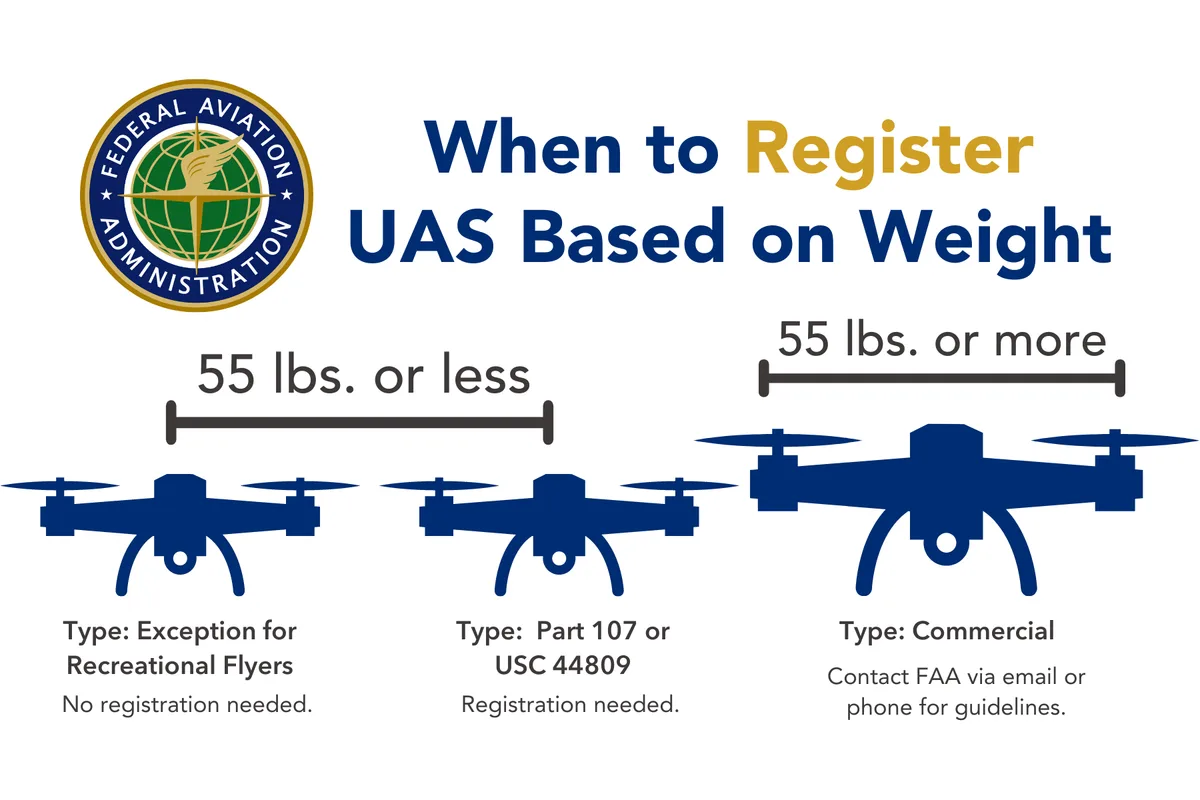
The FAA specifications for drone weight are precise and readily available from manufacturers. Understanding your drone's exact weight is the foundational step for compliance with any set of regulations.
Navigating Airspace: The FAA's Big Picture
The Federal Aviation Administration (FAA) is the main authority for airspace in the United States. They define rules for all aircraft, including drones, to ensure safety and prevent conflicts with manned aviation. Understanding the types of airspace you'll be flying in is absolutely critical for legal drone video operations.
It dictates whether you need special permission to fly and what altitude you can reach.
Controlled vs. Uncontrolled Airspace
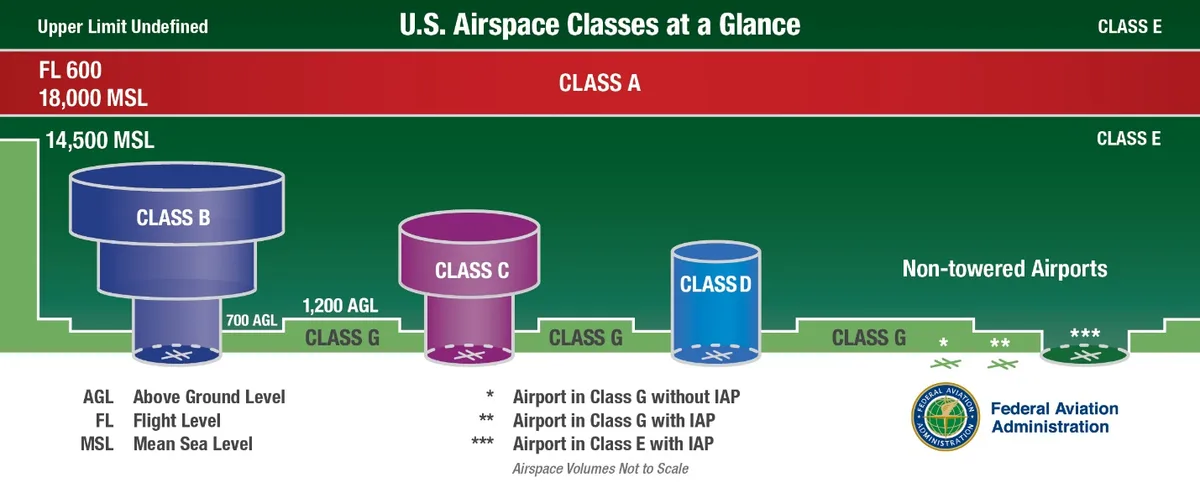
Airspace is divided into different classes, and knowing the difference between controlled and uncontrolled airspace is fundamental. Controlled airspace is any airspace where air traffic control (ATC) services are provided. This typically surrounds airports and busy flight corridors.
- Controlled Airspace (Class B, C, D, E): Flying in controlled airspace for video usually requires explicit authorization from air traffic control. This is often obtained through the FAA's Low Altitude Authorization and Notification Capability (LAANC) system. Without this, you are not legally permitted to fly. This prevents drones from interfering with commercial aircraft or other manned traffic.
- Uncontrolled Airspace (Class G): This is the airspace where ATC services are not provided. While generally easier to fly in, it's not a free pass. You still must adhere to maximum altitude limits (typically 400 feet above ground level) and other safety regulations. Even in Class G, there can be specific restrictions.
Understanding LAANC Authorization
LAANC is a system that provides drone operators with near real-time airspace authorizations. If you plan to fly in controlled airspace, LAANC is your essential tool. It allows authorized drone pilots to receive approval to fly at specific altitudes within designated areas, directly from FAA-approved UAS Service Suppliers.
This authorization is mandatory for operating legally in most controlled airspace environments, especially for video operations where precision and access might be desired near airports or other regulated zones.
Beyond the FAA: Local and Special Area Rules
While the FAA sets the national standard, the actual ground where you take off and land, and the airspace immediately above it, can have additional restrictions. These come from various land management agencies and local governments. You can't assume that because the FAA allows it, you're good to go everywhere.
Federal Lands: National Parks, Forests, and Beyond
Flying drones for video on federal lands, such as national parks, national forests, and national monuments, is generally prohibited. The National Park Service, for instance, has a strict policy against drone use to protect wildlife, preserve natural quiet, and maintain visitor experience. These rules are in place to prevent disturbance to the environment and ensure these areas remain pristine.
- National Parks: Nearly all national parks forbid drone operation.
- National Forests: Rules can vary, but often drones are restricted or require special permits.
- Other Federal Lands: Areas managed by the Bureau of Land Management (BLM) or other federal agencies may have specific regulations. Always check with the local land manager before attempting to fly.
State and City Parks: Checking Local Ordinances
State and local parks often have their own specific rules regarding drone usage, and these can differ significantly from one park or municipality to another. Some may ban drones entirely, while others might permit them in designated areas or at specific times. It's essential to do your homework before heading out.
- State Parks: Visit the official website of the specific state park or its governing department. Look for sections on "Regulations," "Rules," or "Drone Policy."
- City/County Parks: Many cities and counties have ordinances that restrict or prohibit drone operation within public parks. A quick search of your local government's park rules or a call to the parks department can provide clarity.
Airports and Prohibited Zones
Flying near airports, heliports, or other aviation facilities is a major safety concern and is heavily regulated. Drone operations within a certain radius of airports are often prohibited without specific authorization from air traffic control. This is where the LAANC system becomes critical.
It's crucial to use FAA-approved resources like the B4UFLY app to identify these restricted areas before any flight. Areas around military bases, critical infrastructure, or temporary flight restrictions (TFRs) are also off-limits without explicit permission.
Is Your Flight Recreational or Commercial?
The purpose behind your drone flight significantly impacts the legal framework you must operate within. Whether you're flying for personal enjoyment or for a paying client, the rules change. Understanding this distinction is not just a formality; it's a legal requirement.
Recreational Pilot Rules and Registration
If you fly drones purely for fun and personal enjoyment, you fall under the FAA's rules for recreational flyers. As mentioned earlier, if your drone weighs 0.55 pounds (250 grams) or more, it must be registered with the FAA. You'll need to pass an aeronautical knowledge and safety test for recreational drone pilots, often referred to as The Recreational UAS Safety Test (TRUST).
Key principles include flying only for enjoyment, maintaining visual line of sight, and not endangering other aircraft.
Commercial Pilot Requirements (Part 107)
If you intend to fly your drone for any commercial purpose, this includes selling aerial footage, using it for marketing, surveying, or any activity that benefits a business, you must operate under the FAA's Part 107 rules. This requires you to obtain a Remote Pilot Certificate. To do this, you'll need to pass a more comprehensive aeronautical knowledge test at an FAA-approved testing center.
Part 107 pilots have more flexibility in certain areas but must adhere strictly to its guidelines, which include operational limitations on flying over people, at night, or in controlled airspace (though waivers and authorizations can be obtained). The distinction is critical: flying commercially without a Part 107 certificate is a serious violation.
The Legal Drone Flight Checklist
Before you ever lift off with your drone to capture video, running through a comprehensive checklist is non-negotiable. This isn't just about checking batteries; it's about ensuring you're complying with all federal, state, and local regulations. A few minutes spent on preparation can save you significant trouble.
Before You Take Off: Essential Checks
- Drone Registration: Ensure your drone is registered with the FAA if it weighs 0.55 lbs (250 grams) or more. Have your registration number clearly marked on the drone.
- Pilot Certification: Verify you have the appropriate pilot certificate (e.g., TRUST certificate for recreational, Remote Pilot Certificate for Part 107) and carry proof with you.
- Airspace Authorization: Check current airspace restrictions using FAA tools like the B4UFLY app. Obtain necessary LAANC authorizations if flying in controlled airspace.
- Weather Conditions: Assess wind speed, visibility, and precipitation. Avoid flying in adverse weather. Manufacturer data often provides optimal operating temperatures and wind resistance.
- Drone Condition: Perform a pre-flight inspection of the drone's propellers, battery, gimbal, and body for any damage or issues.
- Equipment Check: Ensure your remote controller and mobile device are fully charged and functioning correctly.
Keeping Your Drone in Sight and Away from People
The FAA mandates that drone pilots maintain "visual line of sight" (VLOS) with their drone at all times. This means you should be able to see your drone with your own eyes, without the aid of binoculars or other vision-enhancing devices. If your drone is equipped with a camera, this does not mean you can solely rely on the video feed; you must be able to see the actual aircraft in the sky.
Furthermore, unless you have specific authorization or your drone meets certain FAA safety standards, you cannot fly over people who are not participating in the operation, nor can you fly over moving vehicles. These rules are in place to protect individuals from potential hazards associated with drone malfunction or unexpected behavior. Always maintain a safe distance from crowds and traffic.
Common Drone Flying Mistakes to Avoid
Even with good intentions, it's easy to stumble into a legal grey area when flying your drone for video. The sheer number of regulations and the constant updates can be overwhelming. Understanding the most common pitfalls is crucial for staying compliant and safe.
Many of these mistakes stem from a lack of thorough pre-flight planning or a misunderstanding of airspace rules.
Ignoring Restrictions
One of the most frequent errors is simply not checking for restricted airspace or local ordinances. This can happen with even experienced pilots who become complacent. Forgetting to check for temporary flight restrictions (TFRs), which can be put in place for events like wildfires or presidential visits, is a common oversight.
Likewise, assuming a park is open to drones without verifying its specific rules is a recipe for trouble. Always consult official FAA resources and local park authorities before takeoff.
Flying in Dangerous Conditions
Beyond legal restrictions, flying in conditions that compromise safety is a significant mistake. This includes flying in high winds that could make the drone unstable, low visibility due to fog or heavy rain, or when the drone's battery is critically low. These situations increase the risk of losing control, crashing, or unintentionally entering restricted airspace.
Manufacturer specifications for many drones suggest wind limits, often around 15-20 mph, though this can vary by model. Pushing these limits, especially when capturing video that requires precise maneuvers, is a high-risk activity.
Frequently Asked Questions
Is it legal to fly a drone for video in my backyard?
Generally, yes, as long as your backyard is not within restricted airspace (like near an airport), and you are not flying over people not involved in the operation, or over private property that you do not have permission to film. Always maintain visual line of sight.
Can I fly a drone for video over private property without permission?
No, you generally cannot fly over private property without the owner's consent, especially if your intention is to capture video that could intrude on their privacy or activities. Drone laws are evolving, but respecting property rights is key.
What happens if I get caught flying illegally?
Penalties can range from warnings and fines to more severe legal action, depending on the severity of the violation and the governing body (FAA, local law enforcement). Fines for FAA violations can be substantial.
Do I need a special license to fly a drone for social media videos?
If you are flying purely for personal enjoyment and posting to social media as a hobby, you likely do not need a commercial license. However, if the content is used for business promotion or monetization, you would typically need a Remote Pilot Certificate under FAA Part 107.
How close can I fly to an airport with my drone?
You must stay clear of airport traffic patterns and airspace unless you have explicit authorization from air traffic control, usually obtained via the LAANC system. The FAA prohibits drone operations within 5 miles of most airports unless specific clearances are granted.