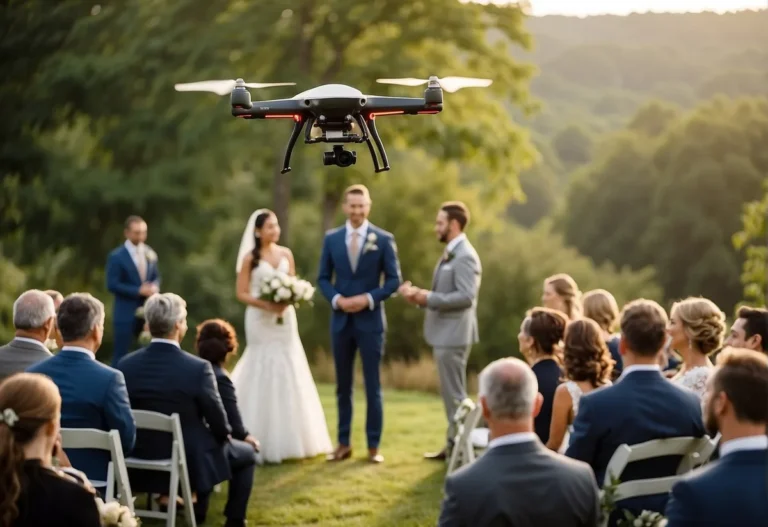
Is Drone Videography Legal?
So, you've got a drone and you're itching to capture some amazing aerial footage. That's awesome! But before you take to the skies, you're probably asking yourself, "Is drone videography legal?" The short answer is yes, but it comes with a whole lot of rules you absolutely need to follow.
It's not as simple as just picking up your drone and flying. Depending on where you are, what kind of drone you're using, and whether you're flying for fun or for business, different regulations apply. For instance, if your drone weighs more than 0.55 pounds (250 grams), you'll likely need to register it with the Federal Aviation Administration (FAA).
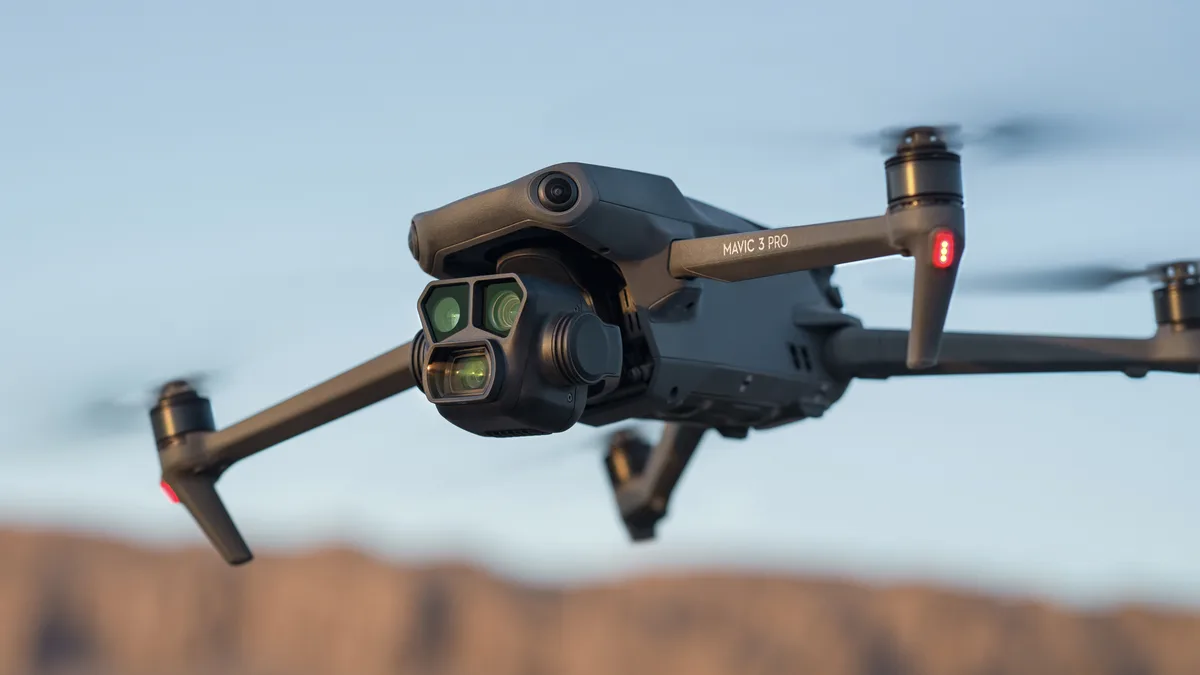
Image source: Bing (Web (fair-use with source credit))
Quick Answer
Drone videography is legal when you follow federal, state, and local airspace regulations. You must register drones over 0.55 lbs and obtain a Remote Pilot Certificate for commercial use. Always check airspace restrictions before flying.
Understanding Drone Flight Rules: It's Not One-Size-Fits-All
When we talk about flying drones legally, the first thing to understand is that there isn't a single set of rules that covers everyone. It’s like a flowchart, and your situation dictates which path you take. The U.S.
Federal Aviation Administration (FAA) is the main governing body, but states and local municipalities can add their own layers of rules.
Think about it: a hobbyist flying a small drone in their backyard has different requirements than a professional filmmaker shooting footage for a movie. The FAA’s primary goal is to keep the skies safe for everyone, from commercial airlines to other drone operators. This means understanding airspace classifications and following operating rules is crucial.
We'll break down these different scenarios so you know exactly what applies to you.
Is Your Drone Registered? The Basics You Need to Know
Nearly every drone operator needs to know about registration. It's a fundamental step for most people looking to fly. This process is managed by the FAA and helps identify drones in the unlikely event something goes wrong or a rule is broken.
Manufacturer specifications confirm that most commercially available drones designed for videography fall into the category requiring registration. This requirement ensures accountability and enhances safety within the national airspace system. If your drone fits the weight criteria, skipping registration is not an option if you want to fly legally.
Drone Weight Matters: Why It's Your First Checkpoint
The weight of your drone is probably the single most important factor in determining your immediate legal obligations. It's the first thing you should check before even thinking about taking off. This simple metric dictates whether you need to go through the FAA registration process right away.
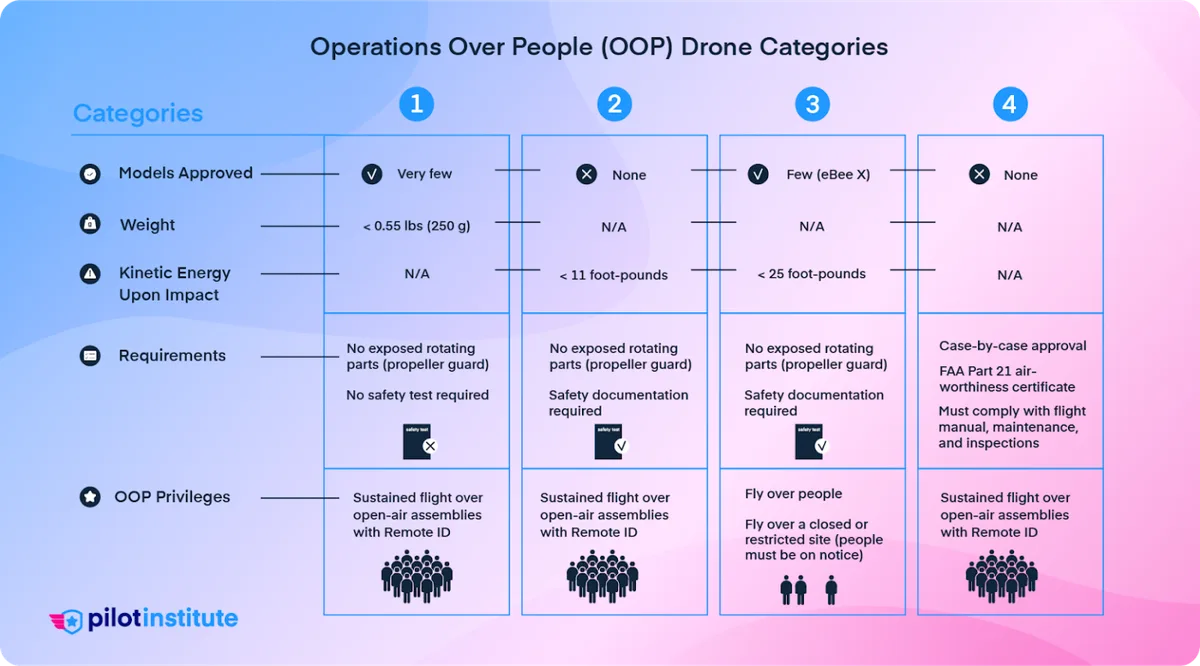
Image source: Bing (Web (fair-use with source credit))
- Under 0.55 lbs (250 grams): Drones in this weight class, like many popular models such as the DJI Mini series, generally have fewer registration and operational requirements. You still can't fly carelessly, but you've bypassed some of the more complex steps.
- 0.55 lbs (250 grams) and Over: If your drone tips the scales at 0.55 pounds or more, you are legally required to register it with the FAA. This applies to the vast majority of drones used for professional videography and many advanced hobbyist models.
The registration process is straightforward: create an account on the FAA's DroneZone website, provide your information, pay a small fee, and get a unique registration number. You then need to physically mark this number on your drone. This ensures that if your drone is found after an incident, it can be traced back to its registered owner.
As of 2026, these registration requirements remain a cornerstone of drone operation.
The Part 107 License: When You Need to Be a Certified Pilot
If you're planning to use your drone for anything that generates income, even indirectly, you're stepping into the realm of commercial operation. This is where the FAA's Part 107 rules, and the Remote Pilot Certificate that comes with them, become absolutely essential. Think of it as your pilot's license for commercial drone flights.
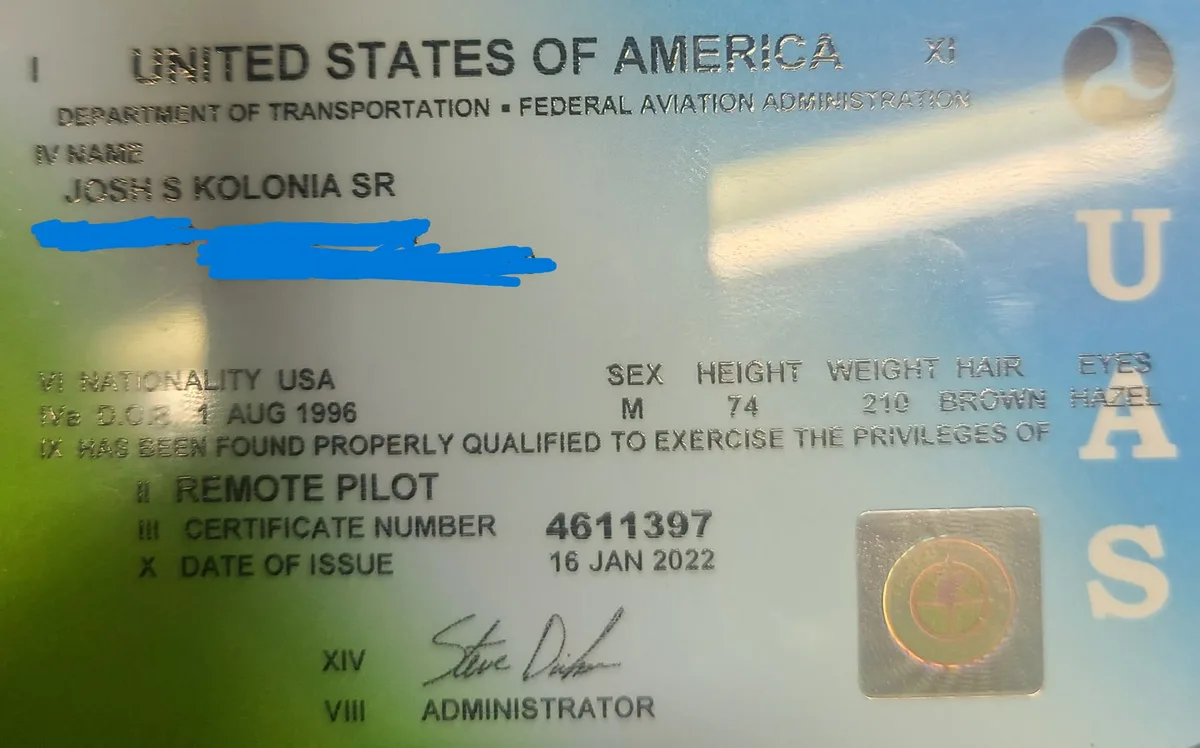
Image source: Bing (Web (fair-use with source credit))
Without this certification, you cannot legally fly a drone for business purposes, which includes selling photos or videos, using it for marketing, or any other activity that provides compensation. The FAA mandates this to ensure that commercial drone operators have a solid understanding of aviation regulations, safety procedures, and operational limitations.
Recreational vs. Commercial: What's Your Flying Purpose?
The biggest distinction the FAA makes is between recreational flyers and commercial operators. Your intent for flying dictates which set of rules you must follow. It's a critical decision point that impacts everything from registration to operational permissions.
- Recreational Flyer: If you fly your drone purely for your own enjoyment and not for any business-related activity, you're a recreational flyer. This means you're not selling footage, you're not using it for your job, and you're not part of a business operation. Even as a recreational flyer, you still need to follow safety guidelines and pass The Recreational UAS Safety Test (TRUST). If your drone weighs over 0.55 lbs, you'll still need to register it.
- Commercial Operator: If you intend to make money with your drone footage, you are a commercial operator. This includes flying for:
- Filmmaking or photography businesses
- Real estate marketing
- Inspections of infrastructure or property
- Any activity where you receive payment or compensation
- Using footage for your business’s promotion or advertising
For commercial operations, obtaining a Remote Pilot Certificate under Part 107 is mandatory. This involves passing an aeronautical knowledge exam at an FAA-approved testing center. The test covers topics like airspace, weather, loading and performance, operating rules, and radio communication procedures.
This license needs to be renewed periodically to ensure you stay up-to-date with regulations.
Airspace Hurdles: Navigating No-Fly Zones and Restrictions
Even if you have the right drone and the correct certification, you can't just fly anywhere. The airspace above us is carefully managed, and understanding these restrictions is vital for legal drone videography. The FAA designates different types of airspace, each with its own set of rules.
One of the most common restrictions you'll encounter is around airports. Generally, you must stay at least 5 miles away from airports unless you have obtained specific authorization. Flying too close can interfere with manned aircraft operations and poses a significant safety risk.
Ignoring these proximity rules can lead to severe penalties.
Using Apps to Stay Compliant with Airspace Rules
Fortunately, staying on top of airspace restrictions isn't as daunting as it sounds, thanks to readily available technology. Several mobile applications are designed to provide real-time airspace information right at your fingertips. These tools are invaluable for planning your flights and ensuring you remain compliant with FAA regulations.
One of the most useful systems for obtaining permissions in controlled airspace is LAANC (Low Altitude Authorization and Notification Capability). Through approved third-party apps, you can request and receive near real-time authorizations to fly in controlled airspace around many airports. This process is crucial for commercial operators and highly recommended for recreational flyers operating near controlled areas.
These apps can also highlight temporary flight restrictions (TFRs), such as those for wildfires or major sporting events. Always cross-reference app information with official FAA advisories if you have any doubts.
State and Local Laws: Don't Forget the Finer Print
While federal regulations from the FAA set the broad strokes for drone operation, state and local governments often add their own specific rules. These can cover everything from where you're allowed to take off and land to outright bans on drone use in certain public spaces like parks or event venues.
These local ordinances are crucial because they can be more restrictive than federal laws. For example, a state might allow drone operation in most areas, but a specific city within that state could prohibit drones in all municipal parks for privacy or safety reasons. It’s your responsibility to be aware of and comply with all applicable state and local laws.
A quick search on your city or county government’s website will usually provide information on their specific drone policies.
Common Drone Videography Mistakes to Avoid
Flying a drone for video looks impressive, but several common pitfalls can quickly turn a legal flight into a problematic one. Understanding these errors beforehand can save you from fines, equipment confiscation, or even more serious legal trouble.
- Ignoring Airspace Restrictions: The most frequent mistake is flying in restricted airspace without authorization. This includes areas around airports, military bases, or temporary flight restrictions (TFRs) for events or emergencies. Relying solely on visual cues without checking an airspace app can lead you into trouble.
- Flying Over People Unnecessarily: Unless you have specific waivers or the people are directly participating in your operation and consent, flying directly over them is generally prohibited. This is a safety measure to prevent injury from a drone malfunction.
- Operating in Poor Visibility or at Night Without Proper Equipment: Many regulations restrict drone flight during hours of darkness or in conditions with less than 3 miles of visibility unless your drone is equipped with anti-collision lighting and you have specific authorization. This is to ensure the drone remains visible to others and the pilot can maintain visual line of sight.
- Not Registering Your Drone: Forgetting to register a drone weighing over 0.55 pounds is a straightforward violation that can result in fines. The FAA requires this for accountability.
Always remember that ignorance of the law is not a valid defense. If you're unsure about a rule, it's always best to do further research or seek clarification from the FAA.
FAQs: Your Burning Drone Legal Questions Answered
Can I fly my drone anywhere for videography?
No, you cannot fly your drone just anywhere. You must adhere to FAA regulations regarding airspace, which include restrictions around airports, military bases, and stadiums. Additionally, state and local laws may further limit where you can fly, especially in public parks or private property without permission.
Do I need a license to fly a drone for personal use?
If your drone weighs less than 0.55 lbs (250g), you generally don't need a formal license for recreational flying, but you do need to pass The Recreational UAS Safety Test (TRUST). If your drone is heavier than 0.55 lbs, you still need to register it and pass TRUST. Flying for fun means you are not getting paid or using it for business.
What happens if I break drone flying rules?
Penalties for breaking drone flying rules can vary widely depending on the severity of the infraction. They can range from official warnings and fines to equipment confiscation, suspension or revocation of your pilot certificate, and even criminal charges in severe cases involving endangerment or invasion of privacy.
How do I find out about local drone laws?
To find out about local drone laws, you should check the official websites of your city, county, or municipal government. Many parks departments also publish their specific rules regarding drone usage. Online resources and apps like the FAA's B4UFLY app can also provide general guidance on airspace restrictions.