How Do You Safely Film Events With Drones?
Planning to capture an event from above? Knowing how do you safely film events with drones is your first and most crucial step. It’s about more than just getting epic aerial shots; it’s about ensuring no one gets hurt and you stay out of legal trouble.
We’ve compiled practical advice based on aviation standards and real-world event scenarios. You'll learn what you absolutely need to know before you even power up your drone, covering everything from crucial regulations to smart operational practices that keep everyone safe.
Quick Answer
Safely filming events with drones requires obtaining remote pilot certification, securing necessary permissions, and performing thorough pre-flight site surveys. Always maintain visual line of sight, adhere to designated airspace rules, and fly at safe distances from crowds and obstacles. Emergency protocols should be established, and weather conditions must be favorable.
Why Drone Safety at Events Isn't Optional
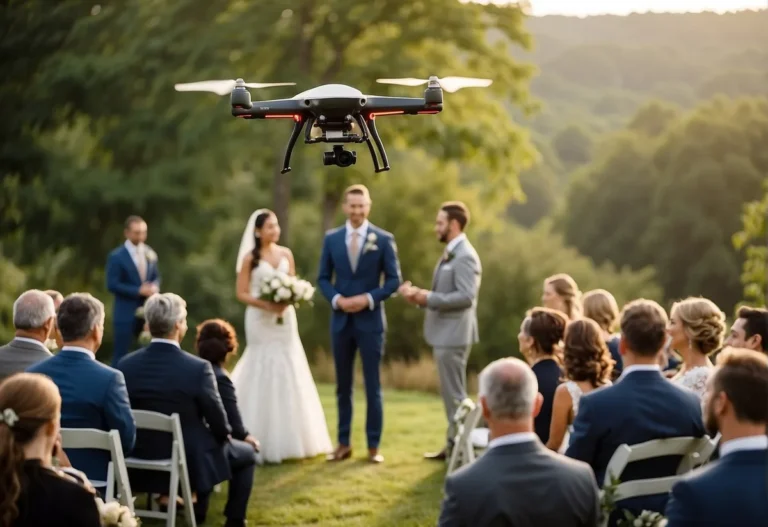
When you’re thinking about getting those sweeping shots of a festival, wedding, or concert, the immediate appeal is the unique perspective a drone offers. It can transform a standard recording into something truly captivating. However, our research confirms that the excitement of capturing these moments must be balanced with a rigorous commitment to safety.
Flying a drone, especially in proximity to people and property, isn't just a matter of skill; it's a matter of strict adherence to protocols designed to prevent accidents.
Failing to prioritize safety can lead to serious consequences, ranging from minor incidents to severe injuries, property damage, and significant legal penalties. As of 2026, regulatory bodies worldwide are increasingly focused on drone operations, especially in public spaces. Understanding and implementing safety measures isn't just recommended; it's essential for responsible drone use.
Image source: Bing (Web (fair-use with source credit))
The Legal Checklist: Permits, Certifications, and Airspace Rules
Before your drone even leaves the ground at an event, you need to clear a significant legal hurdle. This involves understanding and complying with aviation laws, which vary by location but generally prioritize public safety. Failing here can ground your operation before it even begins.
Understanding Remote Pilot Requirements
Most countries, including the United States, require drone operators to be certified. In the U.S., this typically means obtaining a Remote Pilot Certificate from the Federal Aviation Administration (FAA) by passing a knowledge test. This certification demonstrates that you understand the rules and best practices for safe flight operations.
It’s not just a formality; it’s a foundational requirement to operate a drone for any commercial or event-related purpose.
Airspace Restrictions and Event Zones
You absolutely must be aware of airspace restrictions. This includes checking for Temporary Flight Restrictions (TFRs) that might be active over an event location due to VIP presence, emergency services, or other aviation activities. Event venues themselves can also have proximity restrictions, especially near airports or sensitive areas.
Understanding your operational area's classifications is vital; for example, flying in controlled airspace requires specific authorization from the relevant aviation authority.
Obtaining Necessary Permissions
Beyond general aviation regulations, specific permissions are almost always required for event filming. This means getting written consent from the event organizer and potentially the venue owner. Some local municipalities also have their own ordinances regarding drone usage at public gatherings.
Always confirm if special event permits are needed, as operating without them can lead to fines or confiscation of your equipment.
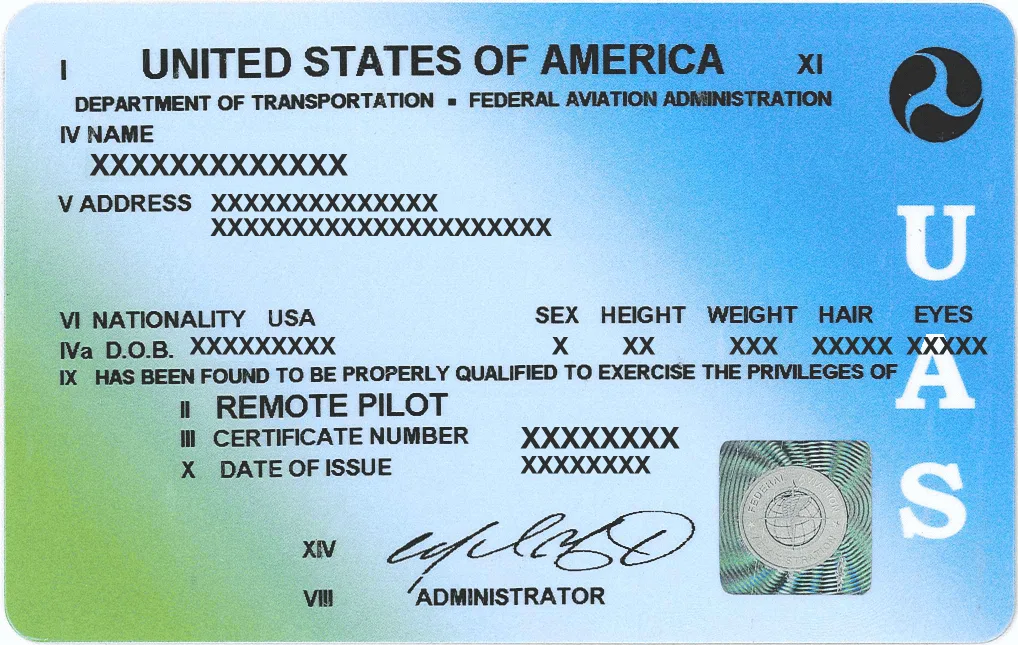
Image source: Bing (Web (fair-use with source credit))
Pre-Flight Reconnaissance: Knowing Your Event Space
This is arguably the most critical phase of ensuring safety and success for event drone filming. Think of it as your mission briefing before takeoff. A thorough pre-flight survey allows you to identify potential hazards and plan your flight path to minimize risks.
Site Assessment and Hazard Identification
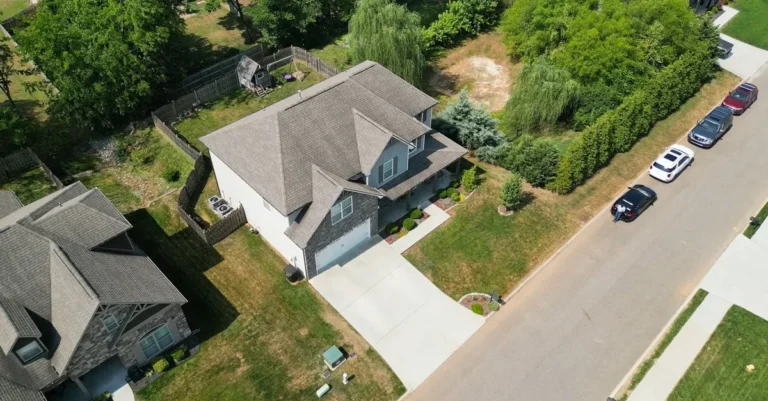
Visit the event location well in advance, ideally when it's quiet. Walk the perimeter and the intended flight zones. Look for power lines, tall trees, antennas, buildings with overhangs, and any other potential obstacles.
Note where crowds are likely to gather and where there are designated safe zones for takeoff and landing. Understanding the terrain and any structures is key to avoiding collisions.
Weather Conditions and Impact
Weather plays a massive role in drone safety. High winds can make a drone unstable and difficult to control, increasing the risk of it drifting into unsafe areas or crashing. Rain and fog can impair visibility for both the pilot and the drone's sensors, and can also damage the drone's electronics.
Always check the forecast leading up to the event and on the day itself. Manufacturer specifications for most drones indicate a maximum wind speed tolerance, typically around 20-25 mph. If conditions exceed this, it's best to postpone or cancel the aerial filming.
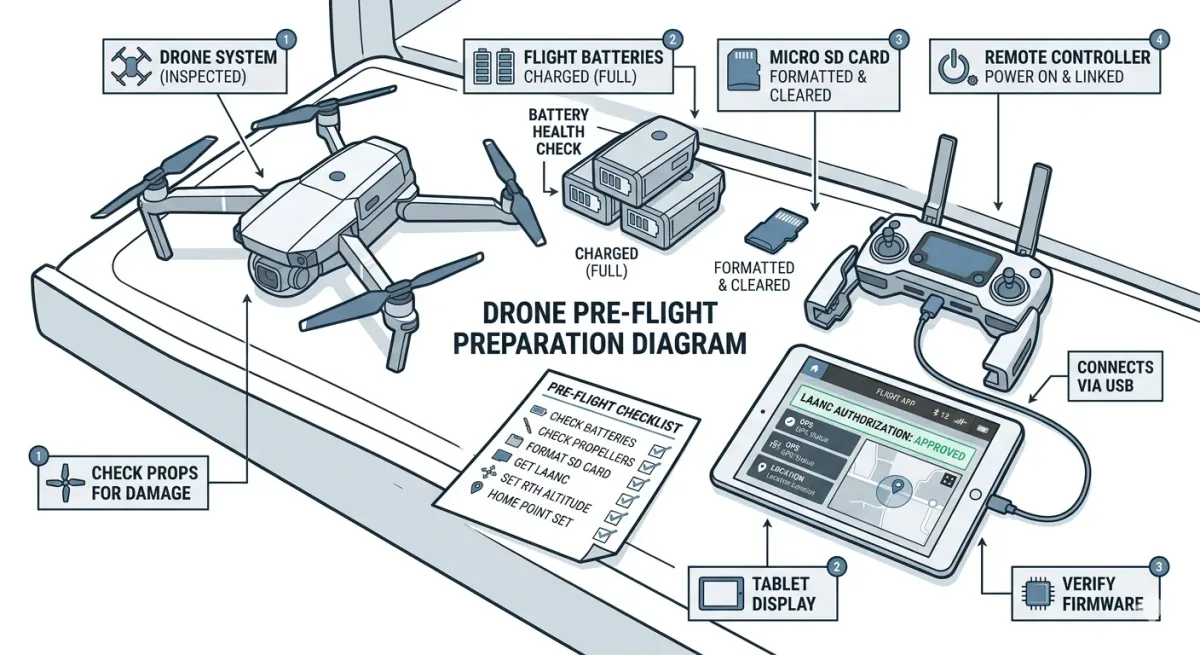
Image source: Bing (Web (fair-use with source credit))
Safe Flight Operations: In the Air and On the Ground
Once you've cleared the legal and reconnaissance steps, it's time for the actual operation. This phase demands constant vigilance and adherence to established safety protocols to protect people and property.
Maintaining Visual Line of Sight
This is a fundamental rule in drone piloting: you must always be able to see your drone with your own eyes. This is known as Visual Line of Sight (VLOS). Flying beyond VLOS, or "blind," is prohibited in most regulated airspace and significantly increases the risk of losing control or colliding with unseen obstacles or aircraft.
During an event, this means not letting the drone fly behind tall structures, dense foliage, or too far into the distance where it becomes a tiny speck.
Safe Distancing and Crowd Management
When filming events, the proximity to people is a major concern. Never fly directly over an uninvolved crowd or individuals unless you have explicit consent and your drone is certified for such operations (which most consumer and prosumer drones are not). Maintain a substantial buffer zone.
Regulatory bodies often specify minimum distances, but using good judgment is paramount. If a crowd surges or moves unexpectedly, be prepared to adjust your position or land the drone immediately.
The Role of a Spotter
For complex events, having a dedicated spotter is a game-changer. This person's sole responsibility is to keep eyes on the drone and its surroundings, communicating any potential hazards to the pilot. A spotter can alert you to approaching obstacles, changes in the environment, or issues with the drone that you might miss while focusing on camera operation and framing the shot.
Emergency Procedures and Abort Scenarios
Every pilot needs a clear, practiced emergency plan. This includes knowing how to quickly initiate a Return-to-Home (RTH) function or manually bring the drone down safely if battery levels become critically low, signal strength weakens significantly, or unexpected weather changes occur. Having designated safe landing zones identified during your pre-flight recon is crucial for these situations.
It's always better to land safely and reschedule than to risk a crash.
Common Pitfalls and How to Avoid Them
Even with careful planning, unexpected issues can arise. Knowing the common mistakes and how to preempt them is key to maintaining safe event drone operations.
Mistakes That Lead to Accidents
Many accidents stem from a lack of preparation. This includes not understanding the drone's capabilities and limitations, flying in adverse weather conditions, and neglecting pre-flight checks. A common error is assuming regulations don't apply to smaller events or to personal use at public gatherings.
Another is getting too close to the action to capture that "perfect" shot, disregarding safe distances. Always remember, the perceived value of a shot never outweighs the risk of an accident.
Navigating Interference and Signal Loss
Radio frequency interference is a real concern, especially at events with many electronic devices, Wi-Fi signals, and other radio transmissions. This can disrupt the connection between your controller and the drone, leading to loss of control. To mitigate this, ensure your drone's firmware is up-to-date, use antennas optimally, and be aware of your surroundings.
If you experience significant signal degradation, it’s a clear warning sign to land the drone immediately and reassess the situation.
Event Drone Filming: Balancing the Shot and Safety
Capturing compelling aerial footage at events is a delicate act. You're striving for those breathtaking shots that elevate the event's visual narrative, but this artistic goal must always be subordinate to safety. This means making informed decisions in real-time about what's achievable versus what's prudent.
For example, a dazzling shot might be technically possible, but if it requires flying too close to a densely packed crowd or into challenging wind conditions, it's simply not worth the risk.
Prioritizing safety doesn't mean compromising on quality; it means understanding your equipment's limits, the environment's variables, and your own operational capabilities. Effective communication with event organizers and ground crew is also vital. They can provide critical real-time updates about crowd movement or unexpected issues on the ground that could impact your flight.
What's the Ideal Flight Path?
Determining the best flight path for event filming involves several considerations. It needs to be safe, legally compliant, and visually effective. A good starting point is to map out your intended flight zones based on your pre-flight reconnaissance.
This usually involves identifying a safe takeoff and landing area, a primary filming corridor, and any potential "no-fly" zones within the venue.
Consider the sun's position for optimal lighting and to avoid glare on your camera lens. Think about the flow of the event itself, will there be moments of high activity that require you to hold a safe distance or pause filming? Professional drone operators often use flight planning software that allows them to simulate these paths, checking for potential conflicts with structures or restricted airspace before the actual flight.
Can I Fly at Night?
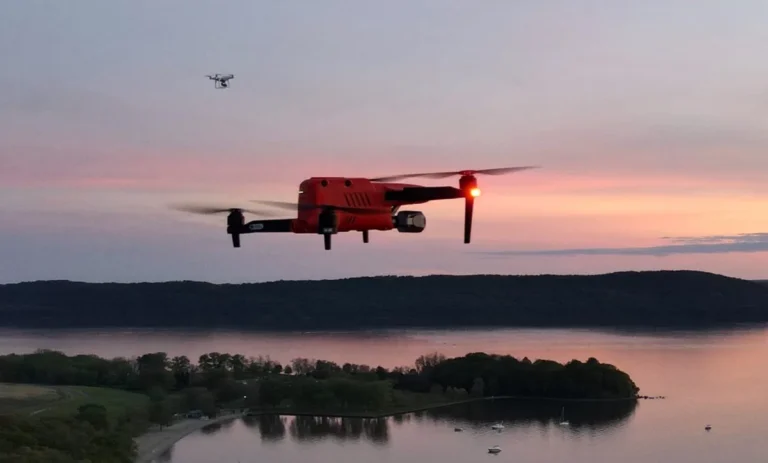
Night flying for events introduces significant safety and legal challenges. While some advanced drones and pilot certifications allow for night operations, they come with stricter requirements. Visibility becomes a major factor; ensuring you can clearly see your drone, and that it has adequate lighting for visibility to others, is paramount.
Regulations for night flying often mandate additional lighting on the drone and may require specific waivers or permissions from aviation authorities. For most event videographers, especially those newer to professional drone use, it's often safer and more practical to stick to daytime operations.
What If My Drone Loses Signal?
Losing signal with your drone is one of the most critical emergencies you can face. Most modern drones are programmed to automatically return to their takeoff point if the connection is lost for a set period, known as Return-to-Home (RTH). However, you cannot solely rely on this function.
As soon as you notice a signal drop, your priority is to regain control if possible, or ensure the RTH function is active and that the return path is clear of any new obstructions.
If the drone's RTH path conflicts with the event's layout or new hazards, you may need to manually override it if signal is partially restored, or accept the potential loss of the drone if the RTH path leads it into danger. This reinforces why maintaining a strong, stable signal by staying within visual line of sight and avoiding high-interference areas is so vital.
How Do I Handle Unexpected Obstacles?
Unexpected obstacles can appear quickly at busy events. This could be a security vehicle entering your flight path, a guest unexpectedly running into an open area, or even a bird of prey. Your reaction needs to be immediate and decisive.
This is where having a trained spotter is invaluable, as they can often identify these issues before you do.
Your emergency procedures should include knowing how to quickly ascend to a safe altitude, initiate an emergency landing in a designated safe zone, or execute a precise evasive maneuver if the situation absolutely demands it. The key is to have a clear mental picture of your surroundings and your drone's capabilities, so you can react instinctively rather than panicking.
Frequently Asked Questions About Event Drone Safety
How long does it take to get certified as a remote pilot?
Obtaining a remote pilot certificate, like the FAA Part 107 in the U.S., typically involves studying aviation knowledge and passing a knowledge test. Many people can prepare for and pass the test within a few days to a couple of weeks, depending on their prior aviation experience and the time they dedicate to studying.
What are the risks of flying over people at an event?
Flying over people without proper authorization and a suitable drone carries significant risks. If the drone malfunctions, it could fall and cause injury or damage. Regulations are strict; operating over crowds usually requires specific drone types, pilot certifications, and adherence to strict operational limitations to ensure public safety.
Is it safe to fly a drone in windy conditions at an outdoor event?
While many drones can handle moderate winds, extreme conditions pose a serious risk. Exceeding a drone's wind resistance limit can lead to loss of control, instability, and potential crashes. Always check manufacturer specifications for wind tolerance and prioritize safety by postponing flights if conditions are too severe.
Can I use a drone for indoor event filming?
Indoor drone filming is possible but requires careful consideration of space, obstacles like lights and ceiling structures, and potential signal interference. Many indoor venues have specific rules about drone use, and ensuring a safe takeoff and landing zone is critical. It often demands more precise piloting skills than outdoor flights.