What Are the Risks of Using Drones at Events?
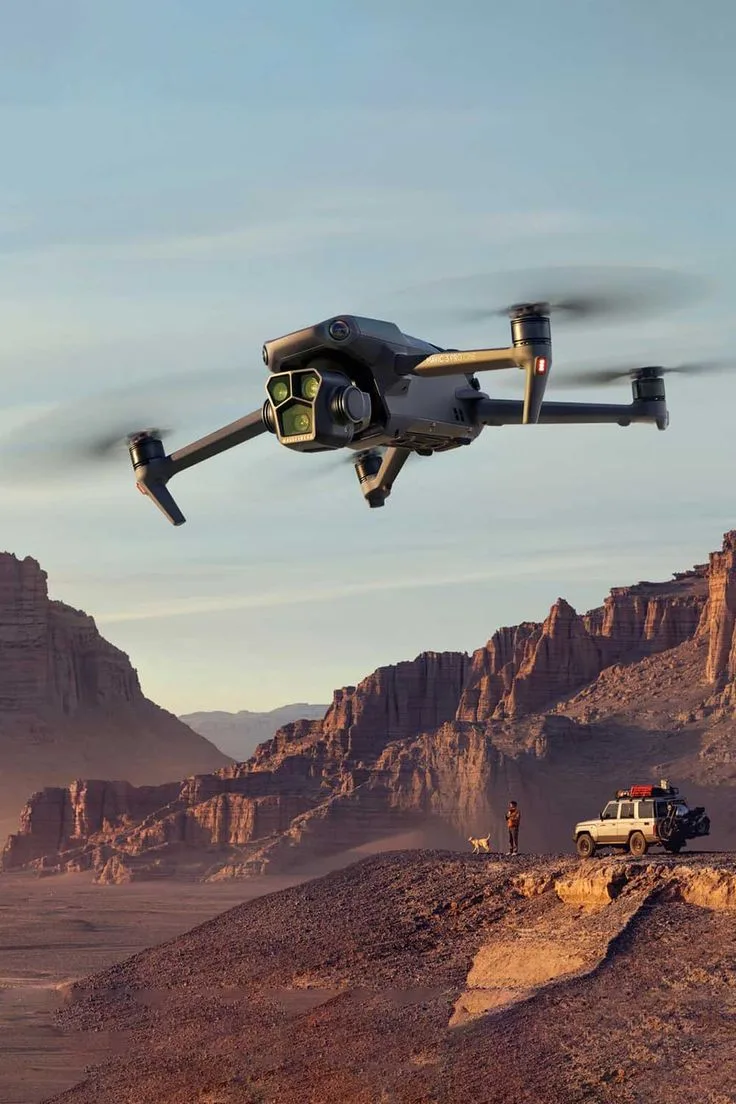
Thinking about adding drones to your next event? It's a fantastic way to capture unique perspectives and add a modern flair. However, before you take to the skies, it's crucial to understand what are the risks of using drones at events.
Not all aerial operations are straightforward, and overlooking potential issues can lead to serious problems.
This isn't about deterring you, but about equipping you with knowledge. For instance, manufacturer specifications indicate that many commercial drones require line-of-sight operation, often within 400 feet vertically and 500 feet horizontally, depending on local regulations. Let's break down the critical factors you need to consider.
Quick Answer
The primary risks of using drones at events include physical harm from falling drones, mid-air collisions, and privacy violations. Operator error, equipment malfunctions, and weather can exacerbate these dangers. Failing to comply with aviation regulations can result in significant fines and legal penalties, potentially impacting event continuity and reputation.
Hiring licensed and insured professionals is key to mitigating these threats.
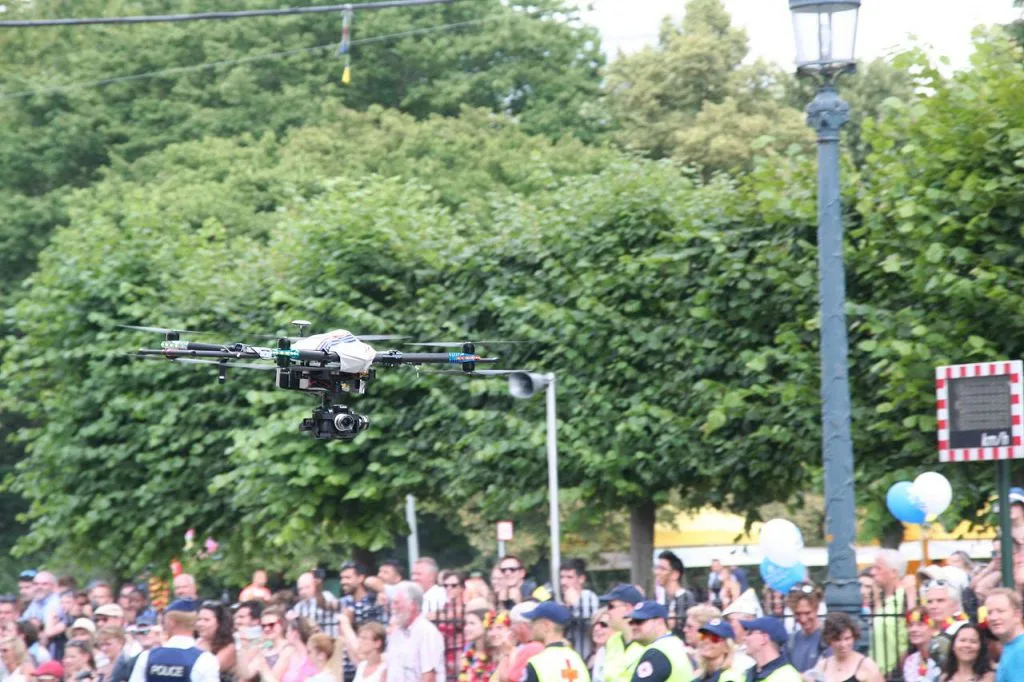
Image source: Bing (Web (fair-use with source credit))
The Core Dangers of Event Drones
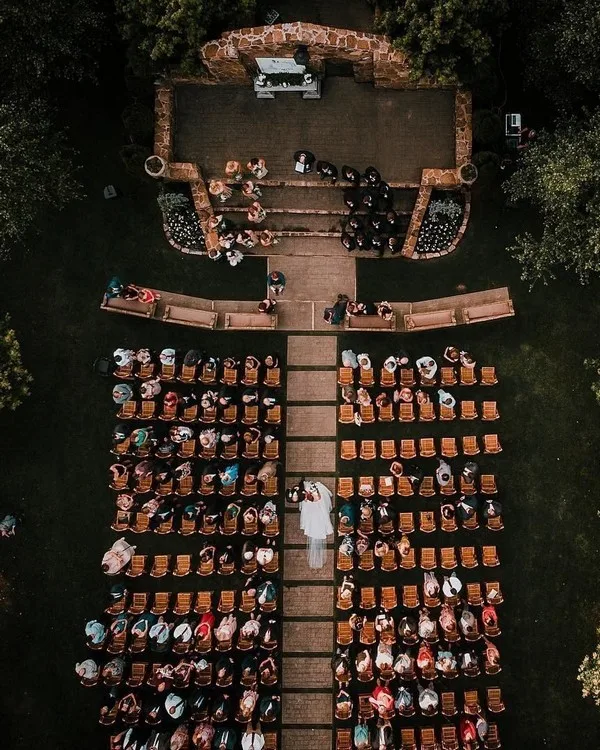
When you introduce a flying machine into a crowd, potential for physical harm is the most immediate concern. Drones, even smaller ones, carry kinetic energy that can cause injury if they fall or collide. We're not just talking about a minor bump; a falling drone can cause significant blunt force trauma, especially if it impacts someone’s head.
This risk is amplified in densely populated event spaces where evasion might be difficult.
Beyond direct impact, collisions pose a threat. A drone might strike a guest, a vendor's stall, or even a structure like a stage or tent. These collisions can lead to damage to property or injury.
The inherent unpredictability of any mechanical system, coupled with the dynamic environment of an event, means these risks are always present.
- Falling Drones: If a drone loses power or experiences a critical malfunction, it can drop unexpectedly.
- Collisions with People: Unforeseen movements or loss of control can lead to a drone hitting an attendee.
- Collisions with Structures: Drones can impact tents, stages, lighting rigs, or other event infrastructure.
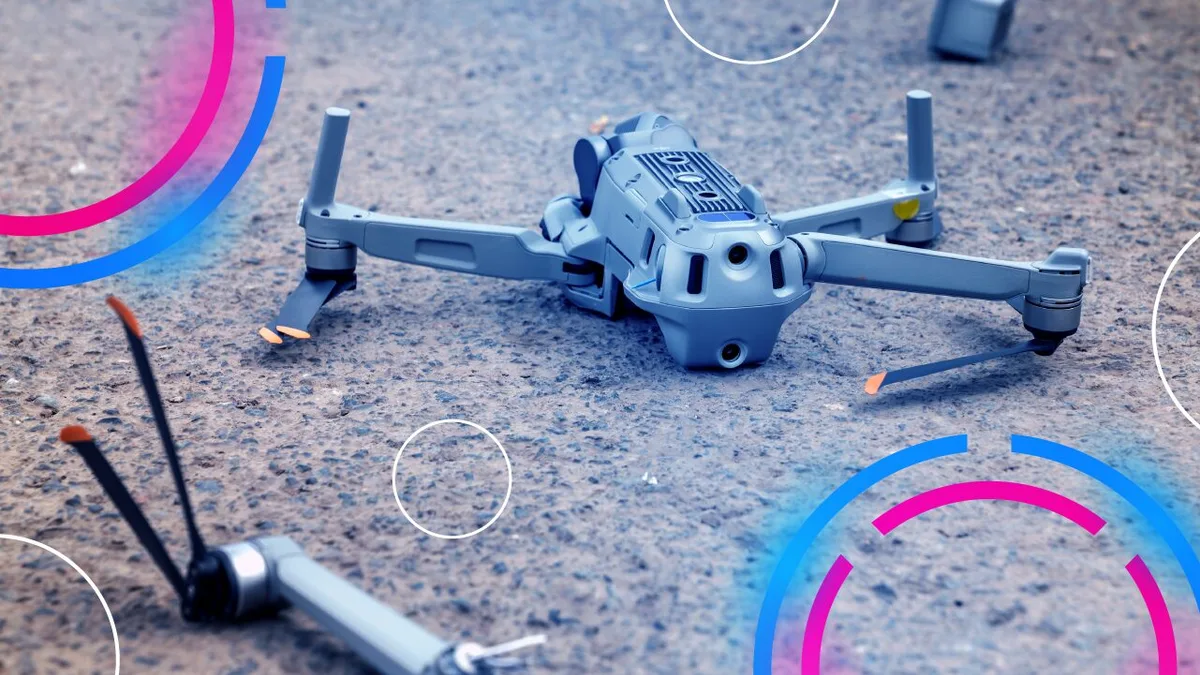
Image source: Bing (Web (fair-use with source credit))
Beyond the Obvious: Deeper Risks to Consider
While a falling drone gets a lot of attention, there are other, perhaps less visible, risks that can significantly impact an event. Privacy is a major one. Drones equipped with high-definition cameras can easily capture footage of guests without their explicit consent, leading to discomfort and potential legal complaints.
Even if the intention isn't malicious, the mere presence and capability of such recording devices can feel intrusive.
Then there's the nuisance factor. The buzzing sound of a drone can be quite loud, especially in open-air venues or during quieter moments like speeches or ceremonies. This disruption can detract from the guest experience.
Moreover, some individuals may feel uneasy or threatened by a drone operating overhead, regardless of its actual proximity or intent, leading to an unwelcome atmosphere.
- Privacy Infringement: Capturing images or video of individuals without their consent.
- Auditory Disruption: The noise from drone propellers can interrupt key event moments.
- Psychological Impact: Guests may experience anxiety or discomfort due to the drone's presence.
How to Stay Safe and Sane with Event Drones
To navigate these risks, a proactive and informed approach is essential. The single most effective strategy is to partner with professionals. Licensed drone operators and reputable companies are trained in safe flight protocols and understand the legal framework.
They typically carry their own insurance, providing a crucial layer of protection for the event.
When vetting a drone service, always ask for proof of their certifications and insurance policies. Don't just take their word for it; request to see the documentation. A professional operator will also have established safety plans specific to event environments, including designated flight zones and emergency landing procedures.
They understand how to fly in potentially crowded areas while maintaining a safe buffer.
- Hire Licensed and Insured Operators: Verify their credentials and insurance coverage.
- Develop a Comprehensive Safety Plan: Collaborate on flight paths, no-fly zones, and emergency protocols.
- Understand Drone Capabilities: Know the operational limits of the specific drone being used.
Legal and Compliance Essentials for Event Drones
Operating drones, especially at public or private events, comes with a strict set of regulations. These rules are designed to ensure safety and prevent interference with other aircraft and people on the ground. As of 2026, many jurisdictions require drone operators to hold a specific certification, such as the FAA's Part 107 Remote Pilot Certificate in the United States, indicating they have passed a knowledge test on aviation regulations.
Ignoring these legal requirements can lead to severe consequences. Fines can be substantial, and more importantly, unauthorized drone operations can lead to the grounding of your event or even legal action. It's imperative to research and comply with all federal, state, and local laws pertaining to drone use in your event's specific location.
This includes understanding airspace restrictions, like those around airports or over national parks.
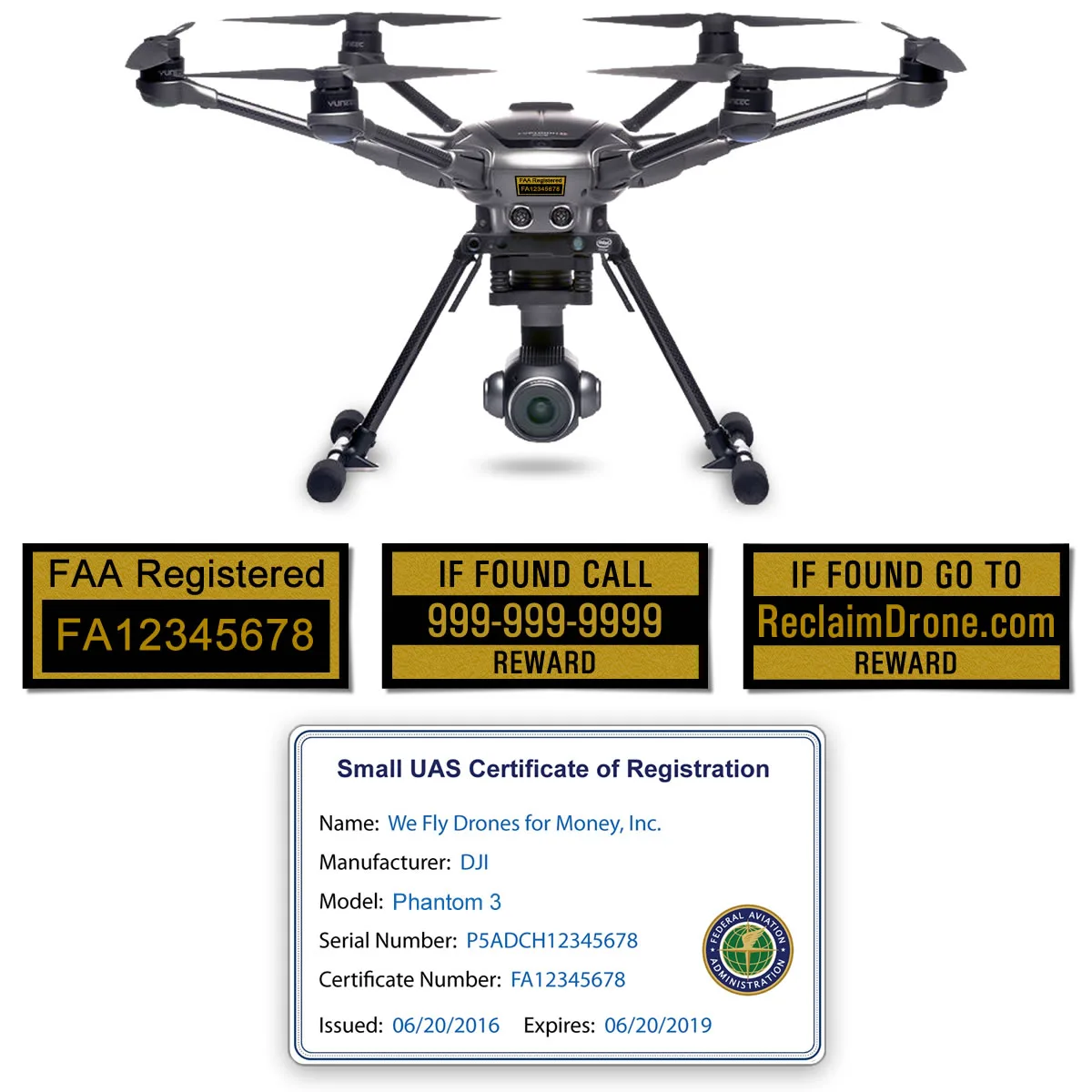
Image source: Bing (Web (fair-use with source credit))
- Certification: Operators often need official remote pilot certifications.
- Airspace Rules: Adhere to altitude limits, flight paths, and no-fly zones.
- Local Ordinances: Be aware of any specific town or city regulations for drone use.
- Insurance: Ensure adequate liability coverage is in place for any drone operation.
Expert Tips for Mitigating Drone Risks at Your Event
Navigating the world of drone operations at events requires more than just pointing a camera at the sky. It’s about smart planning and understanding the nuances that ensure success without compromising safety or legality. A key piece of advice from experienced professionals is to conduct a thorough site survey well in advance of the event.
This allows the drone operator to identify potential hazards, such as overhead power lines, tall trees, or areas with poor GPS signal. They can also determine the best launch and recovery zones that are both accessible and safe, away from guest traffic.
Furthermore, clear communication is paramount. This isn't just about telling your guests a drone will be flying; it's about establishing a communication chain between the drone operator, the event planner, and the venue management. In the event of an unexpected situation, like a sudden change in weather or a security concern, everyone needs to be on the same page instantly.
This coordination ensures swift and appropriate action.
- Site Survey: Conduct a pre-event assessment of the venue for hazards.
- Communication Plan: Establish clear communication channels for the event day.
- Weather Monitoring: Keep a close eye on weather forecasts and be prepared to adjust or postpone flights if conditions become unsafe.
When to Call in the Pros: Hiring Drone Services
Deciding whether to hire a professional drone service is a critical juncture for any event planner. While some might consider using a personal drone, the complexities and risks associated with event operations usually make professional services the safer and more effective choice. Professionals bring a wealth of experience in managing drone flights in dynamic environments.
They understand the legal prerequisites, have access to higher-quality equipment, and possess the skills to handle unforeseen circumstances gracefully.
For instance, when capturing high-stakes footage at a corporate gala or a large-scale festival, the quality of the output and the reliability of the service are non-negotiable. A professional service will typically offer pilot certifications, insurance, and a portfolio of past work that demonstrates their capabilities. They can also advise on the best drone models and camera setups for your specific event needs, ensuring you get the desired aerial shots without compromising guest safety or your event's operational flow.
- Expertise: Professionals have specialized knowledge of drone operation and event logistics.
- Equipment: Access to advanced drones and camera systems suitable for professional event coverage.
- Risk Management: Established protocols for safety, legal compliance, and insurance.
- Quality Assurance: Reliable service and high-quality footage tailored to event objectives.
Frequently Asked Questions About Event Drones and Safety
What is the primary legal requirement for flying drones at events?
The primary legal requirement often involves obtaining the necessary certifications for the drone pilot and adhering to aviation authority regulations, such as those set by the FAA. This ensures safe operation within designated airspace and minimizes risks to people on the ground.
Can drones fly indoors at events?
Flying drones indoors is possible but comes with heightened risks due to confined spaces and potential obstacles like lighting fixtures or decorations. It requires specialized indoor-rated drones or highly skilled pilots who can navigate precisely while maintaining safe distances from guests and structures.
How does weather affect drone operations at an event?
Adverse weather, such as high winds, rain, or fog, can make drone flight extremely dangerous. Wind can destabilize a drone, making it difficult to control, while rain can damage electronics. Most professional operators will ground their drones when weather conditions exceed safe operating limits to prevent accidents.
What are the privacy implications of using event drones?
Drones equipped with cameras can capture images and video of attendees without explicit consent. This raises privacy concerns, and it’s essential to inform guests that aerial photography will be taking place. Compliance with privacy laws and obtaining necessary permissions are critical to avoid legal issues and guest discomfort.