What Shots Should a Wedding Drone Videographer Get?
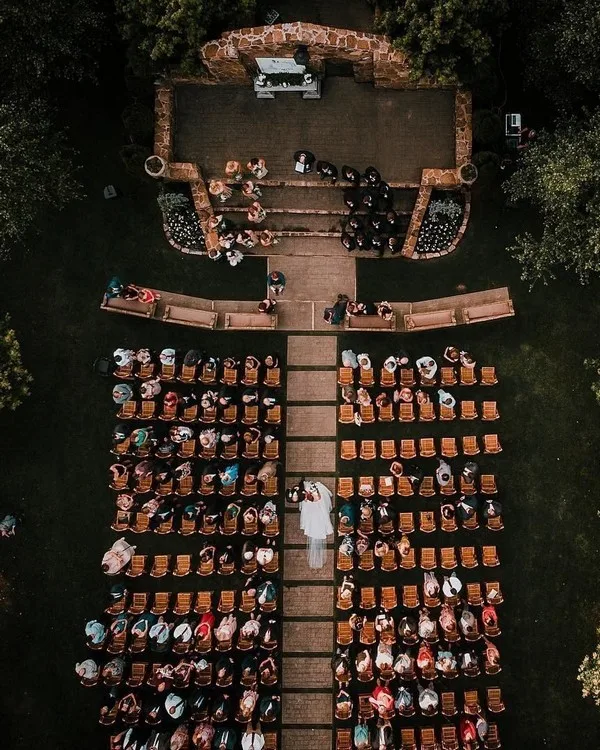
Image source: Bing (Web (fair-use with source credit))
So, you're wondering what shots a wedding drone videographer should get? It's a smart question because adding aerial footage can elevate a wedding film from nice to truly spectacular. You want those breathtaking sweeping views, those intimate overhead moments, and the epic party shots that just aren't possible from the ground.
Getting it right means understanding the venue, the flow of the day, and knowing exactly when and how to deploy that drone. Manufacturer specifications confirm that modern drones offer incredible stability, with many professional models featuring advanced gimbal systems capable of 3-axis stabilization, ensuring smooth footage even in breezy conditions.
Quick Answer
A wedding drone videographer should capture establishing venue shots, dynamic couple and landscape fly-bys, grand reveals, and energetic reception dance floor views. Key shots include smooth tracking, orbiting, and high-angle perspectives that showcase the scale of the event and romantic moments, all while respecting venue rules and guest privacy.
Essential Drone Shots: The "Wow" Factor
This is where the magic really happens. When you think about what makes wedding drone footage stand out, it’s these shots that come to mind. They’re the big, impactful visuals that draw your audience in and set the scene.
It's not just about flying a camera; it's about using the unique vantage point to tell a compelling visual story of the day.
Establishing Venue Views
This is your classic "big picture" shot. It’s the first thing many viewers want to see, a sweeping overview of the wedding venue. Whether it's a grand estate, a rustic barn, a picturesque vineyard, or a stunning beach resort, this shot grounds the viewer and provides context.
It shows the setting in its full glory.
Think of it as the opening paragraph of a book. It tells you where you are and hints at the atmosphere. For example, a shot revealing a sprawling country estate with manicured gardens, or a coastal resort overlooking the ocean, instantly communicates elegance and scale.
This shot is usually best captured early in the day, perhaps before guests arrive, to ensure a clean, unobstructed view.
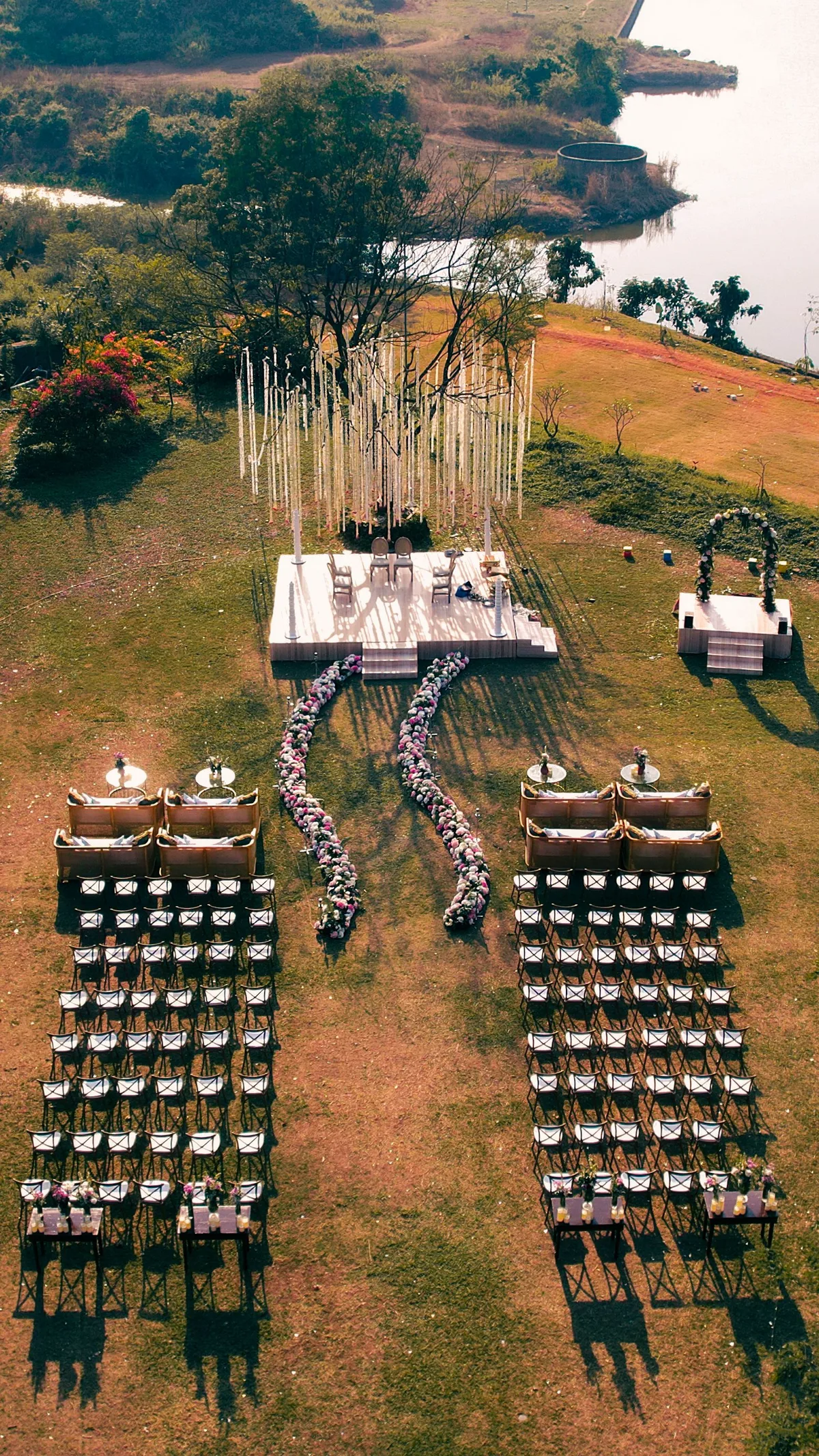
- Purpose: Sets the scene and showcases the venue's beauty.
- When to get it: Early in the day, before guest arrival.
- Ideal conditions: Clear skies, good natural light.
Grand Reveals and Entrances
These shots build anticipation and deliver emotional impact. They’re about using the drone’s movement to unveil something significant, the bride walking down the aisle, the couple emerging from the ceremony, or even the surprise arrival of a special guest. The drone’s ability to move smoothly and dramatically can heighten the emotional intensity of these moments.
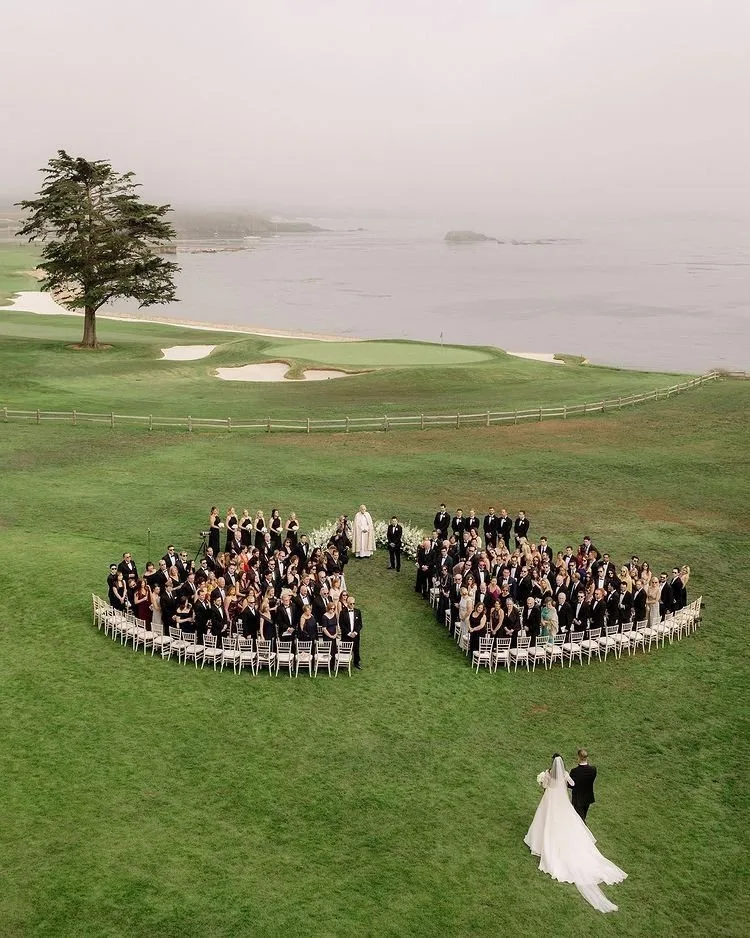
Imagine the drone slowly ascending or moving laterally to reveal the bride, her dress trailing behind her as she walks towards her partner. Or, a shot that starts tight on the couple's faces as they exit the ceremony, then smoothly pulls back and upwards to show them surrounded by cheering guests. These cinematic reveals add a layer of professionalism and storytelling depth that’s hard to achieve otherwise.
Dynamic Couple and Landscape Shots
This is where the drone becomes an active participant in creating romantic and memorable imagery of the couple. It’s about smooth, flowing movements that integrate the couple with their environment. Think of a gentle drone orbit around the couple as they share a quiet moment on a scenic overlook, or a graceful tracking shot that follows them as they walk hand-in-hand through a beautiful landscape.
These shots can make the couple look like they're in their own cinematic moment, framed by breathtaking scenery. Whether it’s a sweeping panorama of a mountain range behind them, or a close, smooth fly-by as they stand on a cliff edge, the drone footage adds a sense of epic romance. The key here is smooth, controlled movement that complements, rather than overwhelms, the couple.
Capturing the Party Energy
Once the formalities are over and the celebration kicks off, the drone can provide a unique perspective on the joy and energy of the reception. A high-altitude shot looking down on the dance floor as guests are having a blast, or a sweeping view of the entire reception space filled with people, can be incredibly dynamic. It shows the scale of the celebration and the collective happiness of the event.
These shots are less about intimate moments and more about capturing the overall atmosphere and buzz of the party. A slow, wide orbit above the dance floor can show everyone dancing, laughing, and celebrating. This footage adds a sense of scale and vibrancy that reinforces the memory of a fun-filled celebration.
Intimate Yet Expansive Aerials
While drones are fantastic for those grand, sweeping shots, they can also be used to capture moments that feel both intimate and grand. It’s about finding that balance, using the aerial perspective to enhance emotional resonance without losing the personal touch. These are the shots that often surprise couples with their beauty and depth.
Elevated Couple Portraits
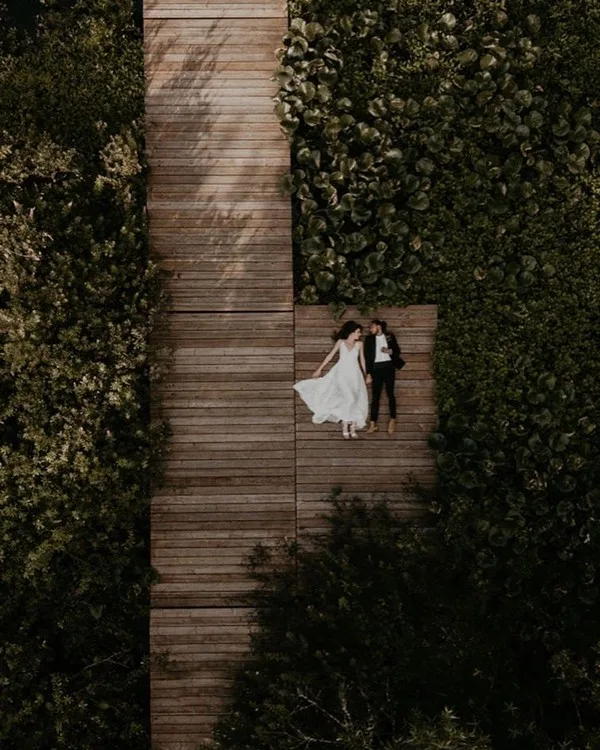
This is a fantastic application of drone videography that goes beyond just the venue. Imagine the couple posing for portraits, and instead of just ground-level shots, you have the drone gliding smoothly around them, or pulling back to reveal an incredible backdrop. This can add a professional, almost magazine-cover quality to their portraits, making them feel like stars.
The drone can capture the couple framed against a stunning vista, a rolling hillside, a dramatic coastline, or even a unique architectural feature. A slow, controlled orbit that keeps the couple centered while the background shifts and expands can be incredibly captivating. It’s about making the couple the hero of a beautiful, expansive scene.
- Why it works: Adds dramatic scale and visual interest to portraits.
- Key technique: Smooth, consistent camera movement.
- Result: Couples feel like they're in a cinematic scene.
Ceremony Overview Shots
Capturing the ceremony from above requires sensitivity and respect for the solemnity of the occasion. The goal isn’t to be intrusive, but to offer a unique perspective on the gathering of loved ones. A high-altitude, subtle shot that shows the officiant, the wedding party, and all the guests assembled can be incredibly moving.
It emphasizes the sense of community and shared joy surrounding the couple. This shot is best executed with a slow, steady ascent or a distant, static hover that doesn't draw attention. It’s about capturing the scope of the celebration, everyone gathered to witness their union.
Subtle Moments During the Ceremony
Beyond a broad overview, drones can sometimes capture subtle, atmospheric shots during the ceremony itself. This needs to be done with extreme care to avoid being distracting. A slow, quiet pass of the drone overhead during a particularly emotional reading or a poignant musical interlude can add a layer of dramatic emphasis.
The drone’s quiet hum, when properly managed, can even blend into the ambient sounds. The visual of the drone moving gracefully high above can underscore the significance of the moment. It’s a nuanced technique that, when used sparingly and appropriately, can add profound emotional weight to the wedding film.
Storytelling Through Movement and Framing
The real power of drone videography in weddings isn't just the elevated viewpoint, but the movement and framing the drone allows. It's about guiding the viewer's eye and building narrative through dynamic camera work. When executed well, these shots feel intentional, artistic, and deeply connected to the story of the day.
Following the Couple
This involves the drone moving with the couple, creating a sense of journey and intimacy even from above. Imagine the couple walking hand-in-hand through a field of wildflowers, and the drone smoothly flies alongside them, keeping them perfectly centered in the frame. Or, as they walk away from the ceremony, the drone tracks them, revealing the cheering crowd behind them.
This kind of shot makes the couple the undeniable focus, with the environment enhancing their story. It creates a fluid, cinematic experience that draws the viewer into their journey. The key is smooth, consistent speed and altitude to ensure the movement feels natural and not jarring.
- Goal: Create a sense of journey and keep the couple central.
- Techniques: Smooth tracking, parallel flight paths.
- Effect: Enhances narrative and emotional connection.
Sweeping Reveals and Fly-bys
These are the dramatic entrances and exits. A sweeping reveal might involve the drone starting behind a structure or a cluster of trees and then smoothly flying out to unveil the entire venue or a specific scene, like the ceremony setup. A fly-by can be used during the exit, with the drone soaring over the couple as they walk through a tunnel of sparklers or bubbles.
These movements are designed to build anticipation and deliver a visual payoff. They add an element of grandeur and spectacle that captures the excitement of the occasion. The planning for these shots is critical, ensuring the drone has a clear flight path and the reveal is timed perfectly with the action on the ground.
Orbiting and Tracking
Orbiting means the drone circles the subject (usually the couple or a key feature of the venue) at a consistent distance and altitude. This provides a 360-degree view, showcasing the subject and its surroundings beautifully. Tracking involves the drone following a subject as it moves, whether that's the couple walking, or even a procession.
Both techniques require precise control and an understanding of the drone’s capabilities, as manufacturer specifications often detail maximum tracking speeds and turning radii. These controlled movements create a polished, professional look. They allow viewers to appreciate the subject from all angles and follow the action seamlessly.
Crucial Considerations for Perfect Drone Footage
Getting those stunning shots isn't just about knowing what to aim for; it's about careful preparation and awareness. A drone is a powerful tool, but like any tool, it needs to be used correctly to achieve the best results and avoid problems. As of 2026, regulations and best practices continue to evolve, so staying informed is key.
Venue Scouting and Planning
Before the wedding day, if at all possible, you need to scout the venue. This isn't just about finding a place to take off and land. It’s about understanding the layout, identifying potential obstacles like tall trees or power lines, and noting the best spots for those "wow" shots you've planned.
Does the venue have specific areas that are particularly picturesque? Are there any quiet spots where you can get intimate couple shots without wind interference?
This prep work allows you to create a shot list tailored to the specific location. You’ll know where the sun will be at different times of day, which is crucial for lighting. It also helps you anticipate any challenges.
For instance, a venue nestled in a valley might have signal issues, or a popular spot might have too many guests for safe drone operation during peak times.
- Why it matters: Ensures smooth operation and maximizes shot opportunities.
- What to look for: Obstacles, lighting, takeoff/landing zones, scenic spots.
- Outcome: A pre-planned shot list tailored to the venue.
Timing and Day-Of Coordination
Timing is everything with drone shots. You can't just fly whenever you feel like it. Think about the flow of the wedding day.
The grand reveal of the bride is a perfect moment, but only if you’re ready and positioned correctly. The reception party energy is fantastic for drone footage, but perhaps not during the speeches or the first dance.
You need to coordinate closely with the wedding videographer and photographer. Often, drone shots of the couple can be integrated into their portrait session, but this requires clear communication. Knowing the schedule of events, ceremony start, cocktail hour, reception events, allows you to plan your flights effectively.
This prevents disrupting key moments or appearing intrusive.
Safety, Regulations, and Venue Rules
This is non-negotiable. Flying a drone comes with responsibilities. First, you must be aware of and comply with all local and national aviation regulations.
In the US, for example, this often involves adhering to FAA guidelines for commercial drone operation. Most professional operators maintain a Part 107 certification.
Some might prohibit them entirely due to noise concerns, privacy issues, or insurance policies. Always, always get explicit permission from the venue management before flying. Prioritizing safety means ensuring a clear flight path, maintaining visual line of sight with the drone, and never flying over crowds if it could pose a risk.
This is paramount, as an accident can have serious consequences.
The FAA's Remote Pilot Certificate (Part 107) is a common requirement for commercial drone pilots in the United States, ensuring they understand airspace regulations, weather, and safe operating practices. This knowledge is vital for protecting both the wedding party and their guests. Adhering to these guidelines isn't just about avoiding fines; it's about ensuring the wedding day proceeds without any safety incidents or legal entanglements.
As of 2026, understanding restricted airspace near airports, temporary flight restrictions (TFRs), and obtaining waivers for certain operations are also critical aspects of responsible drone piloting at special events. Always consult the latest official aviation advisories before any flight. This diligence ensures that the drone footage captured is not only beautiful but also legally and safely obtained, adding peace of mind for everyone involved.
Common Drone Shot Mistakes to Avoid
Even with the best intentions, it's easy to make missteps when incorporating drone footage into wedding videography. These aren't usually about technical drone operation, but rather how the drone is used within the context of the wedding day itself. Avoiding these common errors ensures the footage adds value rather than detracting from the couple's special day.
Distraction and Intrusion
The biggest pitfall is letting the drone become the focus, or worse, a nuisance. If guests or the couple are constantly looking up at the drone, or if its noise is a constant interruption, it's too much. The goal is to capture beautiful, unobtrusive footage.
This means choosing moments when the drone's presence is minimal. For example, flying during cocktail hour or while guests are mingling outdoors is generally less intrusive than during quiet vows or a formal dinner.
Poor Composition and Framing
Just because you can get a shot doesn't mean it's a good shot. A common mistake is flying too high or too low, or framing the subject poorly. If the couple is just a tiny speck in a vast landscape, their emotional connection is lost.
Conversely, flying too close can make the shot feel claustrophobic or shaky.
It’s crucial to frame the subject intentionally. If you’re shooting the couple, ensure they are the clear focus, perhaps with a slightly blurred but beautiful background. Manufacturer guidelines for professional camera drones often emphasize maintaining subjects within the "rule of thirds" or using leading lines in the environment to create visual interest, which helps avoid static, uninspired framing.
Ignoring Weather and Lighting
Drones are sensitive to environmental conditions. Flying in strong winds can lead to shaky footage and potential control issues. Rain or heavy mist is usually a no-go for most consumer and even many professional drones, as they aren't built for water immersion.
Bright, direct sunlight can also cause harsh shadows or overexposed footage.
A wise drone pilot always checks the weather forecast and plans accordingly. If conditions aren't ideal, it's better to skip a shot than to produce unusable or unsafe footage. Sometimes, softer light during the "golden hour" (shortly after sunrise or before sunset) can provide the most flattering light for both aerial and ground shots.
Expert Tips for Wedding Drone Videography
To go from simply flying a drone to creating cinematic wedding films, a few pro strategies make a huge difference. These tips focus on the integration of drone footage into the overall wedding narrative and presentation. They are about enhancing the storytelling rather than just adding aerial B-roll.
Pre-Wedding Consultations
Talking with the couple before the wedding is essential. Discuss what kind of aerial shots they envision and what's important to them. Do they want sweeping venue shots?
Intimate couple fly-bys? They might have specific ideas based on other wedding films they've seen. Understanding their desires helps you tailor your shot list.
It's also important to manage their expectations. Drone footage is stunning, but it can't capture every single moment. Be clear about what’s feasible given the venue, the schedule, and the weather.
This consultation sets the stage for a collaborative process and ensures you're both on the same page.
Understanding Your Drone's Capabilities
Every drone has its strengths and limitations. A high-end professional drone, for instance, might boast advanced obstacle avoidance systems and longer flight times, often exceeding 30 minutes per battery. Cheaper models might have shorter flight durations and less sophisticated flight controls.
Knowing your equipment inside and out is key. Can your drone hover steadily in a slight breeze? What's its maximum stable operating range?
What kind of camera resolution and frame rates does it support? For example, capturing 4K video at 60 frames per second offers more flexibility in post-production for slow-motion effects. Familiarity with your drone’s specific features ensures you can push its capabilities creatively and safely.
Seamless Integration with Ground Footage
The most effective wedding drone films blend aerial shots seamlessly with traditional ground-based videography. Drone footage should complement, not compete with, the shots captured by other cameras. This means thinking about how the aerial shots will transition into and out of ground footage.
A smooth drone reveal of the ceremony might transition into a ground-level shot of the guests watching. A sweeping shot of the dancing might cut to close-ups of happy faces on the dance floor. It’s about creating a cohesive visual narrative.
This often requires close collaboration with the ground videographer to ensure consistent lighting, color grading, and overall visual style.
Frequently Asked Questions About Wedding Drone Shots
What are the most important drone shots for a wedding?
The most impactful shots include establishing venue views, dynamic fly-bys of the couple with scenic backdrops, and energetic wide shots of the reception. These provide context, scale, and a sense of grandeur.
How do I ensure drone footage doesn't distract guests?
Plan flights for times when guests are less focused on the ceremony or reception events, such as during cocktail hour or while they are outdoors mingling. Maintain a safe distance and a quiet, controlled flight path to minimize any disruption.
Are there legal restrictions on flying drones at weddings?
Yes, generally. In the US, pilots must adhere to FAA regulations, often requiring a Remote Pilot Certificate (Part 107). Many venues also have their own drone policies, so always seek explicit permission and verify airspace restrictions beforehand.
How much drone footage should be included in a wedding video?
The amount varies, but drone footage should enhance, not dominate, the film. Typically, 10-20% of the final video might be drone footage, strategically placed to boost visual appeal and storytelling.