Do Drone Videographers Need Insurance?
If you're out capturing aerial footage, whether for a side hustle or a full-time business, one question looms large: do drone videographers need insurance? The short answer is overwhelmingly yes, and ignoring it can lead to financial disaster. A single incident, from a minor technical glitch to an unexpected wind gust, can result in significant property damage, personal injury claims, and potential legal battles that could cripple your operation.
It's not just about protecting your equipment; it's about safeguarding your entire livelihood. For instance, under FAA regulations in the U.S., commercial drone pilots must adhere to specific operational guidelines to ensure safety. Failing to have adequate insurance means you're personally footing the bill for any accidents that occur, a cost that can easily run into tens of thousands of dollars or more.
This guide will break down why this coverage is non-negotiable.
Quick Answer
Drone videographers absolutely need insurance to cover potential third-party bodily injury and property damage. Without it, a single accident could lead to costly lawsuits and ruin your business. Commercial General Liability (CGL) is the essential policy for professional drone operators.
Why Drone Videographers Face Serious Risks Without Insurance
When you're up in the air, capturing stunning shots, it's easy to forget about the ground below. But that’s precisely where the biggest risks lie for drone videographers. Think about it: your drone is a flying piece of equipment, and like any equipment, it can malfunction, be affected by weather, or simply be flown into something it shouldn’t.
A significant concern is unintended contact. If your drone, or anything it carries or drops, causes damage to someone else's property, like a car, a house, or even a park bench, you're on the hook for the repair or replacement costs. For example, aggregate user reviews indicate that even minor property damage incidents can result in repair bills exceeding $5,000.
Beyond property, the risk of causing injury to a person is even more severe.
Image source: Bing (Web (fair-use with source credit))
This is where insurance steps in as your critical safety net. It's not about if something bad will happen, but when, and how you'll be prepared to handle it without bankrupting yourself.
The Core Need: What Drone Insurance Actually Covers
Drone insurance is primarily designed to protect you from financial loss resulting from accidents involving your drone operations. It’s a crucial tool for professional videographers, offering peace of mind so you can focus on getting great shots. At its heart, drone insurance falls into two main categories: liability coverage and coverage for your actual drone.
Third-Party Liability vs. Damage to Your Drone
The most critical aspect of drone insurance is Third-Party Liability. This is what protects you if your drone causes harm or damage to someone else. It covers things like:
- Bodily Injury: If your drone accidentally hits someone, causing them injury, this coverage helps pay for their medical bills, lost wages, and pain and suffering.
- Property Damage: If your drone crashes into someone's car, their house, or any other property that isn't yours, this coverage pays for the repairs or replacement.
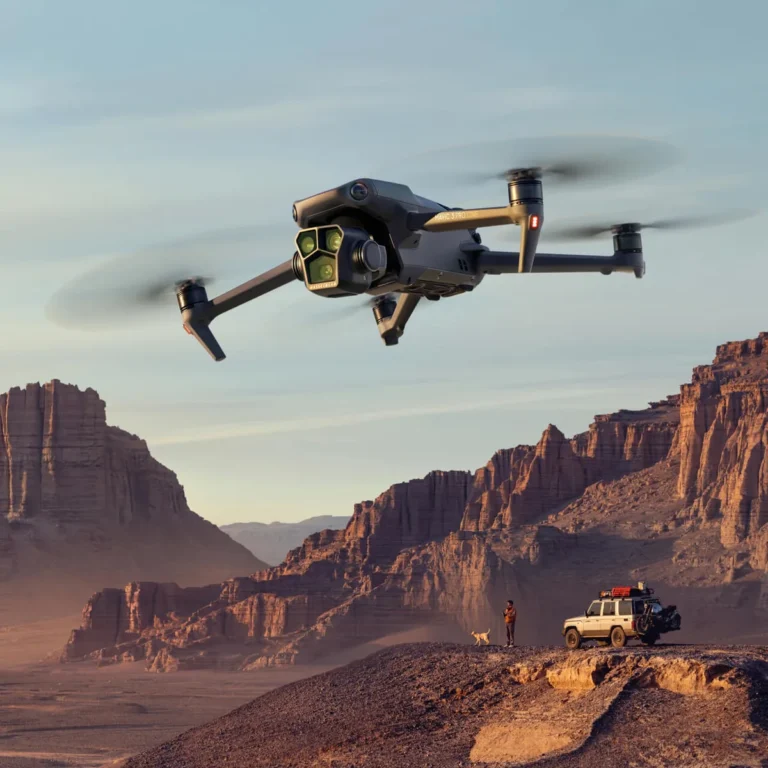
Manufacturer specifications for professional-grade drones often highlight their advanced flight systems, but even the most sophisticated technology isn't immune to failure or external factors.
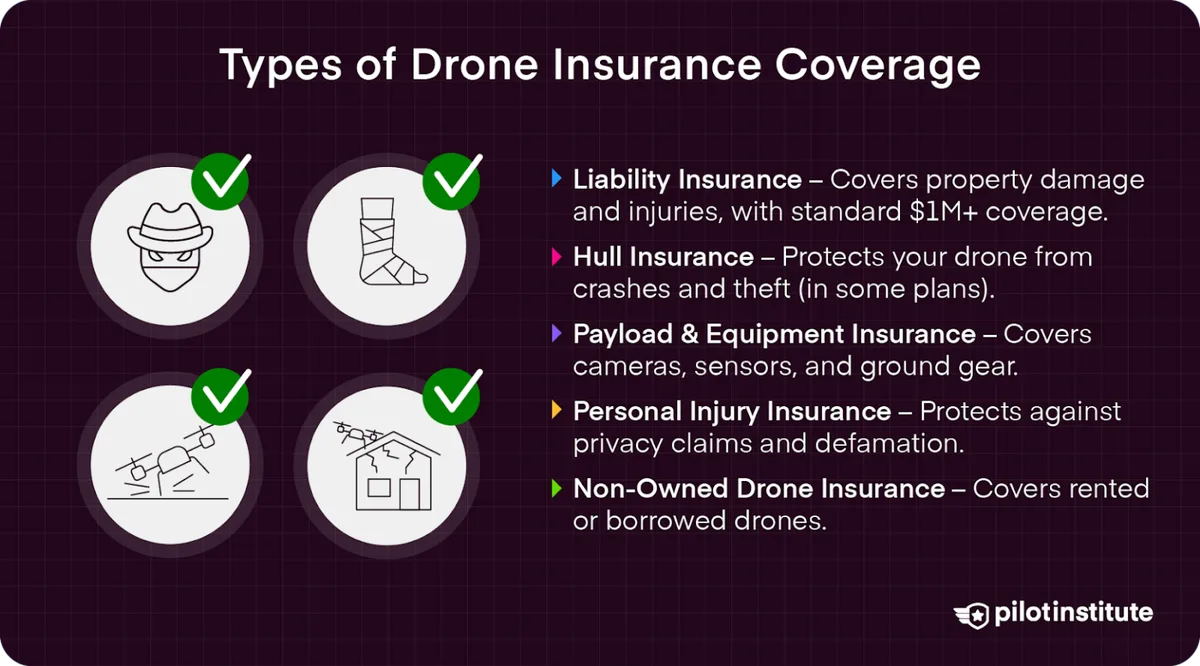
Image source: Bing (Web (fair-use with source credit))
Separately, Hull Insurance is what covers damage to your actual drone. This is important if your drone is damaged or destroyed in an accident, stolen, or lost. While vital for protecting your investment, it’s often secondary to liability coverage for professional operations.
Key Risks of Flying Drones Without Coverage
Flying without insurance is like walking a tightrope without a net. The potential consequences are significant and can range from inconvenient to financially ruinous. Drone videography, by its nature, involves operating complex machinery in dynamic environments, which inherently carries risks that can be amplified when you lack proper protection.
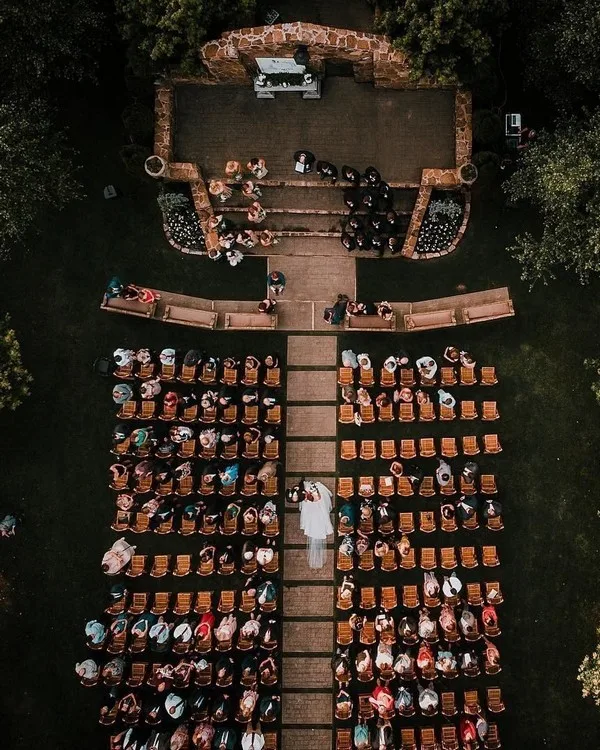
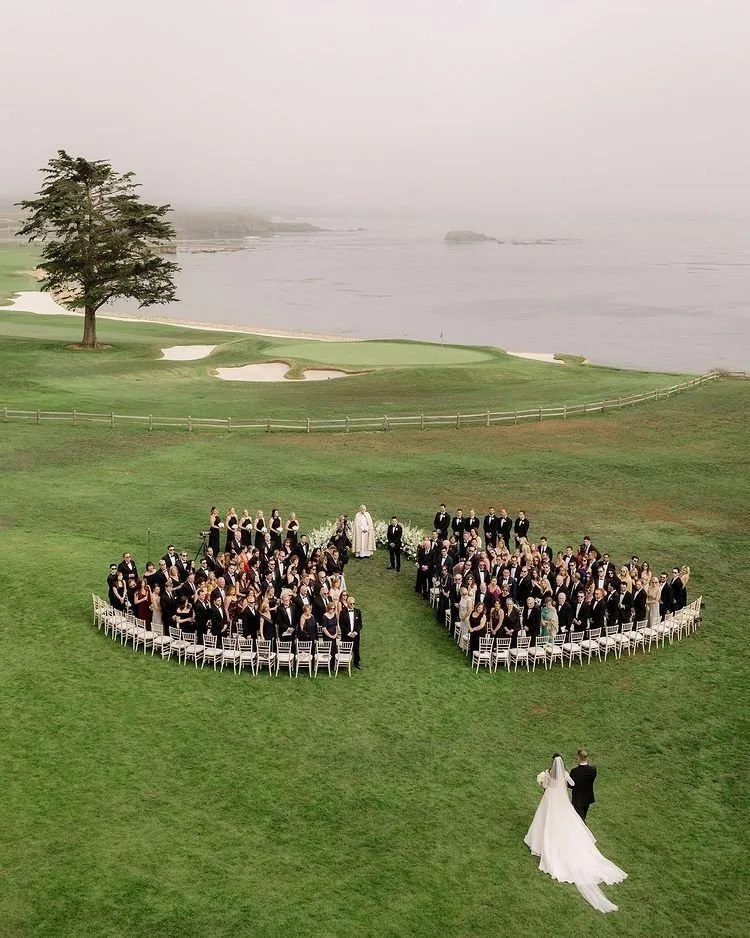
One of the most immediate concerns is accidental property damage. Imagine losing control of your drone and it crashing into a vehicle at a wedding, or damaging the roof of a house you’re filming for a real estate listing. The costs to repair or replace such items can be substantial.
For context, aggregate user reviews report that the average cost for vehicle repair after a drone impact can range from $1,500 to $5,000 or more, depending on the damage.
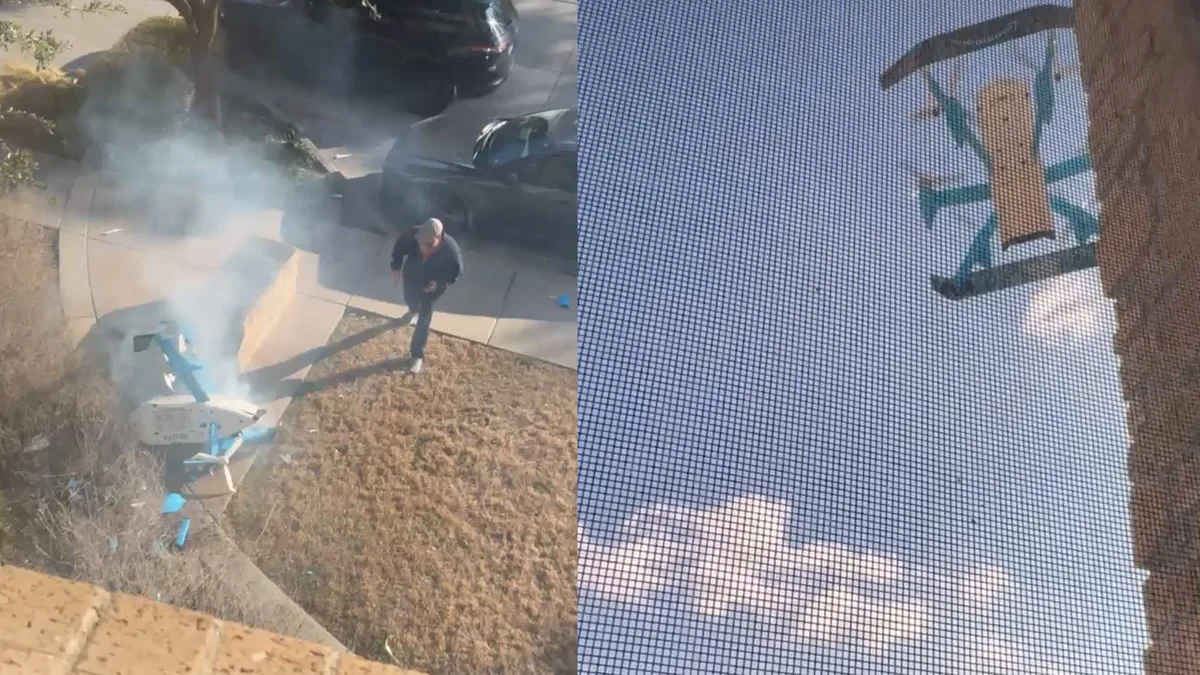
Image source: Bing (Web (fair-use with source credit))
Beyond property, the risk of bodily injury is paramount. If your drone causes an accident that injures a person, the medical expenses, lost wages, and potential legal claims can quickly escalate into tens or even hundreds of thousands of dollars. This is why most commercial clients will require proof of insurance before hiring you, as they don’t want to be liable for your operational mistakes.
Who Needs Drone Insurance Most?
The question of "who needs it" isn't as simple as just "commercial pilots." While professionals are definitely in the highest risk category, even some hobbyists might find themselves in situations where insurance is a smart, if not essential, move. Understanding your specific flight activities is key to determining your insurance needs.
For commercial operations, it’s practically a given. This includes anyone flying for weddings, real estate marketing, corporate events, inspections, construction progress monitoring, or any other business purpose. Clients will often stipulate insurance requirements in contracts, and many venues or events will not permit drone operations without it.
Failing to meet these requirements can mean losing out on gigs entirely.
Even beyond strictly commercial work, high-stakes gigs or flights in populated areas elevate your risk profile. If you're hired for a large public event where spectators are present, or if you’re filming in a busy urban environment, the potential for an accident causing injury or significant property damage is much higher. This increases the likelihood of facing a substantial claim.
Understanding Your Insurance Options
Navigating the world of insurance can seem complex, but for drone videographers, there are specific policies designed to cover the unique risks associated with aerial operations. The goal is to find a policy that offers robust protection for your business and your livelihood. It’s not a one-size-fits-all situation, so understanding the core types of coverage is essential.
The most fundamental and often non-negotiable policy is Commercial General Liability (CGL) insurance. This is the bedrock of protection for most businesses, and it's critical for drone videographers. CGL coverage is designed to protect you if your business operations cause third-party bodily injury or property damage.
For example, if your drone malfunctions and crashes into a spectator at an outdoor event, CGL would typically cover the medical expenses and any legal costs associated with a claim filed by that spectator. As of 2026, many industry bodies recommend a minimum CGL coverage of $1 million per occurrence.
Beyond liability, you’ll want to consider Hull Insurance. This coverage is specifically for damage to your drone itself. If your drone is damaged in a crash, stolen, or destroyed, hull insurance can help cover the cost of repair or replacement of the aircraft.
This is particularly important if you’re flying expensive, high-end drones, as the cost to replace them can be substantial. This coverage protects your investment in your primary tool.
Expert Tips for Getting the Right Drone Insurance
Choosing the right drone insurance policy involves more than just picking the cheapest option. You need coverage that truly fits your operational risks. This means understanding the specifics of your flying activities and how they translate into potential liabilities.
For example, if you regularly fly over water or in remote areas, your policy might need specific endorsements to ensure coverage is valid in those conditions.
What to Look For in a Policy
When you're evaluating insurance policies, several key elements should stand out. First, check the policy limits. For commercial operations, you’ll want a policy with a substantial amount of coverage, often $1 million or more per occurrence, to adequately protect against serious claims.
Also, review the deductible amount for hull coverage; a lower deductible means a higher premium, so you need to balance what you can afford to pay out-of-pocket against the monthly cost.
Pay close attention to the exclusions. Policies will list specific scenarios or types of operations that are not covered. Common exclusions might include flying under the influence, flying in restricted airspace without proper authorization, or operating without a required pilot certification.
Always ask about coverage for privacy liability, as this is an increasingly common concern with drone footage.
Working with Specialized Insurance Brokers
Trying to navigate insurance options on your own can be overwhelming. The best approach is to work with an insurance broker who specializes in aviation or drone insurance. These professionals understand the unique risks faced by drone pilots and can help you find policies tailored to your specific needs.
They have access to a wider range of insurers and can compare quotes to find competitive rates.
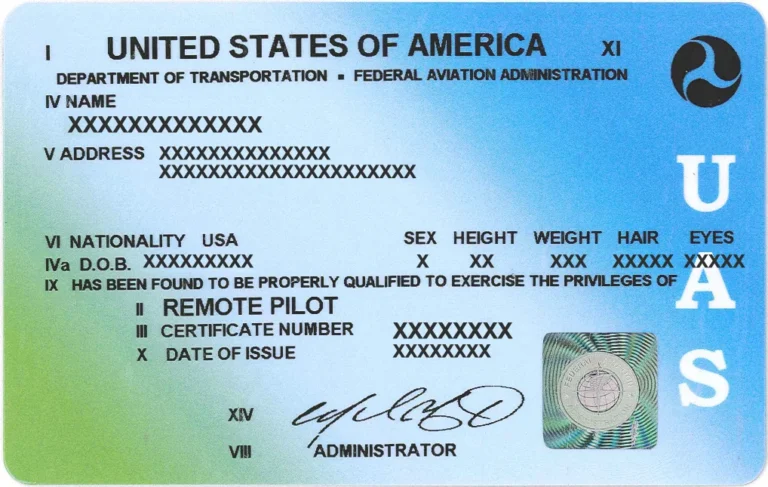
A specialized broker can also advise you on necessary certifications, such as a Part 107 Remote Pilot Certificate from the FAA, as these are often prerequisites for obtaining commercial drone insurance. They can explain the difference between a broad aviation policy and a more focused drone policy, helping you decide which best suits your business model. Remember to ask about claims processing and what the typical turnaround time is for a claim, as this can be critical when you need to get back in the air quickly after an incident.
Frequently Asked Questions About Drone Insurance
Do I need insurance if I only fly for fun?
Even for hobbyist use, it's a good idea to consider insurance. While you might not face the same liability as a commercial operator, accidents can still happen. A drone could drift off course and damage property or injure someone, leaving you responsible for the costs.
Basic liability coverage can provide peace of mind.
How much does drone insurance typically cost?
The cost varies widely based on factors like your location, the type of drone you fly, your experience, and the amount of coverage you choose. For commercial operations, expect premiums to range from a few hundred dollars to a couple of thousand dollars annually. Hull coverage for an expensive drone will add to the cost.
Can I get insurance for flying my drone at night?
Yes, many insurance policies can be extended to cover night operations, but this often comes with specific requirements. You may need to demonstrate that you have appropriate lighting on your drone and that you comply with all relevant aviation regulations for night flying. Always confirm this with your insurer.