Is Drone Videography Good for Real Estate?
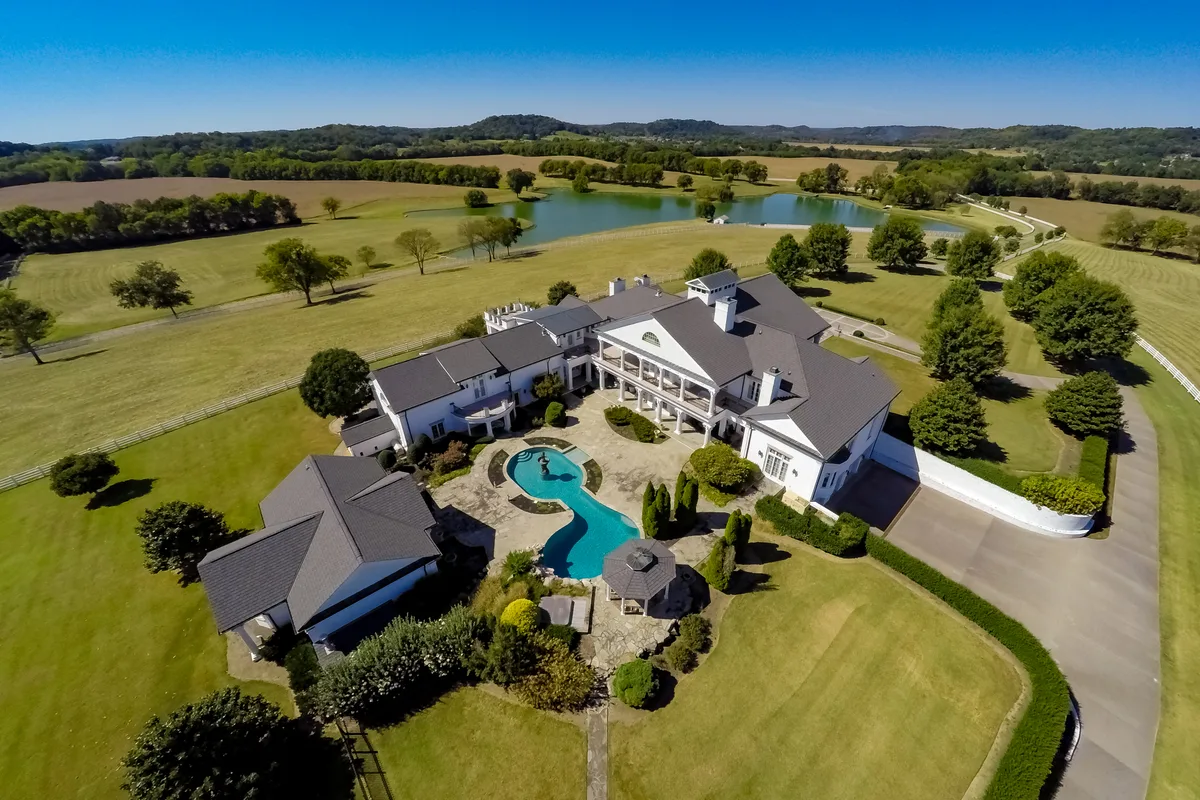
Image source: Bing (Web (fair-use with source credit))
Is Drone Videography Good for Real Estate?
If you're wondering, "Is drone videography good for real estate?", the straightforward answer is yes, it's become a powerful tool for making properties stand out. Traditional photos offer a glimpse, but aerial video gives potential buyers a dynamic, comprehensive view they can't get any other way. It’s about showcasing a property and its surroundings in a way that truly captures attention and conveys value.
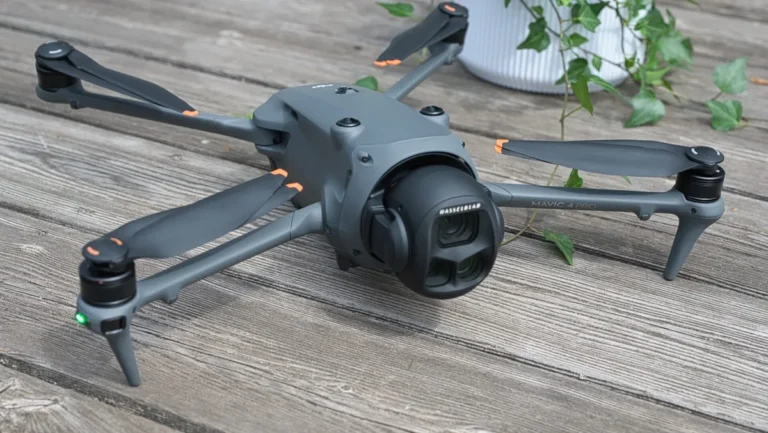
Our research indicates that integrating drone footage into property listings can significantly boost engagement. For instance, manufacturers like DJI specify that their professional drone cameras can capture video footage in 4K resolution at 60 frames per second, offering clarity and detail that enhances the viewing experience. This level of quality helps paint a more complete picture for distant buyers or those who want to feel immersed before a physical visit.
Quick Answer: Yes, It's a Powerful Tool for Listings
Drone videography is excellent for real estate marketing. It provides buyers with a comprehensive, engaging view of properties. This aerial perspective highlights location, scale, and unique features that standard photos miss.
As of 2026, it's practically expected for higher-value or unique properties.
How Drone Videography Elevates Property Listings
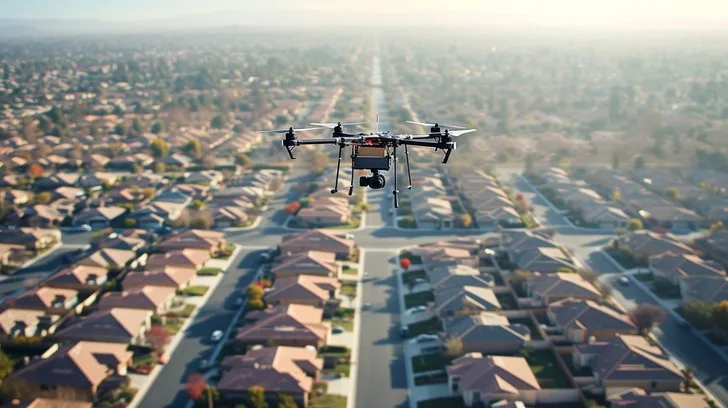
Drone videography offers a unique advantage in the crowded real estate market by presenting properties from a captivating aerial perspective. It goes beyond mere aesthetics; it's about delivering crucial information in a visually compelling format. Think of it as giving potential buyers a virtual fly-by that highlights key aspects of a home and its environment, making a listing far more memorable and informative.
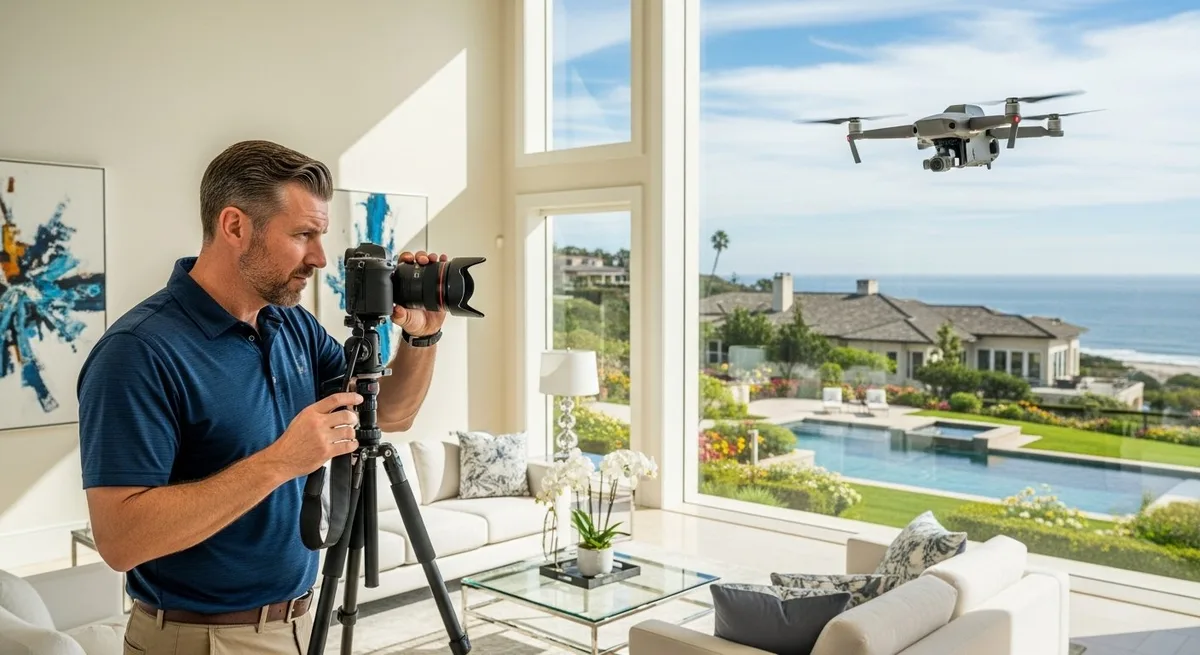
Image source: Bing (Web (fair-use with source credit))
Capturing the Full Picture: Beyond the Front Door
Traditional real estate photography typically focuses on interior rooms and the immediate facade of a home. While essential, these images offer a fragmented view. Drone video, on the other hand, provides a holistic perspective.
It can showcase the entire property footprint, the layout of the grounds, and the relationship between different structures on the lot. This comprehensive visual tells a more complete story about the property's size and design.
Showcasing Location and Lifestyle
The immediate surroundings of a property are just as important as the home itself. Drone footage excels at illustrating a home's proximity to desirable amenities like parks, beaches, schools, or convenient transport links. It can also capture stunning views, such as expansive ocean vistas, rolling hills, or vibrant cityscapes, effectively selling not just a house, but a lifestyle and a sense of place.
This context is invaluable for buyers who may not be local.
Highlighting Scale and Unique Features
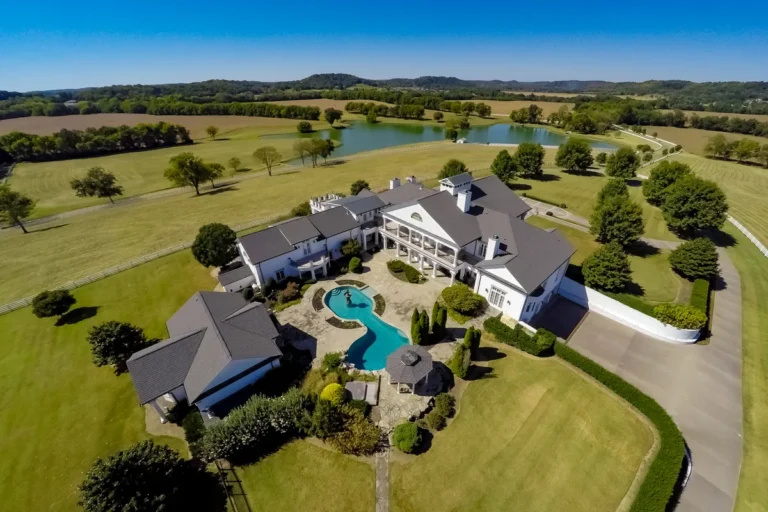
For properties with significant acreage, extensive gardens, private amenities like pools or tennis courts, or architectural distinctions, drone video is almost indispensable. It effectively communicates the sheer scale of the land and the integration of these features. A bird's-eye view can make a large backyard seem even more expansive or clearly map out the walking paths and mature landscaping that might be difficult to appreciate from ground level.
Real-World Impact: When Drone Video Sells Homes
The impact of drone videography on real estate sales isn't just theoretical; it translates into tangible results for agents and sellers. We've seen countless instances where professional aerial footage has played a pivotal role in attracting buyers and expediting the sales process, particularly for properties that offer unique spatial advantages or desirable locations.
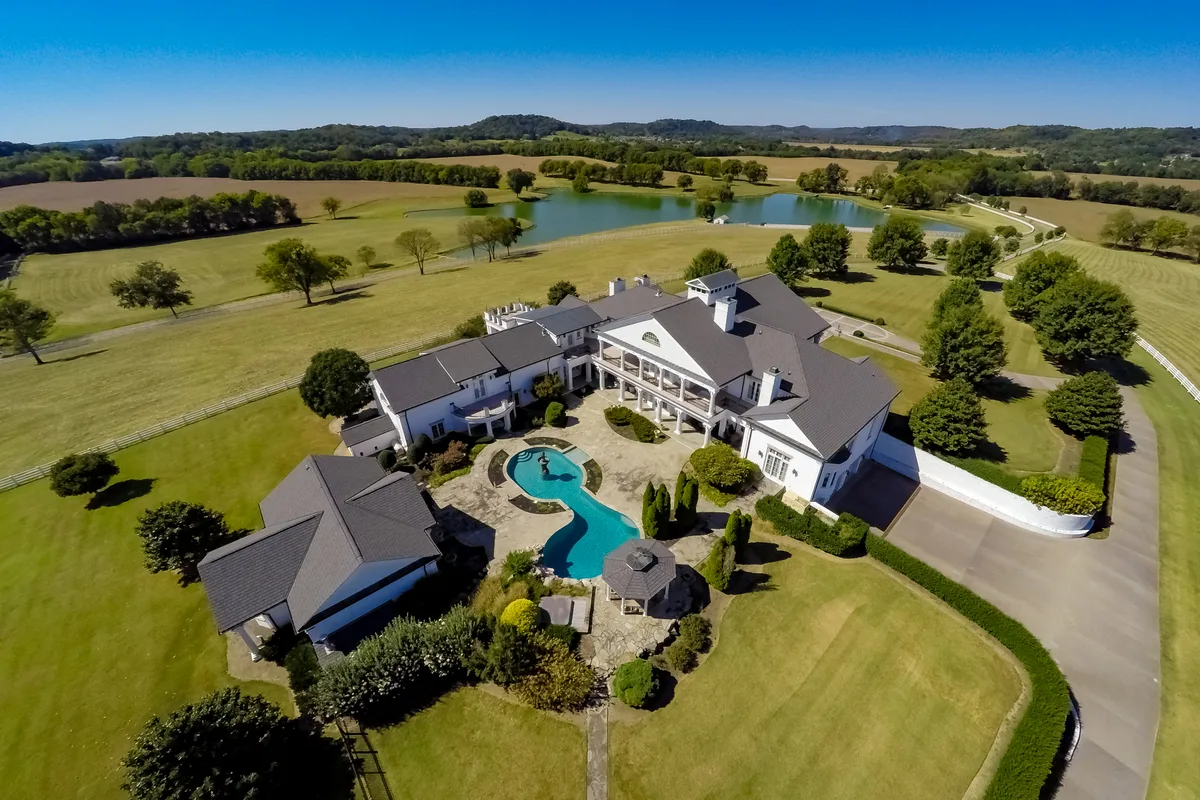
Image source: Bing (Web (fair-use with source credit))
Case Study: Rural Estate Sales
Consider a sprawling rural estate with 20 acres of land, including a main house, a guesthouse, and mature wooded areas. Traditional photos would struggle to convey the scope of the property, the privacy it offers, or the potential for outdoor recreation. Agents marketing such properties have reported that a well-produced drone video allowed prospective buyers, often from out of state, to grasp the full scale and tranquility of the estate.
This clarity built confidence, leading to a higher volume of qualified viewings and a reported reduction in time-on-market by as much as 15% compared to listings relying solely on ground photography.
Case Study: Waterfront Condo Appeal
In another scenario, a luxury condominium complex situated directly on a pristine coastline faced competition from numerous similar listings. Ground-level marketing showcased the interior finishes well, but failed to capture the breathtaking, unobstructed ocean views and the immediate beach access. By incorporating dynamic drone footage, the marketing team was able to highlight the unparalleled proximity to the water, the sweeping panoramic views from various angles, and the overall lifestyle appeal.
This aerial storytelling is credited with not only increasing online listing engagement by over 30% but also helping to secure sales for units that emphasized their prime waterfront location.
Potential Downsides and Considerations
While drone videography offers significant advantages, it's not without its challenges. A clear understanding of these limitations ensures realistic expectations and strategic planning when incorporating aerial footage into your real estate marketing efforts. Ignoring these factors can lead to delays, increased costs, or less-than-ideal results.
Weather Woes and Regulatory Hurdles
Drone operations are highly dependent on weather conditions. High winds, heavy rain, fog, or extremely low light can make flying unsafe or result in poor-quality footage. Patience is often required, and having backup shooting days scheduled is a wise practice.
Additionally, navigating airspace regulations is crucial. The Federal Aviation Administration (FAA) sets rules for commercial drone use, including requirements for pilots to hold a Remote Pilot Certificate (Part 107) and adhere to airspace restrictions, especially near airports or restricted zones. Non-compliance can lead to significant fines.
When Drone Footage Might Be Less Crucial
For very small properties, like a compact studio apartment in a dense urban core, the impact of drone footage might be less pronounced. If the property offers no significant external advantages, such as limited land, no views, or being surrounded by less appealing structures, the investment in aerial video might not yield a proportional return. In such cases, focusing on high-quality interior photography and virtual tours might be a more cost-effective strategy to showcase the property's key selling points.
Getting Started with Drone Videography
Deciding to use drone videography for real estate involves choosing the right approach and understanding what constitutes quality aerial content. It's about more than just having a drone; it's about effective storytelling and professional execution. This decision can significantly influence the perceived value of a listing.
Hiring a Professional vs. DIY
Many real estate agents opt to hire professional drone videographers. These professionals possess the necessary certifications (like the FAA's Part 107 Remote Pilot Certificate), have access to high-end equipment, and possess the editing skills to produce polished marketing content. On average, professional drone videography services for real estate can range from $300 to $800 or more per property, depending on complexity and deliverables.
For agents wanting to maintain strict control over content or cost-effectively market multiple properties, learning to fly and film with a consumer-grade drone might seem appealing, but it carries a steep learning curve regarding flight control, safety, and editing software.
What to Look For in Drone Footage
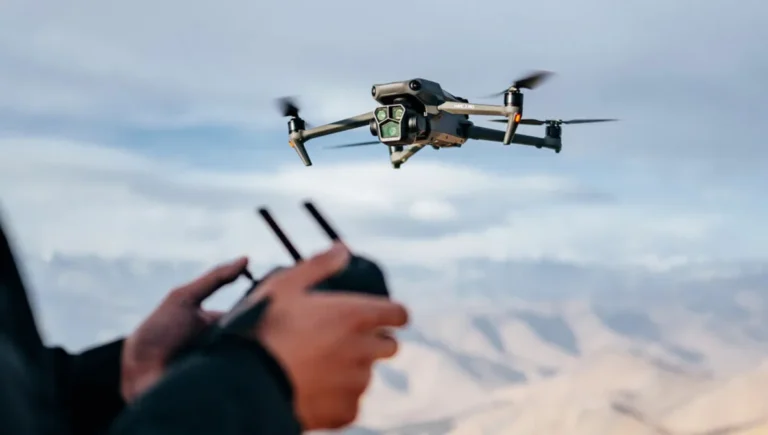
High-quality drone real estate video should be smooth, stable, and well-composed. Look for footage that clearly showcases the property's boundaries and its relationship with the surrounding neighborhood. Manufacturer specifications for professional-grade drones, such as those from DJI, often highlight advanced gimbal stabilization systems designed to eliminate shake and provide cinematic shots.
The video should be edited with a clear narrative flow, often incorporating ground-level footage to provide a balanced view, and should be free of jarring movements or distracting background noise. As of 2026, 4K resolution is standard for professional real estate videos to ensure maximum clarity.
The Investment: Costs and Value
When considering drone videography, it's important to view it as an investment rather than just an expense. The cost can vary significantly based on the provider's experience, the complexity of the property, and the scope of the final deliverable. Generally, professional drone video services for a standard residential listing might range from $300 to $800.
For larger estates, commercial properties, or those requiring extensive flight paths and editing, costs can increase, sometimes reaching $1,500 or more.
This investment, however, often yields tangible returns. Listings that feature professional drone video typically attract more views and inquiries. Buyers report feeling more connected to a property after watching an aerial tour, which can translate to quicker sales cycles.
Some agents have observed that properties with drone footage sell 10-20% faster than comparable listings without it. The enhanced visual appeal helps a listing stand out, especially in competitive markets.
How Does Drone Footage Boost Listing Value?
- Increased Online Engagement: Listings with video, especially aerial video, tend to hold viewer attention longer. This often leads to higher click-through rates and more saved listings.
- Broader Buyer Reach: Potential buyers who are geographically distant can gain a much better understanding of the property and its surroundings, making them more likely to schedule a visit.
- Showcasing Potential: Drone footage can reveal possibilities for expansion, landscaping, or amenity use that ground-level views might obscure.
- Agent Branding: Using high-quality visuals reflects positively on the agent, positioning them as forward-thinking and professional.
Frequently Asked Questions About Drone Real Estate Video
How long does drone video setup take?
Setup typically involves a brief site survey and flight planning, which can take anywhere from 30 minutes to an hour. The actual filming process, depending on the property's size and features, might last another hour or two.
What's the typical turnaround time for drone video editing?
After filming, most professional services deliver the final edited video within 2 to 5 business days. Some may offer expedited services for an additional fee.
Do I need special permits to fly a drone for real estate?
Yes, if you are flying for commercial purposes, such as real estate marketing, you generally need to obtain a Remote Pilot Certificate from the FAA (Part 107). This requires passing a knowledge test.
Can I use drone footage in any weather?
No, drone operations are heavily weather-dependent. High winds, rain, snow, or heavy fog can prevent safe flight or result in unusable footage. It's best to have backup dates.
How much does it cost to hire a professional drone pilot?
Costs vary, but for standard residential real estate, expect to pay between $300 and $800. Larger or more complex properties may incur higher fees.
Final Verdict: Should You Use Drone Video for Your Listings?
Considering the benefits, drone videography is not just a trend but a valuable asset for modern real estate marketing. It provides an unparalleled perspective that helps potential buyers connect with a property on a deeper level. From showcasing sprawling estates to highlighting desirable neighborhood proximity, aerial video offers a comprehensive and engaging way to present listings.
While there are costs and logistical considerations like weather and regulations, the advantages, increased engagement, faster sales, and enhanced property perception, generally outweigh the drawbacks. For agents and sellers looking to make their listings truly stand out and capture the attention of today's discerning buyers, investing in professional drone videography is a strategic choice that can significantly impact a property's success in the market.