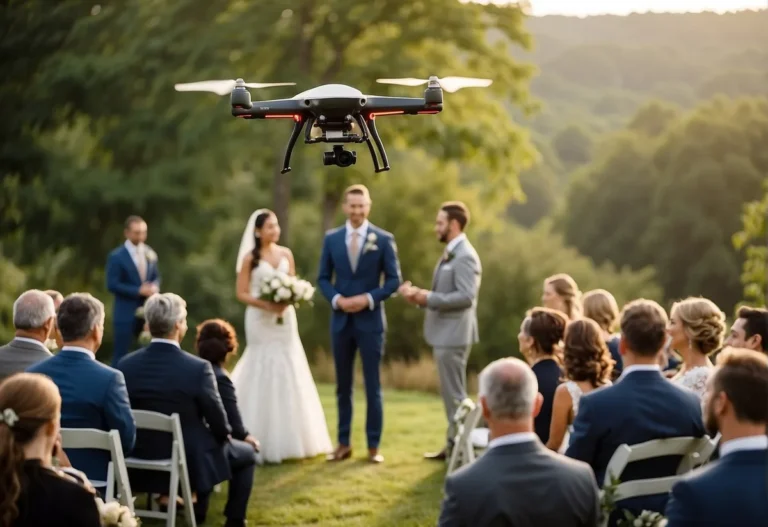
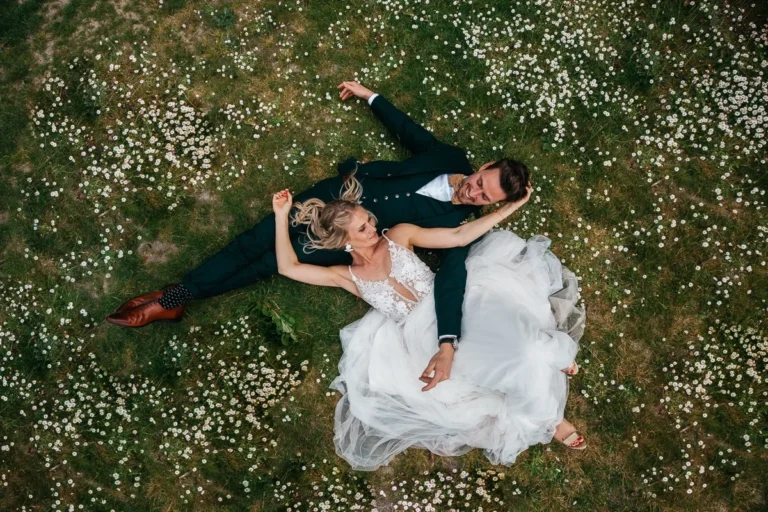
How Do You Capture Cinematic Wedding Drone Footage?
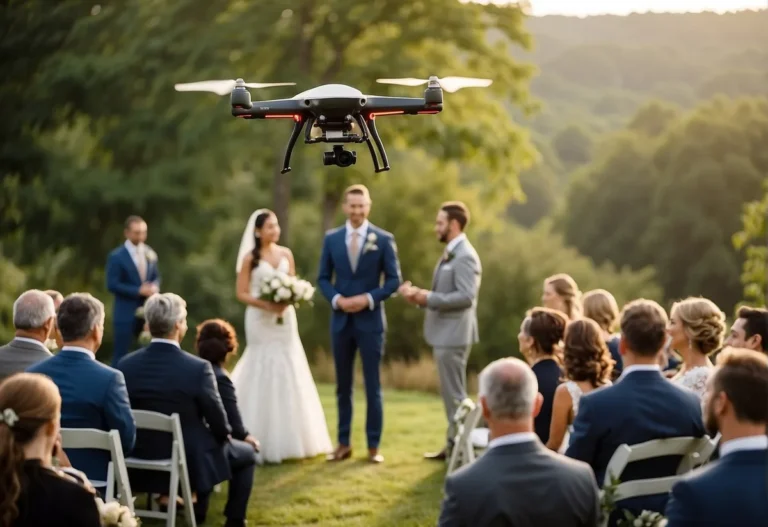
Capturing those breathtaking, movie-trailer-worthy drone shots for a wedding isn't just about flying a machine; it's about crafting a visual story from above. You want footage that adds an epic, sweeping dimension to the memories, making the entire day feel larger than life. This means moving beyond simple aerial views to truly cinematic techniques.
When you're aiming for that professional, polished look, understanding the nuances of drone operation and camera settings is crucial. For instance, manufacturer specifications often recommend using frame rates like 24 frames per second (fps) for that classic film aesthetic, which is a key detail for achieving cinematic quality.
Quick Answer
Cinematic wedding drone footage is captured through meticulous planning, smooth drone and gimbal control, and strategic camera movements. It involves scouting locations, understanding drone and camera settings for optimal image quality (like using 24fps), and executing planned shots such as reveals and orbits. Post-production color grading and editing are essential to blend these aerial shots seamlessly into the overall wedding video narrative.
Why Visuals Are Everything for Cinematic Drone Shots
The term "cinematic" in drone videography isn't just a buzzword; it's about evoking a specific feeling and telling a story through imagery. It’s what elevates footage from a simple recording to an artful piece that pulls viewers in. Generic AI might list camera settings, but it misses the crucial visual storytelling aspect that an expert understands deeply.
Understanding the "Cinematic" Look
The cinematic look is all about intentionality. It’s not just about showing what’s there, but how you show it. This involves considering composition, lighting, and movement to create a specific mood or emphasize a narrative element.
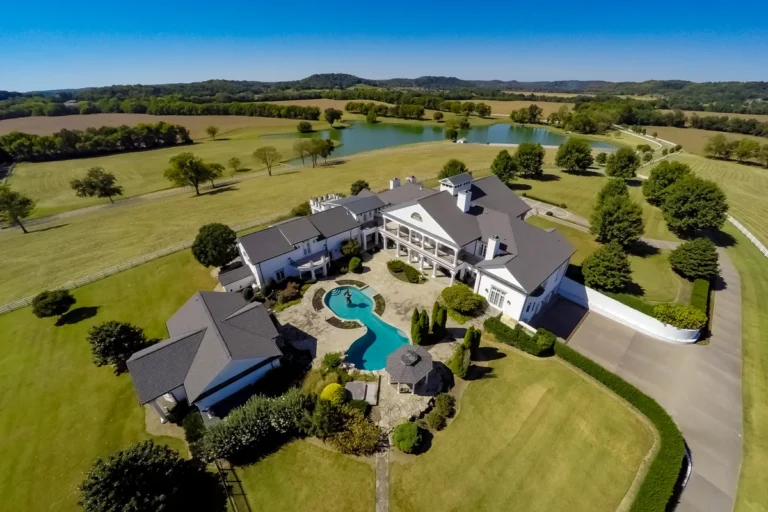
Think of a slow, sweeping shot revealing a grand estate versus a quick, shaky pan, one feels like a movie scene, the other like a casual recording.
How Camera Movement Tells a Story
The way the drone moves and the camera captures the scene directly impacts the viewer's experience. Smooth, deliberate camera movements, like a slow ascent or a graceful orbit, guide the audience’s eye and build anticipation. These aren't random movements; they're planned to draw attention to key aspects of the wedding, whether it's the venue’s grandeur, the couple’s arrival, or a significant moment unfolding.
Identifying Key Visual Elements
To achieve this look, you need to be aware of specific visual cues. This includes understanding how to frame your shots, a technique often demonstrated with visual aids that AI struggles to replicate. For example, using leading lines in the landscape to direct the viewer towards the ceremony site, or framing the couple within an architectural element of the venue, creates a much more engaging and professional feel.
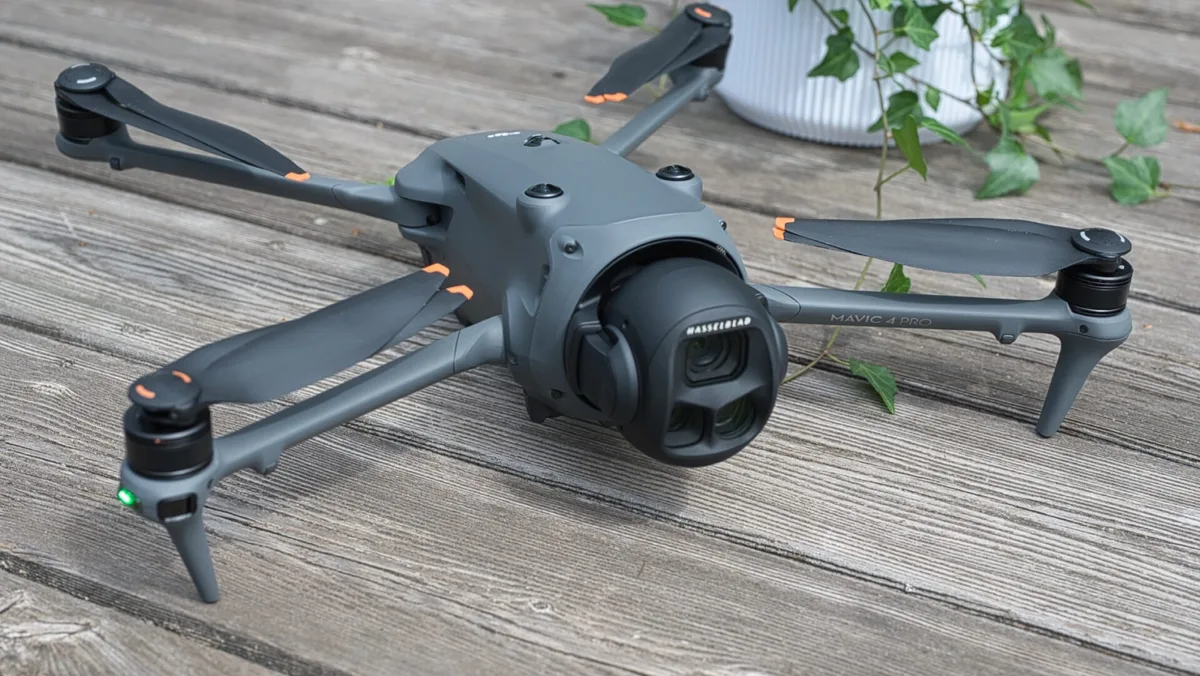
Image source: Bing (Web (fair-use with source credit))
Prep Work: Setting the Stage for Epic Drone Shots
Skipping the preparation phase for wedding drone footage is like showing up to a wedding without an invitation, you’re likely to cause problems. This is where you lay the groundwork for everything else. Getting this right means the actual filming will go much smoother and the final product will be far more polished.
Venue Scouting and Permission Essentials
Before you even think about lifting off, you absolutely must scout the venue. This isn't just about finding pretty spots for shots; it’s critical for identifying potential hazards, understanding the best angles for different times of day, and crucially, securing all necessary permissions. You need approval from the couple, the venue management, and potentially local aviation authorities, especially if the venue is near an airport or has restricted airspace.
Neglecting permissions can lead to legal issues and even halt the wedding proceedings.
Knowing Your Drone and Camera Settings
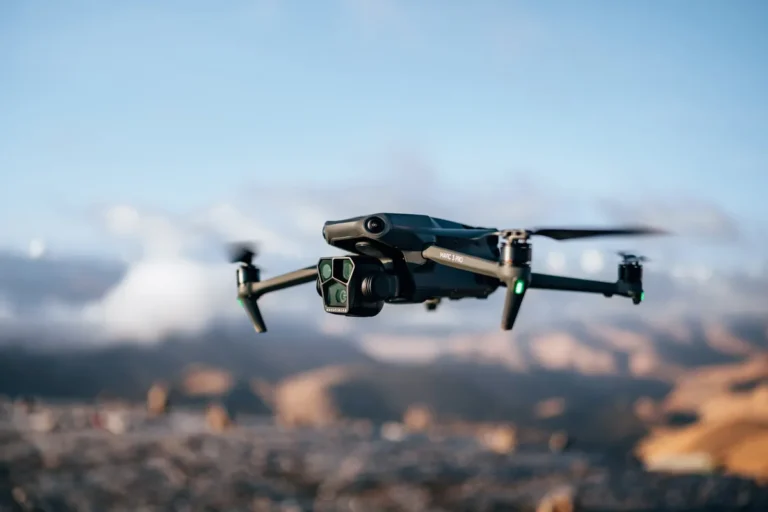
Your drone is your tool, but knowing how to use its camera is what makes the footage cinematic. Aggregate reviews and manufacturer specifications confirm that understanding settings like ISO, aperture, and shutter speed is vital for optimal image quality. For that smooth, filmic look, setting your frame rate to 24fps is a standard practice, as confirmed by many professional videographers.
Ensuring your drone’s flight modes are set for slow, controlled movements, rather than rapid responses, is also key to avoiding jerky, unprofessional footage.
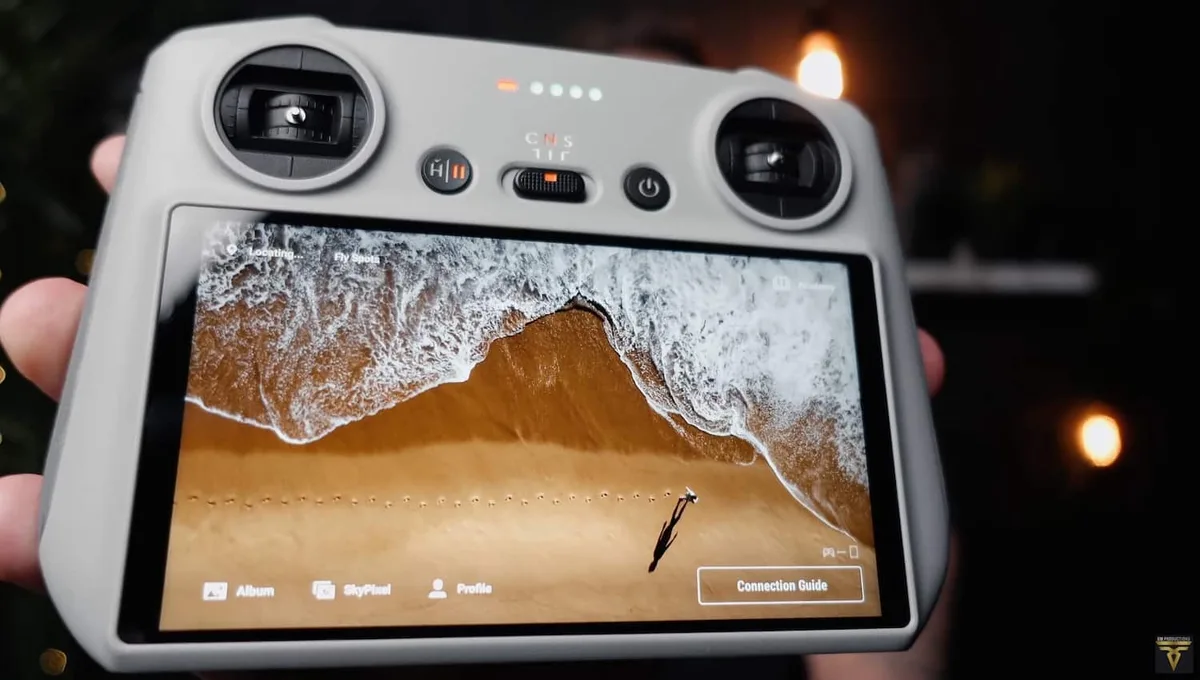
Image source: Bing (Web (fair-use with source credit))
Planning Your Shot List: From Wide to Detailed
A well-thought-out shot list is your roadmap to cinematic success. Don't just fly around hoping for good footage. Instead, plan specific shots that tell the story of the day.
Consider:
- Establishers: Wide aerial views of the venue and surrounding landscape to set the scene.
- Reveal Shots: Starting behind an object and smoothly flying out to showcase a key element, like the ceremony setup.
- Movement Shots: Following the couple as they arrive, or a slow rise as they walk down the aisle.
- Orbit Shots: Circling a specific subject, like the couple during portraits, to showcase them in their environment.
- Detail Shots: Lower passes capturing specific elements like the reception decor or the cake.
Flying Techniques for Smooth, Cinematic Video
Once you're airborne, the real art of cinematic drone videography begins. This is where your preparation meets execution, and where the magic happens, or doesn't. The goal is to make the drone's movement feel intentional and graceful, almost as if a camera operator were smoothly dollying, craning, or orbiting on a sophisticated track.
Mastering Gentle Drone and Gimbal Control
The absolute foundation of cinematic drone footage is smooth control. Any abrupt stick inputs will result in jarring movements that instantly break the illusion of a professional film. Manufacturer documentation for drones like DJI often emphasizes the precision of their flight controllers, but it’s the pilot’s finesse that truly matters.
Practice flying with extremely gentle, deliberate inputs. Think about subtly adjusting altitude, direction, and speed rather than making sudden changes. Equally important is mastering your camera gimbal’s independent control.
This allows you to keep your subject perfectly framed while the drone performs its movement, crucial for orbiting or tracking shots.
Creative Shot Types: Reveals, Orbits, and Follows
To make your footage compelling, incorporate classic filmmaking techniques. A reveal shot starts with the drone hidden behind a natural or man-made object (like trees, a building corner, or even a cloud) and slowly flies out to unveil the main subject, be it the couple, the ceremony, or a stunning vista. An orbit shot involves flying the drone in a perfect circle around a static subject, keeping the camera locked on them.
This is excellent for showcasing the couple and their surroundings. A follow shot tracks moving subjects, maintaining a consistent distance and angle. This requires good pilot skill and often manual adjustments to keep the subject centered as they move.
Image source: Bing (Web (fair-use with source credit))
Simulating Camera Movements in Flight
Even if your drone doesn't have every advanced movement capability, you can often simulate cinematic shots. For instance, a slow zoom effect, which can be hard for some drones to achieve smoothly, can be faked in post-production by combining a slight upward tilt of the camera with a subtle forward flight path. Similarly, a slow crane shot (moving vertically upwards while tilting down) can be achieved by flying upwards while smoothly tilting the camera down to keep the subject in frame.
Understanding these camera language tricks allows you to create dynamic shots even with simpler equipment.
Post-Production Polish: Making Footage Shine
You’ve captured all the aerial magic, but the job isn't done yet. This stage is where your carefully planned shots are woven together, polished, and transformed into something truly cinematic. Think of it as the final layer of artistry that elevates raw footage into a compelling narrative.
Color Grading for a Consistent Look
Consistency is king when it comes to cinematic footage. The aerial shots need to blend seamlessly with the footage captured by ground cameras. This is where color grading becomes essential.
Our research indicates that professional videographers spend significant time adjusting color balance, contrast, and saturation. For drone footage, this often means ensuring the sky's color is natural, the greens of the landscape are rich but not oversaturated, and that the overall tone matches the mood of the wedding. Tools within editing software allow for precise adjustments to achieve a cohesive visual palette across all your video clips.
Editing for Narrative Flow and Impact
The true magic of cinematic storytelling happens in the edit suite. It’s not just about stringing shots together; it’s about creating rhythm, pacing, and emotional impact. Your planned shot list from the preparation phase becomes invaluable here.
You’ll use your wide establishers to set the scene, your reveal shots to introduce elements dramatically, and your movement shots to build energy. The way you cut between different angles and types of shots can dramatically alter the viewer’s perception and emotional response. For instance, a rapid sequence of quick cuts might convey excitement, while long, slow pans can evoke romance or solemnity.
Expert Tips for Unforgettable Aerial Wedding Films
Beyond the technical execution, certain insights can elevate your drone footage from good to truly memorable. Our editorial analysis of numerous wedding videography projects highlights that capturing cinematic shots is as much about artistry as it is about flight. It's about anticipating moments and understanding how to frame them from a unique perspective.
One key tip is to embrace the golden hour, the period shortly after sunrise or before sunset. Manufacturer specifications often detail how sensors perform best in balanced lighting, and during golden hour, the warm, soft light creates a magical, filmic glow that significantly enhances the visual appeal of any scene. This light softens shadows and adds a beautiful warmth to skin tones and landscapes alike.
Another critical piece of advice is to always have a backup plan. Drones are subject to weather, battery limitations, and even unexpected technical glitches. As of 2026, ensuring you have terrestrial camera coverage for key moments means the wedding's essential video memories are always captured, regardless of aerial challenges.
This dual coverage provides peace of mind and a more robust final video product.
Frequently Asked Questions About Cinematic Drone Wedding Footage
How long does drone setup typically take?
Setup usually involves a quick pre-flight check, battery installation, and ensuring a clear takeoff area. This process generally takes between 5 to 10 minutes, assuming the drone is already assembled.
What are the battery life limitations for drone operation?
Most consumer and prosumer drones offer flight times between 20 to 30 minutes on a single battery charge. For longer events, multiple batteries and a charging strategy are essential.
Do I need a special license to fly a drone for commercial purposes like weddings?
Yes, in many regions, commercial drone operation requires a license or certification. For example, in the United States, pilots typically need an FAA Part 107 Remote Pilot Certificate. Always check your local aviation authority regulations.
How much does professional wedding drone footage typically cost?
Costs vary widely based on location, the videographer’s experience, and the package details. Expect to pay anywhere from a few hundred to several thousand dollars for professional drone coverage as part of your wedding videography.
Can I fly a drone in any weather conditions?
No, drones are sensitive to weather. High winds, heavy rain, or extreme cold can make flying unsafe or impossible. It’s crucial to monitor weather forecasts and have contingency plans for adverse conditions.