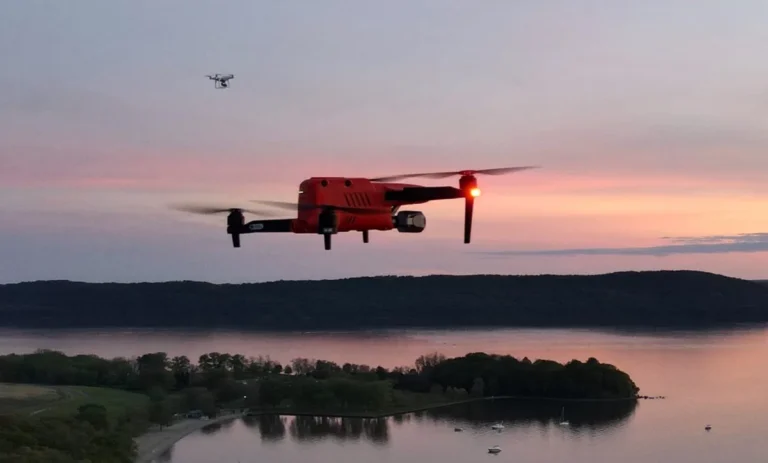
How Do You Start a Drone Videography Business?
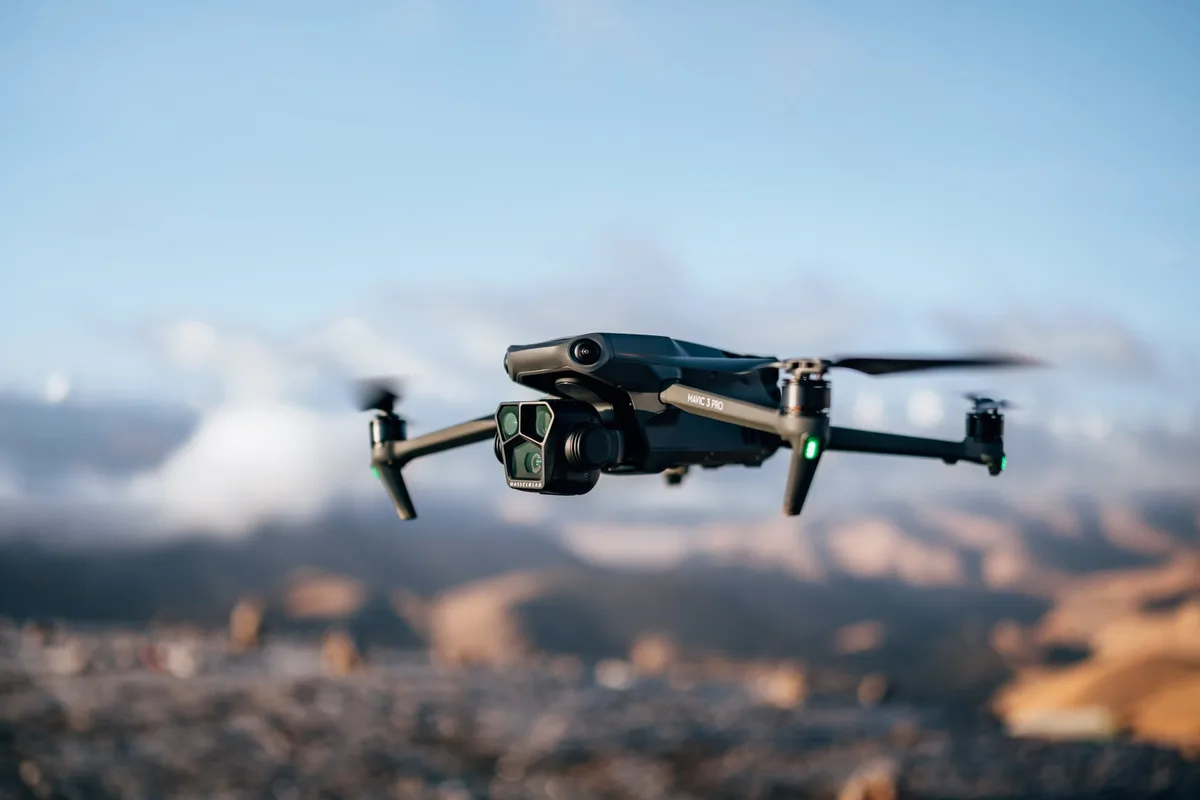
Image source: Bing (Web (fair-use with source credit))
Starting Your Drone Videography Business: A Step-by-Step Guide
Thinking about how to start a drone videography business? It's a smart move in a growing industry, but it's more than just flying a drone. You need a solid plan to turn your passion into a profitable venture.
This guide breaks down exactly what you need to consider, from legal requirements to landing your first clients.
We'll look at the key decisions you'll face and the practical steps to get your aerial storytelling or data-gathering service off the ground. Based on current aviation regulations and business best practices, setting up your operation requires careful planning. Let's dive into what it takes.
Quick Answer
To start a drone videography business, you must get certified as a remote pilot, register your drones, and secure liability insurance. Develop clear service packages tailored to specific industries like real estate or events. Build a professional portfolio and website to showcase your skills and attract clients.
Understand and comply with all FAA regulations for commercial operations.
What Kind of Drone Videography Business Fits You?
The first big decision you'll make is choosing your niche. This isn't just about flying; it's about understanding who you're serving and what they need. Different industries have different requirements, expectations, and even legal considerations.
Picking a specialization helps you focus your marketing, hone your skills, and become known for something specific.
Real Estate & Property Tours
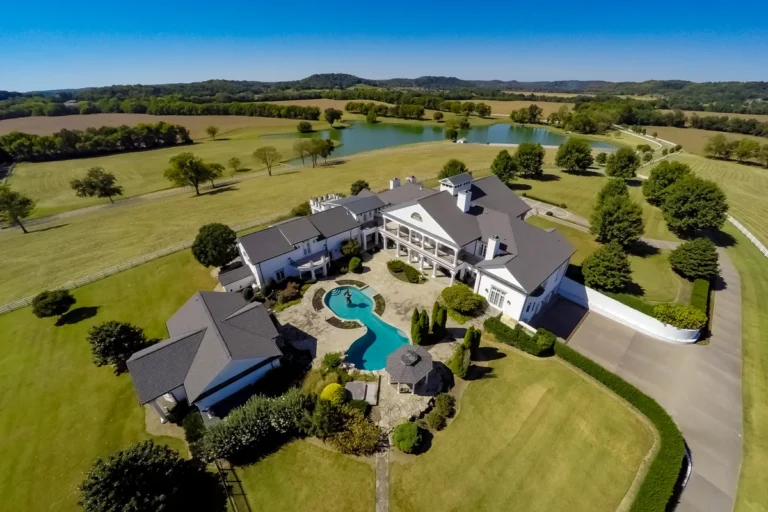
If you're drawn to capturing stunning visuals of homes, commercial properties, or land, focusing on real estate videography could be a great fit. Clients here, real estate agents, developers, and property managers, need high-quality aerial footage to showcase properties effectively, highlighting unique features, surrounding amenities, and overall scale. Your work can significantly impact listing appeal and sale speed.
Weddings & Events
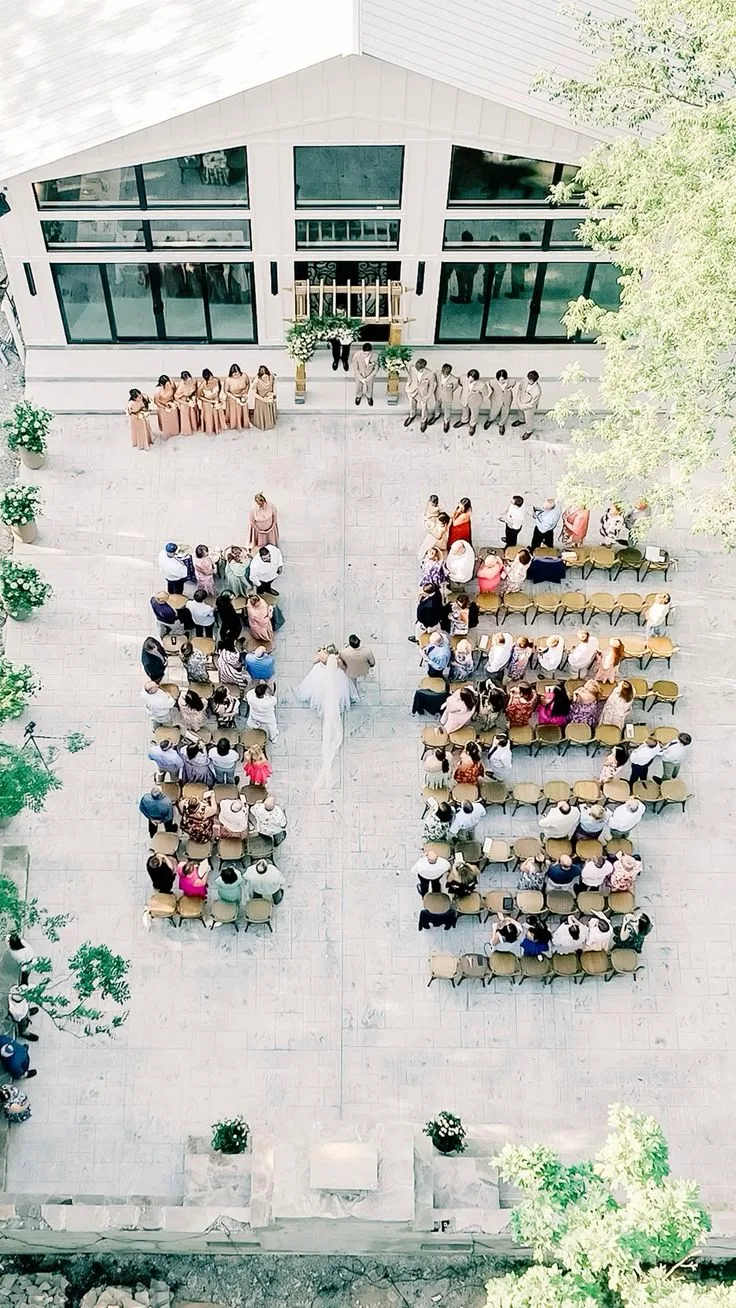
For those with a flair for storytelling and a desire to capture momentous occasions, wedding and event videography offers a dynamic market. Couples and event planners are looking for cinematic perspectives that add a grand, memorable dimension to their special days, from sweeping shots of venues to intimate close-ups from unique angles. This requires not only flying skill but also an understanding of capturing emotional moments.
Construction & Industrial Services
This sector demands precision and data. As a drone operator for construction, you might provide progress monitoring, site surveys, or inspections. Clients here include construction companies, engineers, and inspectors who need regular aerial updates, accurate mapping data, or detailed visual reports for safety and project management.
Accuracy and timely delivery are paramount.
Content Creation & Filmmaking
If your passion lies in creating visually compelling content for marketing, advertising, or film, this niche might be for you. You'll work with brands, production companies, and marketing agencies to create dynamic aerial shots that enhance commercials, documentaries, or promotional videos. This often involves a higher degree of cinematic technique and creative collaboration.
The Essential Gear and Legal Groundwork
Before you can even think about flying for clients, you need to sort out your equipment and the legal framework. Operating a drone for hire isn't just about owning a drone; it's about being a certified pilot, having the right tools, and most importantly, being compliant with aviation laws. Skipping these steps can lead to hefty fines and legal trouble.
Choosing the Right Drone
Your drone is your primary tool, so choosing wisely is crucial. For business use, look for drones that offer robust flight capabilities, good camera quality (at least 4K resolution), and reliable performance. Many professional-grade drones come with features like obstacle avoidance and advanced flight modes that enhance safety and footage quality.
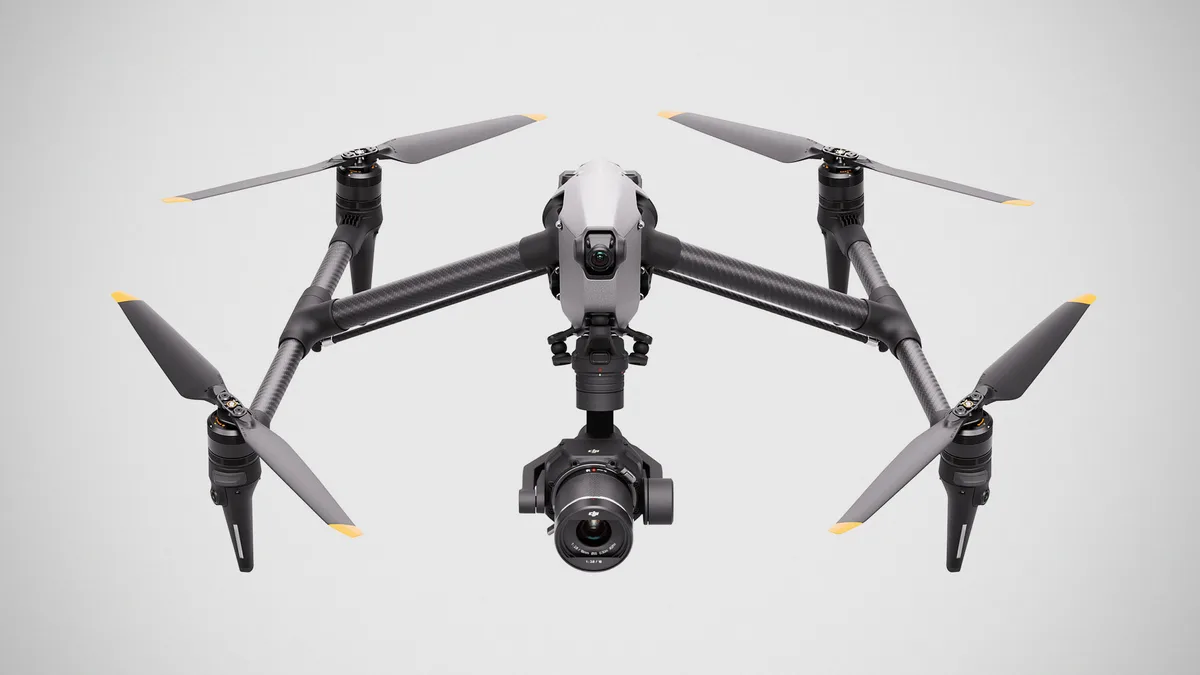
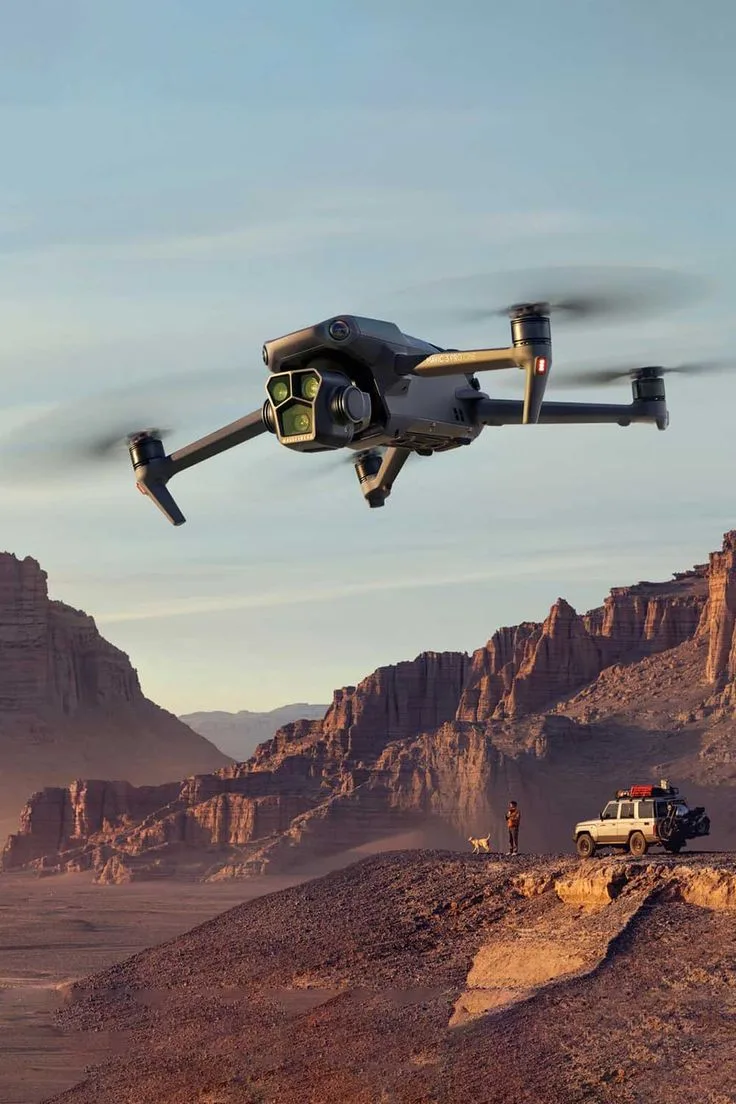
Consider battery life; for extended shoots, you'll want multiple batteries. As of 2026, many commercial operators opt for drones like the DJI Mavic 3 Enterprise or similar models, which offer enhanced thermal imaging, zoom capabilities, or longer flight times depending on the specific business need. Start with a model that matches your chosen niche and budget, but ensure it can produce professional-grade video.
Pilot Certification & Registration
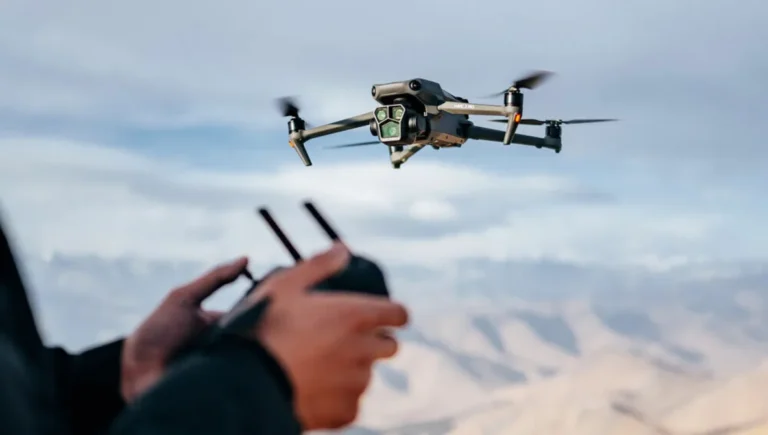
To operate a drone for any commercial purpose in the United States, you must obtain a Remote Pilot Certificate from the Federal Aviation Administration (FAA). This involves passing a knowledge test that covers aeronautical knowledge, operational rules, and weather. It’s essential to study the official FAA resources to prepare for this exam.
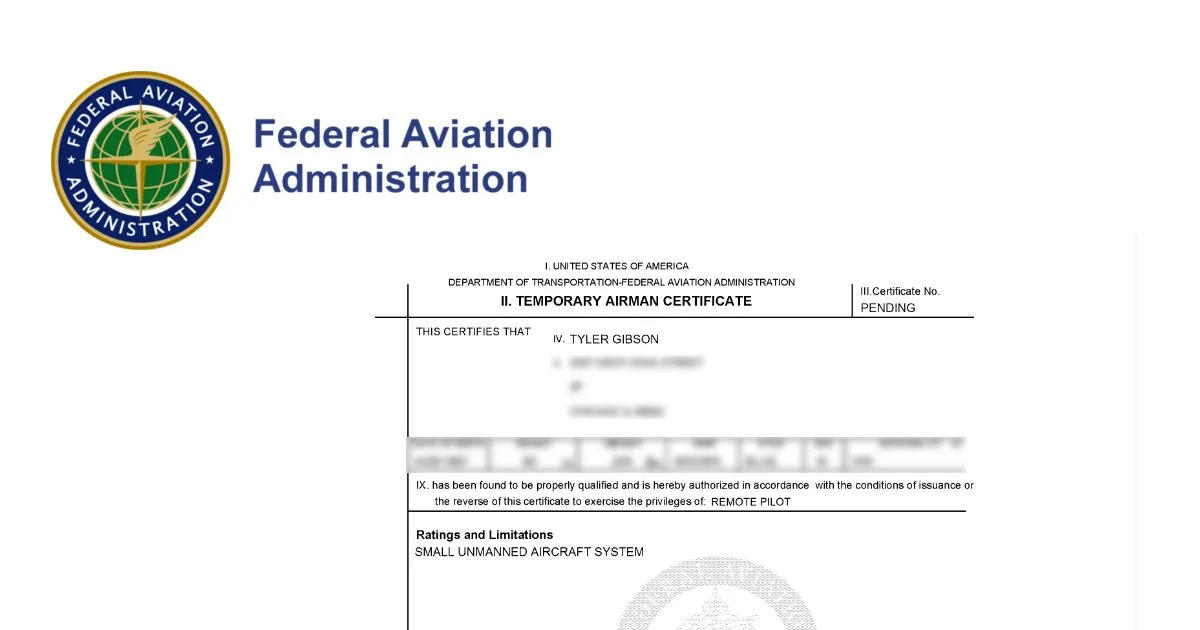
Beyond certification, all drones used for commercial operations must be registered with the FAA. This process is straightforward and typically involves an online application and a small fee per drone. Each registered drone receives a unique registration number that must be marked on the aircraft.
Similar requirements exist in other countries, so always research your local aviation authority’s regulations.
Business Insurance: Why It's Non-Negotiable
Operating a drone for hire without adequate insurance is a significant financial risk. Liability insurance protects you in case of accidents, property damage, or injury caused by your drone operations. For instance, if a drone malfunctions and damages a client's property, or if it causes an accident involving people, your insurance policy would cover the costs.
A typical policy for drone videography businesses should include coverage for property damage, bodily injury, and potentially hull insurance for your drone itself. Many providers offer specialized drone insurance policies. Aggregate reviews from industry professionals consistently highlight the importance of obtaining coverage that aligns with the potential risks of your specific services and client contracts.
Crafting Your Service Packages and Pricing
Once you've got the essential gear and legalities sorted, it's time to define what you're selling and how much it costs. This is where your business plan starts to take shape in a concrete way. Clear service packages and well-thought-out pricing are key to attracting clients and ensuring profitability.
Defining Your Service Offerings
Instead of just offering "drone services," create specific packages that cater to your chosen niche. For real estate, a package might include a set number of aerial photos, a 2-3 minute property video tour, and a quick turnaround time (e.g., 48 hours). For construction, it might be weekly progress reports with geolocated photos and video highlights.
Consider offering tiered packages, a basic, a standard, and a premium, to cater to different client budgets and needs. For example, a wedding package could range from ceremony-only aerial coverage to a full-day cinematic experience with multiple drone angles and post-production editing. Clearly outlining what's included in each package avoids confusion and sets expectations.
Understanding Your Costs and Market Rates
To price your services effectively, you first need to understand all your costs. This includes not only the initial investment in drones and editing software but also ongoing expenses like insurance premiums, battery replacements, software subscriptions, fuel for travel, marketing, and your own time. Calculate your hourly operational cost by dividing your total monthly expenses by the number of billable hours you realistically expect to work.
Then, research what other drone videographers in your area are charging for similar services. Look at their websites, service descriptions, and pricing if available. This market research will give you a benchmark.
Remember, your pricing should reflect the quality of your work, your expertise, your insurance coverage, and your operating costs, not just what competitors are charging.
Setting Your Pricing Strategy
Your pricing strategy should align with your chosen niche and target audience. For high-value services like commercial inspections or complex filmmaking, you might charge project-based fees. For more straightforward services like real estate photography, hourly rates or fixed package prices often work best.
When setting prices, consider value-based pricing, which focuses on the value your services bring to the client. For example, how much faster might a property sell with professional aerial footage? How much time or money does your inspection service save a construction company?
As of 2026, many successful drone businesses use a combination of package pricing for standard services and custom quotes for unique projects. Always ensure your pricing provides a healthy profit margin after accounting for all expenses.
Building Your Brand and Landing Clients
With your services defined and pricing set, it’s time to focus on getting your name out there and attracting those first crucial clients. Your brand is what sets you apart, and a strong marketing presence is vital for success in a competitive field. This involves showcasing your best work and making it easy for potential clients to find and hire you.
Creating a Killer Portfolio and Demo Reel
Your portfolio is your visual resume. It needs to showcase the quality of your aerial cinematography and the range of projects you can handle. Curate your absolute best footage, shots that are stable, well-composed, and demonstrate your editing skills.
If you're specializing in real estate, your portfolio should feature stunning property tours. For weddings, include emotionally resonant clips.
A well-edited demo reel, typically 60-90 seconds long, is a must-have. It should be dynamic, fast-paced, and highlight your most impressive work across different scenarios. Ensure you have proper permissions for any footage you use, especially if it's from past client projects.
This reel will be a primary tool for showcasing your capabilities on your website and in client pitches.
Your Professional Online Presence
A professional website is essential. It acts as your central hub, providing potential clients with all the information they need: your services, your portfolio, your contact details, and a clear understanding of your brand. Even a simple, well-designed website can make a huge difference in establishing credibility.
Include high-quality images and videos from your portfolio.
Beyond your website, leverage social media platforms relevant to your target audience. Instagram and YouTube are excellent for visual content like drone footage. LinkedIn can be invaluable for connecting with B2B clients in industries like construction or corporate marketing.
Consistently share your work, engage with your audience, and use relevant hashtags to increase your visibility.
Networking and Client Outreach Strategies
Building relationships is key. Attend industry events, trade shows, and local business meetups that align with your chosen niche. For instance, if you're targeting real estate, connect with local real estate agencies and agents.
If you're in construction, reach out to construction firms and engineering companies. Offer to provide a sample of your work or a discounted introductory service to get your foot in the door.
Don't underestimate the power of direct outreach. Identify potential clients and send them personalized emails or LinkedIn messages highlighting how your drone services can benefit their specific business. Clearly articulate the value proposition, how you can save them time, money, or enhance their marketing efforts.
Happy clients are also your best advocates; encourage them to leave testimonials or refer you to their network.
Navigating the Rules: Safety and Compliance
Operating a drone for hire comes with significant legal responsibilities. In the United States, the Federal Aviation Administration (FAA) governs all airspace and drone operations. As of 2026, the Remote Pilot Certificate, often called the Part 107 license, is mandatory for anyone flying a drone for commercial purposes.
This certification requires passing a comprehensive aeronautical knowledge test.
Failure to comply with FAA regulations can result in hefty fines, legal action, and even the suspension of your pilot certificate. It's crucial to familiarize yourself with rules regarding operating altitude limits (typically 400 feet AGL), maintaining visual line of sight with your drone at all times, and avoiding flight over people or moving vehicles unless specific waivers are obtained. Always check the FAA's official website for the most current regulations and guidance.
What are the key legal requirements for commercial drone operations?
The primary legal requirements involve obtaining your Remote Pilot Certificate, registering each drone you use commercially with the FAA, and carrying appropriate liability insurance. You must also adhere to all operational rules, such as flight altitude limits and flying only during daylight hours unless you have a waiver for night operations. Understanding airspace restrictions, particularly near airports, is also critical.
Do I need insurance even if I'm just starting out?
Yes, absolutely. Even with a small operation or just a few clients, liability insurance is a must-have. Accidents can happen to anyone, and without coverage, you could be personally liable for damages, which could easily amount to thousands or even tens of thousands of dollars.
It protects your assets and provides peace of mind.
How do I ensure I'm compliant with airspace restrictions?
Before every flight, you must check for airspace restrictions in the area where you plan to operate. This can be done using FAA-approved apps like B4UFLY or through services that provide real-time airspace advisories. If you plan to fly in controlled airspace, such as near an airport, you will need to request authorization through the FAA's LAANC (Low Altitude Authorization and Notification Capability) system.
Frequently Asked Questions About Drone Business Ownership
### How long does it take to get certified as a drone pilot?
The time it takes to get your Remote Pilot Certificate can vary. Studying for the FAA knowledge test typically takes anywhere from a few days to a few weeks, depending on your prior aviation knowledge. Once you feel prepared, you'll need to schedule and pass the test at an FAA-approved testing center.
The certificate itself is then issued relatively quickly.
### How much does drone videography insurance typically cost?
The cost of drone liability insurance varies widely based on factors like the type of drone, the services you offer, your location, and the coverage limits you choose. However, for a small business operator, annual premiums can range from a few hundred dollars to a couple of thousand dollars. Some providers offer pay-as-you-go options for more flexibility.
### What kind of drone do you recommend for a beginner business owner?
For beginners starting a business, a reliable mid-range drone that shoots 4K video is a good starting point. Models like the DJI Mini 3 Pro or the DJI Air 2S offer excellent image quality and stable flight at a more accessible price point than high-end professional drones. These drones provide a good balance of features, portability, and video capability without an overwhelming learning curve.
### How do I find my first clients?
Finding your first clients often involves a combination of networking and proactive outreach. Start by building a strong portfolio with sample work (even if it's self-assigned projects). Then, reach out to businesses in your chosen niche, real estate agents, event planners, or local marketing agencies, and explain the benefits of aerial videography for their needs.
Attend local business events and leverage social media to showcase your work.
### Is it possible to make a full-time income from drone videography?
Yes, it is definitely possible to make a full-time income from drone videography, especially if you specialize in high-demand niches like real estate, construction, or events, and build a strong client base. Success often depends on consistent marketing, delivering high-quality work, and managing your business operations efficiently. Building a reputation for reliability and professionalism is key to long-term success and sustainable income.