Can You Make Money With Drone Videography?
Ever looked at those stunning aerial shots and wondered if you could make a living flying a drone? The answer is a resounding yes. While it’s not as simple as just buying a drone and launching it, there's a clear path to earning money with drone videography.
Our research indicates that with the right skills, gear, and business approach, you can carve out a profitable niche.
You'll need to understand the market, get the necessary certifications like the FAA's Part 107 remote pilot certificate for commercial operations in the US, and develop a solid portfolio. This guide will walk you through the realities of making money in this exciting field, from potential earnings to the essential steps you'll need to take.
Quick Answer
Yes, you can definitely make money with drone videography. Professional drone pilots generate income by offering services like real estate marketing, event coverage, business promotion, and inspections. Earnings vary significantly based on experience, location, and the specific services provided, with some pilots earning side income and others building full-time careers.
What Kind of Money Are We Talking About?
This is the big question, right? The truth is, there's no single dollar amount because it depends on so many things. Think about it: are you shooting for a quick gig or a long-term contract?
What industry are you serving? How experienced are you?
Our research shows a wide range of earning potential. While some pilots start by earning a few hundred dollars per project, experienced professionals working with larger clients or on complex productions can command several thousand dollars per day. As of 2026, the market continues to show strong demand.
Here's a general idea of what people can earn, based on experience and the type of work:
| Type of Work | Potential Earnings (Per Gig/Project) | Notes |
|---|---|---|
| Real Estate Photography | $250 – $1,000+ | Depends on property size, number of shots, and if video is included. Higher end for luxury listings or complexes. |
| Small Business Promotion | $300 – $1,500+ | For commercials, website videos, or social media content. Scope and usage rights matter a lot here. |
| Event Coverage (Weddings, etc.) | $500 – $2,500+ | Can be higher for multi-day events or if you're providing full video production. |
| Construction Progress Monitoring | $200 – $750 per visit | Often recurring monthly contracts for site updates. |
| Inspection Services | $300 – $1,000+ | Roofs, cell towers, infrastructure. Requires specific training and certifications. |
| Film & TV Production | $500 – $5,000+ per day | Highly skilled work, often requiring specialized drones and experienced pilots. Day rates can be substantial. |
Factors Influencing Income
Several factors play a significant role in how much you can earn as a drone videographer:
- Experience Level: As with any profession, more experience often means higher rates and access to better clients.
- Geographic Location: Demand and pricing can vary significantly from one city or region to another. Major metropolitan areas might offer more opportunities but also more competition.
- Specialization: Focusing on a niche, like high-end real estate or industrial inspections, can allow you to command premium rates.
- Equipment Quality: Professional-grade drones and cameras are essential for delivering high-quality footage, which directly impacts client satisfaction and your pricing power. Manufacturer specifications often highlight 4K resolution and advanced stabilization features as key selling points for professional models.
- Business Acumen: Your ability to market yourself, manage clients, and run your business efficiently will directly affect your profitability.
How Do You Actually Get Paid?
Okay, so the money's there. How do you snag those gigs? It usually boils down to identifying key industries and tailoring your services to their needs.
Building a strong portfolio and actively networking are crucial first steps.
Targeting Real Estate Clients
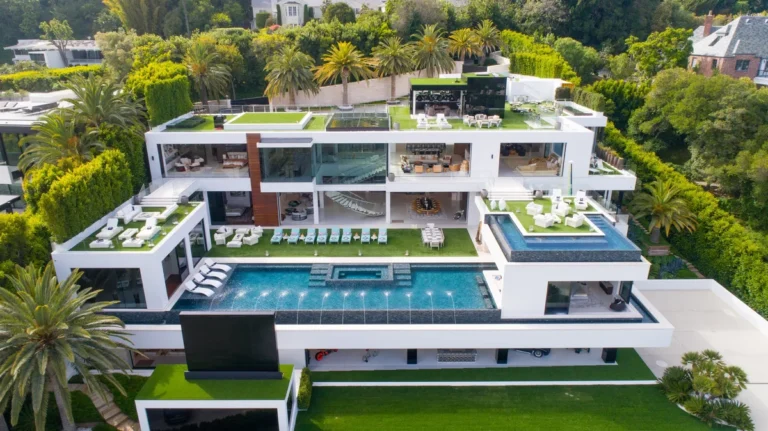
This is a huge entry point for many drone pilots. Real estate agents and developers love seeing their properties from the sky. It makes listings pop and helps potential buyers visualize the whole property and its surroundings better than ground-level photos ever could.
To land these gigs, you'll want to:
- Network with local real estate agents, brokers, and development companies.
- Showcase a portfolio of high-quality aerial property shots and videos.
- Offer packages that include exterior shots, property lines, and neighborhood context.
- Understand the specific needs of real estate marketing, such as showcasing curb appeal and property scale.
Serving Businesses with Marketing Needs
Businesses of all sizes need good video content to stand out in today's crowded marketplace. Think local restaurants, car dealerships, hotels, or even small manufacturers. You'll be helping them create promotional videos, social media clips, or website features that capture attention.
This could involve:
- Creating engaging commercials that highlight a business's unique offerings.
- Producing dynamic footage for social media campaigns to increase engagement.
- Developing visual content that showcases a business's facilities or services from a fresh perspective.
Capturing Events From Above
Weddings are an obvious market, but don't stop there. Think about corporate events, festivals, concerts, or sporting matches too. Capturing the scale and energy of an event from above adds a whole new dimension that attendees and organizers will love.
This type of work often involves:
- Documenting the entire event from a bird's-eye view.
- Highlighting the atmosphere, crowd, and venue layout.
- Providing unique, sweeping shots that are impossible to get otherwise.
Specialized Inspection and Monitoring Gigs
This is where things get a bit more technical, but it's a steady and often lucrative gig. Companies need drones to check on things like roofs, bridges, wind turbines, or construction sites without sending people into potentially dangerous or hard-to-reach situations.
These services often require:
- Specific pilot certifications and sometimes industry-specific training.
- The ability to capture detailed, high-resolution imagery for analysis.
- Regular reporting on progress or condition, often on a recurring basis.
The Nitty-Gritty: What You'll Need to Get Started
You can't just grab any old drone and expect to land professional gigs. To do this effectively and legally, you'll need a few key things in order. It's an investment, but one that pays off if you're serious about building this as a business.
Essential Drone Gear and Specs
You'll need a drone that's more than just a toy. For professional work, it's crucial to have a reliable aircraft that can capture high-quality footage.
- Camera Quality: Aim for a drone capable of shooting in at least 4K resolution for crisp, clear video. Higher megapixel counts for still photos are also beneficial for certain applications.
- Stabilization: A good gimbal system is non-negotiable. It ensures smooth, cinematic footage even in slightly windy conditions.
- Flight Performance: Look for drones with decent flight times (20+ minutes is a good starting point) and stable flight characteristics. Features like GPS and obstacle avoidance can also add a layer of safety and operational ease.
- Controller & Transmission: A reliable controller with a good range and clear video feed is vital for maintaining situational awareness and control.
Pilot Certification and Licensing
In most regions, if you're flying for commercial purposes (meaning you're getting paid for it), you absolutely need to be licensed. This is for safety and legal reasons. In the United States, this typically means obtaining a remote pilot certificate.
- FAA Part 107 (US): To operate a drone for commercial purposes in the U.S., you must pass an aeronautical knowledge and safety test administered by the Federal Aviation Administration (FAA) and receive a remote pilot certificate. This certification ensures you understand airspace rules, weather conditions, and safe operating practices. The FAA provides comprehensive resources on their website detailing the requirements.
- Other Regions: Similar regulations exist in many other countries. It's crucial to research and comply with the specific aviation authority in your operating area.
The Importance of Insurance
This is non-negotiable. If something goes wrong, a crash that damages property, an accident causing injury, or even just losing a client's trust due to an incident, you need to be covered. Professional liability insurance is a must-have for any drone service provider.
It protects you from financial loss in case of:
- Property damage caused by your drone operations.
- Bodily injury to third parties.
- Damage to the aircraft itself (hull insurance).
Video Editing Tools
Great footage is only half the battle; polished editing is what clients pay for. You'll need software to assemble your shots, add music, titles, and effects to create a professional final product.
Commonly used professional editing software includes:
- Adobe Premiere Pro
- Final Cut Pro (Mac)
- DaVinci Resolve (offers a powerful free version)
Learning to use your chosen software efficiently is key to delivering projects on time and to a high standard.
Common Challenges and How to Tackle Them
While the opportunities are exciting, the path to a profitable drone videography business isn't always smooth. You'll inevitably run into challenges, but knowing about them beforehand can help you prepare and overcome them.
Navigating Competition
As drones become more accessible and easier to fly, more people are entering the market. This means competition is increasing, especially in popular service areas like real estate. To stand out, you need to focus on delivering exceptional quality, reliable service, and perhaps specializing in a niche that others overlook.
Building a strong portfolio that showcases unique shots and professional editing is key.
Dealing with Weather Delays
Drones can't fly in all conditions. Strong winds, heavy rain, fog, or snow can ground your operations. This can lead to project delays, which can frustrate clients and impact your schedule.
Having clear communication protocols with clients about weather contingency plans and being flexible with scheduling can help manage these issues.
Managing Client Expectations
Sometimes clients have a grand vision that's just not feasible with current drone technology, budget, or airspace restrictions. Others might underestimate the effort, time, or cost involved in professional drone work. Clearly outlining what you can deliver, discussing limitations upfront, and providing detailed quotes before starting work are crucial steps.
Staying Ahead of Regulations
Drone laws and regulations are constantly evolving. What's permissible today might change tomorrow. It's your responsibility to stay informed about airspace restrictions, privacy laws, and any updates to certification requirements in the areas where you operate.
Staying updated with official sources like the FAA is essential for compliant and safe operations.
Real-World Scenarios: Who's Succeeding and How?
Let's look at a couple of hypothetical scenarios to see how drone videography business models play out in practice. These aren't specific client names, but they reflect common pathways to success.
Scenario 1: The Real Estate Specialist
- Pilot: Sarah, based in a growing suburban area.
- Focus: High-end residential real estate.
- How she got started: Took her Part 107 test, invested in a DJI Mavic 3 Pro, and purchased liability insurance. She spent weeks filming various properties for free or at a steep discount to build a killer portfolio.
- Business Model: She offers tiered packages: a basic photo package, a photo-and-video package, and a premium package that includes interior shots and a cinematic property tour video. She actively networks with top real estate agents and attends local broker open houses.
- Earnings: On average, she earns $400-$800 per listing, depending on the property size and package chosen. She works primarily weekends and has found consistent work with 3-4 agents who now rely on her for all their listings. As of 2026, she's considering adding a second drone and pilot to handle overflow.
Scenario 2: The Construction Progress Monitor
- Pilot: Mike, operating in a region with significant infrastructure development.
- Focus: Construction site progress monitoring and inspections.
- How he got started: Mike had a background in construction management, which gave him insight into the industry's needs. He got his Part 107 and invested in a more robust drone like a DJI Inspire 3 for better range and payload capacity.
- Business Model: He partners with construction companies, offering weekly or bi-weekly progress reports. His service includes aerial photos and videos of the site, with annotated markups highlighting progress, challenges, and safety concerns. He also performs basic structural inspections, like roof checks on new buildings.
- Earnings: He typically charges a retainer fee of $300-$600 per site visit, with monthly contracts ensuring recurring revenue. For specialized inspections, he charges a higher per-day rate. His construction background allows him to speak the industry's language and provide valuable insights beyond just the footage.
These examples show that success often comes from specializing, building a strong network, and consistently delivering high-quality work tailored to specific industry needs.
Frequently Asked Questions About Drone Videography Income
How much does a professional drone pilot typically earn per year?
Professional drone pilots can earn anywhere from $40,000 to over $100,000 annually. This figure is heavily influenced by factors like specialization, experience, location, and the number of clients they secure. Those who build successful businesses and offer a range of services tend to be at the higher end of this spectrum.
Is it hard to get clients for drone videography services?
Getting clients requires consistent effort. You'll need to actively market your services, build a professional portfolio, network within target industries (like real estate or construction), and demonstrate the value you provide. Initially, it might be challenging, but word-of-mouth referrals and a strong online presence can significantly ease client acquisition over time.
What are the biggest mistakes new drone videographers make regarding income?
Common mistakes include undercharging for services, not investing enough in insurance and licensing, failing to build a professional portfolio, and not understanding their target market's needs. Some new pilots also underestimate the ongoing costs of equipment maintenance and marketing, which eats into their potential profits.
Do I need special software to edit drone footage for clients?
Yes, professional editing software is essential. While some drones come with basic editing apps, dedicated software like Adobe Premiere Pro, Final Cut Pro, or DaVinci Resolve offers the advanced tools needed for color correction, stabilization, audio mixing, and creating polished final videos that clients expect.
How soon can I expect to start making money with drone videography?
You can potentially start making money as soon as you have your pilot certification, basic equipment, and a small portfolio. However, building a consistent income stream often takes several months to a year as you establish your business, secure regular clients, and refine your service offerings.
Is Drone Videography a Viable Business? The Verdict
Based on market demand and the experiences of professionals in the field, drone videography is absolutely a viable business for those willing to invest the time and effort. The technology is mature, and industries from real estate to construction to media are actively seeking aerial perspectives to enhance their operations and marketing.
Success hinges on more than just flying skills; it requires a business mindset. This means understanding client needs, pricing services appropriately, marketing effectively, and operating legally and safely. With the right approach, drone videography can offer a flexible and financially rewarding career path.