What Insurance Does a Drone Videographer Need?

Image source: Web (Bing) / fr.pinterest.com (Web image (fair-use with source credit))
Choosing the right insurance is key to protecting your drone videography business. Without adequate coverage, a single accident could jeopardize everything you've built. This guide breaks down the essential insurance types every drone operator needs, clarifying the risks and the necessary protections.
Our research shows that many drone professionals overlook crucial coverage areas, leaving them vulnerable. Understanding these policies is critical, especially as regulations evolve and the value of drone equipment, like a DJI Inspire 3, can exceed $5,000.
Quick Answer
Drone videographers primarily need Commercial General Liability and Drone Hull Insurance. Aviation Liability is also highly recommended. These policies protect against third-party injury or property damage and cover damage to the drone itself.
Client contracts often mandate at least $1 million in liability coverage.
Why Bother with Insurance Anyway?
Think of insurance as your business's safety net. When you're out capturing those amazing aerial shots, things can happen. A drone could malfunction, a sudden gust of wind could throw you off, or maybe your footage gets damaged.
If your drone causes damage to someone's property, or worse, injures someone, you're on the hook for a lot of money. Client contracts often demand proof of insurance, too. Without it, a single accident could put you out of business before you even really get started.
Image source: Bing (Web (fair-use with source credit))
The Big Players: What to Look For
There are a few key types of insurance that are pretty much non-negotiable for drone videographers. These form the backbone of your protection plan.
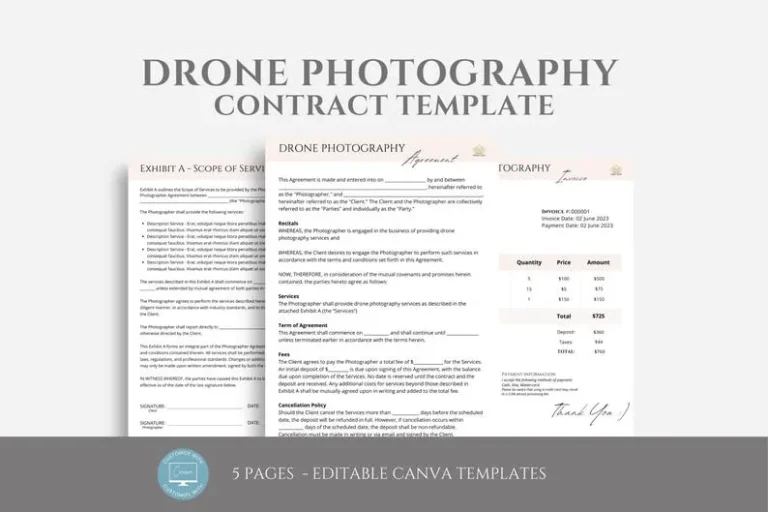
Drone Hull Insurance
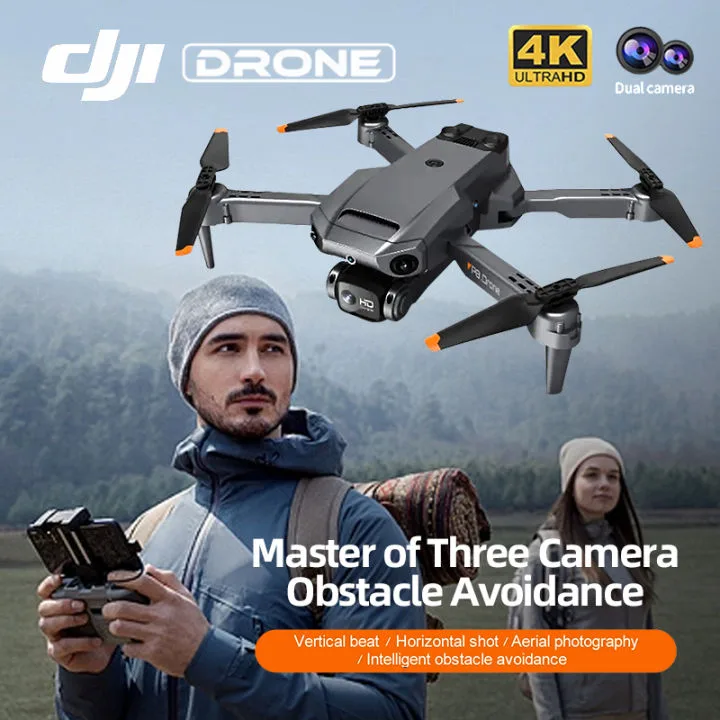
This is like car insurance for your drone itself. If your drone crashes, gets stolen, or is damaged in transit, this policy helps pay to repair or replace it. It's crucial because drones, especially the high-end ones used for professional work, aren't cheap to fix or buy new.
Manufacturer specifications often list repair costs that can easily run into thousands of dollars.
Commercial General Liability (CGL) Insurance
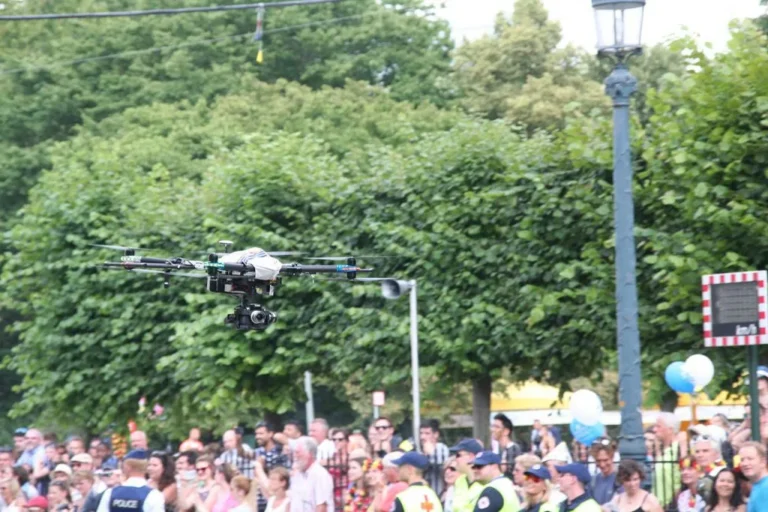
This is your shield against claims of bodily injury or property damage that your business operations might cause. So, if your drone accidentally clips a car while you're filming an event, or the downdraft from your drone damages a client's rooftop, CGL can cover the costs of medical bills, repairs, and legal fees. This is usually what clients will ask to see, with many requiring a minimum of $1 million in coverage as per standard industry practices.
Image source: Bing (Web (fair-use with source credit))
Aviation Liability Insurance (or Airspace Liability)
This is a bit more specialized and often bundled with CGL or offered as a rider. It specifically covers liability arising from the operation of aircraft, which includes drones. It's designed to protect you from claims related to the inherent risks of flying.
This is especially important when operating in areas with potential air traffic or over populated spaces. The FAA oversees airspace regulations that pilots must adhere to.
Do You Need Anything Else?
Depending on your specific situation, there might be other insurance policies that are a really good idea. These can offer more tailored protection for your valuable assets and services.
Equipment Floater (or Inland Marine Insurance)
This is for all your other gear, cameras, lenses, gimbals, computers, you name it. If your drone is your main tool, but you also have a significant investment in filmmaking equipment, this policy covers it whether it's at your office, on location, or in transit. Aggregate user reviews report that professional camera packages can easily exceed $15,000 in value.
Professional Liability Insurance (Errors & Omissions)
This one's a bit different. It covers you if a client claims you made a mistake or were negligent in your professional services. For example, if you promise a client specific footage, and you miss the shot due to user error or a misunderstanding, leading to a financial loss for them, this insurance could help.
It's less common for pure videography but can be important if you're consulting or providing complex creative services.
How Much Coverage is Enough?
This is where it gets really specific to you and your business. There's no single magic number, but here are some things to consider when determining adequate coverage limits as of 2026.
- Drone Value: Higher value drones mean higher hull insurance costs.
- Equipment Value: Don't forget to insure your cameras, lenses, and other accessories.
- Project Scale: The potential financial impact of an error on a large commercial shoot is much greater than on a small local event.
- Client Demands: Many clients will specify minimum liability limits, often $1 million or more.
Finding the Right Policy: A Step-by-Step Approach
When you start looking for insurance, don't just grab the first quote you see. Following a structured approach ensures you get the protection you actually need.
Step 1: Assess Your Risks and Assets
First, take stock of everything you need to protect.
- Drones: List make, model, serial number, and current market value for each.
- Other Gear: Include cameras, lenses, gimbals, batteries, controllers, and editing computers.
- Flight Environment: Consider where you typically fly. Are you over water? Near airports? Over crowds? These factors increase your risk profile.
Step 2: Understand Client Requirements
Many clients, especially larger companies or those in regulated industries, will specify insurance requirements in their contracts. Look for clauses that dictate the minimum amount of Commercial General Liability coverage needed, often around $1 million per occurrence. Not meeting these can be a deal-breaker for securing work.
Step 3: Consult an Independent Agent
An independent agent who specializes in business insurance, and ideally has experience with drone operators, can be incredibly helpful. They can shop around with different providers to find the best coverage and price for your specific needs. They understand niche markets and can explain the nuances of policies like aviation liability.
Step 4: Review Policy Details Carefully
When you receive policy proposals, read the fine print. Understand what's covered and what's excluded.
- Deductibles: How much will you pay out-of-pocket before insurance kicks in?
- Exclusions: Are there specific situations or locations where coverage is voided? (e.g., flying in certain weather, over large crowds).
- Coverage Limits: Ensure they align with your asset values and client demands.
Frequently Asked Questions About Drone Videography Insurance
What is the typical cost of drone videography insurance?
The cost, or premium, varies widely based on coverage limits, the type of drone, your operational area, and your claims history. However, estimates suggest that basic liability and hull insurance can range from $500 to $2,000 annually for a small business. More complex operations with multiple drones, higher liability limits (e.g., $5 million), or flying in higher-risk environments will naturally incur higher premiums.
Can I use my personal drone insurance for business?
No, personal drone insurance policies generally do not cover commercial use. Using a personal policy for business operations can lead to claims being denied. You need a dedicated commercial policy designed for business risks.
How quickly can I get drone insurance coverage?
Many specialized drone insurance providers can offer quotes and issue policies within a few business days, sometimes even on the same day, especially for standard coverage packages. For more complex operations, it might take longer.
Does drone insurance cover flying in bad weather?
Most standard policies have exclusions for flying in adverse weather conditions that are deemed unsafe or outside of regulatory guidelines. Specific policies might offer endorsements for certain weather risks, but this is not typical for basic hull or liability coverage.
What's the difference between aviation liability and general liability for drones?
General Liability covers third-party bodily injury and property damage arising from your business operations broadly. Aviation Liability specifically addresses risks associated with operating an aircraft, including drones, and is crucial for covering potential flight-related accidents that might not be fully covered by standard CGL.