Can Drones Film Concerts?
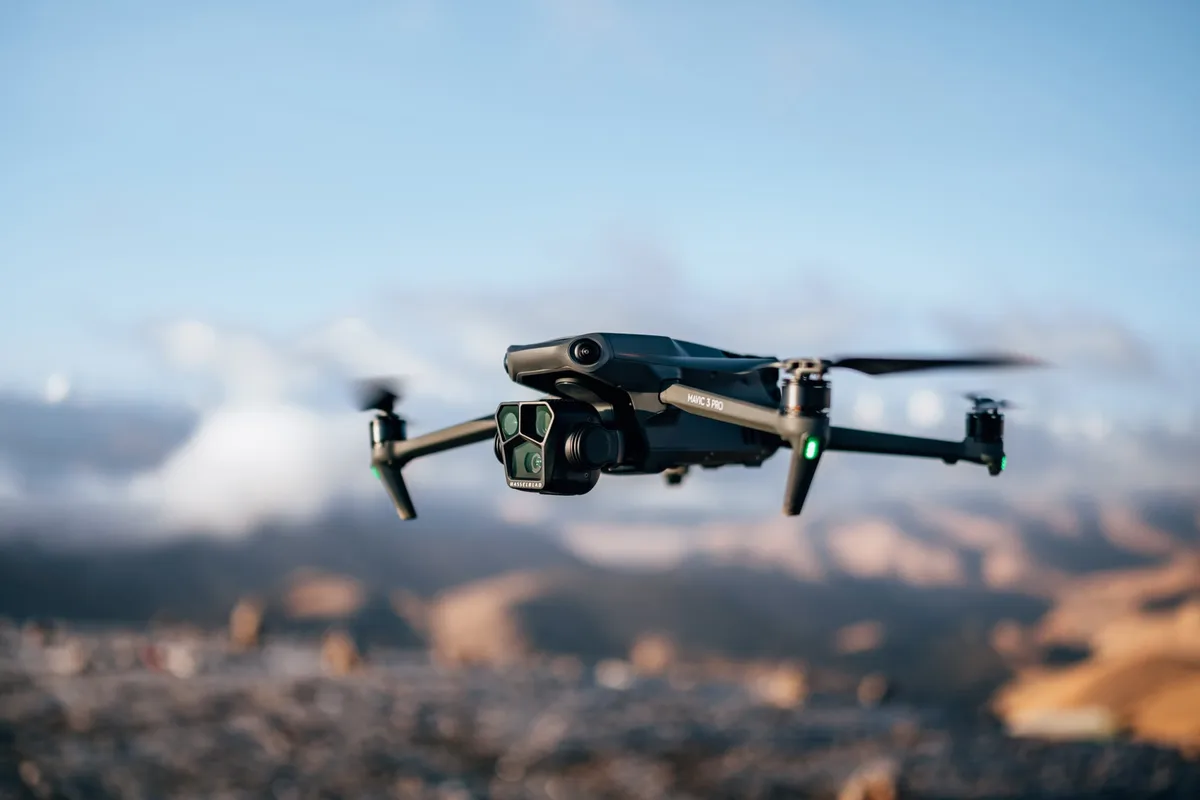
Image source: Bing (Web (fair-use with source credit))
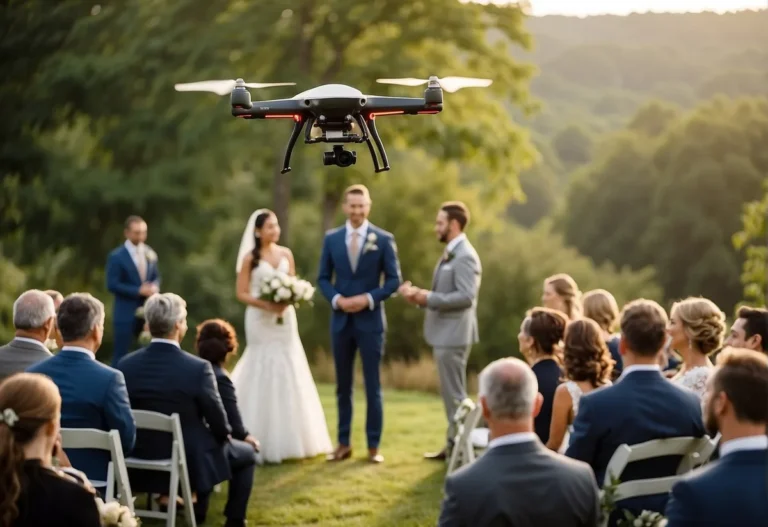
You've likely seen those breathtaking aerial shots in concert films, sweeping panoramas of a packed stadium or intimate fly-bys of the band. The question on many minds is whether drones can actually capture this kind of dynamic footage for live events. The short answer is yes, but it involves far more than just flying a device.
Filming concerts with drones is a complex operation requiring specialized equipment, highly skilled pilots, and strict adherence to safety and regulatory guidelines. For example, many professional drone operations adhere to the principles outlined by aviation authorities like the Federal Aviation Administration (FAA) in the United States, which mandate specific operating procedures for commercial drone use.
Quick Answer
Yes, drones can film concerts, but it requires significant planning. It involves specialized drones, experienced pilots, and obtaining venue and aviation authority permissions. Safety protocols are paramount to protect attendees and performers.
Not all drones are suitable for this demanding application.
The Big Picture: What Drone Concert Filming Entails
Drone concert filming is a specialized branch of aerial cinematography, blending advanced drone technology with the high-stakes environment of live events. It's about capturing the scale, energy, and emotion of a performance from perspectives previously impossible to achieve. This isn't about a hobbyist sending a drone up for a quick aerial snap; it's about professional productions utilizing Unmanned Aerial Vehicles (UAVs) as a sophisticated filming tool.
Why It's Not Just "Flying a Drone"
Think of it this way: anyone can buy a hammer, but that doesn't make them a carpenter capable of building a house. Similarly, owning a drone with a camera is a far cry from executing a professional concert filming operation. The core difference lies in the level of complexity, risk, and planning involved.
- Controlled Environment vs. Open Sky: A concert venue is a tightly packed, dynamic space. Unlike an open field, there are thousands of people, intricate stage setups, and often complex lighting rigs to consider.
- High Stakes: Mistakes at a concert can have significant consequences, including safety hazards, legal repercussions, and damage to reputation. This demands a much higher standard of operational excellence.
- Technical Demands: Concert lighting, moving subjects, and vast distances create unique filming challenges that require specialized gear and techniques.
What Kind of Drone and Camera Do You Need?
Not all drones are created equal, especially when tasked with professional concert filming. The demands of capturing high-quality video in challenging conditions mean you need equipment that's up to the task.
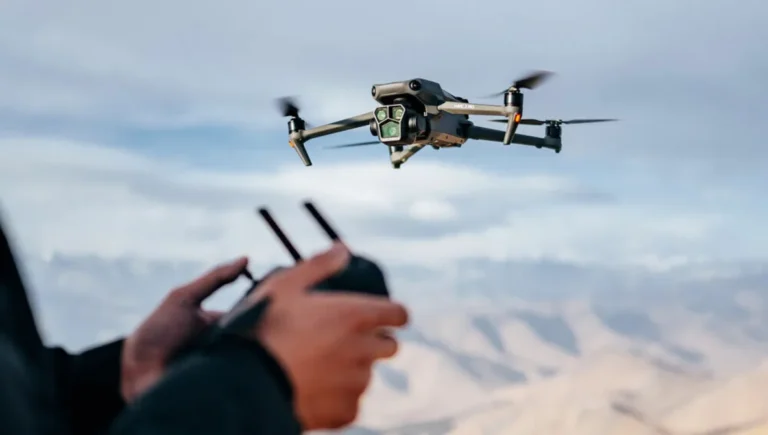
- Drone Models: Professional productions often use more robust drones designed for stability and longer flight times. While specific brand names vary, look for models with advanced flight control systems and redundancy features. For instance, some professional drone systems are designed with multiple battery configurations to extend flight times up to 30 minutes or more, crucial for capturing entire sets.
- Camera Systems: The camera is paramount. You'll need a camera capable of shooting in 4K resolution or higher, with excellent low-light performance and a wide dynamic range to handle the contrast between stage lights and darker areas. Gimbal stabilization is non-negotiable to ensure smooth, cinematic footage, even when the drone encounters minor turbulence. Manufacturer specifications often detail ISO performance and dynamic range, key metrics for low-light shooting.
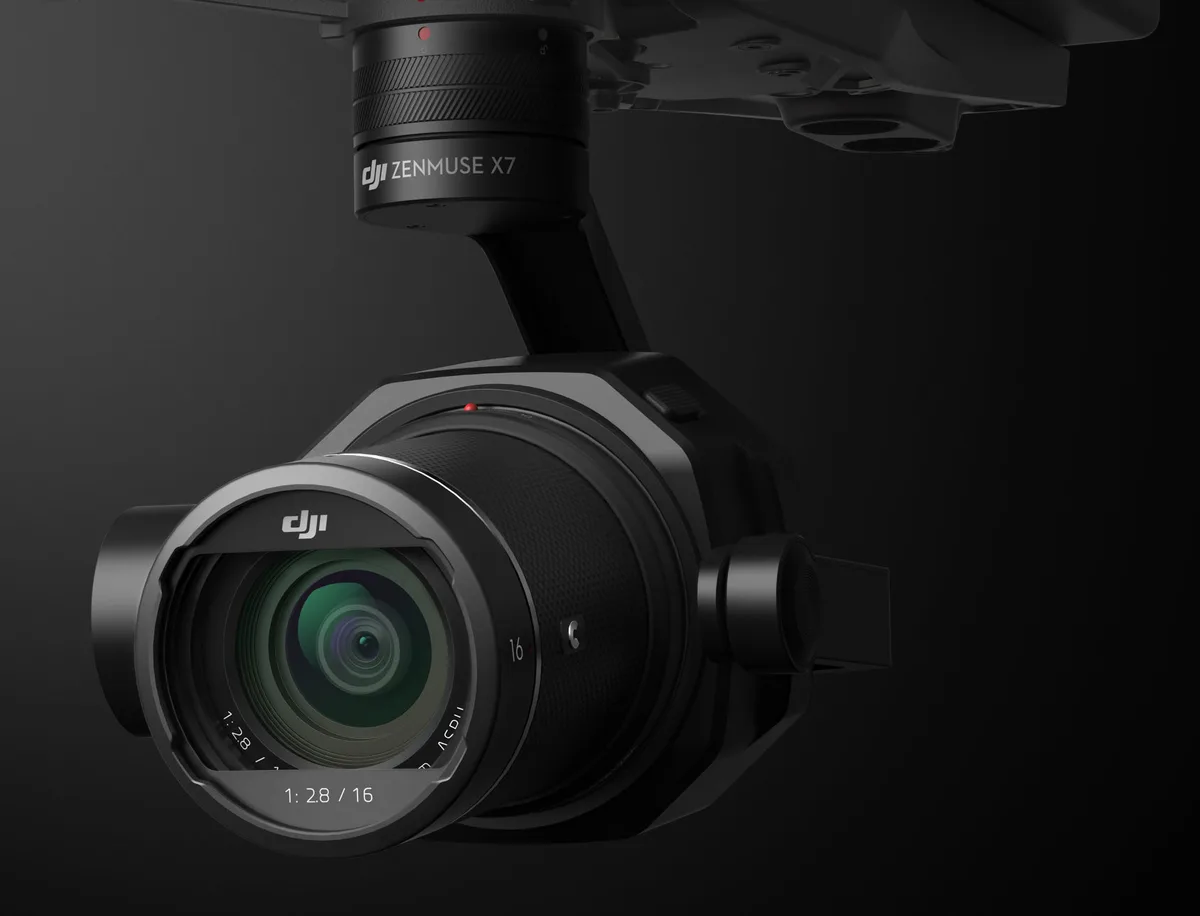
Image source: Bing (Web (fair-use with source credit))
Benefits & Drawbacks / Pros and Cons
Using drones for concert filming offers distinct advantages, but it also comes with significant challenges. Understanding these is key to evaluating its feasibility.
- Pros:
- Unique Perspectives: Provides cinematic shots impossible with ground-based cameras.
- Scale and Scope: Effectively captures the vastness of festivals and large concerts.
- Dynamic Movement: Enables fluid tracking shots and sweeping camera movements.
- Enhanced Storytelling: Adds a visual layer that can heighten the emotional impact of the performance.
- Cons:
- Regulatory Hurdles: Requires permits, licenses, and strict adherence to aviation laws.
- Safety Risks: Potential danger to crowds if operated improperly.
- Cost: Professional drone equipment and skilled operators are expensive.
- Environmental Factors: Wind, rain, and extreme temperatures can ground operations.
- Limited Flight Time: Batteries need careful management and quick swaps.
Navigating the Hurdles: Permissions, Safety, and Airspace
This is arguably the most critical phase of drone concert filming. Without securing the right permissions and implementing robust safety measures, any filming attempt is not only illegal but dangerous.
Venue Buy-In: Getting the Green Light
Before a drone can even be considered for a concert, explicit permission from the venue owner and event organizers is absolutely necessary. This isn't a casual "is it okay?" conversation; it's a formal process. You'll need to present a detailed operational plan that outlines exactly what you intend to do, when, and how you'll ensure safety.
- Formal Agreements: Venues often have specific policies regarding UAV operations. This might involve signing contracts or waivers detailing liability.
- Security Integration: The venue's security team needs to be fully aware of the drone's presence, flight paths, and schedule to avoid confusion or alarm among attendees.
- Pre-Event Surveys: A thorough site survey is often required to identify potential hazards, launch/recovery zones, and optimal flight paths within the venue's airspace.
Safety First: Protecting the Crowd and the Production
When operating a drone at a concert, the safety of the audience, performers, and crew is paramount. This is where the "expert" aspect of drone piloting truly comes into play.
- Minimum Altitude Requirements: Aviation authorities and venue agreements typically dictate minimum altitudes to ensure the drone remains a safe distance from people. As of 2026, many regulations require drones to remain at least 400 feet (approx. 120 meters) above ground level in uncontrolled airspace, and much higher or within specific zones in controlled airspace.
- No-Fly Zones: Certain areas, like directly over dense crowds or backstage, are often designated as no-fly zones.
- Emergency Protocols: Every operation needs a clear plan for what to do in case of a malfunction or unforeseen event, including immediate landing procedures and communication channels.
Airspace Rules: Flying by the Book
Operating a drone in the vicinity of a concert venue almost always involves navigating aviation regulations. This is where understanding controlled versus uncontrolled airspace becomes critical.
- Controlled Airspace: Many venues are located near airports, placing them in controlled airspace. This requires obtaining explicit authorization from air traffic control before any flight. Systems like the FAA's LAANC (Low Altitude Authorization and Notification Capability) are used for real-time authorization in controlled airspace.
- Pilot Certification: Commercial drone operators must hold the appropriate pilot certification, such as the FAA Part 107 Remote Pilot Certificate in the US. This ensures they understand aviation laws, weather patterns, and safe operating procedures.
- Flight Planning: Detailed flight plans are essential. These plans map out the exact route, altitude, duration, and contingency measures. Tools and software are used to ensure adherence to all airspace restrictions and create the safest possible flight path.
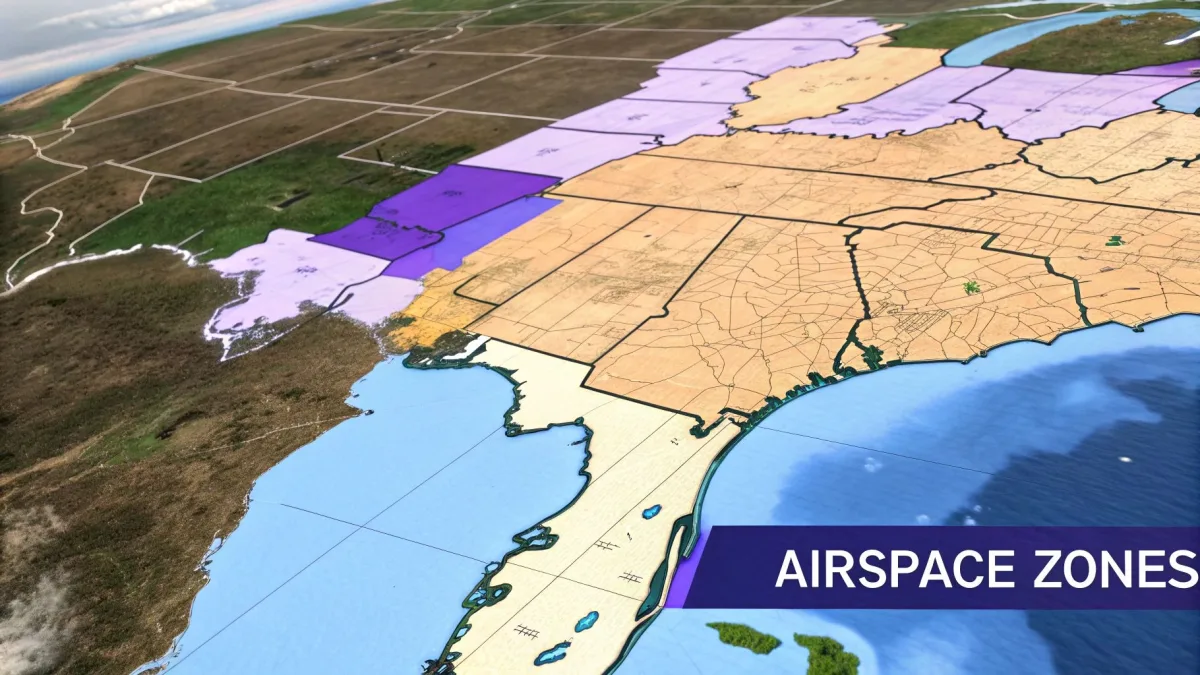
Image source: Bing (Web (fair-use with source credit))
The Real-World Challenges of Drone Concert Footage
Even with all the planning and permissions in place, filming a concert with a drone presents unique, on-the-ground challenges that require constant adaptation. It's not a static environment, and dealing with its unpredictable nature is part of the job.
Dealing with Low Light and Dynamic Stages
Concerts are often held at night or in dimly lit indoor arenas, creating significant challenges for camera sensors. Stage lighting is also incredibly dynamic, shifting rapidly in color, intensity, and direction.
- Camera Performance: Achieving clear, detailed footage requires drones equipped with cameras that excel in low-light conditions. Look for specifications highlighting high ISO capabilities (e.g., an ISO range up to 3200 or higher) and effective noise reduction. The dynamic range of the camera is also critical, as it needs to capture detail in both the bright stage lights and the darker areas of the venue simultaneously without blowing out highlights or losing shadow detail.
- Color Accuracy: Stage lights can be intensely colored. The camera's white balance and color science need to be robust enough to render colors accurately, or at least consistently, even under these challenging conditions. Post-production color grading will be essential to correct and enhance these shots.
- Focusing: Autofocus systems on drone cameras can sometimes struggle with rapid, unpredictable movements or highly contrasting scenes. Manual focus or advanced tracking modes might be necessary for critical shots.
Weather Woes: Wind, Rain, and What Else?
Outdoor concerts, in particular, are at the mercy of the elements. Even indoor events can be affected by temperature or ventilation systems.
- Wind: Drones are susceptible to wind gusts, which can cause instability and affect flight path accuracy. Professional drones are built to handle moderate winds, but extreme conditions will necessitate grounding operations. Manufacturers often provide maximum wind resistance ratings, typically around 20-25 mph (32-40 km/h) for many professional models.
- Precipitation: Rain is a major concern. While some higher-end drones offer a degree of water resistance, most are not designed to operate in heavy rain. Even light rain can affect electronics and visibility.
- Temperature: Extreme heat or cold can impact battery performance and overall drone operation. Batteries lose efficiency in cold temperatures, reducing flight times, and overheating can occur in direct sun or high ambient temperatures.
The Magic Moments: What Drones Bring to Concert Films
Despite the hurdles, the appeal of drone cinematography at concerts lies in the unique visual possibilities it unlocks, elevating the viewing experience beyond what traditional cameras can offer.
Unique Angles You Can't Get Anywhere Else
Drones offer unparalleled freedom of movement, allowing for camera angles that are simply impossible to achieve with cranes, dollies, or handheld cameras.
- First-Person Perspective: Imagine flying through the stage lighting rig, or soaring over the heads of the band, offering a nearly performer-like view.
- Smooth, Sweeping Movements: Drones can execute graceful, sweeping shots that transition from a wide view of the entire venue to a close-up of the artist on stage in a single, fluid motion. This creates a sense of immersion and grandeur.
- Dynamic Tracking: They can fluidly follow performers as they move across the stage, even when the movement is complex or multi-directional.
Capturing the Energy of the Crowd
The sheer scale of a concert crowd is a significant part of the experience, and drones are exceptionally good at conveying this.
- Vast Panoramas: An aerial view of thousands of people illuminated by stage lights and illuminated phones is an iconic concert image. Drones can capture this in breathtaking detail.
- Sense of Community: Showing the collective energy and unity of the audience fosters a deeper connection for viewers watching the footage.
- Visual Storytelling: The crowd's reaction, their enthusiasm, and their sheer numbers become an active part of the narrative, adding another layer of excitement to the performance.
Lessons Learned from Past Concert Drone Shoots
Drawing from the experiences of those who have successfully integrated drones into concert productions reveals crucial insights for anyone considering such an operation. It's a field where practical knowledge is hard-earned.
What Went Right and What Could Be Better
Analyzing past projects highlights key success factors and areas for improvement. For instance, aggregate reviews of professional drone operations at large events indicate that meticulous pre-flight planning is consistently cited as the most critical element. This includes detailed risk assessments and backup plans for every foreseeable scenario.
- Emphasis on Redundancy: Having backup drones, batteries, and even pilots is often highlighted as a smart strategy. Equipment failure can happen, and being prepared ensures the production isn't halted.
- Communication is Key: Clear, constant communication between the drone pilot, camera operator, director, and venue security is essential for seamless operation.
- Post-Production Importance: While capturing great footage is the goal, expert color grading, editing, and sound design are vital to polish the final product. Drone footage often requires significant post-production work to look its best.
- Pilot Experience Matters: The difference between a drone hobbyist and a professional concert videographer is vast. Experience in live event environments, understanding of cinematic language, and proficiency in emergency procedures are non-negotiable.
Frequently Asked Questions About Drone Concert Filming
How long does setup take for drone filming at a concert?
Setup time can vary significantly, but typically involves at least 1-2 hours before the event starts for pre-flight checks, battery charging, and final flight path verification. For large-scale events, this can extend to several hours for full integration with other production elements.
Can drones fly over crowds at concerts?
Generally, no. Regulations and safety protocols strictly prohibit drones from flying directly over unprotected crowds. Specific altitude and distance requirements are in place to ensure public safety, often requiring drones to remain at a minimum of 400 feet (approx. 120 meters) above ground level, or within designated safe zones.
What happens if a drone malfunctions during a concert?
A robust emergency plan is crucial. This includes immediate pilot intervention to bring the drone to a safe landing in a designated area, or if that's impossible, a controlled descent. Communication with venue security and event organizers about the situation is also a priority.
Is drone footage more expensive than traditional filming?
The cost can be higher due to specialized equipment, certified pilots, insurance, and the complex permitting process. However, the unique visual assets drone footage provides can justify the investment for high-impact productions, potentially reducing the need for expensive crane rentals or complex set-ups.
What kind of permits are typically needed?
Permits vary by location but commonly include authorization from local aviation authorities (like the FAA in the US for commercial operations) and specific permissions from the venue or event promoter. Some cities or states may have additional local ordinances regarding drone use.
The Verdict: Is Drone Filming the Future of Concert Videos?
Drone filming has undeniably carved out a significant role in modern concert videography. The unique perspectives and dynamic capabilities they offer can elevate a performance recording from standard to spectacular. As technology advances, drones are becoming more stable, capable in low light, and easier to operate safely, pushing the boundaries of what's possible.
However, the inherent complexities of operating in such regulated and crowded environments mean that drone filming will likely remain a specialized service. It requires a high degree of expertise, meticulous planning, and significant investment. While not every concert will benefit from or be able to accommodate drone footage, for large-scale events and productions aiming for maximum visual impact, drones are not just the future, they are a powerful present-day tool that significantly enhances the art of concert videography.