What Should a Drone Videography Contract Include?
Getting a drone videography contract right is crucial for protecting yourself and your clients from misunderstandings and disputes. When you're hired for a project, a clear, comprehensive agreement ensures everyone knows their responsibilities, the scope of work, and what they're paying for. Without one, you're leaving yourself open to potential financial loss and legal headaches.
In our research, we found that contracts for specialized services like drone videography often need specific clauses addressing technology, intellectual property, and operational limitations. As of 2026, having a well-defined contract is more important than ever. Let's dive into what should make up the backbone of your drone videography agreement.
Quick Answer
A drone videography contract should include detailed scope of services, clear payment terms with a schedule, specific delivery timelines, and defined copyright and usage rights. It must also cover cancellation policies, liability limitations, and governing law.
Why a Contract Isn't Just Paperwork, It's Protection
Think of a contract as your project's blueprint and insurance policy all rolled into one. It's not about mistrust; it's about professionalism and clarity. For drone videography, this is especially vital because the work involves unique elements like airspace regulations, technical equipment, and creative deliverables.
A solid service agreement manages client expectations from the outset. It prevents common issues like scope creep, where clients ask for more than originally agreed upon without additional payment. It also safeguards you against disputes over payment, footage ownership, and usage rights.
According to the U.S. Small Business Administration, having a written contract is a foundational step for any service-based business to establish credibility and protect assets.
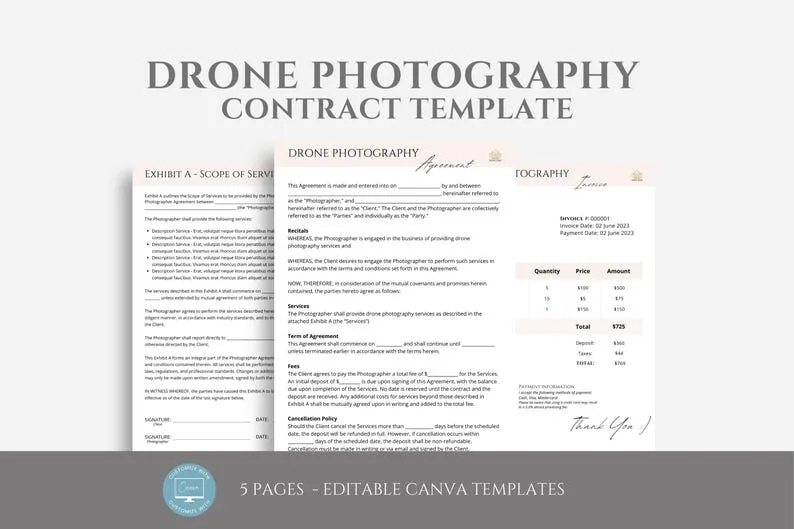
Image source: Bing (Web (fair-use with source credit))
The Must-Have Clauses for Your Drone Videography Contract
When you're crafting your agreement, several key areas demand your meticulous attention. These are the essential pillars that hold up a strong and defensible contract. Missing even one can lead to significant problems down the line.
Defining the "What": Scope of Services and Deliverables
This section is arguably the most critical. It's where you precisely detail exactly what you are going to deliver to your client. Ambiguity here is the fast track to disagreement.
- Specific Services: Clearly list all services you will perform. This isn't just "drone footage"; it's detailed. For example, "cinematic aerial shots of the property exterior," "interior walkthrough footage using handheld camera," or "timelapse of construction progress."
- Deliverables: What exactly will the client receive? Be specific. This could be:
- Number of edited video clips.
- Total duration of the final edited video (e.g., a 3-minute marketing reel).
- Format of delivery (e.g., MP4, MOV).
- Whether raw, unedited footage is included.
- Number of revisions allowed.
- Flight Limitations: Detail any restrictions that might impact the shoot. This includes weather dependency (e.g., shooting only in clear skies), FAA regulations, or specific airspace restrictions at the location.
- Equipment: While not always necessary, listing the primary drone and camera equipment can add clarity for high-end projects.
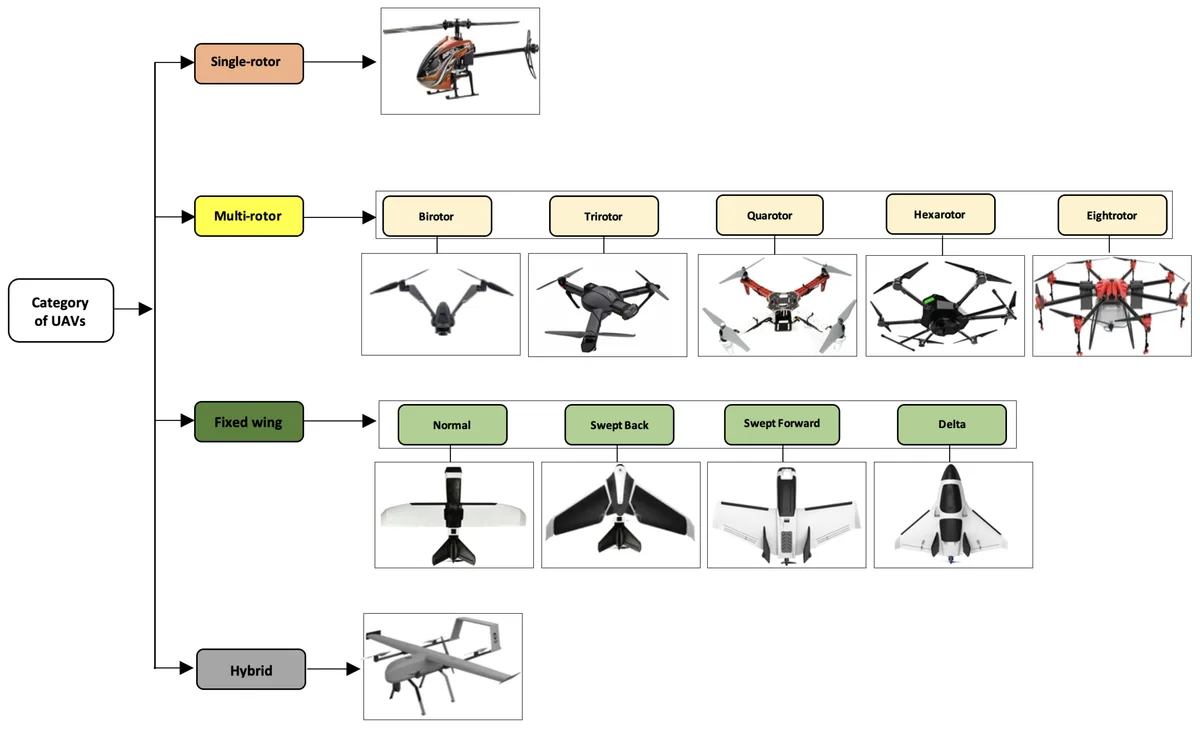
Image source: Bing (Web (fair-use with source credit))
The Financial Framework: Fees, Payments, and Revisions
Money matters. This part of the contract needs to be crystal clear to avoid any confusion or disputes about what is owed and when.
- Total Project Fee: State the overall cost of the services agreed upon.
- Payment Schedule: Break down how and when payments are due. This often includes:
- Deposit: A non-refundable deposit (e.g., 30-50%) to secure booking and cover initial expenses.
- Milestone Payments: Payments due upon completion of specific project phases (e.g., 50% upon completion of filming, 50% upon final delivery).
- Final Payment: Due upon client approval and delivery of the final product.
- Late Payment Penalties: Clearly outline what happens if a payment is late, such as a per-day interest rate or a flat late fee. A late fee of 1.5% per month on outstanding balances is common.
- Revisions and Additional Costs: Define what constitutes a revision versus a request for entirely new work. Specify the number of revisions included and the hourly rate for any additional work beyond the agreed scope.
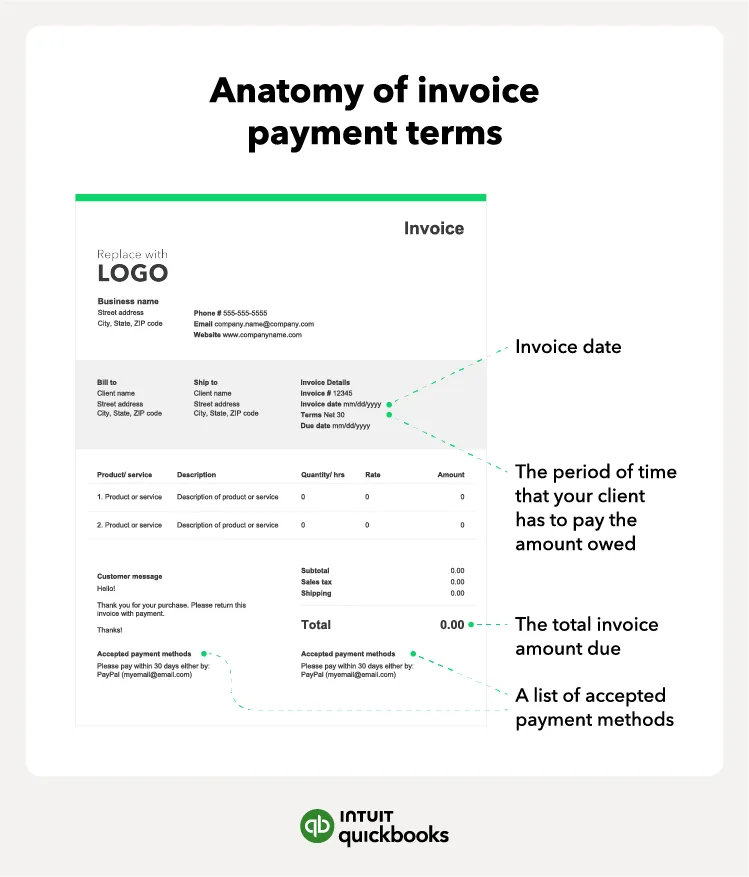
Image source: Bing (Web (fair-use with source credit))
Setting Expectations: Timelines and Delivery Dates
Clients often have deadlines or launch dates for their projects. A clear timeline in your contract manages these expectations and helps you plan your workflow effectively.
- Shoot Date(s): Propose specific dates or a range of dates for the drone shoot. Include a clause stating that these are subject to weather and availability.
- Delivery of Final Product: Provide a realistic timeframe for delivering the final edited footage or other deliverables after the shoot is completed. This might be "within 10 business days of the final shoot" or "by [Specific Date]."
- Client Approval Process: Detail how and when the client will review and approve the work, and what the timeframe is for their feedback.
Who Owns What: Copyright, Licensing, and Usage Rights
This is a critical area where many drone videographers and clients can run into trouble if not clearly defined. Who gets to use the footage, and how?
- Copyright Ownership: Typically, the creator (you) retains the copyright to the footage unless it's explicitly transferred in the contract. This means you own the original work.
- Licensing: This is what you grant to the client. You license them the right to use the footage for specific purposes, for a specific duration, and in specific media.
- Permitted Use: Clearly state how the client can use the footage (e.g., for their website, social media marketing, internal training, broadcast commercials).
- Restrictions: Specify what they cannot do with the footage (e.g., resell it, use it in a way that infringes on third-party rights).
- Duration: Is the license perpetual, or for a specific term (e.g., 5 years)?
- Portfolio Usage: You should also include a clause allowing you to use the footage in your own portfolio, website, and marketing materials, unless the project requires strict confidentiality.
Navigating "What Ifs": Cancellation, Liability, and Force Majeure
No matter how well planned, things can go wrong. Having clauses that address these "what ifs" protects both parties.
- Cancellation Policy: What happens if either party needs to cancel the agreement?
- Client Cancellation: If the client cancels within a certain timeframe before the shoot, they may forfeit their deposit or owe a percentage of the total fee. Cancellation within 30 days might incur a 50% fee.
- Videographer Cancellation: If you need to cancel, you might be obligated to refund the deposit and potentially help find a replacement.
- Liability and Indemnity: This clause shields you from liability for certain types of damages that might arise during or after the project, provided you have acted reasonably and professionally. It often states that you are not responsible for indirect or consequential damages and that the client will indemnify you against any third-party claims arising from the client's actions or use of the footage.
- Force Majeure: This is a legal term for unforeseen circumstances beyond anyone's control that prevent fulfilling the contract. Examples include extreme weather events (hurricanes, blizzards), natural disasters, acts of war, or government shutdowns. In such cases, neither party is held liable for breach of contract, and the agreement might be suspended or terminated.
Essential Legal and Compliance Considerations
Beyond the core elements, several legal and compliance aspects are critical for drone videography contracts. These ensure your operations are lawful and that you're protected against potential legal pitfalls.
- Governing Law: This specifies which state or country's laws will govern the contract. It's usually the jurisdiction where your business is based or where the majority of the work is performed. For instance, a contract might state, "This Agreement shall be governed by and construed in accordance with the laws of the State of California."
- Insurance: While you may not always be legally required to state your insurance in the contract, it's highly recommended to mention that you carry adequate liability insurance. This reassures the client and highlights your professionalism. Having at least $1 million in aviation liability insurance is a common benchmark.
- Confidentiality: If the project involves sensitive or proprietary information for the client (e.g., unreleased product designs, private property details), a confidentiality clause is essential. This legally binds you to keep all such information private and not to disclose it to any third parties.
- Intellectual Property Protection: Beyond copyright and licensing, consider clauses that protect your intellectual property beyond the footage itself, such as any unique editing techniques or software you develop for the project.
Common Contract Pitfalls for Drone Videographers to Avoid
Even with the best intentions, certain mistakes in contracts can lead to major problems. Being aware of these common pitfalls can help you sidestep them and ensure your agreements are robust.
- Vague Scope of Services: This is the most frequent offender. Using phrases like "comprehensive aerial coverage" without defining what that entails is a recipe for disaster. Always be specific about the shots, angles, duration, and quantity of deliverables.
- Unclear Payment Terms: Ambiguity around payment due dates, accepted methods, or late fees can sour client relationships. Ensure every financial aspect is laid out with no room for interpretation.
- Overly Broad Usage Rights: Granting unlimited usage rights without understanding your own business needs can limit your ability to use the footage for your portfolio or future projects. Conversely, being too restrictive can scare away clients. Define licensing terms precisely.
- Not Addressing Revisions: Without a clear policy on revisions, clients might expect endless edits at no extra cost. Specify the number of revision rounds included and the cost for additional changes.
- Forgetting Force Majeure: Not including a force majeure clause means you could be held liable for circumstances entirely out of your control, like a sudden storm grounding your drone.
- Ignoring Local Regulations: Drone operations are subject to aviation laws. While the contract itself might not detail every FAA rule, it should acknowledge that operations will comply with all applicable aviation regulations.
Expert Tips for Crafting Your Drone Videography Agreement
Creating an effective drone videography contract doesn't have to be a daunting task. By following a few key principles and seeking expert advice, you can build agreements that serve you and your clients well.
- Use a Template, But Customize: Start with a reputable template, but never use it without tailoring it to your specific services, business model, and the project at hand. Every job is unique, and your contract should reflect that.
- Be Clear and Concise: Avoid legal jargon where possible. Use plain language that both you and your client can easily understand. Short sentences and bullet points are your friends here.
- Define Key Terms: If you use terms specific to drone videography or your contract (e.g., "deliverables," "usage license"), define them clearly within the contract itself.
- Consult Legal Counsel: For any contract that will form the basis of your business, it's wise to have an attorney specializing in contract law or intellectual property review your standard template. They can identify potential loopholes or compliance issues specific to your region.
- Get Everything in Writing: Never rely on verbal agreements. If a client asks for something outside the contract, issue a contract addendum that both parties sign.
- Keep Records: Store signed contracts securely and maintain records of all communications and payments related to the project.
Frequently Asked Questions About Drone Videography Contracts
What's the biggest mistake someone makes with a drone videography contract?
The most common error is having a vague scope of services, leading to misunderstandings about what the client expects versus what the videographer is obligated to deliver. This often results in disputes over deliverables and payment.
How do I handle copyright and usage rights clearly?
You clearly define these by specifying who retains copyright (usually the videographer) and then detailing the specific license granted to the client. This license should outline what the client can do with the footage, where they can use it, and for how long.
What if weather prevents the drone shoot from happening on the scheduled date?
A well-drafted contract includes a "force majeure" or weather-contingency clause. This clause should outline options for rescheduling the shoot without penalty or define how deposits are handled if cancellation due to weather becomes necessary.
Do I need to include my drone insurance details in the contract?
While not always mandatory, it's good practice to mention that you possess adequate liability insurance. This reassures clients and demonstrates your professionalism and preparedness for potential issues.
How many revisions should I offer in a contract?
The number of revisions included is negotiable and should be clearly stated. Offering one or two rounds of reasonable revisions is common, with additional rounds or significant changes billed at an hourly rate.