What Resolution Is Best for TikTok Drone Videos?
Capturing breathtaking aerial footage for TikTok is easier than ever, but knowing the best resolution to shoot in can make a huge difference in how your videos look. Get it wrong, and your stunning shots might look muddy or pixelated once uploaded. That’s why understanding the video detail you’re capturing is key for standout social content.
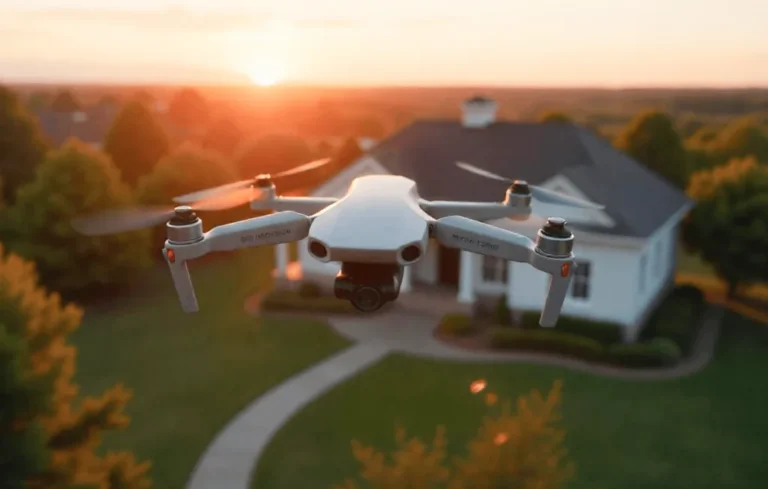
So, what resolution is best for TikTok drone videos? In our research, shooting in 2.7K generally offers the best balance of detail, file size, and platform compatibility for TikTok. This resolution provides more clarity than standard 1080p and is more manageable than 4K, often resulting in a sharper final image after TikTok’s video compression.
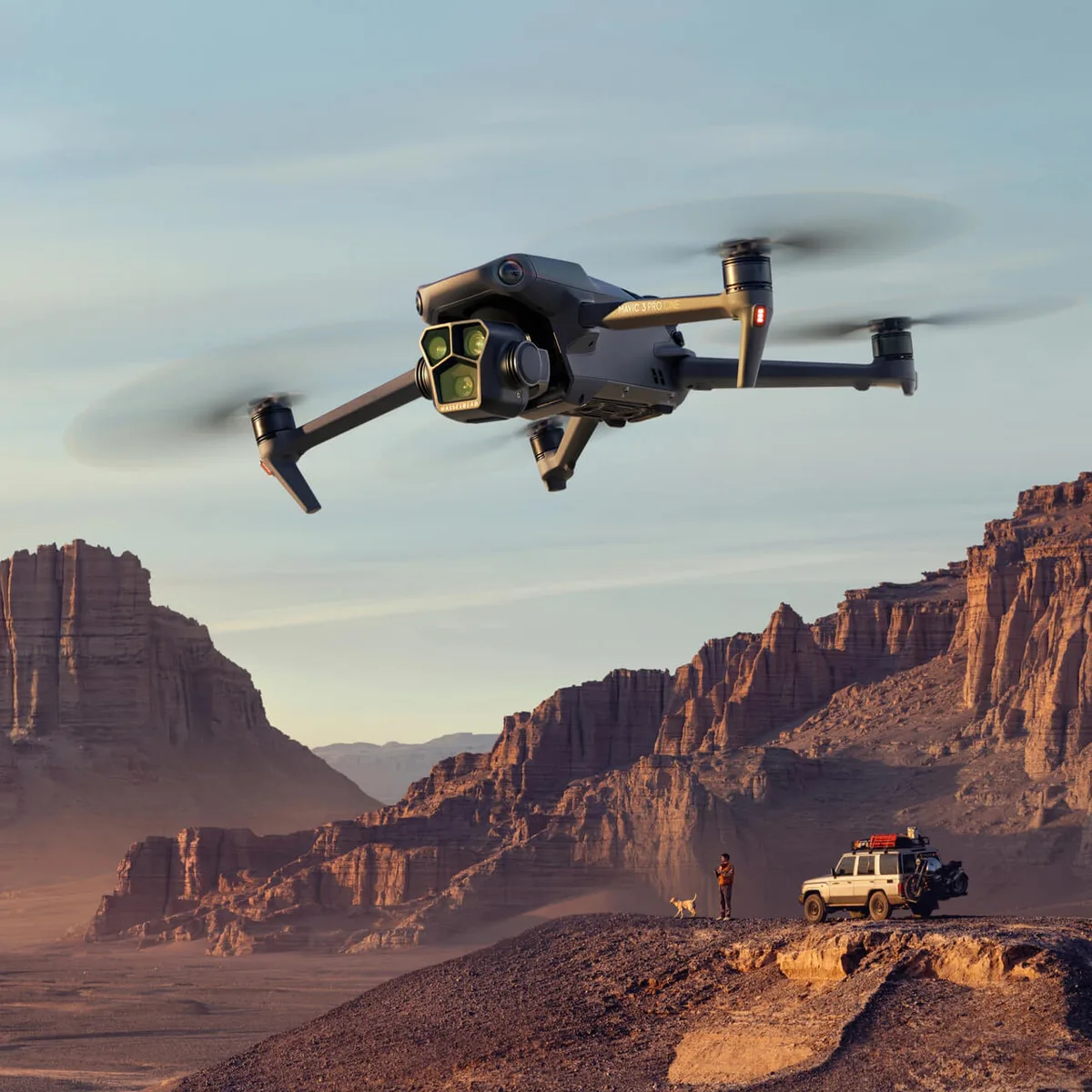
Image source: Bing (Web (fair-use with source credit))
Quick Answer
For TikTok drone videos, 2.7K resolution is typically the sweet spot. It delivers noticeably better detail than 1080p. TikTok’s compression process often enhances footage downscaled from 2.7K.
This strikes a smart balance, avoiding the massive file sizes of 4K. This approach ensures good quality, manageable files, and faster uploads.
Why Resolution Matters for Your TikTok Drone Videos
Resolution is all about the number of pixels that make up your video image. Think of it like the number of tiny dots that form a picture on your screen. Higher resolution means more pixels, which translates to more detail, sharper lines, and a clearer overall image.
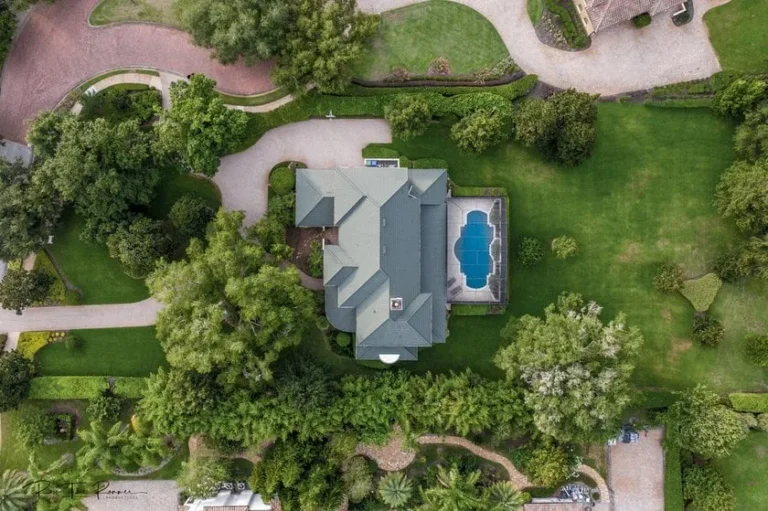
For drone footage, this can mean capturing intricate textures of landscapes, the fine details of buildings, or smooth, fluid motion.
But for platforms like TikTok, it’s not just about having the most pixels. TikTok, like other social media sites, compresses your video to make it stream efficiently. This compression can reduce the quality of your footage.
Understanding how different resolutions hold up to this compression, and what file sizes they create, is crucial. As of 2026, keeping user experience in mind means balancing visual fidelity with accessibility and upload speed.
The Quick Answer: Your TikTok Drone Video Resolution Sweet Spot
For most TikTok creators using drones, 2.7K resolution hits the ideal balance. It offers a clear visual upgrade over standard 1080p, giving your aerial shots that extra crispness viewers will appreciate. Crucially, when TikTok’s algorithms process your 2.7K footage, it often downscales into a cleaner final image than if you'd shot at 1080p.
This means you get excellent quality without the hefty file sizes or processing demands that come with shooting everything in 4K.
Understanding the Resolution Options: 1080p, 2.7K, and 4K
When you're looking at your drone's camera settings, you'll see a few standard resolution choices. Each offers a different level of detail and comes with its own set of implications for your video workflow and the final look on TikTok.
1080p (Full HD): The Baseline
Also known as Full HD, 1080p resolution means the video is composed of 1920 pixels wide by 1080 pixels tall. This is the standard for many streaming services and broadcast television, and it's a solid option for clear video. For drone footage, 1080p offers a good balance of quality and manageable file sizes.
It's generally less demanding on your drone's processing power and your editing computer.
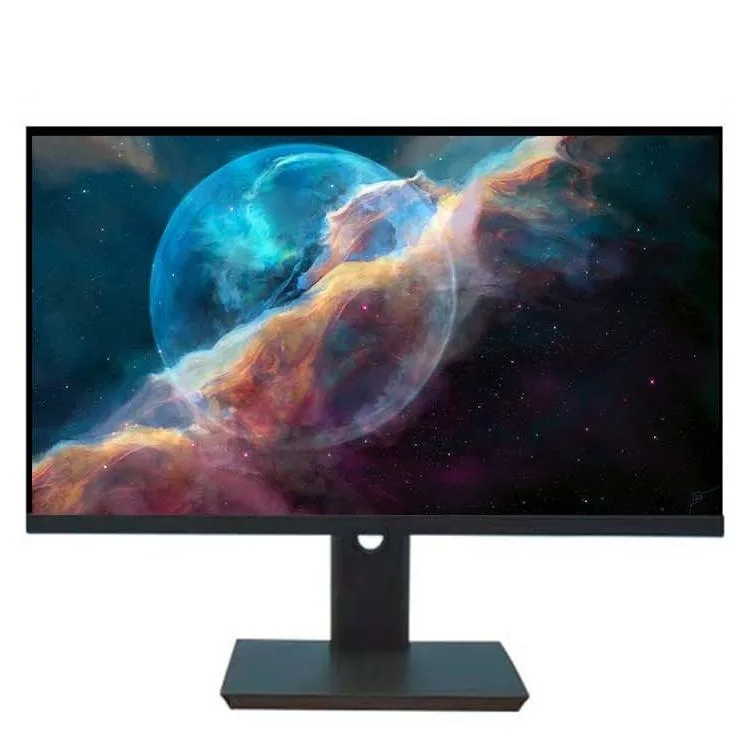
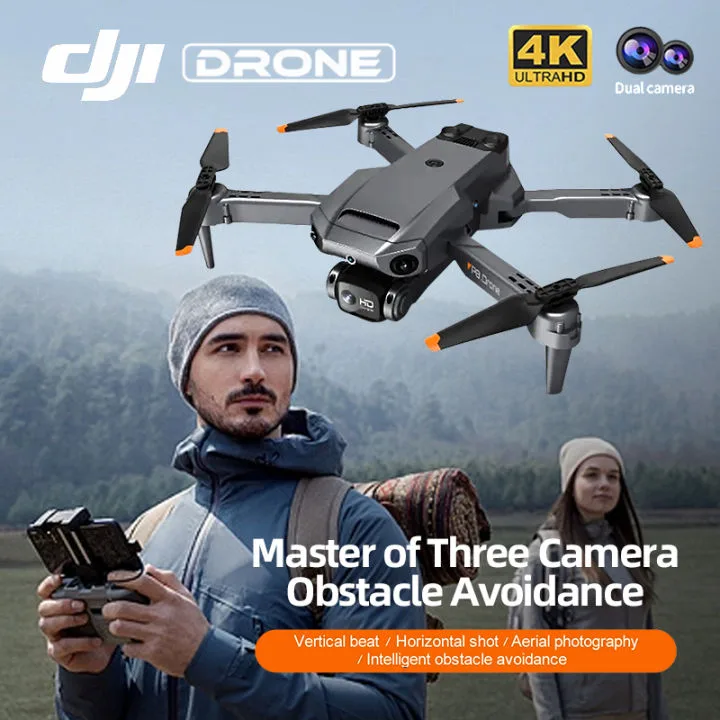
Image source: Web (Bing) / gzzhizhen.en.made-in-china.com (Web image (fair-use with source credit))
However, when compared to higher resolutions, 1080p can appear less sharp, especially if you're viewing on a larger screen or if the footage is digitally zoomed or stabilized in editing. The detail might be less pronounced, which can be noticeable in complex aerial scenes.
2.7K: The Balanced Choice
Stepping up, 2.7K resolution typically means 2704 pixels wide by 1520 pixels tall. This provides about 77% more pixels than 1080p. This increase in pixel count leads to a more detailed and sharper image right out of the camera.
For TikTok, this intermediate resolution is often considered the sweet spot for several reasons.
It offers a noticeable improvement in clarity over 1080p, giving your footage a more professional sheen. At the same time, the file sizes are generally more manageable than 4K, making them easier to store, transfer, and edit. This makes 2.7K an excellent compromise for creators who want high-quality visuals without the extreme demands of 4K.
4K (UHD): The Detail King
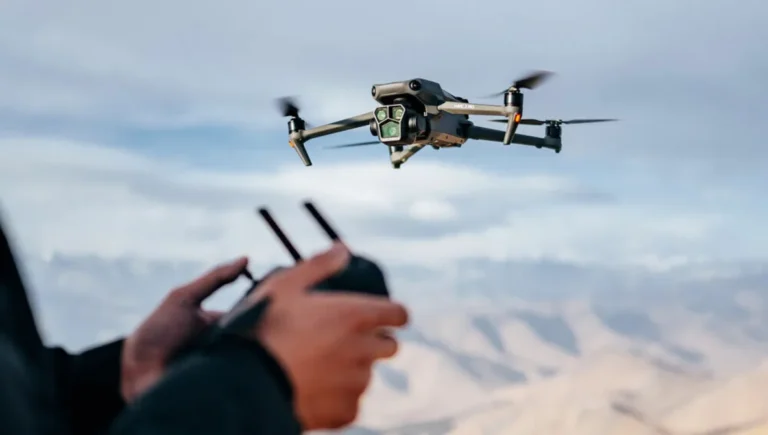
The highest common resolution for consumer drones is 4K, often referred to as Ultra HD (UHD). This typically means 3840 pixels wide by 2160 pixels tall, offering four times the number of pixels as 1080p. Shooting in 4K captures an incredible amount of detail, making your footage look exceptionally crisp and allowing for significant cropping or reframing in post-production without a drastic loss of quality.

Image source: Bing (Web (fair-use with source credit))
However, 4K footage comes with substantial drawbacks. The file sizes are considerably larger, which can quickly fill up drone memory cards and require more storage space on your computer. Editing 4K video is also more demanding, often requiring a powerful computer and capable editing software to ensure smooth playback and processing.
For platforms like TikTok, where videos are heavily compressed, the extra detail from 4K might not always translate perfectly to the final upload.
Comparing Resolutions: What's Best for TikTok's Platform?
When deciding on the right resolution for your TikTok drone videos, it's not just about the numbers on your camera settings. You have to consider how platforms like TikTok handle your footage after you upload it.
TikTok's Compression: Friend or Foe?
TikTok, like most social media platforms, automatically compresses videos to ensure faster loading times and smoother playback for viewers. This compression reduces file size by discarding some visual data. While necessary for streaming, it can sometimes degrade the quality of your original footage, making details look softer or introducing artifacts.
This is why choosing a higher initial resolution can be beneficial. If you start with more detail (like in 2.7K or 4K), the platform has more information to work with, and the resulting compressed image can still look sharper than if you had started with a lower resolution like 1080p.
File Size vs. Upload Speed
Higher resolutions mean larger file sizes. A minute of 4K footage can be several times larger than a minute of 1080p footage. This has a direct impact on your workflow.
Larger files take up more space on your drone's SD card, require more storage on your computer, and take longer to transfer. Critically for social media, larger files also mean longer upload times to TikTok. If you're in a hurry to share a moment, waiting for a large 4K file to upload can be frustrating. 2.7K offers a noticeable quality jump over 1080p without the extreme file size penalty of 4K, leading to quicker uploads.
Visual Quality Trade-offs
The goal is to have your video look as good as possible on TikTok. When you shoot in 1080p, you're starting with less detail. When TikTok compresses it, the image can appear softer.
Shooting in 4K gives you maximum detail, but TikTok’s aggressive compression can sometimes smooth out fine textures or introduce compression artifacts that detract from the image. Aggregate user feedback suggests that 2.7K often presents the best compromise. The extra pixels provide enough detail for a crisp image after compression, and the downscaling process from 2.7K to TikTok's optimal format tends to yield a cleaner result than starting with 1080p.
Who Should Use Which Resolution? Use Cases and Scenarios
Choosing the right resolution isn't a one-size-fits-all decision. It depends on your goals, your drone's capabilities, and your editing setup.
When 2.7K is Your Go-To
For the vast majority of TikTok drone creators, 2.7K is the ideal choice. If you want your videos to look sharp and professional without dealing with enormous files or needing a super-powered editing rig, 2.7K is your best bet. It provides a tangible quality boost over 1080p, making your aerial shots pop on the feed.
This is perfect for travel vlogs, dynamic landscape shots, or anything where you want clear, engaging visuals that are easy to manage. Manufacturer specifications for many popular drones highlight 2.7K as a strong default setting for balanced quality.
When 1080p Might Suffice
If your drone is an entry-level model that only shoots up to 1080p, don't worry, you can still create great TikTok content. The key is to focus on strong composition, smooth camera movements, and creative editing. 1080p files are the smallest, meaning they transfer and upload quickly, and they are the least demanding to edit. This can be a good option if you’re editing directly on a mobile device or have a less powerful computer.
It’s a solid, reliable choice for getting content out efficiently.
When 4K Could Be Worth the Hassle
4K resolution is best reserved for situations where you know you'll need extreme detail or plan for significant post-production. This includes scenarios where you anticipate needing to crop in heavily on your footage, or if you plan on digitally stabilizing footage that is inherently shaky. If you’re aiming for a highly cinematic look and have the editing hardware and software to handle large 4K files smoothly, it can provide an advantage.
However, remember that TikTok will still compress this footage, so the benefits are primarily for your editing flexibility and the initial capture detail.
Common Mistakes When Choosing Drone Video Resolution for TikTok
A frequent misstep for creators is assuming higher resolution always means better results on social media. Many shoot exclusively in 4K thinking it’s the ultimate quality boost for TikTok, only to find their uploads look over-processed or that their files are too massive to manage efficiently. Another common error is neglecting to check the drone’s actual output quality and frame rate settings; a high resolution might be combined with a low frame rate, leading to choppy footage.
Some users also forget about post-production. If you plan to crop, zoom, or stabilize your footage significantly in editing, shooting in a lower resolution like 1080p might not provide enough detail to compensate. Conversely, if you’re not comfortable with editing software, the added complexity of managing and exporting large 4K files can lead to more problems than benefits.
Expert Tips for Optimal TikTok Drone Footage
To ensure your drone footage shines on TikTok, several expert-recommended practices can elevate your content. Beyond just selecting the resolution, consider your drone’s specific camera settings. Many drones allow you to adjust bitrate, which is the amount of data used per second of video.
A higher bitrate generally means better quality, even at the same resolution. Manufacturer specifications, like those found on DJI’s product pages, often detail these options.
Pay attention to your drone's frame rate. While 30 frames per second (fps) is standard for many social platforms, shooting at 60fps can provide smoother motion, especially for fast-moving shots or when you want to create slow-motion effects later. Some drones also offer HDR (High Dynamic Range) video recording; this can capture a wider range of light and shadow details, making your footage look more natural, though it can also increase file size.
Always test your settings in various lighting conditions before a critical shoot to see what looks best on your specific drone and with TikTok’s processing.
Frequently Asked Questions About TikTok Drone Video Resolution
Can I upload 4K to TikTok?
Yes, TikTok does support uploading 4K video. However, the platform will still compress your 4K footage to optimize it for streaming, which can affect the final quality.
Will shooting in 4K make my TikToks look better if TikTok compresses them?
Not necessarily. While 4K offers the most detail, TikTok's compression can sometimes over-smooth or artifact the image, potentially making it look worse than footage shot in 2.7K that’s downscaled. The benefit of 4K is more about flexibility in editing if you plan to crop or stabilize.
How do I change the resolution on my drone?
You can typically change the resolution in your drone's camera settings, accessible through the companion mobile app or a controller display. Look for options like "Video Resolution" or "Camera Settings" in the app's menu.
Does frame rate matter for TikTok drone videos?
Yes, frame rate significantly impacts motion smoothness. For standard video, 30fps is common, but shooting at 60fps can provide smoother action and enable slow-motion effects in editing, which can be very effective on TikTok.