How Long Should Wedding Drone Footage Be?
Deciding on the perfect length for your wedding drone footage is all about balancing epic aerial views with a story that flows. It's not just about how many minutes you have, but how those minutes are used to capture the magic of your day. You want footage that's impactful, memorable, and perfectly complements your main wedding film.
When you're planning, thinking about the desired runtime for your aerial shots is key. Industry standards, like those often discussed among wedding videographers, suggest a range that typically falls between 2 to 10 minutes, depending on the wedding's scale and the couple's preferences.
Quick Answer
Wedding drone footage should typically be 2-10 minutes long. Most couples opt for a 4-6 minute highlight reel. Shorter 2-3 minute clips are ideal for social media.
Longer 7-10 minute videos showcase larger venues or events. The final length depends on your wedding's scale and desired impact.
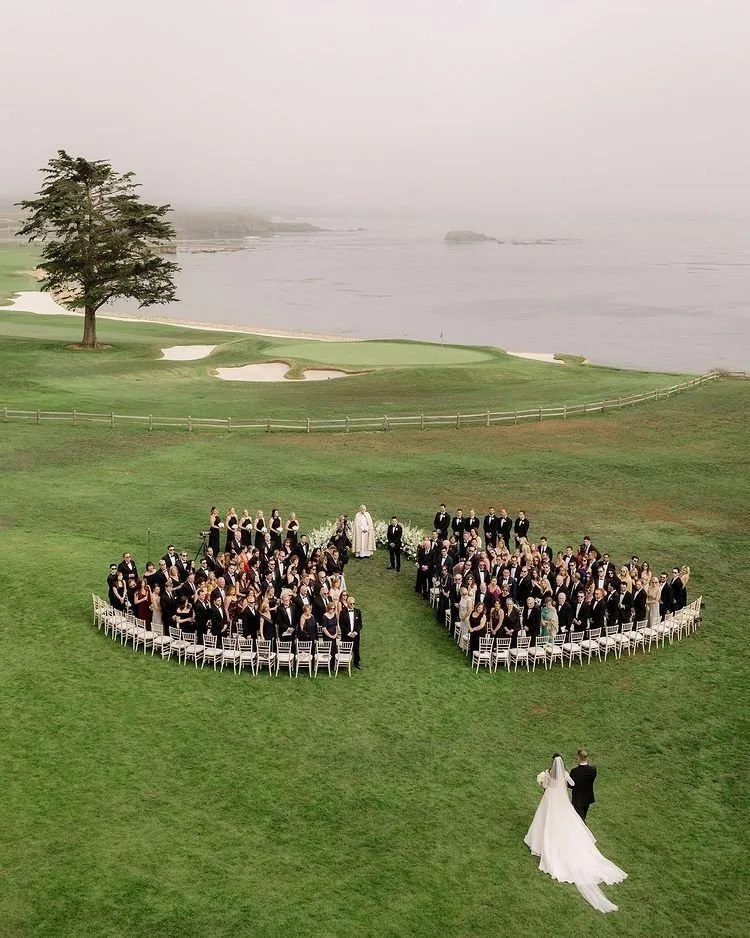
Image source: Bing (Web (fair-use with source credit))
The "Sweet Spot": Typical Durations for Drone Highlights
When it comes to wedding drone footage, couples often find themselves leaning towards a few common durations, each serving a slightly different purpose. These aren't rigid rules, but rather popular choices that have emerged from countless weddings and client feedback. Think of them as popular starting points for your discussion with your videographer.
2-3 Minutes: The Punchy Social Share
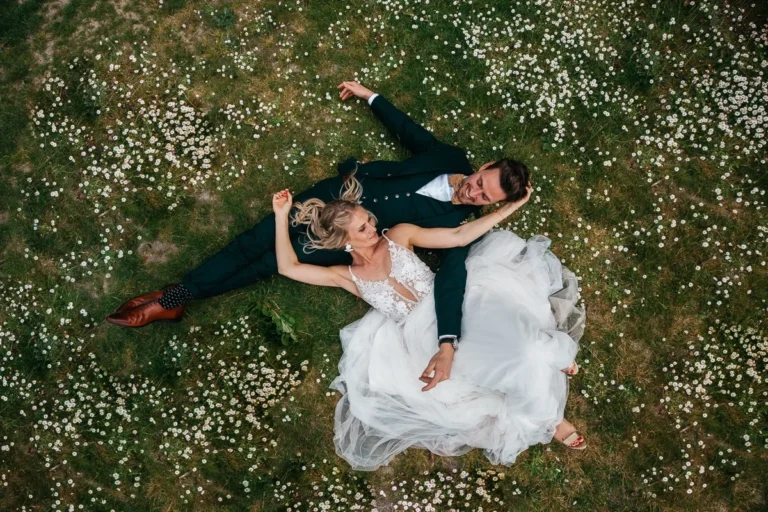
This is your go-to length if you're looking for a quick, impactful dose of aerial beauty. A 2-3 minute drone clip is perfect for sharing on social media platforms like Instagram or TikTok, offering a visually stunning snapshot of your wedding day. It focuses on the most breathtaking shots, like sweeping views of your venue or a dramatic fly-over during a key moment.
Image source: Bing (Web (fair-use with source credit))
This short format is all about grabbing attention and showcasing the grand scale or unique beauty of your wedding location without overwhelming viewers. It’s concise, memorable, and packs a visual punch. It’s also a great option if you want these aerial shots woven seamlessly into your main wedding film rather than presented as a standalone piece.
4-6 Minutes: The Popular Highlight Reel
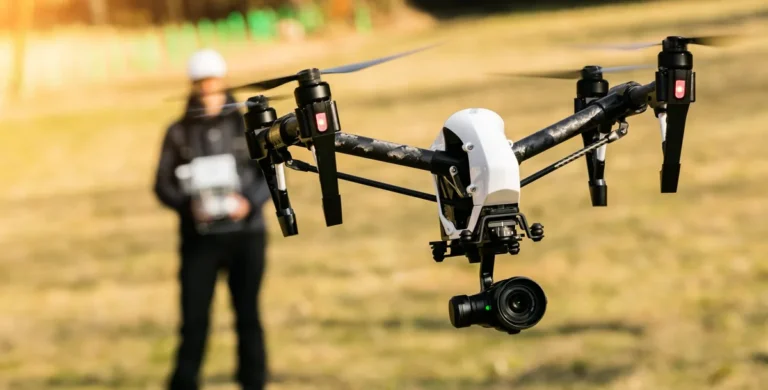
This duration hits a sweet spot for many couples, offering enough time to tell a compelling aerial story without becoming too long. A 4-6 minute drone segment allows for a more developed narrative, showcasing not just the venue but also key moments of the day from a bird's-eye view. You can include establishing shots of the ceremony, glimpses of guests mingling, and perhaps some dynamic footage from the reception.
Image source: Bing (Web (fair-use with source credit))
This length provides a substantial highlight reel that feels complete on its own, or it can be a significant, engaging part of your overall wedding film. It balances the need for epic scenery with showing the flow and atmosphere of your celebration. It's a robust option that generally satisfies most couples' desire for beautiful, comprehensive aerial coverage.
7-10 Minutes: The Comprehensive Aerial Story
For couples with truly spectacular venues or those who want to emphasize the grandeur and scope of their wedding day from every angle, a 7-10 minute drone footage package can be ideal. This extended runtime allows for a deeper dive into the aerial perspective, incorporating a wider variety of shots and potentially covering more ground. Think of it as a mini-documentary of your wedding from the sky.
This length is particularly beneficial if your wedding is spread across a large estate, nestled in stunning natural landscapes, or features multiple significant locations. It allows the videographer to build a richer visual narrative, including more candid aerial moments, extended sequences of specific events, and a broader portrayal of the entire wedding experience. It’s a choice for those who want maximum aerial storytelling.
Why Length Isn't Everything: Focus on Impact
While the clock time of your drone footage is a helpful guide, what truly matters is the impact of those aerial shots. It's easy to get caught up in minutes and seconds, but a shorter piece packed with meaningful, well-edited footage will always be more compelling than a longer one filled with filler. The goal is to create a lasting impression, not just fill a runtime.
Capturing Key Moments from Above
The most effective drone footage highlights specific, significant moments of your wedding day from a unique vantage point. This could be the grand reveal of the ceremony setup from high above, a sweeping shot as you walk down the aisle, or a dramatic fly-over during your grand entrance or exit. These moments, when captured beautifully from the air, add an undeniable layer of drama and emotion to your wedding film.
It's about using the drone to elevate what's already special, not just to film empty space.
Showcasing Stunning Venues and Landscapes
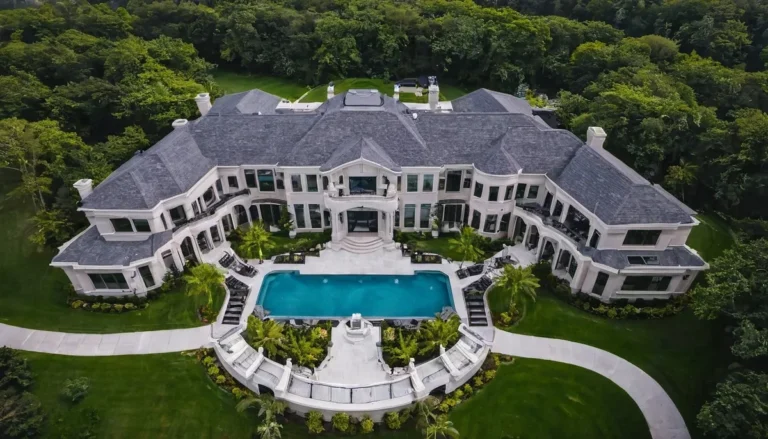
If you chose your venue for its breathtaking beauty, your drone footage is the perfect opportunity to show it off in all its glory. A well-executed aerial sequence can capture the expansive grounds, the architectural marvels, or the surrounding natural scenery in a way that ground-level cameras simply can't. Think of panoramic shots revealing the entire estate, or dynamic sweeps that showcase the connection between your venue and its picturesque environment.
This visual storytelling emphasizes the setting and adds an epic quality to your memories.
Common Mistakes That Make Footage Feel Wrong
Even with the best intentions, there are common pitfalls that can make your wedding drone footage feel less impactful or even frustrating to watch. Understanding these mistakes upfront can help you steer clear of them and ensure you get footage that truly enhances your wedding film. It’s about quality over quantity, and thoughtful editing.
Too Much Filler, Not Enough Story
One of the biggest missteps is simply having too many shots that don't contribute to a narrative or evoke emotion. This can happen when drone operators prioritize quantity over quality, or when the editing process doesn't effectively select the most compelling aerial moments. You don't need ten minutes of just the venue roof or endless loops of the same landscape if they don't serve a purpose.
This leads to footage that feels slow or boring. The aim should be to use drone shots to enhance your story, showing the scale of your celebration, the beauty of the location, or the grand movement of key events. Every shot should ideally add something unique to the viewing experience, rather than just taking up space.
Pacing Problems and Repetitive Shots
Poor pacing and repetition are sure ways to make drone footage feel jarring or uninspired. If shots linger too long on static views without a clear reason, or if the same type of sweeping shot is used too frequently, it can kill the momentum. This is especially true if the aerial footage isn't integrated well with the rest of your wedding film, creating an uneven viewing experience.
For example, showing the same aerial perspective of the ceremony seating chart multiple times doesn't add value. Likewise, having five minutes of just slow, circling shots of the main building can become monotonous. Effective drone footage uses varied angles, speeds, and compositions to keep the viewer engaged and tell a visual story, often mirroring the rhythm of the wedding day itself.
Expert Tips for Perfect Drone Footage Length
Getting the drone footage length just right is a collaborative effort between you and your videographer. It’s about finding that perfect balance that captures the magic without overstaying its welcome. Clear communication and understanding what’s possible are key to a successful outcome.
What to Discuss with Your Videographer
Start by having an open conversation with your wedding videographer about your vision for the drone footage. Explain what you hope to capture, perhaps the grandeur of your venue, specific moments like your grand entrance, or the overall atmosphere of the day. Also, discuss how you envision this footage being used: will it be a standalone highlight, or integrated into your main wedding film?
Your videographer can then guide you on realistic lengths based on their experience and the capabilities of their equipment. They can explain how different durations impact the editing process and the final feel of the video. For instance, some videographers might offer a standard 3-minute drone edit as part of a package, with options to extend it.
Researching your videographer's previous work can also give you a good idea of their style and typical output lengths.
Aligning Footage with Your Wedding Vibe
The ideal length and style of your drone footage should genuinely reflect the vibe of your wedding. A casual, outdoor celebration might benefit from shorter, more dynamic clips showcasing the natural beauty and relaxed atmosphere. On the other hand, a formal, grand ballroom affair might warrant longer, more cinematic sequences that emphasize the architectural elegance and scale of the event.
Consider the overall story you want your wedding film to tell. If your drone shots are meant to add a sense of epic scale or highlight specific unique features of your location, they need enough time to breathe and make their impact. However, if they are more for accentuating key moments within a broader narrative, shorter, punchy clips are often more effective.
The goal is for the aerial footage to feel like an integrated, beautiful part of your complete wedding story, not an add-on that disrupts the flow.
Common Mistakes That Make Footage Feel Wrong
Even with the best intentions, there are common pitfalls that can make your wedding drone footage feel less impactful or even frustrating to watch. Understanding these mistakes upfront can help you steer clear of them and ensure you get footage that truly enhances your wedding film. It’s about quality over quantity, and thoughtful editing.
Too Much Filler, Not Enough Story
One of the biggest missteps is simply having too many shots that don't contribute to a narrative or evoke emotion. This can happen when drone operators prioritize quantity over quality, or when the editing process doesn't effectively select the most compelling aerial moments. You don't need ten minutes of just the venue roof or endless loops of the same landscape if they don't serve a purpose.
This leads to footage that feels slow or boring. The aim should be to use drone shots to enhance your story, showing the scale of your celebration, the beauty of the location, or the grand movement of key events. Every shot should ideally add something unique to the viewing experience, rather than just taking up space.
Pacing Problems and Repetitive Shots
Poor pacing and repetition are sure ways to make drone footage feel jarring or uninspired. If shots linger too long on static views without a clear reason, or if the same type of sweeping shot is used too frequently, it can kill the momentum. This is especially true if the aerial footage isn't integrated well with the rest of your wedding film, creating an uneven viewing experience.
For example, showing the same aerial perspective of the ceremony seating chart multiple times doesn't add value. Likewise, having five minutes of just slow, circling shots of the main building can become monotonous. Effective drone footage uses varied angles, speeds, and compositions to keep the viewer engaged and tell a visual story, often mirroring the rhythm of the wedding day itself.
Expert Tips for Perfect Drone Footage Length
Getting the drone footage length just right is a collaborative effort between you and your videographer. It’s about finding that perfect balance that captures the magic without overstaying its welcome. Clear communication and understanding what’s possible are key to a successful outcome.
What to Discuss with Your Videographer
Start by having an open conversation with your wedding videographer about your vision for the drone footage. Explain what you hope to capture, perhaps the grandeur of your venue, specific moments like your grand entrance, or the overall atmosphere of the day. Also, discuss how you envision this footage being used: will it be a standalone highlight, or integrated into your main wedding film?
Your videographer can then guide you on realistic lengths based on their experience and the capabilities of their equipment. They can explain how different durations impact the editing process and the final feel of the video. For instance, some videographers might offer a standard 3-minute drone edit as part of a package, with options to extend it.
Researching your videographer's previous work can also give you a good idea of their style and typical output lengths.
Aligning Footage with Your Wedding Vibe
The ideal length and style of your drone footage should genuinely reflect the vibe of your wedding. A casual, outdoor celebration might benefit from shorter, more dynamic clips showcasing the natural beauty and relaxed atmosphere. On the other hand, a formal, grand ballroom affair might warrant longer, more cinematic sequences that emphasize the architectural elegance and scale of the event.
Consider the overall story you want your wedding film to tell. If your drone shots are meant to add a sense of epic scale or highlight specific unique features of your location, they need enough time to breathe and make their impact. However, if they are more for accentuating key moments within a broader narrative, shorter, punchy clips are often more effective.
The goal is for the aerial footage to feel like an integrated, beautiful part of your complete wedding story, not an add-on that disrupts the flow.
Common Mistakes That Make Footage Feel Wrong
Even with the best intentions, there are common pitfalls that can make your wedding drone footage feel less impactful or even frustrating to watch. Understanding these mistakes upfront can help you steer clear of them and ensure you get footage that truly enhances your wedding film. It’s about quality over quantity, and thoughtful editing.
Too Much Filler, Not Enough Story
One of the biggest missteps is simply having too many shots that don't contribute to a narrative or evoke emotion. This can happen when drone operators prioritize quantity over quality, or when the editing process doesn't effectively select the most compelling aerial moments. You don't need ten minutes of just the venue roof or endless loops of the same landscape if they don't serve a purpose.
This leads to footage that feels slow or boring. The aim should be to use drone shots to enhance your story, showing the scale of your celebration, the beauty of the location, or the grand movement of key events. Every shot should ideally add something unique to the viewing experience, rather than just taking up space.
Pacing Problems and Repetitive Shots
Poor pacing and repetition are sure ways to make drone footage feel jarring or uninspired. If shots linger too long on static views without a clear reason, or if the same type of sweeping shot is used too frequently, it can kill the momentum. This is especially true if the aerial footage isn't integrated well with the rest of your wedding film, creating an uneven viewing experience.
For example, showing the same aerial perspective of the ceremony seating chart multiple times doesn't add value. Likewise, having five minutes of just slow, circling shots of the main building can become monotonous. Effective drone footage uses varied angles, speeds, and compositions to keep the viewer engaged and tell a visual story, often mirroring the rhythm of the wedding day itself.
Expert Tips for Perfect Drone Footage Length
Getting the drone footage length just right is a collaborative effort between you and your videographer. It’s about finding that perfect balance that captures the magic without overstaying its welcome. Clear communication and understanding what’s possible are key to a successful outcome.
What to Discuss with Your Videographer
Start by having an open conversation with your wedding videographer about your vision for the drone footage. Explain what you hope to capture, perhaps the grandeur of your venue, specific moments like your grand entrance, or the overall atmosphere of the day. Also, discuss how you envision this footage being used: will it be a standalone highlight, or integrated into your main wedding film?
Your videographer can then guide you on realistic lengths based on their experience and the capabilities of their equipment. They can explain how different durations impact the editing process and the final feel of the video. For instance, some videographers might offer a standard 3-minute drone edit as part of a package, with options to extend it.
Researching your videographer's previous work can also give you a good idea of their style and typical output lengths.
Aligning Footage with Your Wedding Vibe
The ideal length and style of your drone footage should genuinely reflect the vibe of your wedding. A casual, outdoor celebration might benefit from shorter, more dynamic clips showcasing the natural beauty and relaxed atmosphere. On the other hand, a formal, grand ballroom affair might warrant longer, more cinematic sequences that emphasize the architectural elegance and scale of the event.
Consider the overall story you want your wedding film to tell. If your drone shots are meant to add a sense of epic scale or highlight specific unique features of your location, they need enough time to breathe and make their impact. However, if they are more for accentuating key moments within a broader narrative, shorter, punchy clips are often more effective.
The goal is for the aerial footage to feel like an integrated, beautiful part of your complete wedding story, not an add-on that disrupts the flow.
Common Mistakes That Make Footage Feel Wrong
Even with the best intentions, there are common pitfalls that can make your wedding drone footage feel less impactful or even frustrating to watch. Understanding these mistakes upfront can help you steer clear of them and ensure you get footage that truly enhances your wedding film. It’s about quality over quantity, and thoughtful editing.
Too Much Filler, Not Enough Story
One of the biggest missteps is simply having too many shots that don't contribute to a narrative or evoke emotion. This can happen when drone operators prioritize quantity over quality, or when the editing process doesn't effectively select the most compelling aerial moments. You don't need ten minutes of just the venue roof or endless loops of the same landscape if they don't serve a purpose.
This leads to footage that feels slow or boring. The aim should be to use drone shots to enhance your story, showing the scale of your celebration, the beauty of the location, or the grand movement of key events. Every shot should ideally add something unique to the viewing experience, rather than just taking up space.
Pacing Problems and Repetitive Shots
Poor pacing and repetition are sure ways to make drone footage feel jarring or uninspired. If shots linger too long on static views without a clear reason, or if the same type of sweeping shot is used too frequently, it can kill the momentum. This is especially true if the aerial footage isn't integrated well with the rest of your wedding film, creating an uneven viewing experience.
For example, showing the same aerial perspective of the ceremony seating chart multiple times doesn't add value. Likewise, having five minutes of just slow, circling shots of the main building can become monotonous. Effective drone footage uses varied angles, speeds, and compositions to keep the viewer engaged and tell a visual story, often mirroring the rhythm of the wedding day itself.
Expert Tips for Perfect Drone Footage Length
Getting the drone footage length just right is a collaborative effort between you and your videographer. It’s about finding that perfect balance that captures the magic without overstaying its welcome. Clear communication and understanding what’s possible are key to a successful outcome.
What to Discuss with Your Videographer
Start by having an open conversation with your wedding videographer about your vision for the drone footage. Explain what you hope to capture, perhaps the grandeur of your venue, specific moments like your grand entrance, or the overall atmosphere of the day. Also, discuss how you envision this footage being used: will it be a standalone highlight, or integrated into your main wedding film?
Your videographer can then guide you on realistic lengths based on their experience and the capabilities of their equipment. They can explain how different durations impact the editing process and the final feel of the video. For instance, some videographers might offer a standard 3-minute drone edit as part of a package, with options to extend it.
Researching your videographer's previous work can also give you a good idea of their style and typical output lengths.
Aligning Footage with Your Wedding Vibe
The ideal length and style of your drone footage should genuinely reflect the vibe of your wedding. A casual, outdoor celebration might benefit from shorter, more dynamic clips showcasing the natural beauty and relaxed atmosphere. On the other hand, a formal, grand ballroom affair might warrant longer, more cinematic sequences that emphasize the architectural elegance and scale of the event.
Consider the overall story you want your wedding film to tell. If your drone shots are meant to add a sense of epic scale or highlight specific unique features of your location, they need enough time to breathe and make their impact. However, if they are more for accentuating key moments within a broader narrative, shorter, punchy clips are often more effective.
The goal is for the aerial footage to feel like an integrated, beautiful part of your complete wedding story, not an add-on that disrupts the flow.
Common Mistakes That Make Footage Feel Wrong
Even with the best intentions, there are common pitfalls that can make your wedding drone footage feel less impactful or even frustrating to watch. Understanding these mistakes upfront can help you steer clear of them and ensure you get footage that truly enhances your wedding film. It’s about quality over quantity, and thoughtful editing.
Too Much Filler, Not Enough Story
One of the biggest missteps is simply having too many shots that don't contribute to a narrative or evoke emotion. This can happen when drone operators prioritize quantity over quality, or when the editing process doesn't effectively select the most compelling aerial moments. You don't need ten minutes of just the venue roof or endless loops of the same landscape if they don't serve a purpose.
This leads to footage that feels slow or boring. The aim should be to use drone shots to enhance your story, showing the scale of your celebration, the beauty of the location, or the grand movement of key events. Every shot should ideally add something unique to the viewing experience, rather than just taking up space.
Pacing Problems and Repetitive Shots
Poor pacing and repetition are sure ways to make drone footage feel jarring or uninspired. If shots linger too long on static views without a clear reason, or if the same type of sweeping shot is used too frequently, it can kill the momentum. This is especially true if the aerial footage isn't integrated well with the rest of your wedding film, creating an uneven viewing experience.
For example, showing the same aerial perspective of the ceremony seating chart multiple times doesn't add value. Likewise, having five minutes of just slow, circling shots of the main building can become monotonous. Effective drone footage uses varied angles, speeds, and compositions to keep the viewer engaged and tell a visual story, often mirroring the rhythm of the wedding day itself.