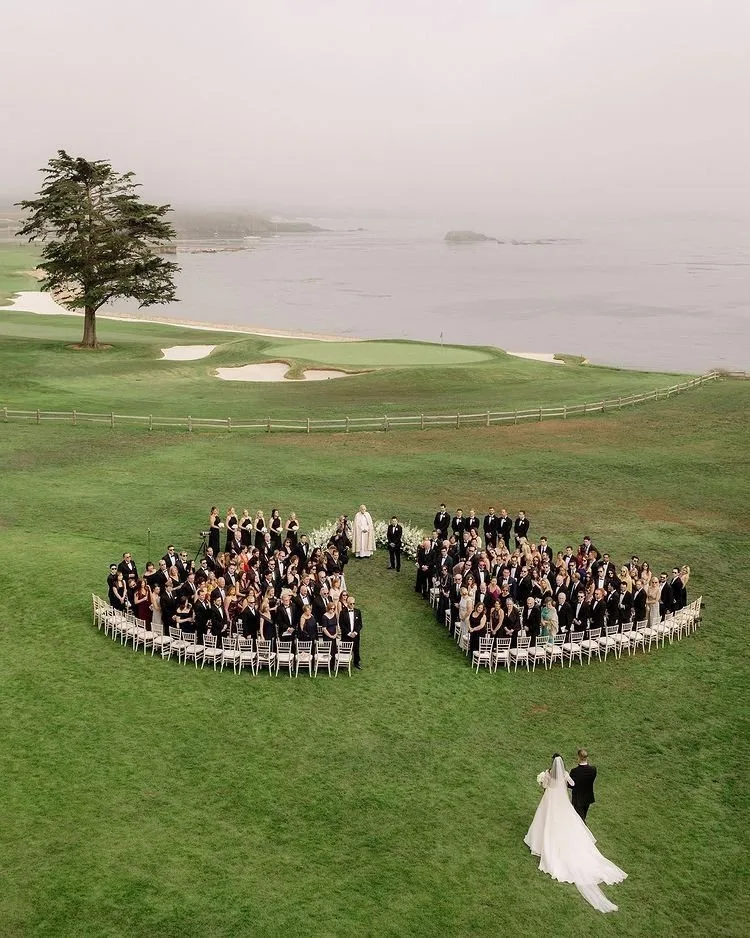
Can Drones Film Festivals?
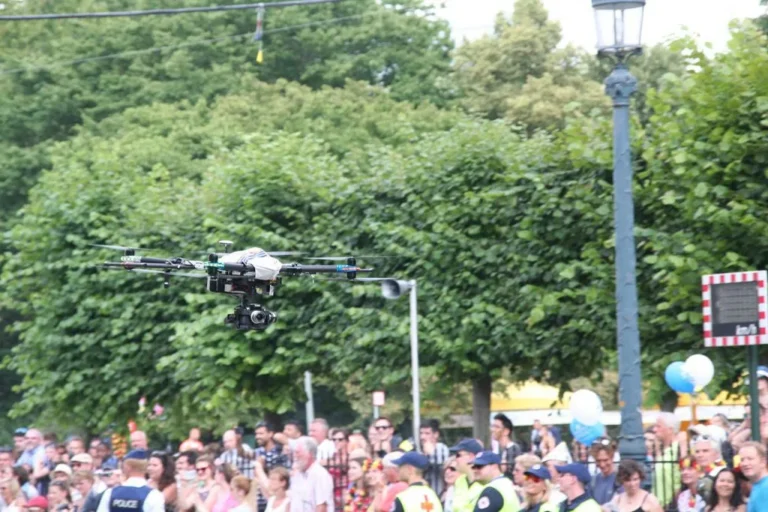
So, you’re wondering if drones can film festivals? Absolutely! It’s not just a possibility anymore; it’s becoming a standard way to capture the sheer scale and vibrant energy of live events.
From sweeping panoramic views of the crowds to dynamic shots following performers, drones offer a unique perspective that traditional cameras struggle to match.
The use of unmanned aerial vehicles (UAVs) for event videography, particularly at festivals, has exploded. Manufacturer specifications confirm that many professional-grade drones can now achieve stable 4K video capture, even in challenging outdoor conditions. This allows for truly breathtaking footage that can elevate a festival's promotional content and archival record.
Quick Answer
Yes, drones are highly effective for filming festivals. They provide unique aerial perspectives and dynamic shots impossible with ground cameras. Planning, skilled pilots, and adherence to safety regulations are critical for successful festival drone operations.
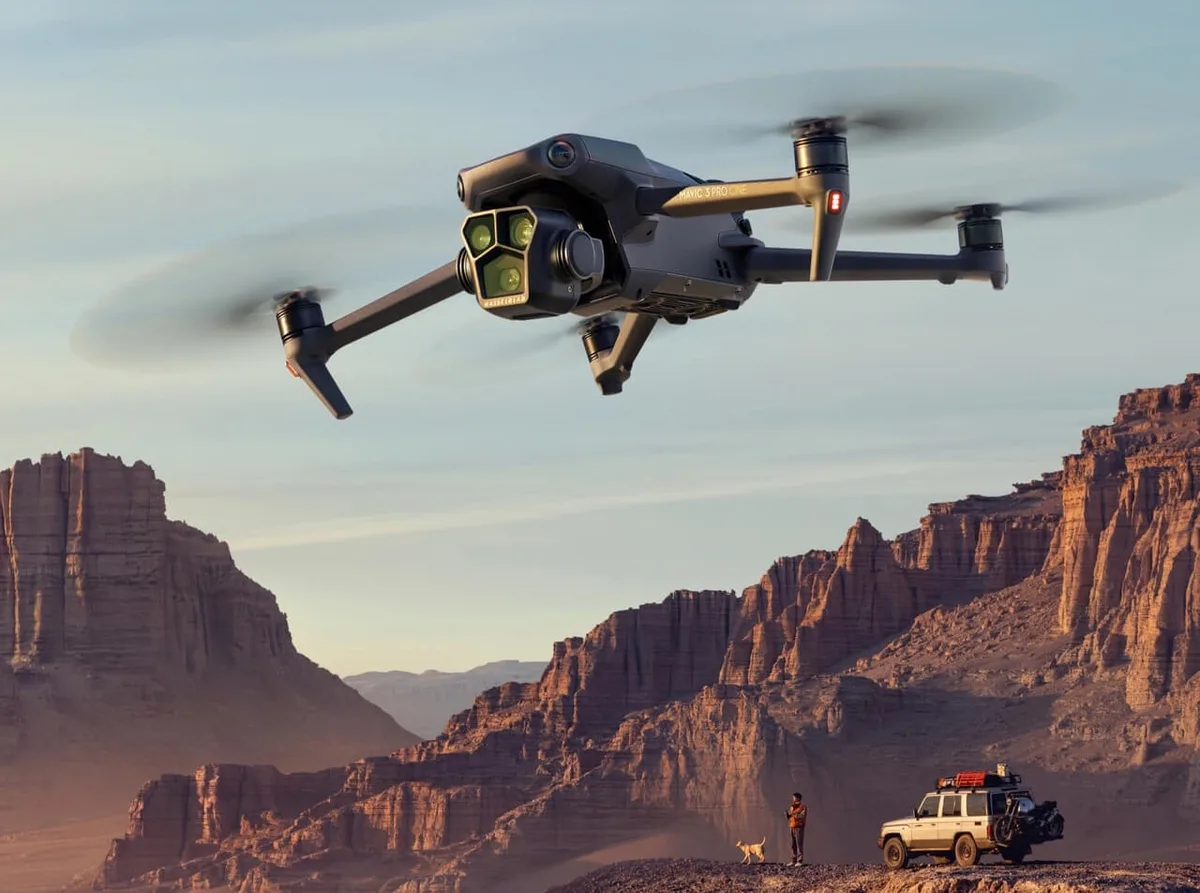
Image source: Bing (Web (fair-use with source credit))
Real Scenarios: How Drones Capture Festival Magic
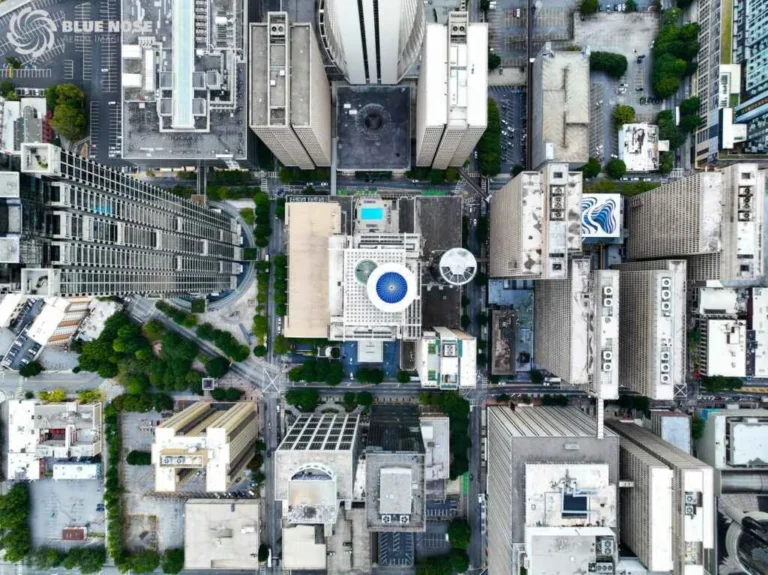
When you picture a festival, you probably imagine a sea of people, multiple stages, and a general atmosphere of excitement. Drones are perfectly suited to capture all of this and more. They can get high up and show you the entire layout, the tents, the paths people are taking, where the energy is concentrated.
Then, they can swoop down to get a closer look at a performance or an art installation. This ability to shift perspectives seamlessly is what makes drone footage so compelling for festivals.
Think about the promotional material for a festival. You want to give people a taste of what it’s like to be there, right? Drone footage can showcase the vastness of the event, the joy of the attendees, and the impressive scale of the stages and production.
It’s not just about seeing an event; it’s about feeling its energy from a unique vantage point. As of 2026, many major festivals integrate drone footage into their marketing campaigns and post-event recaps.
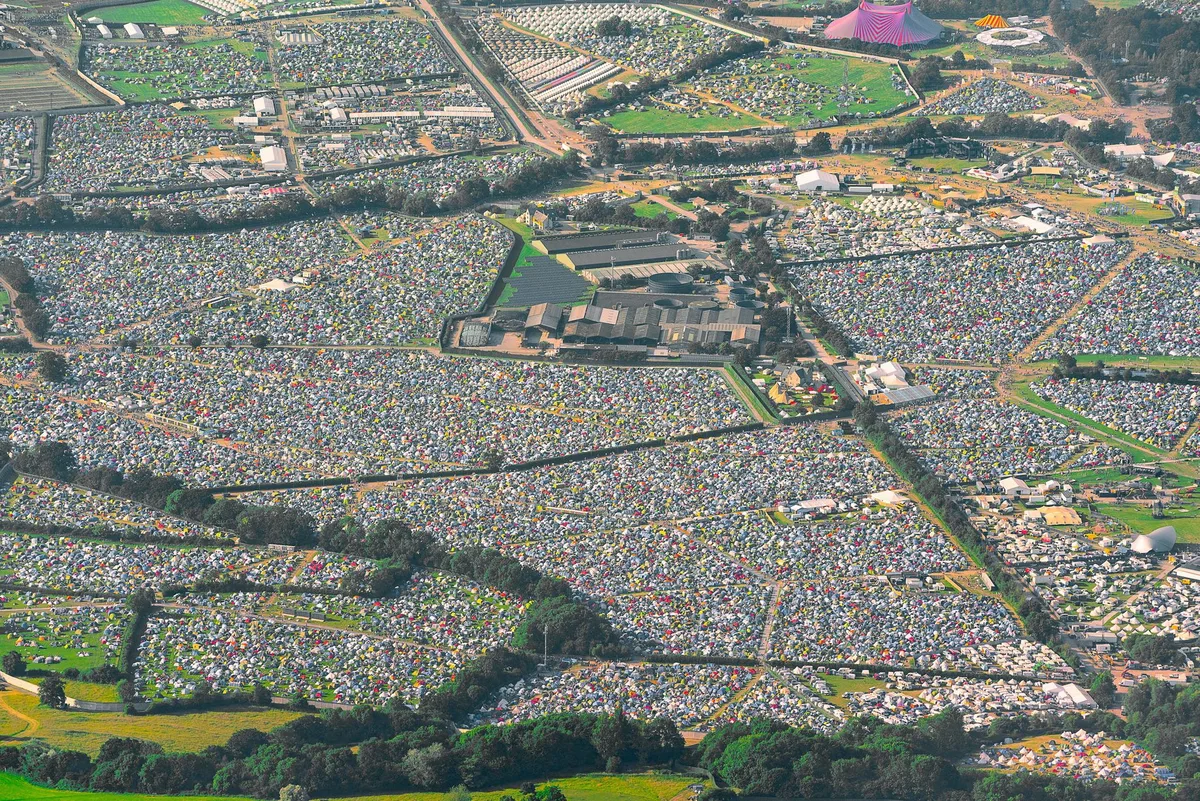
Image source: Bing (Web (fair-use with source credit))
Benefits & Drawbacks: What Works and What Doesn't
Using drones for festival filming comes with a clear set of advantages, but it’s not without its challenges. Understanding both sides helps you appreciate why they’re used and what potential issues might arise.
Benefits:
- Epic Aerial Views: Drones provide sweeping panoramic shots that showcase the entire festival grounds, capturing the scale and atmosphere in a way ground cameras can't.
- Dynamic Movement: They offer incredible maneuverability, allowing for smooth tracking shots, fly-throughs, and complex aerial choreography that adds visual flair.
- Unique Perspectives: Drones capture shots from angles previously only accessible by helicopters or expensive cranes, adding a fresh, exciting look to the footage.
- Cost-Effective: For the visual impact they deliver, drones are often significantly more affordable than traditional aerial filming methods like helicopter shoots.
Drawbacks:
- Weather Dependency: Drones are sensitive to wind and precipitation. High winds can make flight unstable, and rain can damage equipment.
- Airspace Restrictions & Permissions: Navigating the legalities and obtaining necessary permits can be complex and time-consuming.
- Crowd Management: Flying drones over large crowds requires careful planning to ensure the safety and comfort of attendees.
- Battery Limitations: Flight times are typically limited by battery life, requiring efficient management and swap-out procedures.
Mistakes to Avoid: Common Pitfalls in Festival Drone Ops
When planning drone operations for a festival, certain common mistakes can derail even the best intentions. Being aware of these pitfalls can save you a lot of trouble and ensure your footage is safe and effective.
- Skipping Thorough Planning: Failing to map out flight paths, potential no-fly zones, and communication protocols with event organizers is a recipe for disaster. This includes not identifying safe landing and takeoff spots.
- Underestimating Weather Impact: Assuming ideal weather conditions can lead to unexpected shutdowns. Always have contingency plans for wind gusts or sudden showers.
- Ignoring Legalities: Flying without the proper permits or authorizations from aviation authorities like the FAA is illegal and can result in severe penalties.
- Poor Communication: Not establishing clear lines of communication with festival staff, security, and other production teams can lead to confusion and safety risks.
- Relying on Inexperienced Pilots: Festival environments are chaotic. Using pilots without experience in complex, crowded airspace increases the risk of accidents.
Safety, Legal, and Compliance: Navigating the Rules
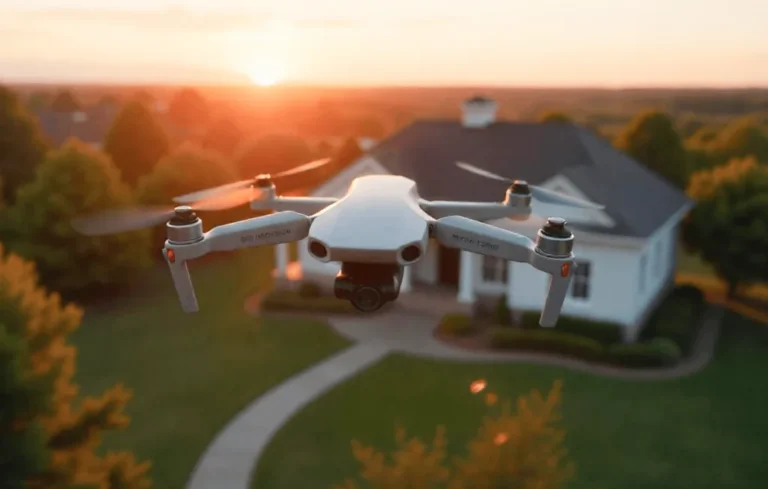
Operating drones at festivals isn't just about getting cool shots; it's about doing it safely and legally. This area requires careful attention because the stakes are high. You're dealing with potentially large crowds, complex airspace, and strict regulations.
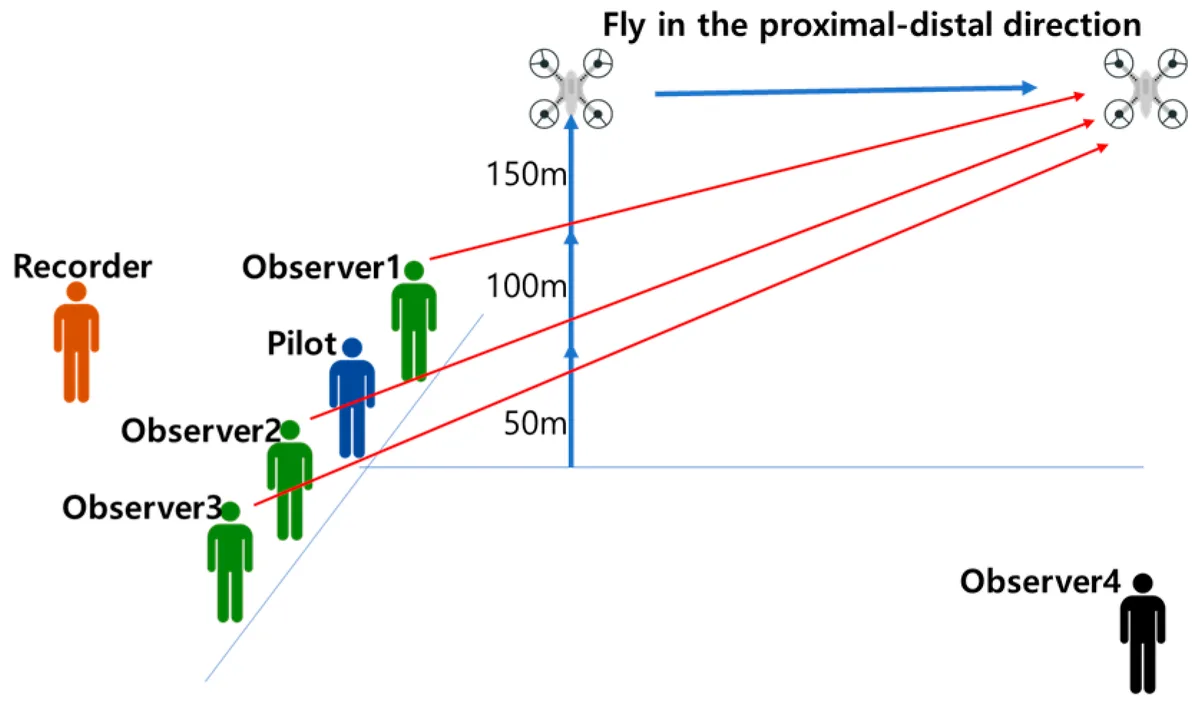
Image source: Bing (Web (fair-use with source credit))
Obtaining Necessary Permits and Authorizations
Before any drone can take flight at a festival, you'll need the right paperwork. This typically involves getting approval from the Federal Aviation Administration (FAA) in the United States, or your country's equivalent aviation authority. Depending on the event's location and scale, you might also need specific permissions from local authorities or the festival organizers themselves.
These permits often detail where and when drones can fly, their altitude limits, and any required observer protocols.
Understanding Airspace Restrictions
Festivals can sometimes be near airports or other sensitive airspace, which means temporary flight restrictions (TFRs) might be in place. Drones operate under strict visual line-of-sight (VLOS) rules, meaning the pilot must always be able to see the drone. This becomes challenging in large, bustling festival grounds.
Manufacturer specifications for many commercial drones indicate a maximum operational range, but VLOS is the governing factor.
Implementing Safety Protocols
A robust safety protocol is non-negotiable. This includes:
- Pre-flight checks: Ensuring the drone is in perfect working order.
- Designated flight zones: Clearly marking areas where drones can operate and where they cannot.
- Visual observers: Having trained personnel to assist the pilot by monitoring the drone and its surroundings.
- Emergency procedures: Knowing what to do in case of equipment malfunction or unexpected events.
- Communication plan: Establishing how the drone team communicates with festival security and operations staff.
Adhering to these guidelines, as often recommended by organizations like the Association for Unmanned Vehicle Systems International (AUVSI), ensures that drone filming enhances, rather than detracts from, the festival experience.
Expert Tips for Successful Festival Drone Shoots
Drawing on industry experience and aggregated pilot feedback, several key strategies consistently lead to successful drone filming at festivals. These aren't just theoretical ideas; they’re practical approaches that experienced operators swear by.
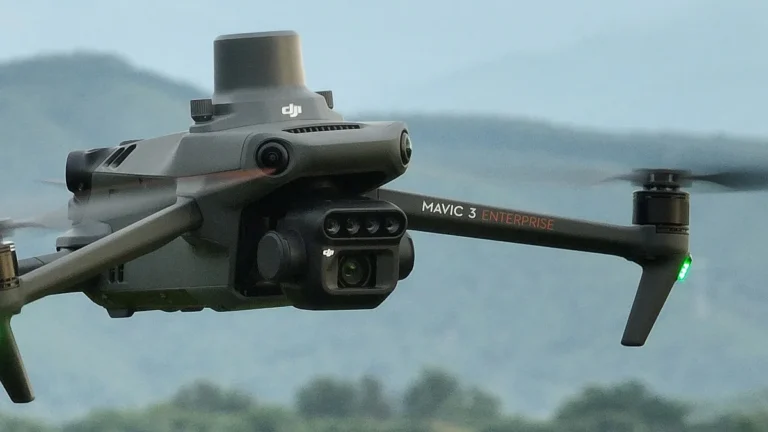
- Start with the Right Drone: For professional festival filming, you need a drone with advanced flight stabilization, high-quality camera capabilities (think 4K resolution at 60fps or higher), and a reliable radio control system. Models often feature redundant GPS systems for stable hovering.
- Hire Certified and Experienced Pilots: Don't settle for just anyone who can fly a drone. Look for pilots with specific experience in event filming, aerial cinematography, and a strong understanding of aviation regulations. Many pilots hold certifications from recognized bodies.
- Develop a Detailed Flight Plan: Before arriving, map out your intended flight paths, altitudes, and timings. Consider potential obstacles like tall structures, trees, lighting rigs, and, crucially, the flow of attendees. Communicate this plan extensively with the festival's production and security teams.
- Manage Battery Life Proactively: Festival days are long, and drone batteries have limited flight times, typically ranging from 20 to 30 minutes for many professional models. Have a system for quick battery swaps and charging stations ready to go. Multiple drone batteries are essential.
- Prioritize Safety Over Everything: This cannot be stressed enough. If there’s any doubt about safety, abort the flight. Ensure your drone is always in visual line of sight, and maintain a safe distance from crowds and performers. Your permit and operational license depend on this.