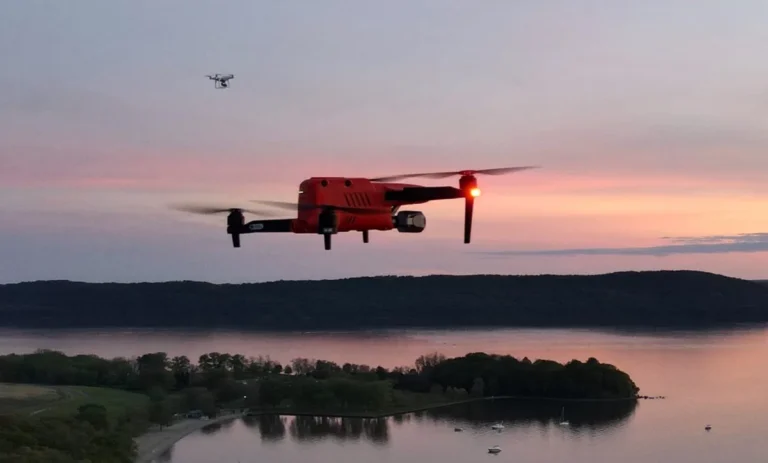
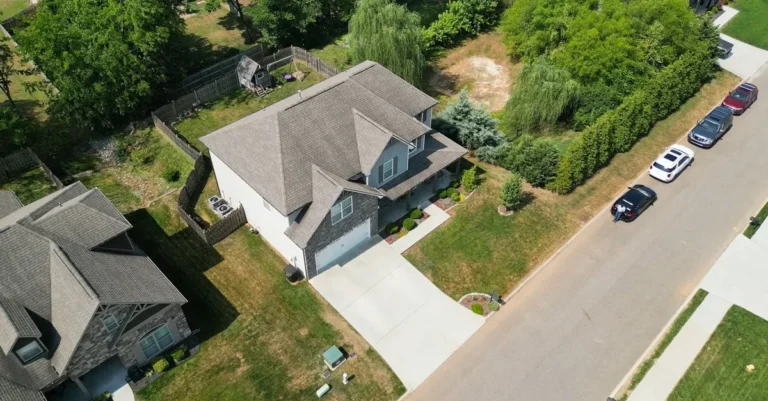
Can You Sell Drone Footage Online?
You've captured stunning aerial footage with your drone, and now you're wondering: Can you sell drone footage online? The short answer is a definite yes, but success hinges on more than just having a camera in the sky. It requires understanding the market, meeting quality standards, and navigating the legalities.
Selling drone footage online can be a fantastic way to monetize your skills and creative vision. Imagine your sweeping landscape shots or dynamic urban panoramas being used in commercials, films, or travel documentaries. To make this a reality, your footage needs to meet specific criteria, often including professional-grade resolution like 4K, which requires cameras capable of capturing at least 3840 x 2160 pixels.
Quick Answer
Yes, you can sell drone footage online through stock footage platforms. Success depends on high-quality video, proper licensing, and understanding market demand. Your drone footage must be professionally edited, meet resolution standards (often 4K), and comply with legal regulations.
The Core Idea: Selling Your Aerial Shots
Selling drone footage online boils down to licensing your aerial videography or photography to others who need it for their projects. Think of it like selling stock photos, but for moving images captured from above. This means you’re not just selling a video file; you're selling the right for someone else to use it under specific terms.
These terms dictate how, where, and for how long they can use your footage, and in return, you receive payment. It’s a way to turn your passion for flying and filming into a potential income stream, but it’s crucial to approach it as a business.
Is Your Drone Footage Ready for Market? (Quality Check)
Before you even think about uploading your clips, you need to ensure they meet the industry's quality expectations. Think of this as your first hurdle. Stock footage buyers are professionals, and they expect footage that won't require extensive fixing or won't detract from their final product.
Poor quality can lead to immediate rejection from platforms, wasted time, and frustration. Our research indicates that buyers are particularly discerning about technical quality and visual appeal.
Resolution and Frame Rate Essentials
First and foremost, resolution matters. Most platforms now require footage to be at least 1080p (Full HD), but 4K (Ultra HD) is rapidly becoming the standard. Manufacturer specifications for drones often list their maximum video resolutions, with many prosumer and professional models easily hitting 4K at 30fps or higher.
Shooting in 4K (3840 x 2160 pixels) gives you more flexibility in post-production, allowing you to crop or reframe shots without a significant loss in quality.
Frame rate is also key. While 24 frames per second (fps) is standard for cinematic looks, higher frame rates like 30fps, 60fps, or even 120fps are valuable for slow-motion effects. Most stock sites accept common frame rates, but it’s wise to be consistent within a single clip and project.
Stabilization and Clarity Standards
Jittery, shaky footage is a major turn-off for buyers. Effective stabilization, whether through your drone's built-in gimbal, in-camera electronic stabilization, or post-production software, is non-negotiable. The footage needs to look smooth and professional, as if it were shot on a much more expensive, ground-based camera rig.
Clear focus is also essential; blurry shots are rarely usable.
File Format and Color Grading
While many formats are accepted, MP4 (H.264 codec) is the most common and widely compatible. Some platforms might also accept MOV files. Beyond the technical format, consider color grading.
Raw footage often looks flat. Applying basic color correction and grading can significantly enhance your footage's appeal, making colors pop and improving contrast, ensuring it looks polished and ready for integration into diverse projects.
Where to Sell Your Drone Footage
Once your footage is polished and ready, you’ll need to choose where to sell it. The online marketplace for stock footage is diverse, with various platforms catering to different needs and offering different revenue models. It's wise to research a few and understand their commission structures, submission guidelines, and the types of footage they tend to favor.
Popular Stock Footage Platforms
Several established marketplaces accept drone footage. These platforms act as intermediaries, connecting you with potential buyers worldwide.
- Shutterstock: One of the largest and most well-known stock agencies, offering a broad reach but generally lower per-clip royalties.
- Adobe Stock: Integrates well with Adobe’s creative suite, making it convenient for many designers and video editors.
- Getty Images / iStock: Known for higher-quality and often more expensive footage, with potentially higher earnings per sale but stricter submission standards.
- Pond5: A popular platform for video creators, known for its wide selection and good community support.
- Storyblocks: Offers a subscription-based model, meaning you earn royalties based on how often your clips are downloaded by subscribers.
Image source: Bing (Web (fair-use with source credit))
Each platform has its own submission process and acceptance criteria, so it's beneficial to review their contributor guidelines carefully before uploading.
Understanding Exclusive vs. Non-Exclusive Deals
When you upload footage to a stock platform, you'll typically choose between exclusive and non-exclusive licensing.
- Non-Exclusive: You can sell the same footage on multiple platforms. This can lead to more sales over time but usually means lower royalty rates per sale.
- Exclusive: You agree to sell the footage only through that specific platform. In return, the platform often offers higher royalty rates or better placement.
If you're just starting, many contributors opt for non-exclusive deals to maximize exposure across different markets. As your portfolio grows, you might experiment with exclusive agreements on platforms where you see the most success.
The Workflow: From Flight to Sale
Getting your drone footage from the sky to a buyer’s project involves a structured workflow. This isn't just about pressing record and hitting upload; it's a process that requires planning, attention to detail, and an understanding of what buyers are looking for. Each step contributes to the final quality and marketability of your aerial clips.
Filming and Capturing the Right Shots
The foundation of selling drone footage is capturing compelling, high-quality content. This means planning your shoots with specific goals in mind. Think about common needs: sweeping aerial views of cities, majestic landscapes, unique perspectives on real estate, dynamic action shots, or even simple, clean backgrounds.
Always fly safely and legally, respecting airspace regulations and privacy.
Editing and Post-Production Steps
Raw footage rarely makes it to stock marketplaces. You’ll need to edit your clips. This involves trimming unnecessary footage, stabilizing shaky shots, correcting colors, and exporting in a suitable format like MP4.
Aim for clips that are typically between 5 to 20 seconds long, though longer shots can sometimes be valuable.
Image source: Bing (Web (fair-use with source credit))
Tagging and Keywording for Discoverability
This is arguably one of the most critical steps for making sales. When a buyer searches a stock platform, they use keywords to find what they need. You need to think like that buyer.
What terms would they use to find your footage? This involves using descriptive keywords ("aerial view of [city name] skyline at sunset"), conceptual keywords ("peaceful," "energetic"), and technical keywords ("4K resolution," "cinematic").
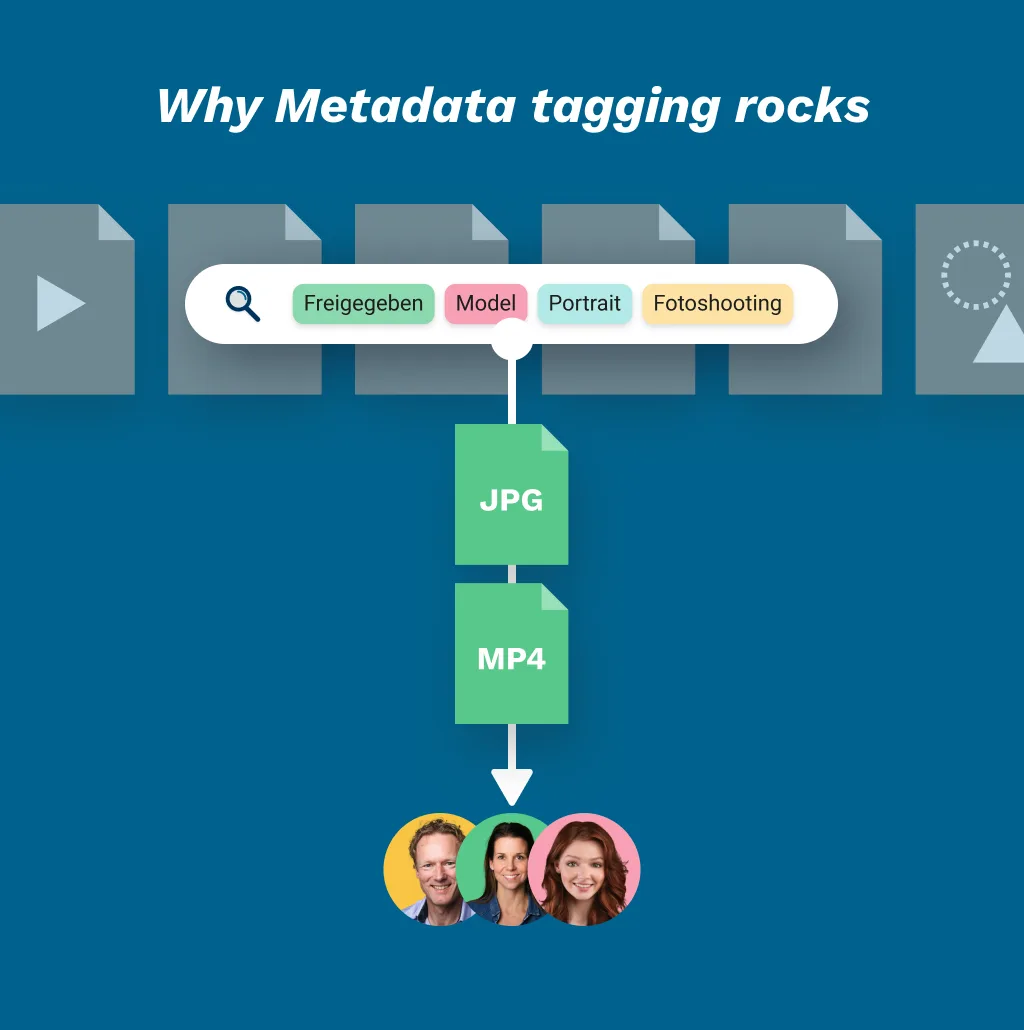
Image source: Bing (Web (fair-use with source credit))
The more accurate and comprehensive your keywords, the higher the chance your footage will be discovered.
Pricing Your Aerial Videos
Stock footage pricing is usually set by the platform, often based on factors like resolution, licensing type, and the platform's royalty structure. You typically earn a percentage of the sale price, which can vary widely. Some platforms offer subscription models where you earn a smaller amount each time a subscriber downloads your clip.
Higher volume with lower per-clip earnings can sometimes be more lucrative than a few high-priced sales.
Navigating the Legal Side of Drone Footage Sales
Selling drone footage isn't just about the technical aspects; it's also heavily regulated. Ignoring legal requirements can lead to significant problems, including fines, content removal, or even legal action. Our research indicates that compliance is non-negotiable for anyone serious about making money from their aerial work.
Understanding FAA Rules for Commercial Use
In the United States, drone operations are governed by the Federal Aviation Administration (FAA). For commercial purposes, including selling footage, you must operate under specific rules. This typically means you need to have passed the FAA's Part 107 remote pilot certification exam.
This certification ensures you understand the regulations for flying drones safely and legally for business activities.
Key FAA regulations include drone registration for craft over 0.55 pounds, adhering to airspace restrictions, maintaining visual line of sight, and generally flying during daylight hours unless waivers are obtained. Always check the latest FAA guidelines on their official website, as regulations can change. Understanding these rules is the first step to operating legally and protecting yourself when selling footage.
Copyright, Model Releases, and Property Releases
Beyond aviation law, you need to consider intellectual property and privacy rights. Your footage is automatically copyrighted upon creation. Selling stock footage means granting licenses, not transferring copyright ownership.
If your footage clearly shows identifiable people, you will likely need a signed model release from each person. This document permits their likeness to be used commercially. For recognizable private property, you may need a property release from the owner.
Stock platforms often provide templates for these releases, and having them signed before uploading is crucial to avoid rejection or legal issues.
Common Pitfalls When Selling Drone Footage
Even with great footage and legal compliance, many aspiring sellers stumble. Understanding these common mistakes can save you a lot of wasted effort. Platforms often reject clips for reasons that could have been easily avoided with a little foresight.
Rejection Reasons and How to Avoid Them
Stock footage platforms have stringent quality control. Frequent rejection reasons include technical defects like sensor dust or compression artifacts, poor stabilization, focus issues, and inclusion of unwanted elements like logos or watermarks. Incomplete model or property releases are also common causes for rejection, as is footage that lacks clear commercial appeal.
Reviewing each platform's submission guidelines carefully, paying attention to their technical requirements and content restrictions, is essential.
Market Saturation and Standing Out
The market for stock footage, including drone shots, is competitive. Many videographers upload similar generic aerial views. To stand out, focus on unique perspectives, niche subjects, or high-demand themes.
Think about trending footage or what specific industries might need, such as renewable energy infrastructure or unique agricultural shots. High-quality, well-keyworded footage of less common subjects often finds buyers more readily.
Real-World Scenarios: Who Buys Drone Footage?
Understanding who needs drone footage helps you tailor your content. Buyers span many industries, all seeking that specific aerial perspective to enhance their projects. These buyers are often professionals with tight deadlines and specific creative needs.
Filmmakers use it for establishing shots, advertising agencies for dynamic commercials, and real estate agents to showcase properties. Travel and tourism boards use it to promote destinations, while news organizations require it for immediate aerial coverage. Essentially, any project needing a bird's-eye view or a dynamic, sweeping perspective is a potential customer.
Frequently Asked Questions About Selling Drone Footage
How much can I realistically earn selling drone footage?
Earnings vary widely. Some contributors make a few dollars a month, while others build substantial passive income. Success depends on footage volume and quality, effective keywording, platform choice, and market demand.
As of 2026, top contributors often have thousands of clips online and can earn hundreds to thousands of dollars monthly.
What's the best type of drone footage to sell?
Focus on technically excellent footage serving a clear purpose. Generic shots of popular landmarks are often oversaturated. Instead, consider unique perspectives, niche industries (like construction progress, agriculture), diverse weather, or specific activities.
High-quality slow-motion clips are also in demand.
Do I need special software to edit drone footage?
Yes, professional editing software is essential. Programs like Adobe Premiere Pro, Final Cut Pro, or DaVinci Resolve are industry standards for editing and color grading. They provide tools to stabilize, correct colors, and export footage in formats suitable for stock marketplaces.
How important are keywords for selling drone footage?
Keywords are critical. Buyers search using specific terms. If your footage isn't tagged accurately, buyers won't find it.
Research effective keywords that describe your clip and consider the terms buyers might use. This is often the difference between your footage being seen or buried.