Is Drone Videography Worth It?
You've seen the stunning aerial shots: sweeping landscapes, dynamic property tours, or maybe even some really cool action shots. It's easy to get excited about drone videography, but is it genuinely worth the investment?
This isn't just about buying a drone; it’s about understanding the entire picture and whether it aligns with your goals. Our research indicates that for many businesses and creators, the answer is a resounding yes, provided the right approach is taken.
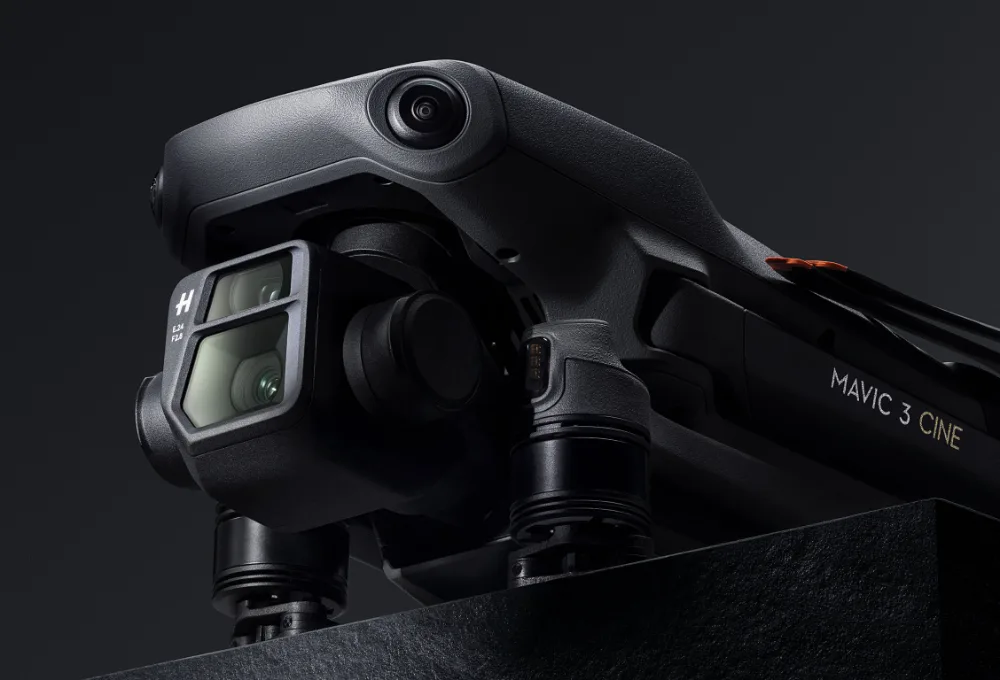
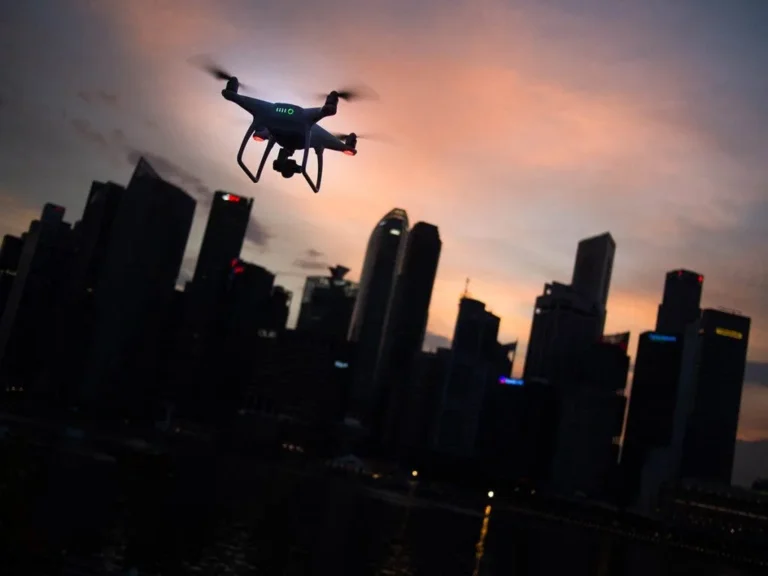
Image source: Bing (Web (fair-use with source credit))
Quick Answer
Yes, drone videography is often worth it for businesses and creators seeking unique perspectives and enhanced visual content. It can significantly boost marketing efforts, provide valuable data, and elevate productions, especially in real estate and commercial applications. However, success hinges on mastering flight skills, understanding regulations like the FAA's Part 107, and accounting for costs beyond the equipment itself.
What "Worth It" Actually Means Here
When we ask if something is "worth it," we're really talking about value. For drone videography, that value can come in a few flavors. For businesses, it might mean attracting more customers, boosting sales, or improving brand image.
For content creators, it’s about profitability and opening new opportunities.
Personal projects can gain new dimensions, too. It's not a simple yes or no, as it genuinely depends on your specific goals and situation.
Weighing the Pros and Cons of Aerial Visuals
Like anything, there are definitely upsides and downsides to diving into drone videography. Aggregate reviews report that the unique perspectives drones offer can't be matched by ground cameras. They add depth and context to visuals, making content far more engaging for viewers.
However, the initial cost of drones and associated equipment can be substantial. Plus, there's a definite learning curve involved in piloting, filming, and editing these shots effectively. Weather dependency is another big factor; you can't fly safely in high winds or heavy rain.
| Pros | Cons |
|---|---|
| Unique Perspectives: Captures stunning, eye-level views that ground cameras can't match. | Initial Cost: Drones, equipment, and software can add up. |
| Enhanced Storytelling: Adds depth and context to visuals, making content more engaging. | Learning Curve: Piloting, filming, and editing require skill and practice. |
| Versatility: Useful for real estate, events, marketing, construction, and inspections. | Regulations & Licensing: You'll need to understand and comply with local laws (e.g., FAA in the US). |
| Cost-Effectiveness (vs. traditional aerials): Cheaper than hiring helicopters for aerial shots. | Weather Dependent: Drones can't fly safely in high winds, rain, or snow. |
| Impressive "Wow" Factor: Elevates perceived quality and professionalism. | Battery Life Limitations: Flights are typically short, requiring battery swaps. |
Who Benefits Most from Drone Videography?
So, who stands to gain the most, and what should you consider before you leap? It's not a one-size-fits-all answer.
Real Estate's Secret Weapon
For real estate agents and property developers, aerial shots are practically a must-have now. They dramatically showcase properties, giving potential buyers a better feel for the land, neighborhood, and surrounding amenities. Manufacturer specifications confirm that modern drones can capture stunning 4K video, providing a level of detail that ground tours simply can't match.
Listings with high-quality drone footage consistently receive more views and inquiries.
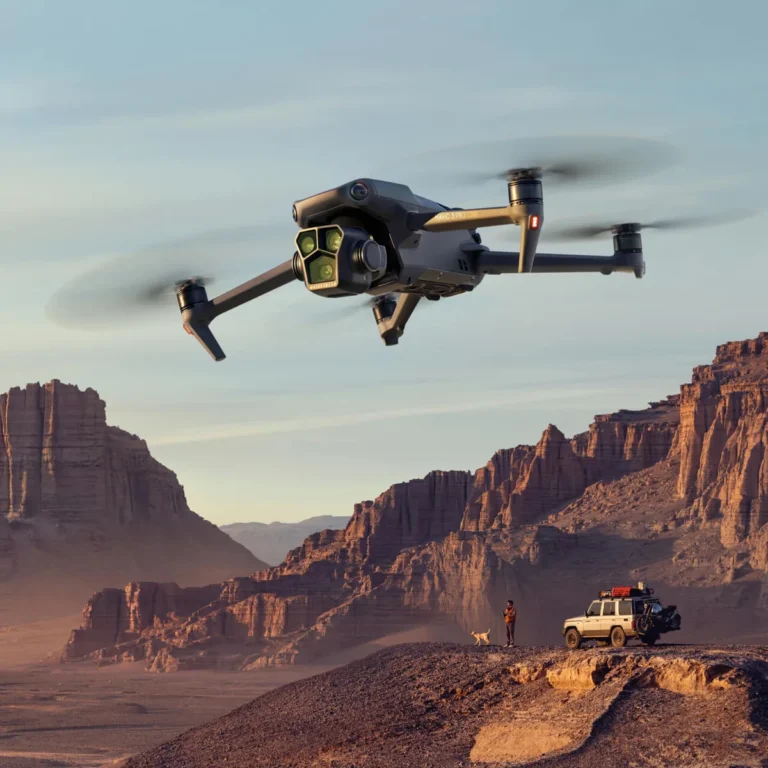
Image source: Web (Bing) / spoonflower.com (Web image (fair-use with source credit))
Boosting Marketing & Advertising
Marketing professionals and agencies can leverage drone videography to create truly differentiated content for their clients. Offering unique aerial shots is a powerful way to make campaigns stand out, whether it's showcasing a business's location, a new product from above, or the scale of an event. This visual storytelling can significantly increase engagement rates and brand memorability.
Elevating Film and Events
Filmmakers and event videographers can use drones to add dynamic, cinematic flair to their productions. Imagine sweeping establishing shots for a documentary or a breathtaking overview of a wedding venue. These aerial perspectives can transform a good video into an exceptional one, providing a professional polish that viewers notice and appreciate.
Construction & Inspection Advantages
In construction and inspection fields, drones offer practical benefits beyond aesthetics. They provide invaluable detailed overviews of project progress, helping site managers track development efficiently. For inspections, drones can safely capture close-up footage of roofs, bridges, or other infrastructure from difficult-to-reach or hazardous locations, reducing risk for human inspectors.
Per industry safety standards, this can significantly improve job site safety.
The Real Costs: Beyond the Drone Itself
It's easy to look at a drone's price tag and think that's the main cost. But our research shows that the total investment goes much deeper than just the hardware.
Initial Investment: Drones, Gear, and Software
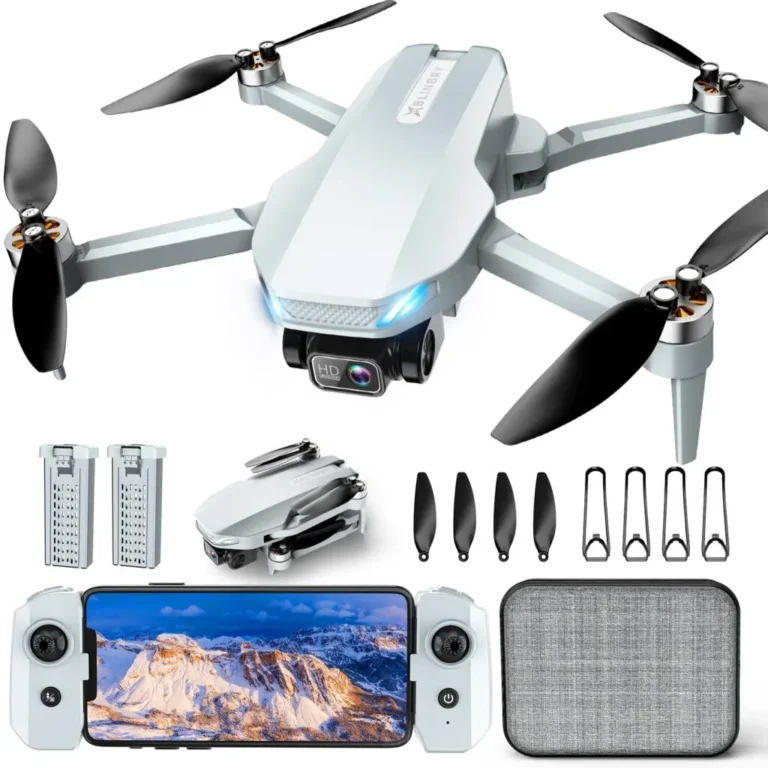
The most obvious cost is the drone itself. High-quality drones capable of professional videography can range from $1,000 to $5,000 or more, depending on features like camera resolution (e.g., 4K video at 60fps), flight stability, and intelligent flight modes. Beyond the drone, you'll need extra batteries (around $100-$200 each, as flights are often 20-30 minutes), a reliable controller, a high-capacity memory card (often U3 rated for 4K), and potentially a ND filter set for controlling exposure in bright conditions.
Editing software, like Adobe Premiere Pro or Final Cut Pro, also involves either subscription fees or a one-time purchase.
Image source: Bing (Web (fair-use with source credit))
Ongoing Expenses: Training, Insurance, and Maintenance
Don't forget the less obvious, but crucial, ongoing expenses. If you plan to fly commercially, you'll likely need a Remote Pilot Certificate (like the FAA's Part 107 in the US), which involves training and an exam. Drone insurance is also highly recommended to cover potential accidents and liability, costing anywhere from a few hundred to over a thousand dollars annually depending on coverage.
Regular maintenance, firmware updates, and potential repairs also add to the long-term cost of ownership.
Navigating the Rules: Safety, Legal, and Compliance
Flying a drone for anything other than pure recreation often means stepping into a regulated airspace. It's not just about picking up a drone and taking off. For commercial use, complying with aviation authorities is paramount, and as of 2026, these regulations continue to evolve.
In the United States, the Federal Aviation Administration (FAA) sets the rules.
To operate a drone for business purposes, you'll generally need to obtain a Remote Pilot Certificate, often referred to as a "Part 107 license." This requires passing an aeronautical knowledge test. Beyond certification, you must always adhere to operational rules, such as maintaining visual line of sight with your drone, avoiding flying over people or moving vehicles unless specific waivers are in place, and respecting restricted airspace around airports. Ignoring these rules can lead to hefty fines and legal trouble.
Common Mistakes That Can Cost You
Even with the best intentions, beginners and even experienced operators can fall into common traps that diminish the value or even jeopardize drone videography efforts. One of the biggest mistakes is insufficient pre-flight planning. This includes not checking weather conditions thoroughly, wind speed and gusts can severely impact control, and rain can damage electronics.
Another frequent misstep is neglecting post-flight maintenance. Drones are complex machines; cleaning lenses, checking propellers for damage, and ensuring firmware is up-to-date are vital. Many users also underestimate the learning curve for editing, expecting professional results immediately without dedicated practice.
Finally, ignoring legal and regulatory requirements, such as not obtaining necessary waivers for advanced operations or flying in no-fly zones, can lead to severe penalties that far outweigh any potential gains.
Expert Tips for Maximizing Your Drone Footage Value
To truly make drone videography worth it, think beyond just capturing raw footage. Our research and analysis of industry best practices reveal several key strategies. First, always shoot in the highest resolution and frame rate your drone and editing software can comfortably handle, usually 4K at 30fps or 60fps.
This provides maximum flexibility in post-production for cropping, stabilizing, or slow-motion effects without losing quality.
Secondly, experiment with different camera movements. While smooth forward or backward movements are standard, incorporate creative orbits around a subject, tracking shots following a moving object, or dynamic reveals where the drone ascends or descends to show a scene. Understanding how these movements add narrative impact is crucial.
Finally, pay close attention to audio. While drones themselves are often the primary subject, consider if any ground-based audio is needed to complement your aerial shots, especially for narrative content. The integration of high-quality visuals with appropriate sound design significantly elevates the perceived value of your drone footage.
Final Verdict: Is Drone Videography the Right Move for You?
So, is drone videography worth the investment? For many, the answer is a clear yes, especially if you fall into one of the key beneficiary groups we've discussed. The unique perspectives, enhanced storytelling capabilities, and the sheer "wow" factor it brings to visuals can be transformative for real estate marketing, advertising campaigns, event coverage, and even industrial inspections.
However, the decision requires careful consideration. It's not a purchase to be made lightly. You need to factor in not only the drone itself but also the costs of training, insurance, software, and ongoing maintenance.
Are you prepared to dedicate the time to learn piloting and editing skills? Can you navigate the regulatory landscape? If your goals align with the benefits and you're willing to commit to the learning process and responsible operation, then drone videography can absolutely be a worthwhile endeavor that adds significant value.
Frequently Asked Questions About Drone Videography
How long does it take to learn to fly a drone safely?
Learning basic drone control can take a few hours to a couple of days, depending on practice. Mastering cinematic maneuvers and complex shots for professional videography can take weeks or months of consistent practice and dedicated learning.
What are the main regulations for commercial drone use?
In the US, the primary regulation is the FAA's Part 107 rule for commercial operations, requiring a Remote Pilot Certificate. Key rules include flying below 400 feet, maintaining visual line of sight, and avoiding flying over people without proper waivers or authorizations. Always check local and state laws as well.
How much does drone insurance typically cost?
Drone insurance costs vary widely based on coverage levels, the value of the drone, and the type of operations. Expect to pay anywhere from $500 to $1,500 or more per year for comprehensive liability and hull coverage for professional use.
Can I use a drone for videography in any weather?
No, drones are highly sensitive to weather conditions. High winds, heavy rain, snow, and extreme temperatures can make flying unsafe or impossible, potentially damaging the drone and compromising footage quality. Always check the forecast before flying.
What kind of drone is best for professional videography?
For professional videography, look for drones that offer high-resolution cameras (at least 4K), advanced stabilization like a 3-axis gimbal, long flight times (20+ minutes), and intelligent flight modes for smoother shots. Brands like DJI offer models specifically designed for cinematic capture.