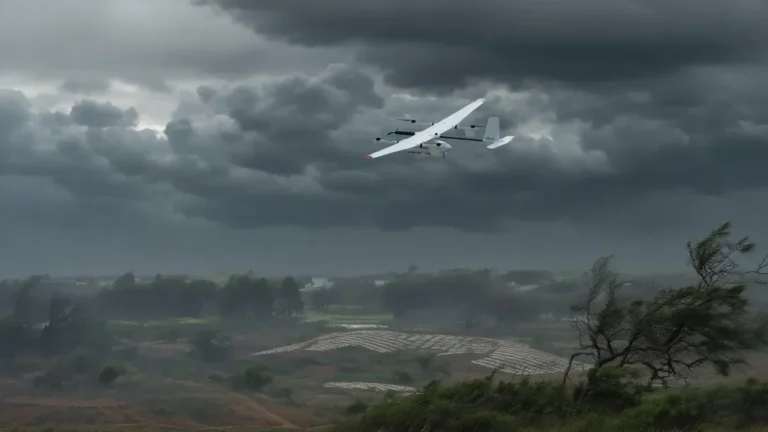
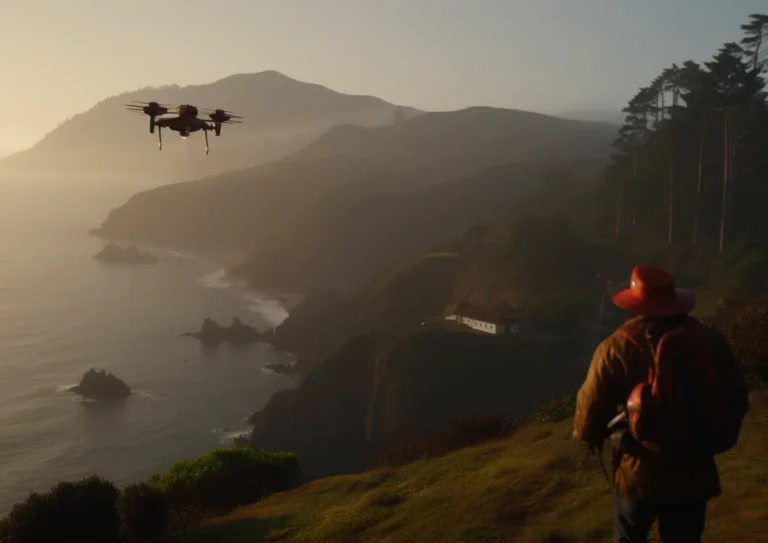
What Is Aerial Videography?
Want to capture breathtaking sweeping views or highlight a property from an entirely new perspective? That's precisely what aerial videography lets you do. It's the art and science of filming from above, typically using unmanned aerial vehicles (UAVs), commonly known as drones.
This technique offers a dramatic shift in storytelling and visual impact, making it invaluable across many industries.
Manufacturer specifications confirm that modern drones can capture video in resolutions up to 8K, with advanced gimbal systems ensuring smooth, professional-looking footage. This capability transforms how we can showcase everything from real estate to cinematic scenes. Let's dive into what makes aerial videography so powerful.
What is Aerial Videography? Seeing the World from a New Angle
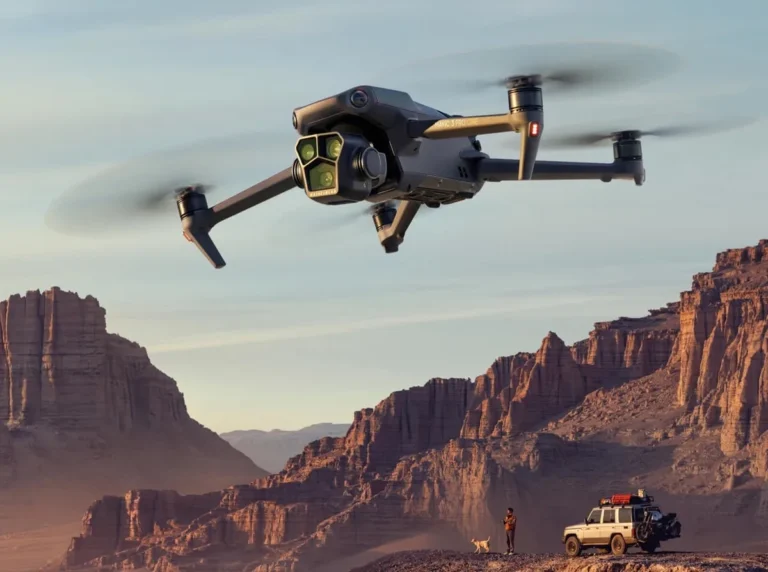
Aerial videography is the practice of capturing video footage from an elevated vantage point, most commonly using camera-equipped drones. It involves piloting these Unmanned Aerial Vehicles (UAVs) to create dynamic shots that ground-based cameras simply can't achieve. Think sweeping panoramas, dramatic fly-bys, and otherwise inaccessible viewpoints that add a unique dimension to any visual project.
This technique offers a significant advantage for showcasing scale, context, and immersive environments. It transforms static scenes into captivating narratives by providing a perspective that feels both expansive and intimately detailed.
Why Visuals Are Everything in Aerial Videography
The entire appeal and effectiveness of aerial videography hinge on its visual output. It's not just about getting a shot from up high; it's about how that shot is framed, composed, and presented to evoke a specific feeling or convey crucial information. The unique perspective offered by drones can dramatically enhance storytelling and presentation.
The Impact of Perspective
A standard video shot from ground level gives you one view. Aerial videography, however, unlocks a multitude of perspectives that change how an audience perceives a subject. It can make a small house look grand by showing its entire property and surroundings, or reveal the intricate layout of a large construction site.
This elevated viewpoint adds a sense of scale, depth, and context that's hard to replicate otherwise.
Show, Don't Just Tell: Examples of Aerial Shots
Imagine trying to sell a sprawling beachfront property. A ground-level video might show nice interiors, but an aerial shot can reveal its prime location, proximity to the water, and the sheer beauty of the surrounding landscape. Similarly, for a film, an aerial shot approaching a castle can build immense atmosphere and anticipation in a way a close-up never could.
This visual storytelling is the core value.
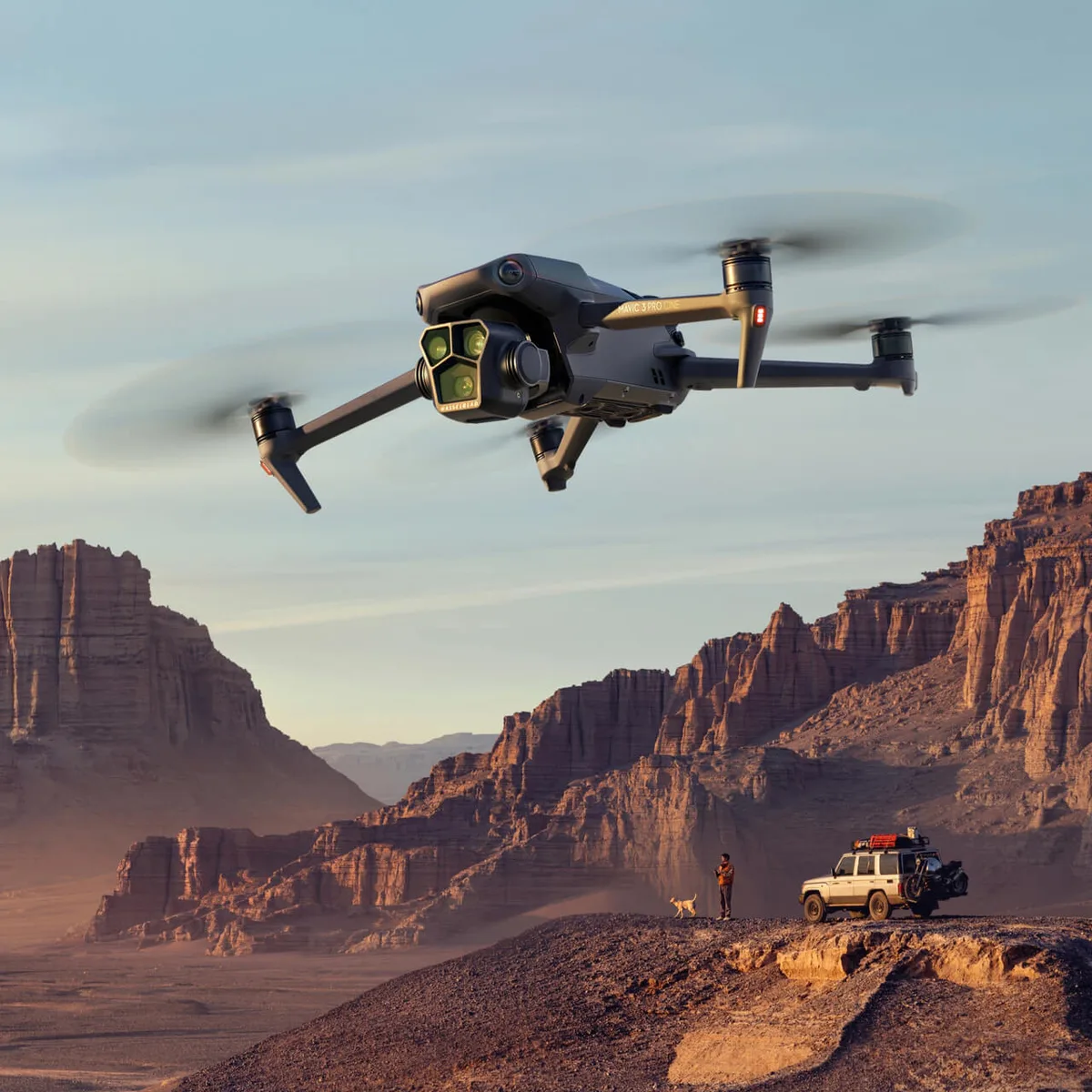
Image source: Bing (Web (fair-use with source credit))
The Core of Aerial Videography: What You're Actually Doing
At its heart, aerial videography involves combining piloting skills with videography techniques to capture compelling footage from the sky. This means understanding both the drone's capabilities and the principles of cinematic composition. It's a blend of technology and artistry, requiring careful planning and precise execution.
Drones and Cameras: The Essential Gear
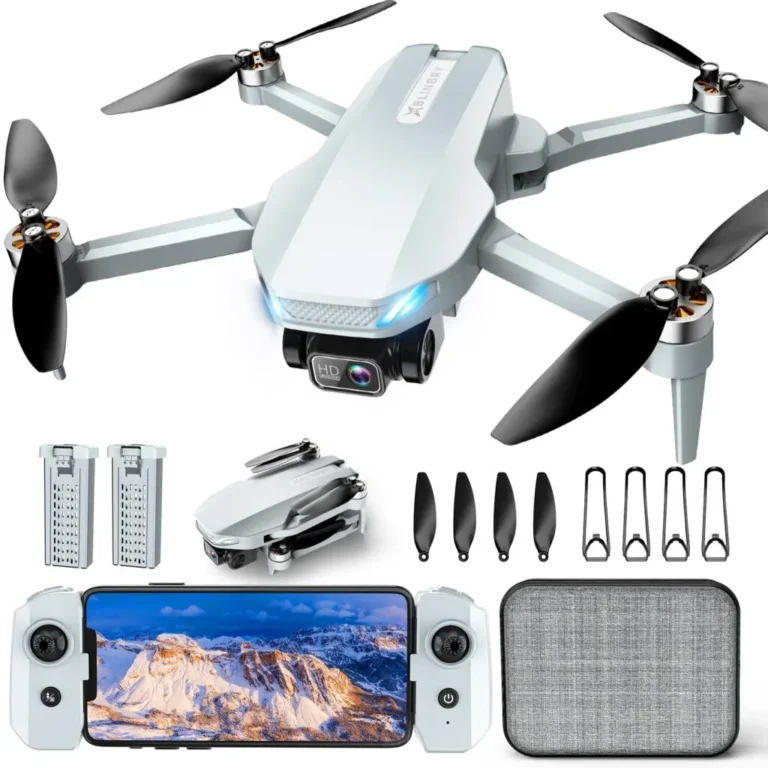
The primary tool for aerial videography is, of course, a drone. These Unmanned Aerial Vehicles (UAVs) are equipped with cameras capable of recording high-quality video. Key components include the drone itself, its remote controller, and the integrated or mounted camera system.
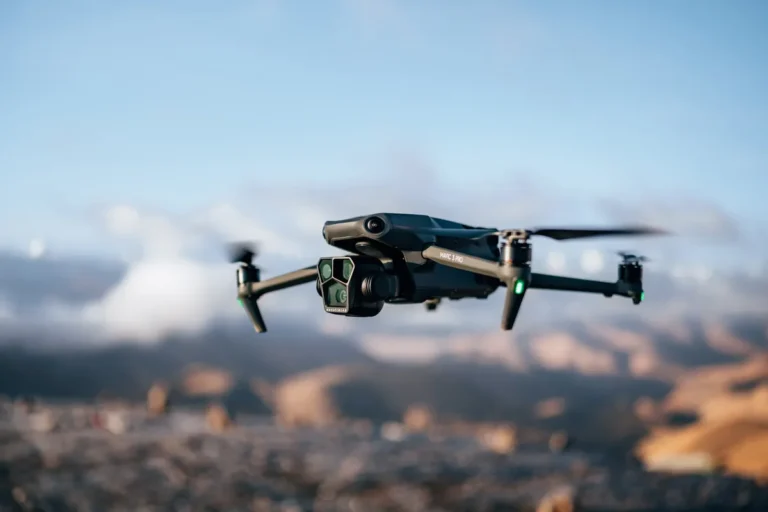
For professional results, these cameras often feature advanced sensors and lenses.
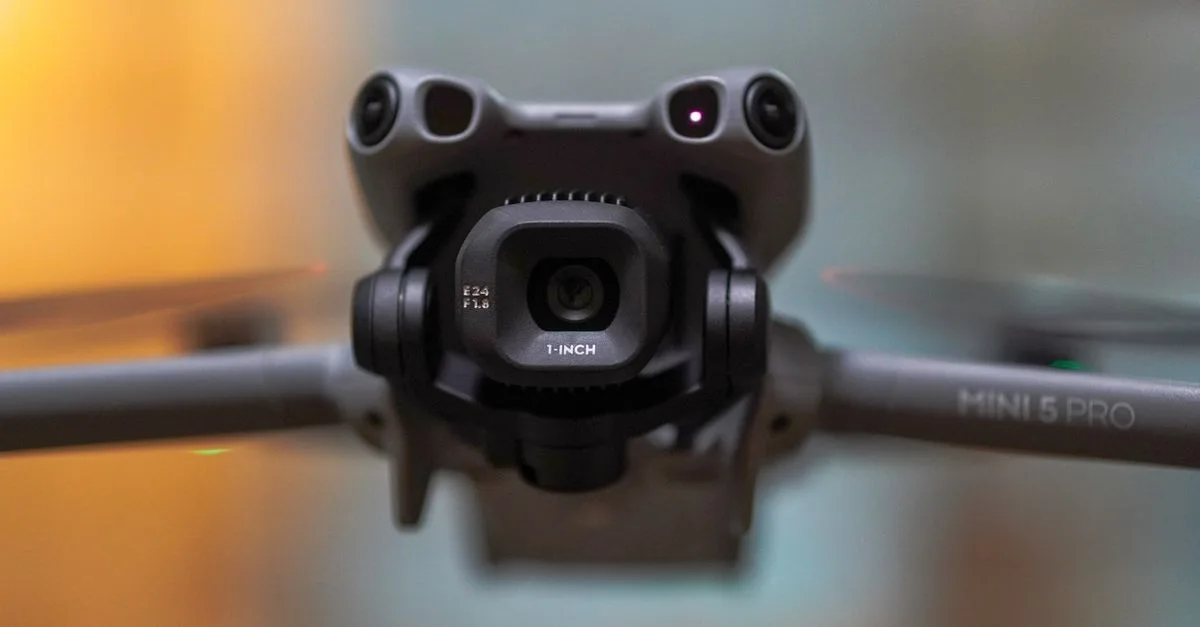
Image source: Bing (Web (fair-use with source credit))
How the Shots Come Together: From Flight to Edit
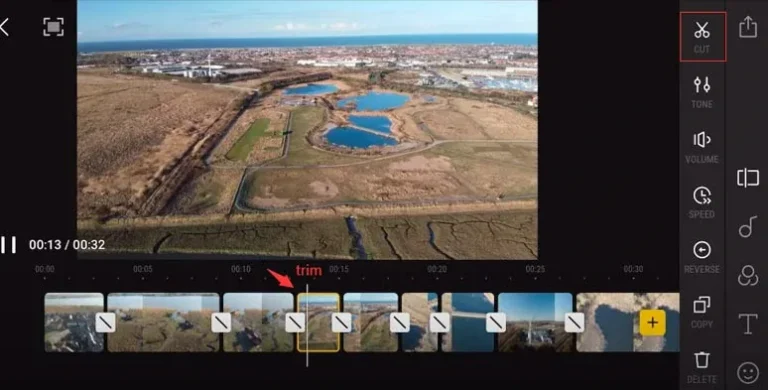
The process begins with pre-flight planning, which includes checking weather, airspace regulations, and scouting the location. Then, the drone is piloted to capture various shots, often following planned flight paths for smooth, cinematic movements. After recording, the footage is transferred and edited, with color grading and sound design often applied to achieve the final polished look.
Who Uses Aerial Videography and Why? Top Use Cases
Aerial videography isn't just a niche hobby; it's a powerful tool used across a wide array of industries. Its ability to provide unique perspectives and comprehensive views makes it incredibly versatile for marketing, documentation, and creative projects. Identifying the right use case is key to understanding its value.
Real Estate That Pops
For real estate agents and developers, aerial footage is a game-changer. It allows potential buyers to see the full scope of a property, its lot size, surrounding neighborhood, and proximity to amenities. This visual clarity helps attract more serious buyers and can significantly speed up sales.
Aggregate reviews often highlight that listings with aerial video get more views and inquiries.
Films and Events That Feel Epic
Filmmakers use aerial videography to create sweeping establishing shots, dynamic chase sequences, and to capture the grandeur of landscapes. At events like weddings or major sports competitions, drones can provide breathtaking overhead views that document the entire scene, adding an epic scale to memories or broadcasts that a ground camera simply can't match.
Industry Insights: Inspections and Progress Tracking
Beyond creative uses, aerial videography is vital for industry. Construction companies use drones to monitor project progress, identify potential safety hazards, and conduct site surveys without putting personnel at risk. Similarly, industries like energy and agriculture use aerial footage for inspecting infrastructure, such as power lines or crops, offering detailed data from a safe distance.
The Upsides and Downsides of Going Airborne
Using drones for videography comes with a clear set of advantages that make it so popular. You can capture shots that are otherwise impossible or prohibitively expensive to get. However, like any technology, there are limitations and challenges that you need to be aware of.
Benefits: A New Dimension to Your Story
The biggest win is the perspective. Aerial footage provides a dramatic and expansive view, making subjects look more impressive and highlighting their surroundings. It can capture the scale of events, the beauty of landscapes, and the scope of construction projects in a single, powerful shot.
This visual storytelling capability is unmatched by traditional methods, especially for marketing and cinematic purposes.
Drawbacks: What to Watch Out For
Weather is a major factor; high winds, rain, or even fog can ground your drone operations. Battery life is another common constraint, typically limiting flight times to around 20-30 minutes per charge. Furthermore, regulations surrounding drone use, like no-fly zones near airports, are crucial to understand and adhere to.
Common Mistakes That Can Ruin Your Aerial Shot
Even with the best gear, a few common missteps can turn a potentially great aerial shot into a disappointing mess. Knowing these pitfalls can save you time, money, and frustration. It’s about more than just flying; it’s about thoughtful execution.
Technical Blunders and Operational Errors
One frequent mistake is not properly calibrating the drone's compass before flight, which can lead to erratic behavior. Another is over-reliance on automatic flight modes without understanding their limitations, especially in complex environments. Forgetting to check battery levels before takeoff is also a classic error, often resulting in premature landings or worse.
Legal and Safety Slip-ups
Operating a drone without understanding local airspace regulations is a significant risk. This includes flying too close to airports, over crowds without proper authorization, or in restricted areas. Not maintaining visual line of sight (VLOS) with the drone can also lead to dangerous situations or loss of control.
Always ensure you're compliant with rules from bodies like the FAA (Federal Aviation Administration) in the US or the CAA (Civil Aviation Authority) in the UK.
Essential Gear and Tech Specs for Aerial Video
To produce professional-quality aerial videos, having the right equipment is crucial. This goes beyond just a drone; it involves understanding the technical specifications that influence your footage. Choosing wisely here directly impacts the final output and your operational capabilities.
Key Camera and Drone Features to Look For
When selecting a drone for videography, look for models with high-resolution cameras, ideally capable of shooting at least 4K resolution. A good gimbal system is non-negotiable for smooth, stable footage; these actively counteract drone movements. Flight time is also a critical spec, longer flight times mean more shooting opportunities per battery.
Understanding Resolution, Frame Rates, and More
Camera resolution dictates the detail in your video; 4K (3840×2160 pixels) is the current standard for professional work, but 8K is emerging. Frame rates, measured in frames per second (fps), affect motion smoothness; 24fps or 30fps are standard for filmic looks, while higher rates like 60fps are useful for slow-motion effects. Color depth, like 10-bit recording, also offers more flexibility in post-production for color grading.
Navigating the Rules: Safety and Legalities
Operating drones for videography isn't just about flying; it's about doing so responsibly and legally. Understanding and adhering to regulations protects you, others, and the airspace. Many aspiring aerial videographers overlook this, leading to potential fines or flight restrictions.
Understanding Airspace and Regulations
Before any flight, you must know the rules. In the United States, the Federal Aviation Administration (FAA) governs drone operations, requiring pilots to obtain a Remote Pilot Certificate for commercial use. Similarly, the UK's Civil Aviation Authority (CAA) has its own set of regulations, including registration and competency requirements.
This often involves understanding controlled airspace near airports and adhering to altitude limits.
Staying Safe While You Fly
Safety is paramount. Always perform a pre-flight check of your drone and batteries. Maintain visual line of sight (VLOS) with your drone at all times, don't rely solely on the camera feed.
Avoid flying over people or moving vehicles unless you have specific waivers and approvals. Following these practices ensures your operations are safe and compliant, preventing accidents and maintaining public trust.
Frequently Asked Questions About Aerial Videography
How much does professional aerial videography cost?
Costs vary widely based on project complexity, location, and the videographer's experience. For basic real estate shoots, expect prices from $300 to $800, while commercial film projects can run into thousands or tens of thousands of dollars per day.
What's the difference between aerial videography and drone photography?
Aerial videography focuses on capturing moving video footage, while drone photography captures still images. Both use drones but serve different creative or practical purposes. Many drone pilots offer both services.
Do I need a license to fly a drone for commercial videography?
Yes, generally you do. In the U.S., the FAA requires a Remote Pilot Certificate (Part 107 license). In the UK, the CAA has similar licensing and registration requirements for commercial operators.
Always check current regulations for your specific region.
What kind of weather is too bad for drone flying?
High winds (typically over 20-25 mph), heavy rain, snow, or dense fog are usually too dangerous for drone operations. Even moderate wind can make stable footage difficult to achieve. Always check forecasts before planning a shoot.
How long does a typical drone flight last?
Most consumer and prosumer drones have battery lives ranging from 20 to 35 minutes. Professional cinema drones might offer slightly longer, but it's common practice to have multiple batteries and swap them out frequently to maximize shooting time.
Your Next Steps in Exploring Aerial Videography
Deciding to incorporate aerial videography into your projects means embracing a powerful new tool. Start by understanding the core principles, then identify how its unique capabilities can best serve your specific needs, whether it's marketing properties, enhancing film productions, or monitoring industrial sites. Remember to always prioritize safety and legal compliance.