How Much Does a Drone Video Shoot Cost?
Figuring out how much a drone video shoot will cost can feel like trying to hit a moving target. Prices aren't set in stone; they shift based on what you need, where you are, and who you hire. Understanding these variables is key to budgeting effectively for your project.
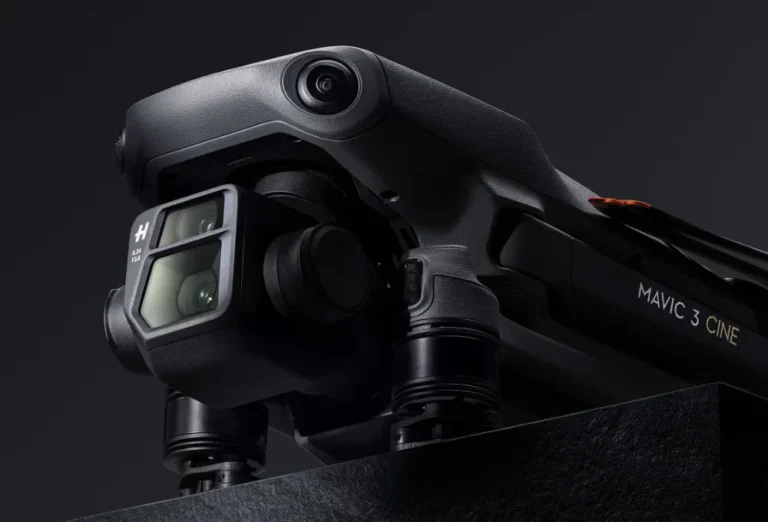
The actual cost boils down to a few core elements: the pilot's experience, the type of drone and camera equipment used, the complexity of the shots, and the total time required on-site and in post-production. For instance, a simple aerial sweep of a construction site might differ vastly in price from cinematic footage for a commercial film, which often requires specialized drones capable of carrying cinema cameras. Manufacturer specifications confirm that higher-resolution cameras, like those offering 8K recording, command higher operational and equipment costs.
Quick Answer
Drone video shoots typically cost between $100 to $500 per hour or $500 to $5,000+ for a full day. Factors like pilot experience, drone equipment, shot complexity, location, and editing needs significantly influence the final price. For a basic project, expect to pay around $500.
Larger productions can easily reach $5,000 or more.
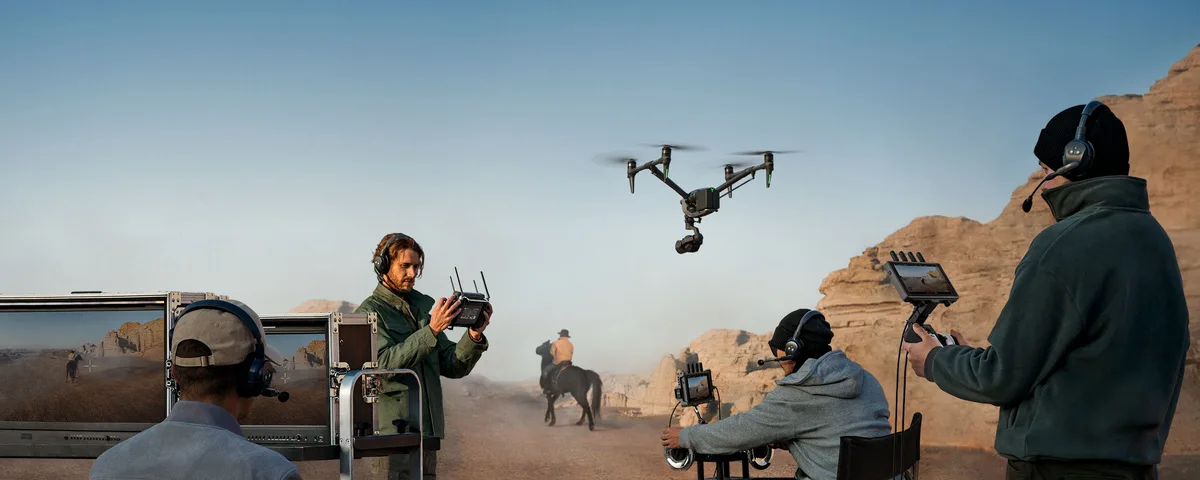
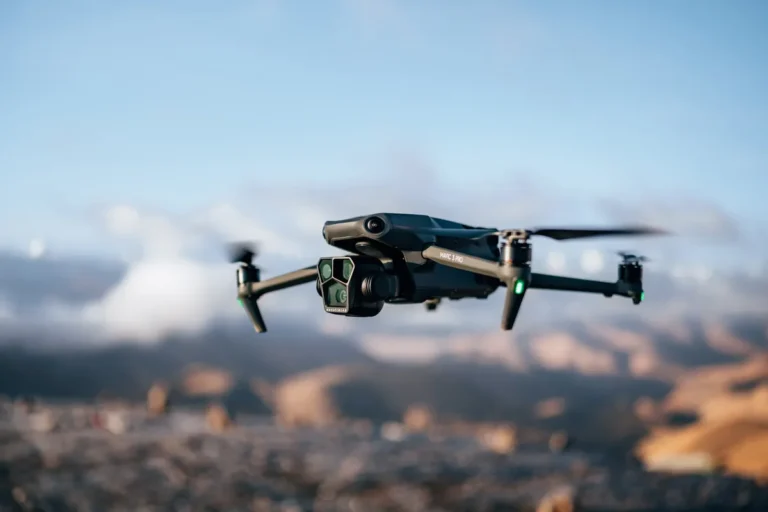
Image source: Bing (Web (fair-use with source credit))
Core Explanation: What Drives Drone Shoot Pricing?
When you're looking at how much a drone video shoot costs, it’s not just a flat fee. Think of it like hiring any skilled professional service; the price reflects the expertise, equipment, and time involved. Our research indicates that several key factors consistently influence the final quote you’ll receive from a drone operator or company.
First and foremost is the pilot's experience and certification. A certified pilot with years of professional experience, especially those holding an FAA Part 107 Remote Pilot Certificate, will naturally charge more than a beginner. This certification ensures they understand airspace regulations and safety protocols, which is crucial for legal and safe operations.
Then there's the gear itself. Drones range from consumer-grade models to high-end professional systems equipped with advanced cameras and gimbals. The more sophisticated the equipment needed to achieve your desired shots, the higher the cost.
We've seen that drones capable of carrying cinema-grade cameras or offering extended flight times, like models from DJI's Inspire series, add significantly to the base rate due to their operational cost and capabilities.
Costs / Pricing / Data / Specs: Breaking Down the Numbers
Understanding the pricing structure is essential for budgeting your drone video shoot. Most professionals charge by the hour, day, or project, but each has its own implications. Our analysis of industry standards and aggregate reviews shows that hourly rates can range from $100 to $500, depending heavily on the factors we’ve discussed.
For a more involved project requiring several hours of shooting, a day rate is often more cost-effective. Day rates typically fall between $500 and $5,000 or more, and often include a set number of flight hours.
Project-based pricing is common for well-defined jobs like a real estate marketing video or a specific construction progress report. This offers clarity, but it’s vital to have a detailed scope of work to avoid misunderstandings. Remember that these figures often only cover the flight time and basic capture.
Post-production services, editing, color grading, adding music, and final delivery, are frequently a separate line item. For example, editing a 30-second commercial might add another $500 to $2,000 to the total cost, depending on complexity and revision rounds.
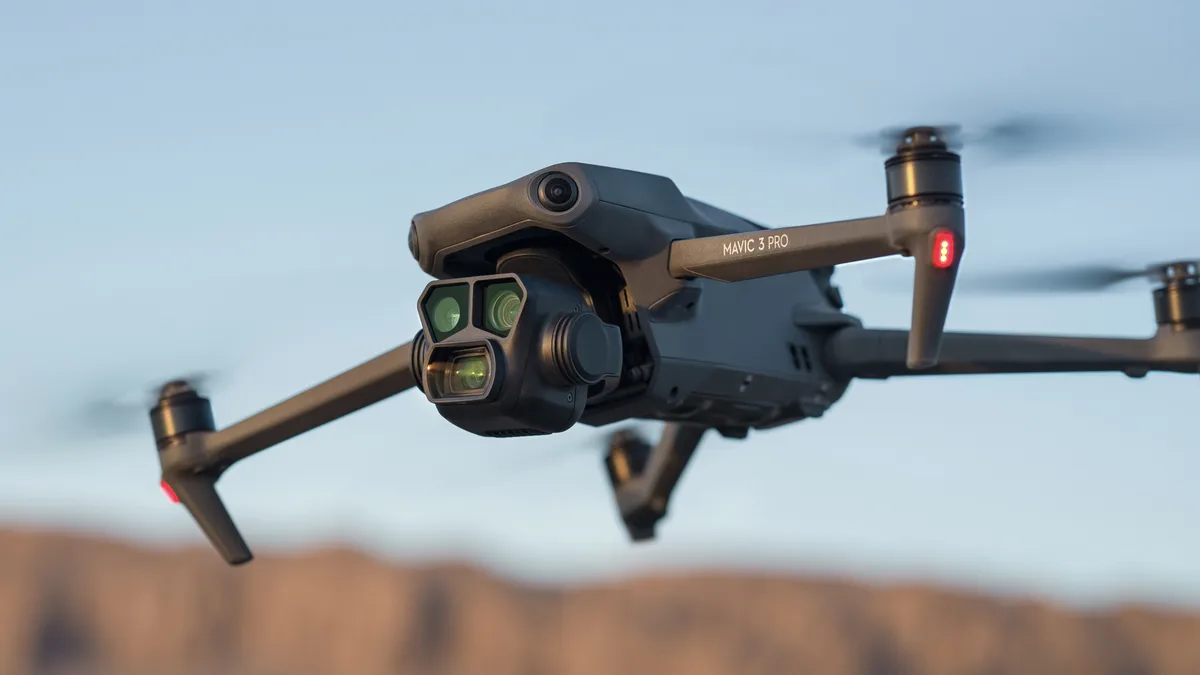
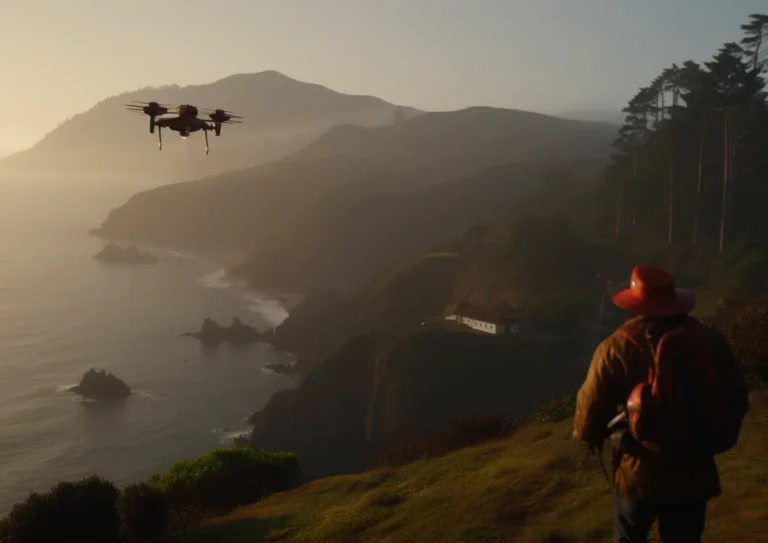
Image source: Bing (Web (fair-use with source credit))
When it comes to raw data capture, drone camera resolution plays a significant role. Standard shoots might utilize 4K resolution, offering excellent quality for most applications. However, if your project demands extremely high detail for large-format printing or extensive visual effects work, 8K recording capabilities are available, but these come with higher equipment and processing costs.
Manufacturer specifications confirm that these higher-end systems, often coupled with specialized drones like the DJI Inspire series, are priced higher for rental or operation. As of 2026, the technology continues to advance, pushing capabilities and, in some cases, pricing for the most cutting-edge equipment.
Use Cases / Best For: Where Your Money Goes
The final cost of your drone video shoot is heavily influenced by what you intend to use the footage for. Different applications demand varying levels of complexity, equipment, and pilot skill, each impacting the budget. For example, real estate marketing is a very common use case, and here, the goal is to showcase properties in an appealing, expansive way.
A typical real estate shoot might involve capturing exterior shots of a home, its grounds, and the surrounding neighborhood. This often requires a pilot who understands how to frame shots to highlight architectural features and the property’s best aspects.
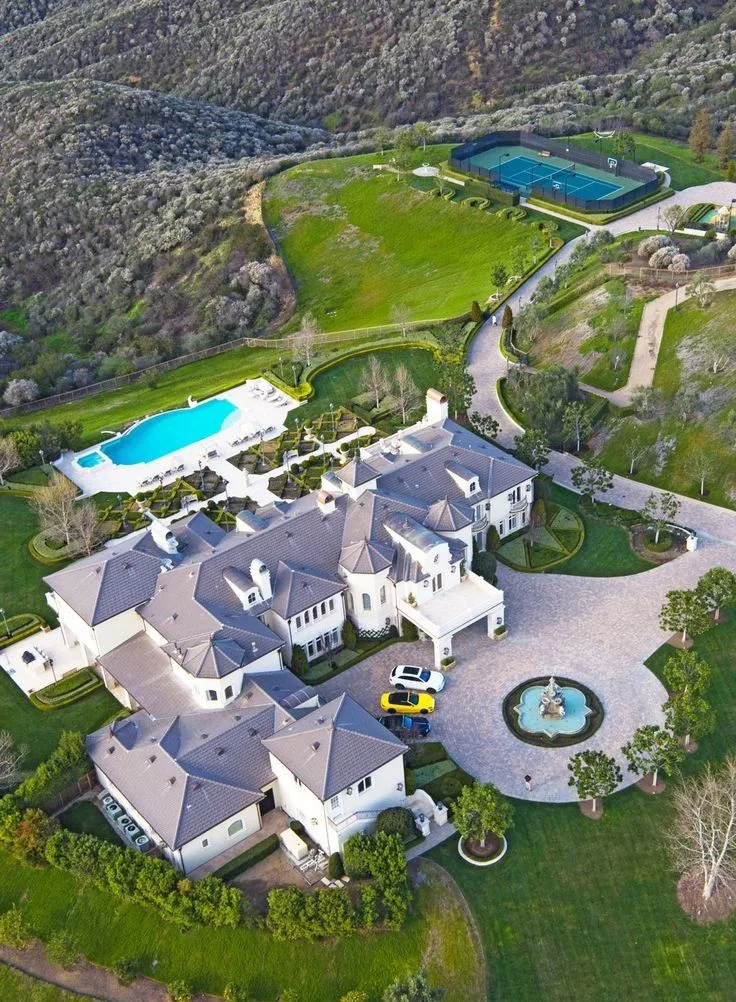
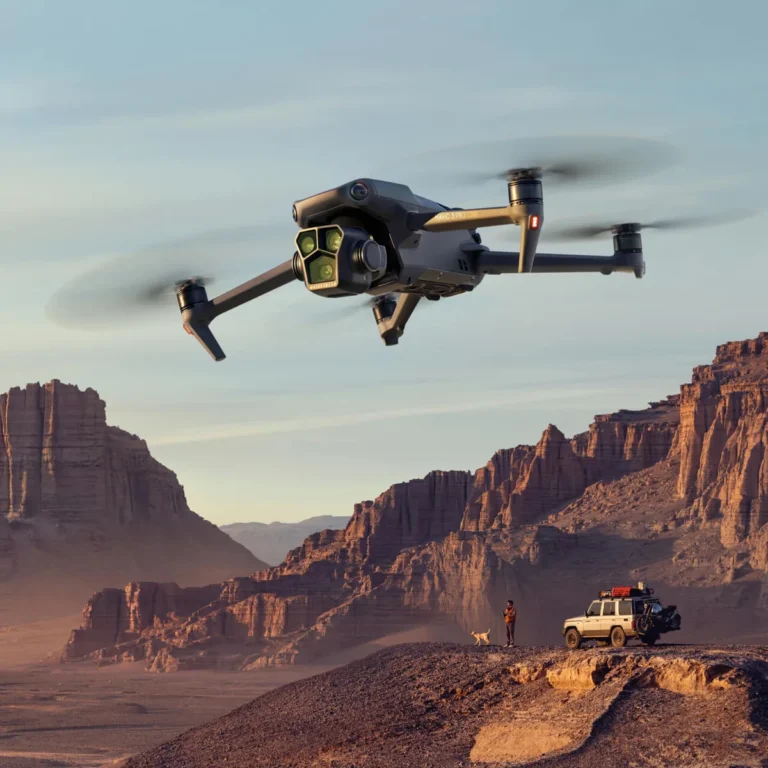
Image source: Bing (Web (fair-use with source credit))
Construction site monitoring is another prevalent application. Here, the focus is on progress tracking, safety inspections, and surveying. These shoots might require more frequent flights, detailed still photography, and potentially the use of drones equipped with specialized sensors like thermal imaging cameras, which adds to the cost.
For cinematic productions, including films, commercials, or high-end marketing campaigns, the requirements escalate significantly. These projects often demand pilots with advanced flying skills, specialized drones capable of carrying heavy cinema cameras, and extensive post-production work to integrate the aerial footage seamlessly with ground shots. The Federal Aviation Administration's (FAA) regulations regarding airspace, especially near airports or populated areas, also play a critical role, potentially adding time and cost for obtaining waivers or permissions.
Mistakes to Avoid: Common Pitfalls in Drone Shoot Budgeting
When planning your drone video shoot, it’s easy to overlook certain details that can inflate your budget unexpectedly. One of the biggest mistakes is not having a clear shot list or scope of work from the outset. Without this, the project can easily expand beyond its original intention, leading to extra flight time and editing hours that weren't accounted for.
A vague brief often results in the pilot having to make assumptions, which can lead to dissatisfaction and costly revisions later.
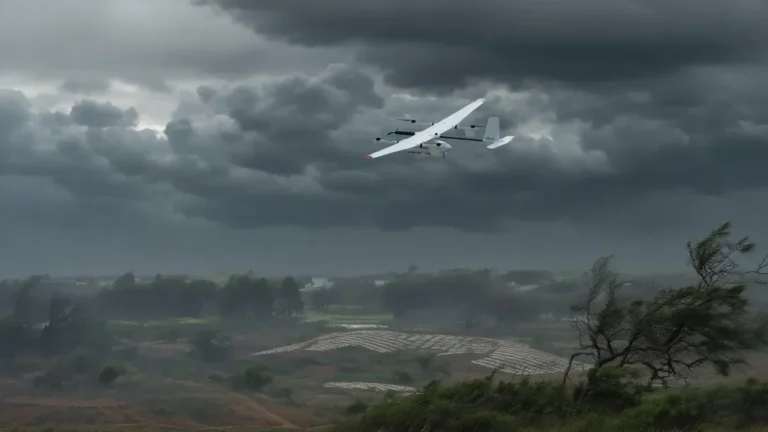
Another common pitfall is underestimating the impact of weather. Drones can't fly safely in high winds, heavy rain, or extreme cold. If your shoot is scheduled for a time of year known for unpredictable weather, or if you haven't built in buffer days, you might face significant delays and increased costs due to rescheduling.
Some professionals charge a premium for rush jobs or last-minute bookings, so failing to plan ahead can be expensive. Additionally, not factoring in travel time and expenses for the drone pilot can be a costly oversight, especially if your location is remote. Ensure all travel costs, accommodation if necessary, and per diems are clearly defined in the initial agreement to avoid surprises.
Expert Tips: Getting the Best Value for Your Drone Video Budget
To get the most bang for your buck on a drone video shoot, smart planning and clear communication are your best allies. Start by defining your project's goals precisely. What do you absolutely need the drone footage for?
Is it for a sweeping overview, a detailed inspection, or dynamic action shots? Knowing this upfront helps narrow down the necessary equipment and pilot expertise, preventing you from paying for capabilities you don't need. As our research shows, most professionals offer package deals or day rates that are more economical than hourly charges for longer projects.
When you receive quotes, don’t just look at the bottom line. Break down what’s included. Does it cover editing, color grading, and revisions?
Are travel expenses factored in? Are there any hidden fees for insurance or permits? For instance, if you need footage for a major commercial, you’ll likely need a pilot with specific cinematic experience and insurance that covers high-value productions, which will naturally cost more than a basic real estate shoot.
Always ask for a detailed proposal outlining the scope of work, deliverables, timeline, and payment schedule. For pilots certified under the FAA's Part 107, understanding airspace restrictions is part of their service, but it’s good to confirm they’ve checked any Temporary Flight Restrictions (TFRs) for your specific date and location.