What Is the Difference Between Drone Photography and Videography?
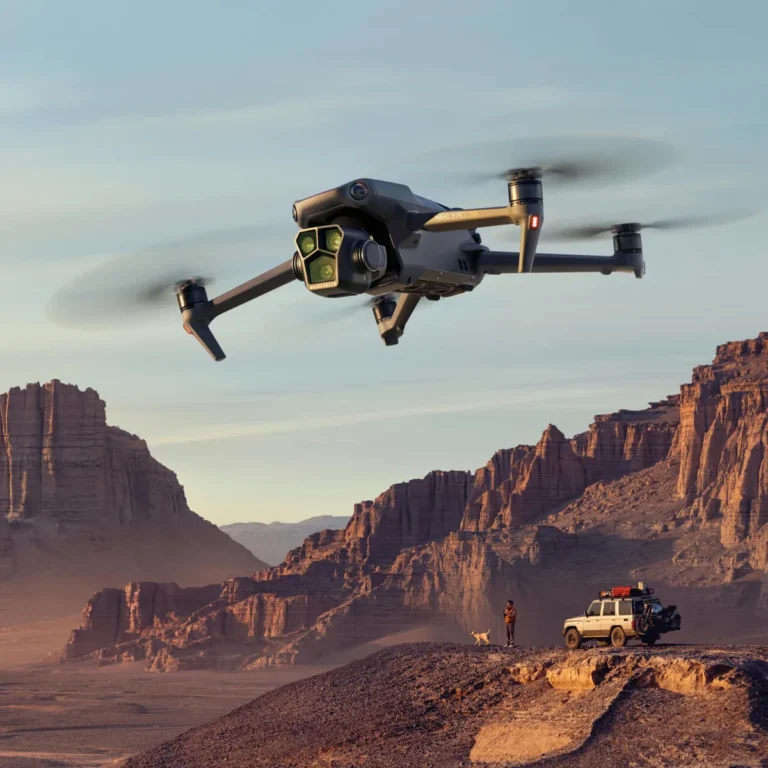
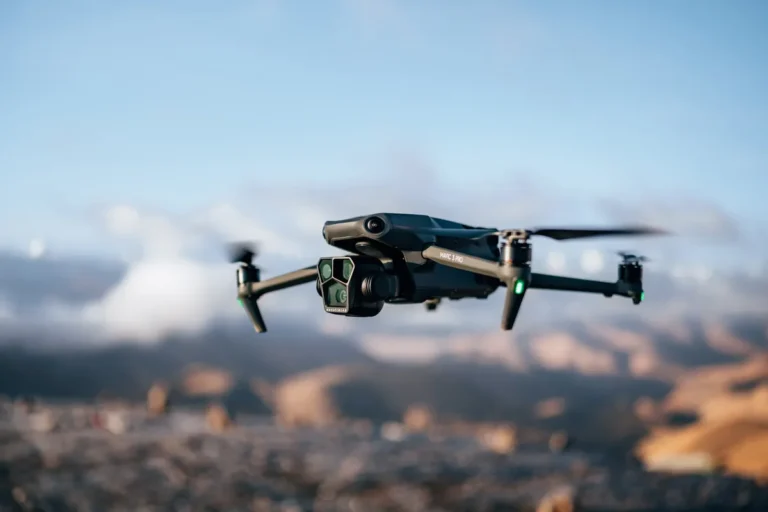
Hey there! So, you're curious about drones and their amazing aerial capabilities, specifically the difference between snapping cool photos and shooting epic video. It's a great question, and honestly, the lines can sometimes feel a little blurry, but there are some key distinctions that make them unique.
Think of it this way: both use a drone to get that awesome bird's-eye view, but they're aiming for different end results and often require slightly different approaches. Let's break it down.
Quick Answer
Drone photography captures single, still images, focusing on composition and detail. Drone videography records sequences of images to create moving footage, emphasizing smooth movement and narrative flow. While many drones can do both, photography prioritizes the perfect moment, while videography captures action over time.
The Core Distinction: Still Moments vs. Moving Stories
At its heart, the difference between drone photography and drone videography lies in what you're aiming to capture and how you're capturing it. It's about freezing time versus telling a story that unfolds.
Capturing a Single Frame: The Art of Drone Photography
Drone photography is all about creating a compelling, still image. You're looking to freeze a moment in time, whether it's a breathtaking landscape, a striking architectural composition, or an unusual aerial perspective of an object or person. The focus here is on the elements within that single frame: light, shadow, color, texture, and how they all come together to create a visually impactful picture.
Think of it as composing a painting from the sky.
Recording Motion: The Craft of Drone Videography
Drone videography, on the other hand, is about capturing motion and creating a narrative through moving images. You're recording a sequence of frames that, when played back, show action, movement, and progression. This could involve following a subject, panning across a vast landscape, or documenting an event as it happens from an aerial viewpoint.
The emphasis shifts to smooth, controlled movements, pacing, and how the visuals tell a story over time. It's like directing a movie scene from above.
How Key Features Shape Your Choice
While the drone itself might be the same piece of hardware, the way you operate it and the specific camera settings you prioritize change significantly depending on whether you're shooting stills or video. These differences in approach are driven by the fundamental requirements of each medium.
Photography Focus: Shutter Speed, Resolution, and Composition
When you're aiming for drone photography, your technical priorities are different. Shutter speed, for instance, is crucial for controlling motion blur and ensuring sharpness. Fast shutter speeds freeze action, while slower ones can create artistic effects like smoothing water.
Resolution is also paramount, as higher megapixel counts (some professional drones offer sensors exceeding 50 megapixels) allow for greater detail and cropping flexibility later in editing. Ultimately, composition, how you arrange the elements within the frame, is king, as you have only one chance to get it perfect.
Videography Focus: Frame Rate, Gimbal Smoothness, and Exposure Consistency
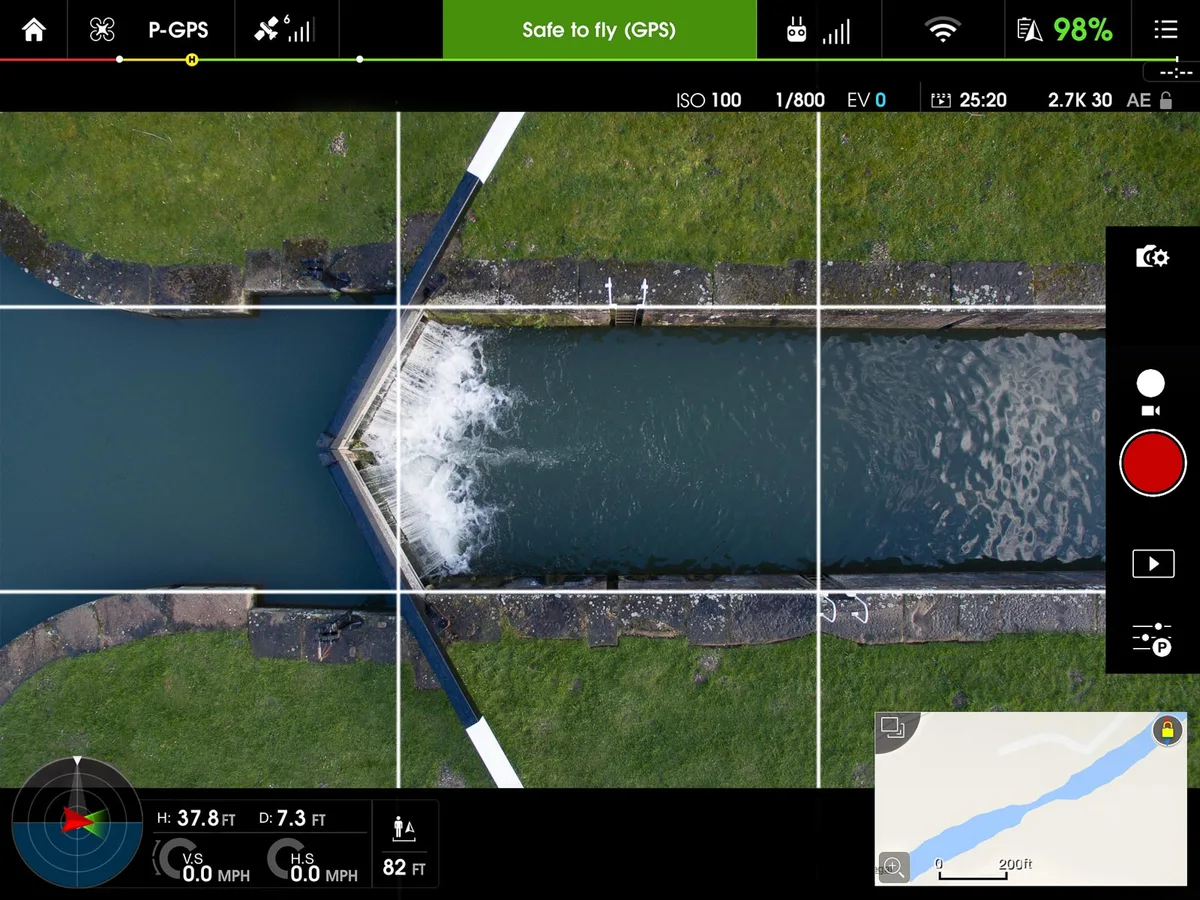
For drone videography, the game changes. You're not just taking a picture; you're recording a continuous stream of images. Frame rate (often 24, 30, or 60 frames per second) dictates how fluid the motion appears.
Gimbal smoothness is essential; jerky camera movements can make footage unwatchable. Manufacturers like DJI emphasize advanced gimbal stabilization in their drone designs to ensure cinematic-quality footage. Exposure consistency is also vital.
Unlike photography where you adjust for each shot, in video, you need a stable exposure throughout a take. This often means using Neutral Density (ND) filters to manage changing light conditions without altering camera settings mid-shot.
Photography Priorities: What Makes a Great Still?
What makes a drone photograph stand out? It's a combination of factors that come together in a single moment. You're looking for that perfect composition, where lines, shapes, and colors draw the viewer's eye.
Lighting is another massive component; the way the sun hits a landscape or casts shadows on a building can transform an image. Detail is also key, the higher the resolution of your camera, the more intricate details you can capture, allowing for larger prints or more aggressive cropping in post-production. Think about the incredible detail captured by high-resolution sensors, sometimes exceeding 100 megapixels on specialized aerial cameras.
Videography Priorities: What Makes Great Moving Footage?
On the video side, the focus shifts from a single moment to a continuous flow. Smooth, controlled camera movements are non-negotiable. A sudden jerk or an overly fast pan can ruin an otherwise beautiful shot.
Pacing is also important; how quickly or slowly you move the drone and how long you hold a shot contributes to the overall feel and narrative of the video. Color grading, often done in post-production, helps create a consistent mood and aesthetic throughout the footage. Many professional drone video operators rely on Log or HDR color profiles, which capture a wider dynamic range for more flexibility during editing.
Putting Them to Work: Use Cases and Who Benefits
The distinction between drone photography and drone videography isn't just academic; it directly impacts how and where drones are used effectively. Different industries and creative pursuits leverage the unique strengths of each.
When to Choose Drone Photography
Drone photography is often the go-to for applications where a single, stunning visual is needed to convey information or evoke emotion. Real estate agents use it to showcase a property's layout and surrounding environment in a single, impactful image. Architects and construction firms might use aerial stills for progress documentation or to capture final project visuals.
Landscape photographers utilize drones to access angles and vistas impossible from the ground, creating breathtaking art pieces. For marketing materials that need a strong, static visual, drone photography offers a powerful solution.
When to Opt for Drone Videography
Drone videography shines when movement and storytelling are essential. Filmmakers use it for sweeping cinematic shots that establish location or follow action. Documentarians capture events or natural phenomena unfolding over time.
Businesses use drone video for dynamic promotional content, highlighting their services or facilities in motion. Even for simple property tours, a drone video can provide a much more immersive experience than a series of photos. As of 2026, drone videography is increasingly integrated into news reporting and event coverage to offer unique perspectives.
Navigating the Nuances: Common Mistakes to Sidestep
Even with the best intentions and the right gear, it's easy to stumble when you're first getting the hang of drone photography and videography. Recognizing these common pitfalls can save you a lot of frustration and help you produce much better results.
Photography Pitfalls to Watch For
One of the most frequent mistakes in drone photography is overlooking composition. A drone can fly anywhere, but that doesn't automatically make every shot look good. Flying too high without a clear subject, failing to use leading lines, or not paying attention to the background can lead to flat, uninteresting images.
Another common error is improper exposure; either blowing out highlights or crushing shadows means losing crucial detail. Many beginners also forget about the importance of lighting, shooting at midday with harsh shadows is rarely ideal. Finally, not understanding basic camera settings like aperture and ISO can lead to grainy or unfocused photos.
Videography Blunders to Avoid
In drone videography, the biggest mistake is almost always jerky, uncontrolled movement. A shaky pan or a sudden ascent looks unprofessional and can make viewers nauseous. Many aspiring drone pilots also neglect proper pre-flight checks, leading to unexpected battery drain or loss of signal at critical moments.
Failing to manage exposure effectively is another major issue; constantly changing light conditions without using ND filters or adjusting settings can result in flickering or inconsistent brightness throughout a clip. Lastly, simply not planning your shots beforehand is a recipe for mediocre footage. Without a clear idea of the story you want to tell or the shots you need, you'll likely end up with a collection of random clips.
Pro Tips for Mastering Both Crafts
Getting great results with your drone, whether for stills or video, often comes down to a few key practices and a bit of experience. These tips can help you elevate your aerial content.
Photography Techniques for Stunning Stills
For photography, think about your light source. Overcast days offer soft, diffused light that's excellent for detail and color without harsh shadows. Golden hour, the hour after sunrise and before sunset, provides warm, dramatic light that makes landscapes pop.
When framing your shot, actively look for leading lines (like roads or rivers) that draw the viewer's eye into the image. Don't be afraid to experiment with different altitudes and angles; sometimes a slightly lower or higher perspective can make all the difference. And always shoot in RAW format if your drone supports it; this gives you much more flexibility for editing and recovering details in post-production.
Videography Techniques for Cinematic Shots
When shooting video, practice your smooth flight paths before you hit record. Many drones have dedicated cinematic modes that limit speed and increase gimbal response time, making for smoother footage. Learn to use the joystick controls subtly; small, deliberate movements are better than large, sweeping ones.
Consider using ND filters, especially on bright days, to maintain a cinematic shutter speed (typically double your frame rate) and avoid overly bright, sterile footage. Think about what you want to show in the video: are you following a subject? Are you revealing a landscape?
Planning these shots, sometimes called "b-roll," in advance will make your final edit much more compelling.
Frequently Asked Questions About Drone Photo & Video
What's the most crucial difference between drone photography and videography?
The most crucial difference is the output: photography captures a single, still moment, while videography records continuous motion over time to tell a story.
Can any drone do both photography and videography?
Most modern drones are capable of both, but their specialized features might lean towards one or the other. High-end drones excel at both, while entry-level models might be better suited for one.
Which requires more skill: drone photography or videography?
Videography generally demands a higher level of piloting skill due to the need for continuous, smooth camera movements and flight path control. Photography often focuses more on composition and timing.
Do I need different editing software for drone photos and videos?
Yes, you'll typically use photo editing software (like Adobe Lightroom or Photoshop) for stills and video editing software (like Adobe Premiere Pro or Final Cut Pro) for video footage.
How does weather impact drone photography versus videography?
Both are affected by weather, but videography is more sensitive to wind and rain due to the need for stable, continuous flight. Photography can sometimes leverage dramatic weather for unique shots.
Your Decision Guide: Photography or Videography?
Deciding whether to focus on drone photography or drone videography often comes down to your specific goals and interests. If you're captivated by freezing perfect moments, composing striking visual art, or creating detailed stills for marketing and documentation, then drone photography might be your primary path. It requires a keen eye for composition and light within a single frame.
Conversely, if you're drawn to telling stories, capturing action, or creating immersive experiences with movement, drone videography will likely appeal more to you. This path demands precision piloting and a good understanding of pacing and flow. Many enthusiasts find themselves enjoying both, but starting with a clear focus can help you develop your skills more effectively.
Choosing Your Drone: What Matters Most?
When selecting a drone, consider what you want to achieve. Drones designed with photography in mind often boast larger sensors for better image quality and higher megapixel counts. For instance, some professional models offer sensors that capture over 50 megapixels, allowing for significant detail in still images.
On the other hand, drones built for videography prioritize gimbal stabilization for smooth, cinematic footage. They might also offer advanced color profiles like LOG or HDR, giving editors more flexibility. As of 2026, many drones offer excellent capabilities in both areas, but understanding your primary use case will help you prioritize features like camera resolution, frame rate options, and flight time.
Photography-First Drones: Specs to Look For
If stills are your main focus, look for drones that advertise high-resolution sensors, often measured in megapixels. A higher megapixel count generally means more detail and the ability to crop images without significant quality loss. Also, consider the drone's ability to shoot in RAW format; this uncompressed file type provides the most data for post-processing.
Features like adjustable aperture can also offer more creative control over depth of field in your shots.
Videography-First Drones: Key Features
For videography, pay close attention to the frame rates supported (e.g., 4K at 60fps or 120fps for slow-motion). The quality and smoothness of the gimbal stabilization system are paramount; look for specs mentioning 3-axis stabilization. Advanced color settings like D-Log or HLG (Hybrid Log-Gamma) are beneficial for professional color grading.
Lastly, battery life is crucial for videography as longer takes require sustained flight time.
Mastering the Editing Process
Whether you shoot photos or videos, the magic often happens in post-production. For drone photography, editing software like Adobe Lightroom or Capture One is used to adjust exposure, color balance, contrast, and sharpness. You can enhance details, remove minor imperfections, and fine-tune the overall look to make your images truly stand out.
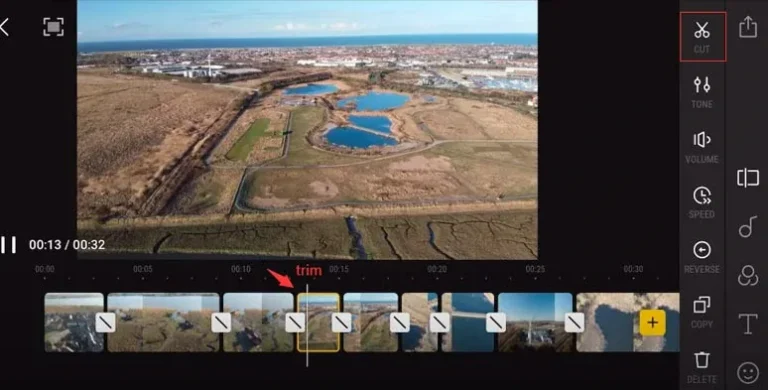
For drone videography, the process involves assembling raw footage into a cohesive story. Video editing software such as Adobe Premiere Pro, Final Cut Pro, or DaVinci Resolve is used to cut clips, add transitions, incorporate music, and apply color grading. Stabilizing shaky footage and syncing audio are also common tasks in video editing, ensuring a polished final product.
Editing Drone Photos: Bringing Out the Best
Editing drone photos is where you can truly make your aerial shots shine. You'll want to start with a RAW file if possible, as it contains more image data than a JPEG. Basic adjustments include correcting white balance to ensure accurate colors, tweaking exposure to bring out detail in highlights and shadows, and adjusting contrast for a more dynamic look.
Sharpening can enhance details, but be careful not to overdo it, which can create a harsh, artificial look. Many photographers also use local adjustments to enhance specific areas of the image, like brightening a subject or darkening a background.
Editing Drone Videos: Crafting a Narrative
Editing drone video is like painting with motion. The first step is often organizing your clips and selecting the best takes. Then, you'll focus on pacing, cutting between shots to create a rhythm that matches your story or subject.
Color correction and grading are essential for establishing a consistent mood and visual style. Stabilization software can often salvage slightly shaky footage, making it much more watchable. Finally, adding music, sound effects, and any voiceovers completes the video, turning raw aerial footage into a compelling piece.