How Far Can a Drone Videographer Fly?
Image source: Bing (Web (fair-use with source credit))
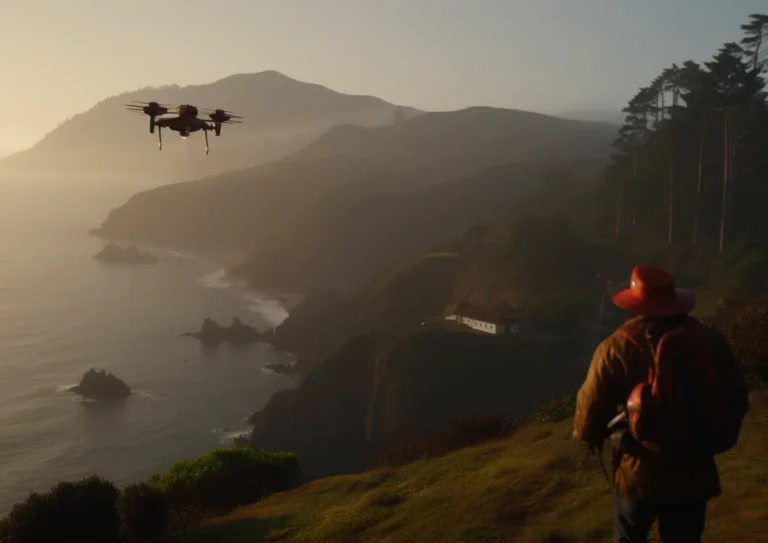
So, you're wondering about the limits of drone videography and how far those incredible aerial shots can actually be filmed from. It’s a question that pops up a lot, and the straightforward answer is: it’s not a single number, but a complex interplay of rules, technology, and practical considerations.
Think of it like asking how far a car can drive. The answer depends on the fuel, the terrain, and whether you're allowed on the road. For drones, the "rules of the sky" are just as crucial as the drone's own capabilities, with regulations like the FAA's Visual Line-of-Sight rule being a primary factor.
As of 2026, these regulations remain a core determinant of operational distance.
Quick Answer
A drone videographer's flight distance is primarily limited by FAA visual line-of-sight rules, typically keeping them within 0.5 to 3 miles. Battery life also restricts practical outbound flights to about 10-20 minutes, and signal strength can vary significantly. Actual range depends heavily on regulations, drone model, and environmental factors.
The "It Depends" Factor: What Truly Limits Drone Flight Distance
When we talk about how far a drone videographer can fly, we're not just looking at a spec sheet. Several layers of factors come into play, each significantly influencing the practical operational distance. It’s a combination of what the technology allows and what the law requires.
Rules of the Sky: FAA & Beyond
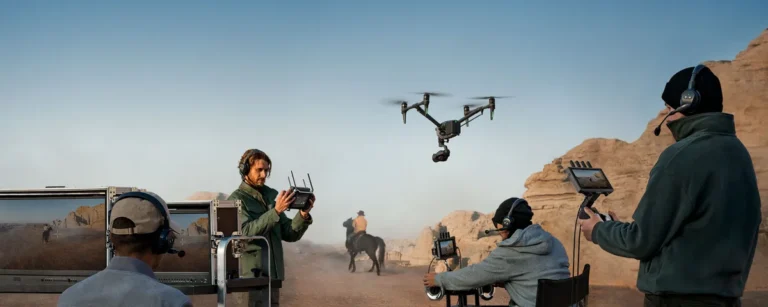
The biggest factor determining flight distance, especially for professional videography, is regulatory. In the United States, the Federal Aviation Administration (FAA) sets the main guidelines. The most impactful for videographers is the Visual Line-of-Sight (VLOS) rule.
This means the pilot must be able to see the drone with their own eyes at all times, without the aid of binoculars or screens, which drastically limits how far you can operate from your take-off point. Other airspace restrictions, like those around airports or temporary flight restrictions, can further shrink your potential flight area.
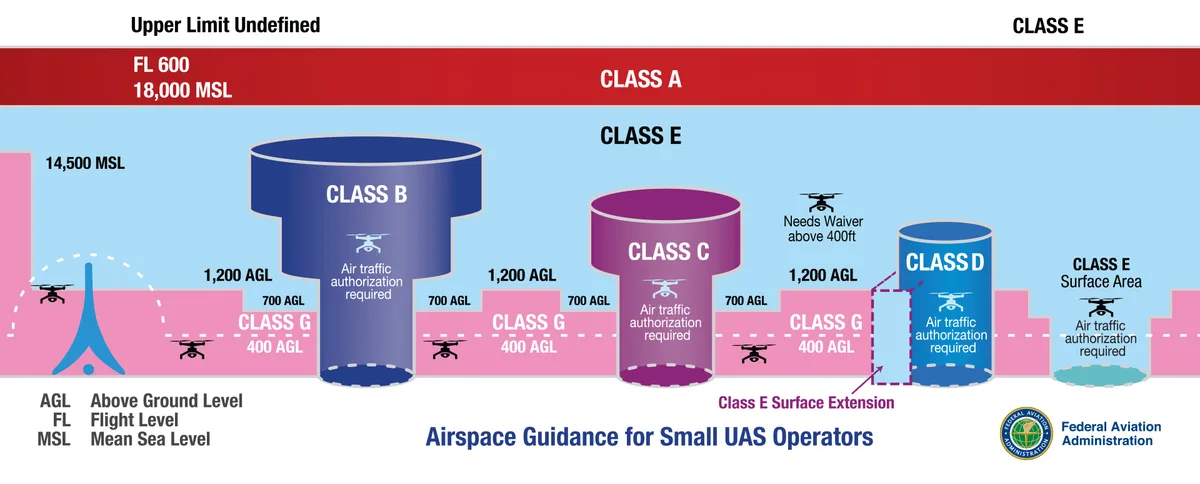
Image source: Bing (Web (fair-use with source credit))
Tech Limits: Signal, Battery, and Speed
Beyond regulations, the drone itself has built-in limitations. Signal strength, or radio link range, determines how far the controller can communicate with the drone. While manufacturers might advertise ranges of several miles, real-world conditions like buildings, terrain, and other radio interference often reduce this significantly.
Battery life is arguably the most critical practical limit. Most drones offer around 20-35 minutes of flight time per battery, and you must account for a safe return trip, meaning outbound flights are typically capped at 10-15 minutes. Drone speed also plays a role; faster drones can cover more ground within their battery and signal limits, but often at the cost of maneuverability needed for steady footage.
Understanding Drone Range: From Claims to Reality
Drone manufacturers often tout impressive maximum ranges, but understanding what these numbers mean in practice is key for any videographer. It's crucial to differentiate between theoretical maximums and what's achievable during a real-world filming operation.
Signal Strength: What Manufacturers Tell You
When a drone’s specifications mention a range of, say, 5 to 10 miles, this is usually based on ideal, unobstructed conditions. These figures represent the maximum distance at which the drone's radio control and video transmission systems can reliably communicate. Manufacturer tests are often conducted in open fields with minimal electromagnetic interference.
This "ideal scenario" range is a good indicator of the drone's technological capability but rarely reflects the actual usable range in diverse filming environments like cities or dense forests. Aggregate reviews often suggest actual reliable signal range is considerably less.
Battery Life: The Real Flight Time Bottleneck
Battery life is frequently the most significant limiting factor in a drone's operational distance. A drone with a 30-minute flight time can’t simply fly out for 30 minutes. You have to factor in safe return, potential emergency maneuvers, and the energy expenditure of flying against wind.
Therefore, a realistic outbound flight for filming might only be 10 to 15 minutes, depending on the drone's efficiency and prevailing conditions. This directly translates to a much shorter maximum distance from the pilot than the signal strength alone might suggest.
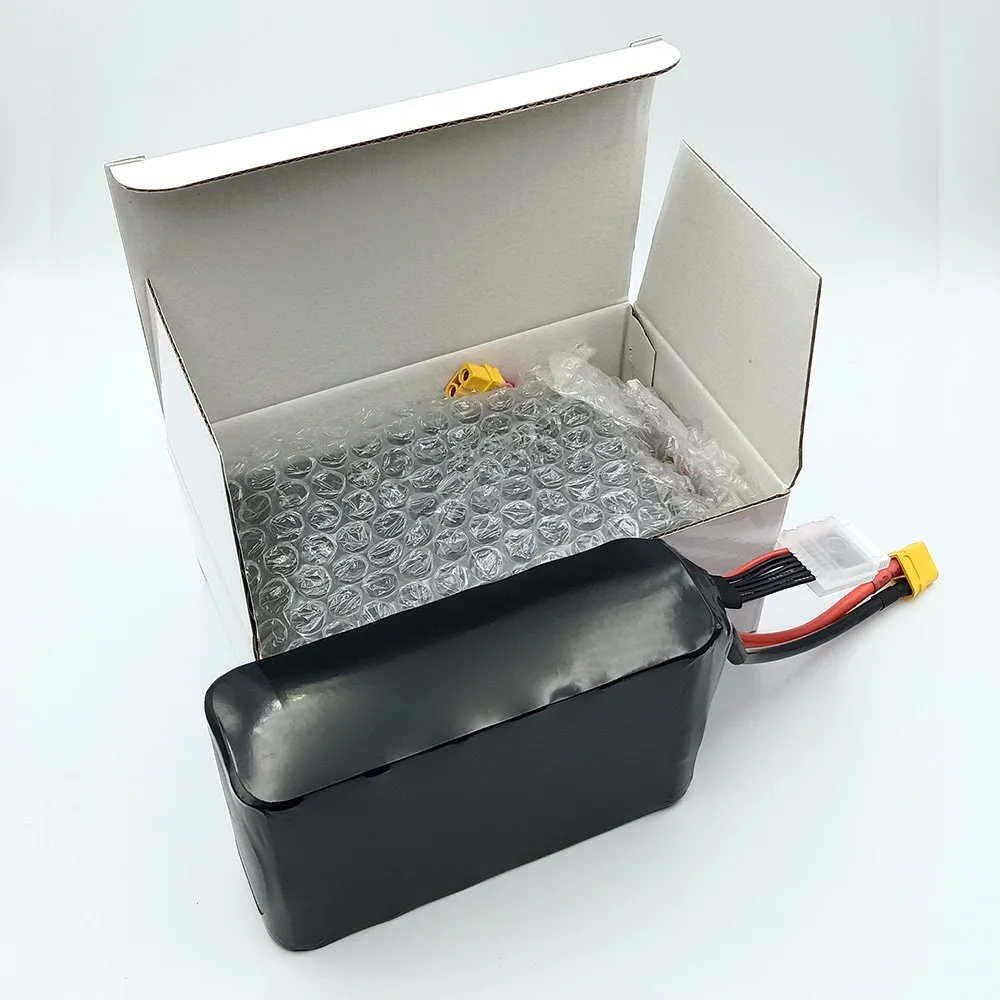
Image source: Bing (Web (fair-use with source credit))
Navigating Flight Distance: A Practical Decision Guide
Deciding how far you can safely and legally fly a drone for videography involves a series of checks and balances. It’s a workflow that prioritizes safety and compliance while maximizing your creative reach.
Step 1: Know Your Location & Airspace
Before even powering up, determine your exact filming location. Use drone-specific apps that show airspace restrictions, like nearby airports, altitude limits, and no-fly zones. Understanding these geographical and regulatory constraints is your first step.
For instance, flying within 5 miles of an airport requires specific authorization from air traffic control in many regions.
Step 2: Assess Your Drone's Capabilities
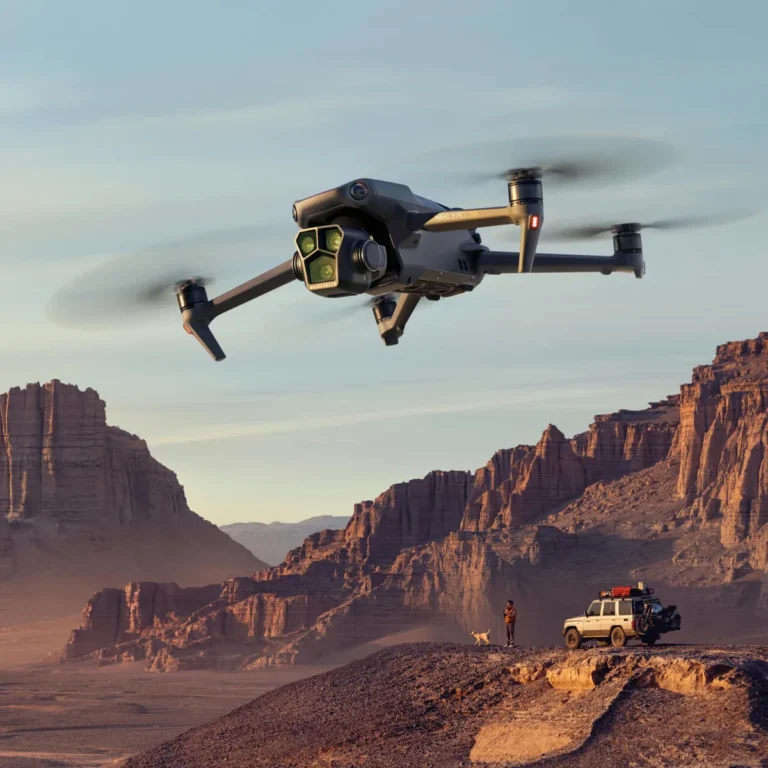
Next, consider the drone model you're using. Check its advertised maximum control range and video transmission range. Manufacturer specifications, like those for the DJI Mavic series, often indicate ranges up to 7-10 miles.
However, critically evaluate this against your drone's typical battery life. A drone with a 30-minute flight time will have a much shorter effective range when you account for the necessary return trip.
Step 3: Factor in Environmental Conditions
Weather and surroundings play a huge role. Flying into a headwind will drain the battery faster and reduce your effective range. Obstructions like buildings, trees, and hills can degrade the radio signal and video feed.
In urban environments, Wi-Fi and other radio signals can cause interference, cutting down the reliable communication distance. Always check the forecast and scout the area for potential signal blockers.
Step 4: Plan for Battery and Return
This is where the decision tree really comes into play. Based on your drone's battery life (e.g., 30 minutes) and the estimated flight time to your desired shooting location, calculate your safe outbound flight duration. A good rule of thumb is to allocate at least 30-50% of your total flight time for the return journey and unexpected delays.
If your drone has 30 minutes of flight time, plan your outbound journey to take no more than 10-12 minutes. This ensures you have ample power to return safely.
Common Drone Flight Distance Mistakes to Avoid
Many aspiring drone videographers run into issues by overlooking critical factors that limit their flight distance. One of the most common errors is relying solely on the manufacturer's advertised maximum range. This figure is almost always achieved under ideal conditions and doesn't account for real-world interference or battery limitations.
Another frequent mistake is not adequately planning for the return trip. Pilots sometimes push out as far as possible, only to find they don't have enough battery to safely return to their take-off point, leading to a crash or loss of the drone. Ignoring airspace restrictions, such as flying too close to airports or over prohibited areas, is also a significant error that can lead to hefty fines or legal trouble.
Lastly, failing to account for environmental factors like wind speed and direction can drastically reduce your effective range and flight time.
Real-World Flight Distances: What to Expect
In practical terms, what you see in professionally produced drone footage often involves more than just flying a drone out and back once. For many standard videography tasks under visual line-of-sight rules, the effective operational radius typically falls between 0.5 miles and 3 miles from the pilot. This range allows for stable footage acquisition of subjects like buildings, vehicles, or events while maintaining constant visual contact.
For sweeping landscape shots where the subject is a vast area, pilots might push closer to that 3-mile mark. However, achieving footage that appears to span many miles usually involves clever editing, potentially stitching together multiple shorter flights, or, in rare professional cases, obtaining special Beyond Visual Line-of-Sight (BVLOS) waivers from aviation authorities, which come with extensive safety protocols.
Frequently Asked Questions About Drone Flight Range
How far can a consumer drone fly?
Consumer drones typically have a maximum advertised range of 3 to 5 miles. However, due to battery life and real-world signal interference, their practical operational distance is usually much shorter, often under 1 mile for a safe outbound flight.
Can a drone fly 10 miles away?
While some high-end drones are advertised with ranges up to 10 miles, achieving this consistently is rare. You must consider battery life for the return journey and potential signal degradation from environmental factors and interference. Most videographers operate much closer for safety and legal reasons.
Is signal strength or battery life the main limitation for distance?
Battery life is generally the primary limiting factor for drone videographer distance. Even with a strong signal, you can only fly as far as your battery allows for a safe return trip, typically limiting outbound flights to about 10-20 minutes.
What is the legal maximum distance for a drone pilot?
Legally, in the US, the primary limit is Visual Line-of-Sight (VLOS). This means you must be able to see your drone with your own eyes, which practically restricts most flights to well under 3 miles. Beyond Visual Line-of-Sight (BVLOS) operations require specific FAA waivers.
Does flying higher increase drone range?
While flying higher can sometimes improve line-of-sight for radio signals by getting over minor obstructions, it doesn't inherently increase the drone's maximum signal or battery range. In fact, flying higher can increase wind resistance and battery drain, potentially decreasing effective distance.