Do Drone Videographers Charge by the Day?
You're looking to hire a drone videographer and wondering, "Do drone videographers charge by the day?" It's a common question, and the answer isn't as simple as a flat rate. While a day rate might be part of the conversation, it's rarely the whole story for professional drone services.
Our research shows that most experienced drone videographers structure their pricing based on the project's scope, complexity, and deliverables, rather than just the hours or days spent on-site. Factors like flight time, editing required, and licensing can significantly influence the final cost.
Quick Answer
Drone videographers typically don't charge solely by the day. While day rates can exist, most professional services quote based on the entire project scope. This includes factors like flight time, editing, complexity, and deliverables.
Expect customized quotes rather than a single daily fee.
The "Day Rate" Myth: What You're Actually Paying For
That notion of a flat "day rate" for drone videographers is more of a starting point than a final figure. Think of it like hiring a general contractor for a home renovation; they might give you a daily rate, but the real cost comes from the specific work involved. For drone services, a "day rate" usually implies a block of time allocated for filming, but it often comes with caveats and doesn't fully cover the entire service package.
Aggregate user reviews and industry discussions show that experienced operators bundle various elements into their quotes. This includes the pilot's time, the drone and equipment usage, insurance, and often a baseline amount of editing. If you need extensive post-production, specific licensing, or multiple revisions, those add-ons will almost always be separate from a basic day rate.
It's a bit like buying a car; the base price is one thing, but the premium features, paint job, and extended warranty add up.
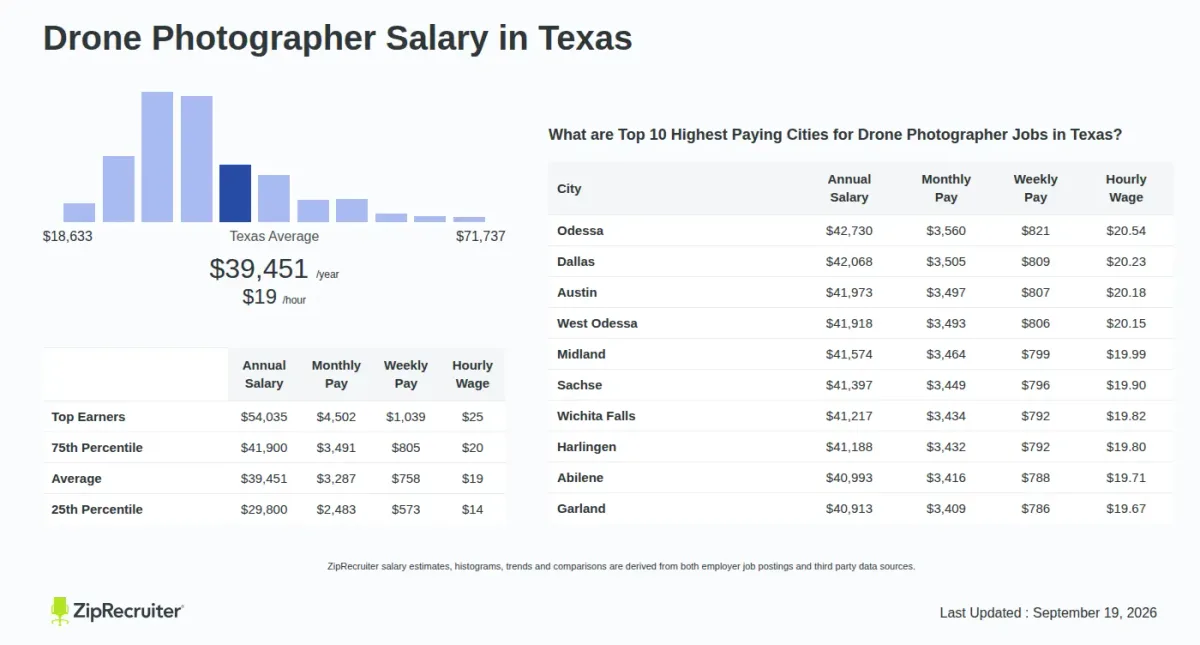
Image source: Bing (Web (fair-use with source credit))
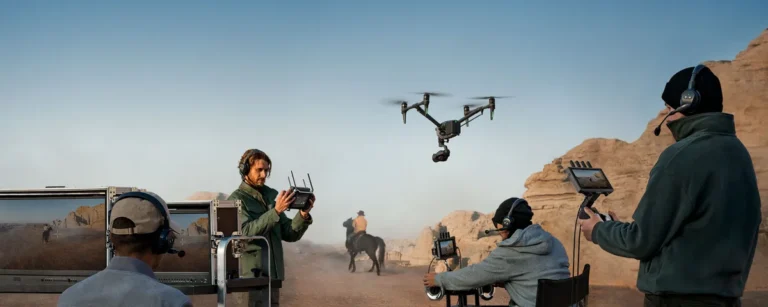
For example, a full day of drone filming for a movie set might include complex camera movements, multiple battery swaps, and tight coordination with ground crews. This is vastly different from a single hour of capturing aerial shots of a real estate property. The actual value delivered in the first scenario is much higher, and the pricing will reflect that.
So, while "day rate" is a term you'll hear, understanding what it truly encompasses is key to avoiding surprises.
Beyond the Hourly & Daily: Understanding Project-Based Quotes
This is where most professional drone videographers excel: project-based quotes. Instead of simply billing by the clock or the calendar day, they break down the entire job from start to finish. This method is much more transparent and fair for both the client and the service provider.
It ensures that you're paying for the final deliverable and the specific services required to achieve it, not just the time someone is physically present.
When you request a quote, you'll typically get a detailed breakdown. This might include line items for pre-production planning, pilot fees, drone operation time, post-production editing, color correction, and the final delivery of assets. This granular approach allows for a more accurate assessment of the total effort involved.
For instance, a project requiring multiple flight locations across a single day will be priced differently than one focused on a single, contained site.
This system also helps manage expectations. If a project requires significant editing to stitch together multiple flight sessions or to create complex visual effects, that effort is clearly outlined. This way, you understand that the cost isn't just for the hours the drone was in the air, but for the entire creative and technical process that results in your finished video.
It’s about valuing the expertise and the final product, not just the minutes on a clock.
What Goes Into a Drone Videography Quote?
So, what exactly are drone videographers considering when they put together a quote for you? It’s a comprehensive checklist that goes far beyond just showing up with a drone. Think of it like a chef creating a signature dish; they consider every ingredient, preparation step, and presentation detail.
Here’s a breakdown of common elements that form a professional drone videography quote:
- Pre-Production & Planning: This is often overlooked but critical. It includes initial consultations, location scouting, risk assessments, obtaining necessary airspace authorizations, and developing a shot list. A complex shoot location might require more extensive planning.
- Pilot & Crew Fees: This covers the certified drone pilot's time and any additional crew members needed, such as camera operators or assistants. Rates are often based on experience and certifications.
- Drone & Equipment Usage: This accounts for the use of the drone itself, batteries, cameras, gimbals, lenses, and any specialized gear required for the shoot. The type of drone and its capabilities play a role.
- Flight Time: While not the only factor, actual flight time is considered. This is often limited by battery life, typically ranging from 15 to 30 minutes per flight for most professional drones before a battery swap or recharge is needed.
- Post-Production: This is a huge component. It involves editing raw footage, color grading, adding music and sound effects, and incorporating any graphics or titles. The amount of editing needed directly impacts the time and cost.
- Deliverables: What exactly will you receive? This could be raw footage, edited highlight reels, specific drone shots for a larger project, or high-resolution stills. The format and quantity of final assets matter.
- Travel & Logistics: If the shoot location is far from the videographer's base, travel time, accommodation, and per diem expenses will be factored in.
- Insurance: Professional drone operators carry liability insurance, which is a cost that gets passed on to clients to ensure protection.
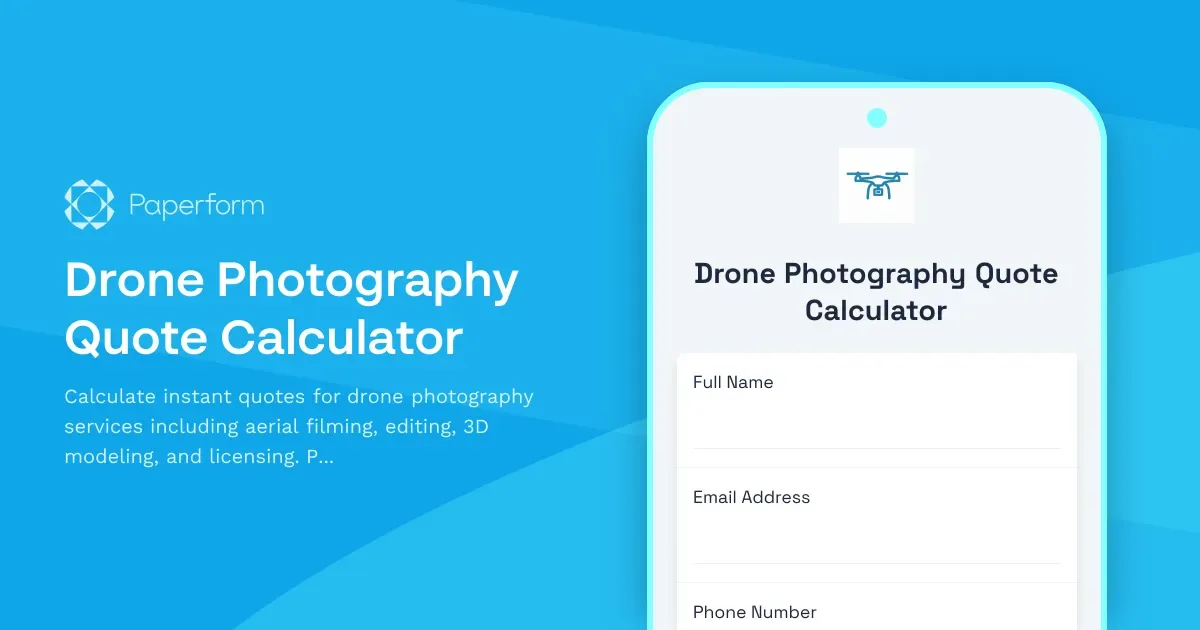
Image source: Bing (Web (fair-use with source credit))
These elements combine to form a unique price for each project, ensuring you pay for the value and effort specific to your needs.
Real-World Examples: How Different Projects Get Priced
To really see how drone videography pricing works in practice, let's look at a few common scenarios. These examples illustrate how the complexity and requirements of different projects lead to varied quotes, moving beyond a simple "day rate" concept.
Scenario 1: Real Estate Marketing Video
- Client Need: A single, high-quality aerial video tour of a luxury property for online listings.
- Project Scope:
- Pre-production: 1-2 hours consultation and online property review.
- On-site: 2-3 hours for filming, covering exterior shots, property overview, and surrounding amenities. Requires 2-3 battery cycles.
- Post-production: 4-6 hours editing to create a 1-2 minute polished video with background music.
- Pricing Structure: Likely a project-based fee ranging from $750 to $2,500, depending on the videographer's experience, equipment, and geographic location. A "half-day" could be quoted, but it’s tied to delivering a finished video.
Scenario 2: Construction Progress Monitoring
- Client Need: Weekly aerial progress reports for a large commercial construction site.
- Project Scope:
- Pre-production: Initial site assessment and safety briefing.
- On-site: 1-2 hours per week for flights, capturing specific angles and areas for progress tracking. Focus is on data capture, not necessarily cinematic flair. Might involve 2-4 flights per session.
- Post-production: 1-2 hours per week to process footage, create annotated stills, and compile a brief report or video summary.
- Pricing Structure: Often a monthly retainer or a per-session fee, perhaps $500-$1,500 per week. This covers recurring services and consistent data delivery, offering better value for ongoing needs.
Scenario 3: Independent Film or Commercial Shoot
- Client Need: Specific cinematic aerial shots for a short film or a commercial advertisement.
- Project Scope:
- Pre-production: Extensive planning, location scouting, storyboarding, and coordination with the film crew. May require multiple days of planning.
- On-site: Potentially a full day (or more) of shooting, involving complex camera movements, multiple takes, and strict adherence to a directorial vision. Might require a larger crew and specialized drone setups.
- Post-production: Significant editing time, color grading to match the film's aesthetic, potentially visual effects integration. Could be 20+ hours of work.
- Pricing Structure: Highly variable, often quoted as a daily rate ($1,500, $5,000+ per day for pilot and basic drone) plus substantial post-production fees. Project fees could range from $5,000 to $20,000+ depending on the scale. This is where "day rate" might be the most visible component, but it's just one part of a much larger cost.
These examples show that a "day" for one type of shoot might involve less work than a "half-day" for another, highlighting why project-based pricing is standard.
Navigating Quotes: Key Questions to Ask Your Videographer
When you're reviewing quotes from drone videographers, it's essential to ask the right questions to ensure you understand exactly what you're paying for and what you'll receive. A good videographer will be happy to clarify these points, as it helps build trust and prevent misunderstandings. Don't be shy about digging into the details!
Here are some crucial questions to ask:
- What is included in your base quote? Specifically ask if it covers pre-production, travel, actual flight time, and a standard amount of editing.
- How is "flight time" calculated? Is it per battery use, or the total time the drone is airborne over the entire project? Most will consider the entire duration of your allotted time.
- What is your hourly rate for editing or additional shooting time? If your project runs long or requires extra edits, knowing this upfront is vital.
- Are there extra charges for revisions? Most professionals include a certain number of revisions, but understand the limit before you incur additional costs.
- What are your policies on weather delays or cancellations? How will rescheduling be handled, and are there any fees associated with unexpected changes due to weather?
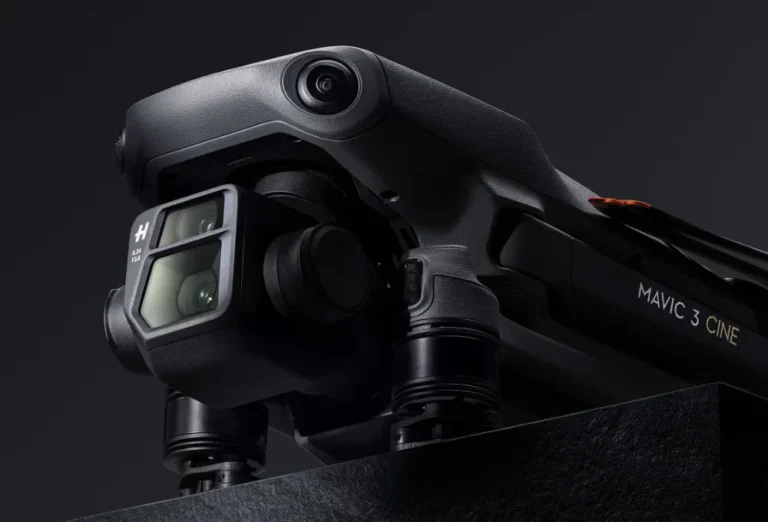
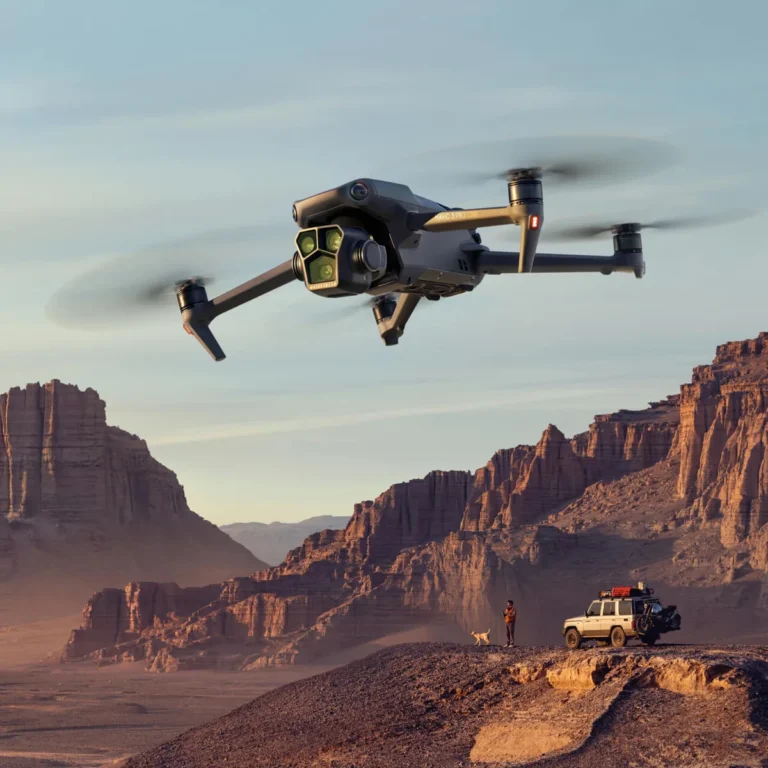
- What type of drone and camera equipment will be used? This can affect the quality and style of footage you receive. For example, DJI Inspire or Mavic 3 Pro are common.
- What are the licensing terms for the footage? Can you use it for any purpose, or are there restrictions on commercial use, broadcast, or duration? Understand the usage rights.
- What is the typical turnaround time for editing and final delivery? This helps you plan your own timelines.
- What insurance coverage do you carry? This is crucial for peace of mind, ensuring you're protected against accidents. Professional operators should have liability insurance.
Asking these questions upfront can save you a lot of potential headaches and unexpected costs down the line. It also helps you compare quotes more effectively, ensuring you're comparing apples to apples.