Can Drones Record Video at Night?
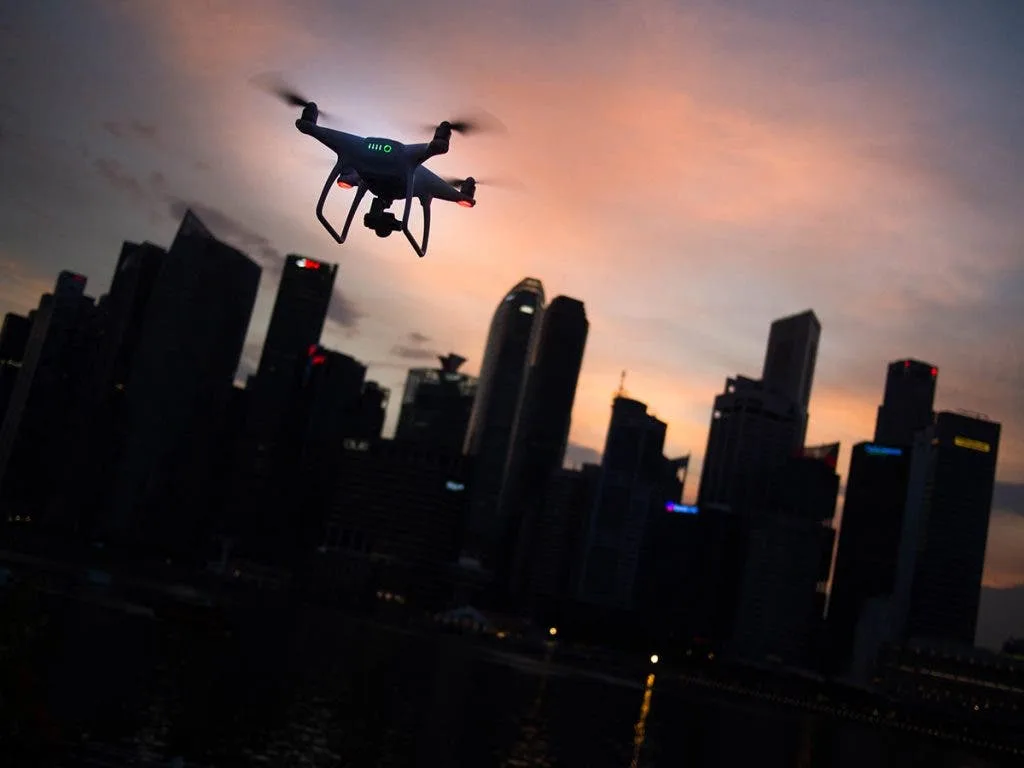
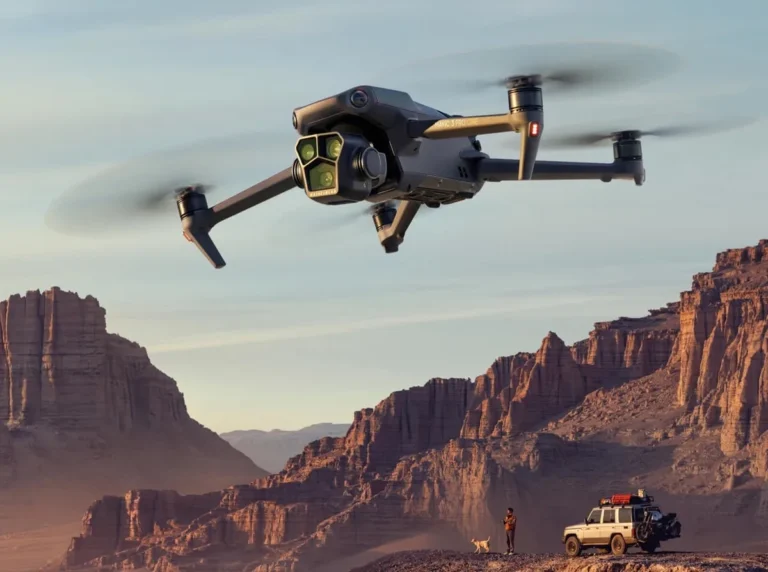
Image source: Bing (Web (fair-use with source credit))
So, you're wondering if drones can record video at night. It's a common question for anyone interested in aerial footage beyond daylight hours, and the answer is definitely yes, but with important caveats. What works for a dimly lit evening shoot is very different from what you'd need for true darkness.
We've dug into what makes night recording possible, looking at camera technology and real-world capabilities. As of 2026, the technology has advanced significantly, but not all drones are created equal in this regard. Let’s break down how you can get your drone to see in the dark.
Quick Answer
Yes, many drones can record video at night using specialized cameras. Good low-light performance captures dim visible light. Infrared (IR) and thermal cameras detect heat, not visible light.
Your drone’s capability depends on its camera tech and target use.
How Drones Actually See in the Dark
When we talk about drones seeing in the dark, it’s really about how their cameras handle low light or detect heat signatures. Standard cameras, like the one on your smartphone, rely heavily on visible light to create an image. If there isn't enough of it, the picture gets noisy, dark, and pretty much useless.
Drones designed for night operations use advanced techniques to overcome this.
Low-Light vs. Infrared vs. Thermal
There are three main ways drones achieve night vision capabilities. Each has its strengths and weaknesses, making them suitable for different tasks.
Low-Light Performance: This refers to a drone's camera being exceptionally good at capturing what little visible light is available. These cameras typically feature larger sensors (like 1-inch or bigger) and wider apertures (lower f-numbers, such as f/2.8) which allow more light to enter the lens. They can produce usable, though sometimes grainy, footage in conditions like dusk, dawn, or areas with ambient light like street lamps. The resulting image still looks like a visible-light photograph or video, just darker and potentially with more digital noise.
Infrared (IR) Cameras: These cameras detect heat emitted by objects and convert it into a visible, monochromatic image. Think of it as seeing the heat trail left by a moving person or a warm engine. The footage often appears black and white, with hotter objects showing up as brighter areas. It's not about seeing fine facial details but rather about detecting the presence and movement of heat sources.
Thermal Imaging Cameras: This is a more sophisticated form of IR detection. Thermal cameras measure temperature differences and represent them using a color palette. Hotter objects might appear red or yellow, while cooler objects appear blue or purple. This creates a heat map rather than a traditional visual image. Thermal cameras are invaluable for spotting people, animals, or potential hazards like smoldering fires that would be invisible to the naked eye or standard cameras.
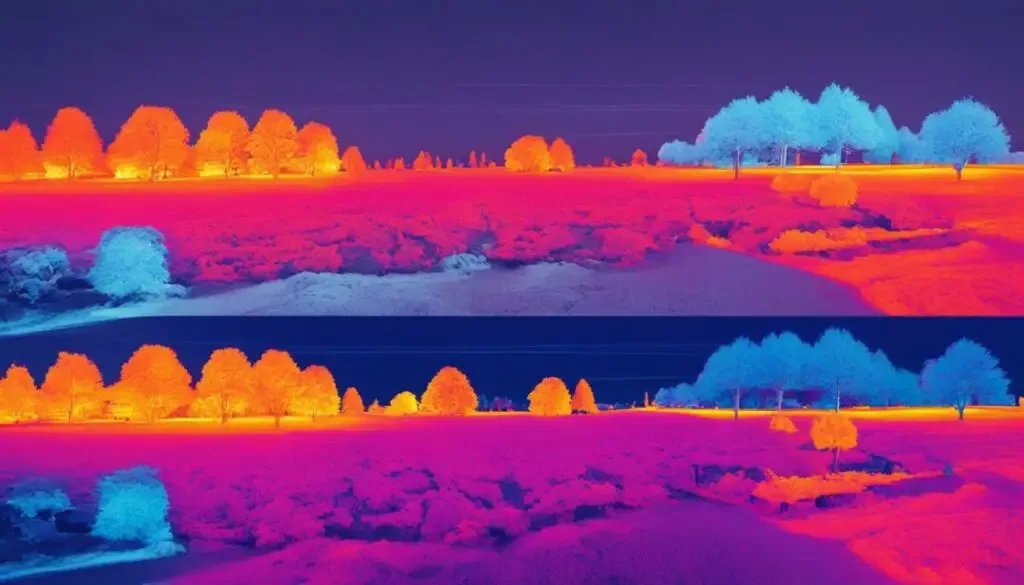
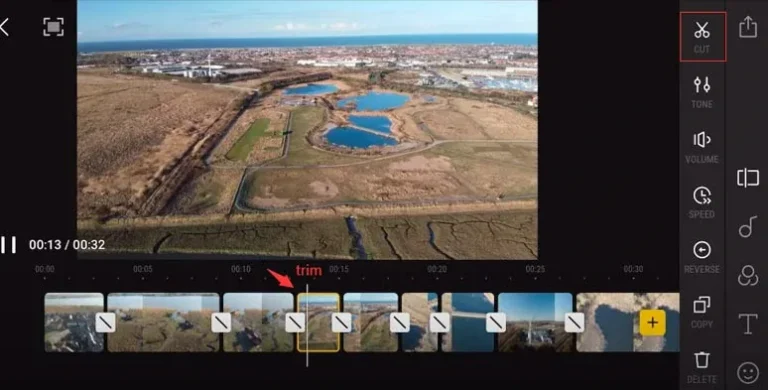
Image source: Bing (Web (fair-use with source credit))
Choosing the Right Drone for Night Recording
Deciding if a drone can record at night isn't a simple yes or no; it’s about matching the drone’s capabilities to your specific needs. If you're looking to capture atmospheric shots during twilight, a drone with excellent low-light performance might suffice. However, if your goal is to actively search for something or monitor a dark environment where visible light is absent, you'll need a drone equipped with infrared or thermal imaging.
Understanding your primary use case is the first step. Are you documenting an event that stretches into the evening, or are you performing a critical search and rescue operation where spotting heat signatures is paramount? The technology required varies significantly.
For instance, a drone with a 1-inch sensor and a fast aperture lens is designed to gather more visible light, resulting in clearer images in dim conditions. In contrast, a thermal drone measures temperature variations, offering a completely different kind of visual data.
Manufacturer specifications are key here. Look for details on sensor size, aperture, and any mention of "low-light" or specific camera types like "thermal" or "IR." For example, some professional-grade drones can achieve ISO sensitivities of 6400 or higher, which is a strong indicator of good low-light performance. Always cross-reference these specs with actual user reviews and test footage if available to get a realistic expectation of performance in real-world dark conditions.
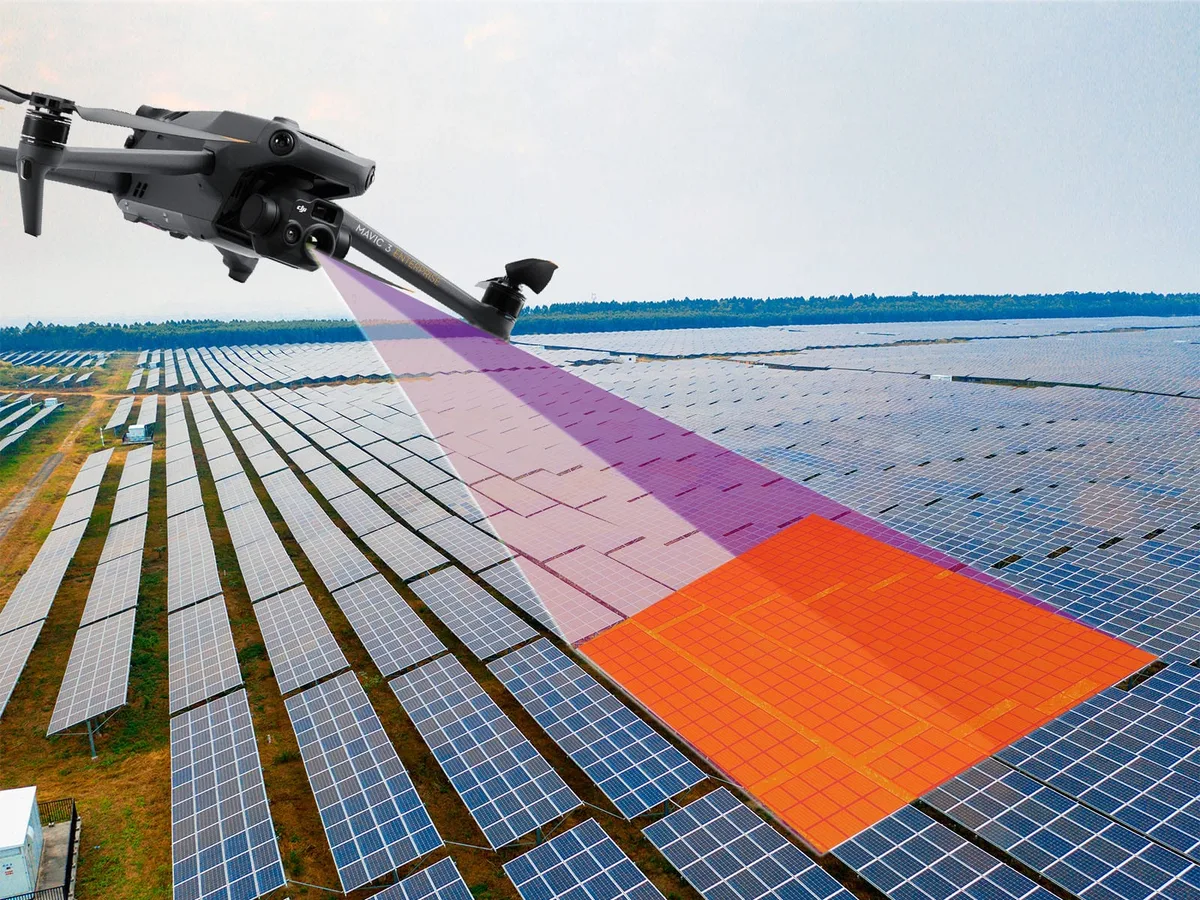
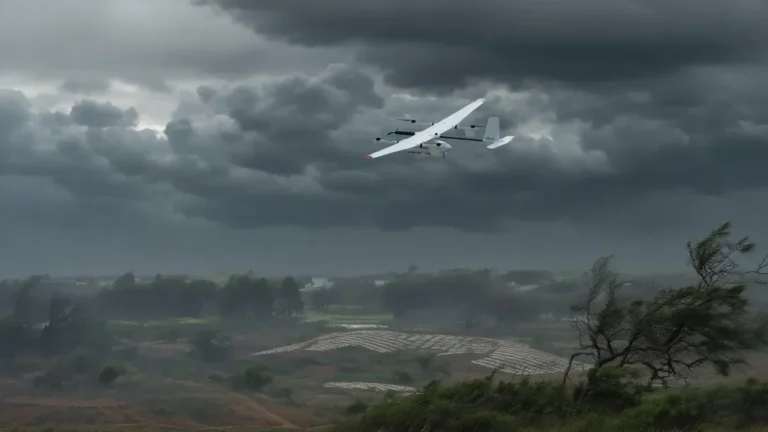
Image source: Bing (Web (fair-use with source credit)).
When Different Technologies Shine (Use Cases)
The choice between low-light, infrared, and thermal imaging boils down to what you need to see. Each technology excels in specific scenarios, making them invaluable tools for different purposes. Knowing these applications helps you select the right drone or camera system for your mission.
Low-Light Cameras: These are best for capturing atmospheric or artistic footage when there's some light available.
- Evening Event Filming: Recording a wedding reception outdoors after sunset, a concert, or a festival. You'll still see recognizable people and environments, just with a darker, moodier feel.
- Dusk/Twilight Aerial Shots: Capturing scenic landscapes as the sun goes down or cityscapes with lights beginning to turn on.
- Basic Property Surveillance: Monitoring a well-lit yard or perimeter where ambient light is sufficient to make out general shapes.
Infrared (IR) Cameras: Ideal for detecting heat sources, making them useful for tracking and identification in the dark.
- Animal Tracking: Following nocturnal animals by their body heat in wildlife studies or conservation efforts.
- Search and Rescue (SAR): Locating missing persons in outdoor environments at night, especially if they are moving and generating body heat.
- Basic Equipment Monitoring: Identifying machinery that is running and generating heat, potentially indicating a fault or operational status.
Thermal Imaging Cameras: The most advanced for temperature detection, offering detailed heat maps.
- Advanced Search and Rescue: Detecting body heat in challenging conditions like dense foliage or water, where IR might be less effective.
- Firefighting Support: Identifying hotspots, smoldering areas, or the extent of a fire from a safe distance.
- Building Inspection: Finding heat loss through insulation in walls and roofs, or identifying electrical faults that generate excess heat.
- Industrial Inspection: Detecting overheating components in power lines, machinery, or solar panels.
When Night Recording Isn't Enough (Limitations & Risks)
While drones offer incredible capabilities for night operations, it's crucial to understand their limitations and the potential risks involved. Relying solely on a drone's night vision without awareness of these factors can lead to mission failure or dangerous situations.
Limited Detail in Thermal/IR: Thermal and IR cameras excel at showing heat signatures, but they don't provide the visual detail of a daylight camera. You might see a heat blob that indicates a person, but you won't be able to identify their face or clothing clearly. This can be a significant limitation in identification scenarios.
Environmental Interference: Certain conditions can affect thermal and IR performance. Heavy rain, fog, or even strong winds can obscure heat signatures or cause interference. Snow can also mask the heat of a person against a cold background. Water and dense foliage can absorb or block heat signals, making detection harder.
Battery Life: Night operations, especially in cold temperatures, can drain drone batteries faster. Extended flight times are critical for SAR or surveillance, so battery management becomes even more important when operating in the dark.
Regulatory Restrictions: Many aviation authorities have specific rules for flying drones at night. These often include requirements for anti-collision lighting, pilot certification, and limitations on flying beyond the visual line of sight (BVLOS). You must be aware of and comply with local regulations before any night flight. For example, under FAA regulations in the United States, pilots must complete specific training or pass an updated knowledge test to operate drones at night.
Complexity of Operation: Flying and interpreting footage from night-capable drones can be more complex than standard daytime flights. Pilots need training to understand thermal or IR imagery and to navigate safely in reduced visibility conditions.
Common Mistakes When Filming Drones at Night
Even with the right gear, a few common errors can turn a promising night flight into a frustrating experience. Being aware of these pitfalls can help you avoid them and ensure smoother, more successful aerial operations after dark.
Assuming "Night Vision" Means Perfect Clarity: Many people think "night vision" means seeing in pitch black like it's daytime. This isn't true for most consumer drones. Low-light cameras still need some ambient light, and thermal/IR offers heat data, not visual detail. Expecting perfect daylight-level clarity will lead to disappointment.
Ignoring Local Night Flying Regulations: This is a big one. Not checking or following rules set by aviation authorities (like the FAA or EASA) can result in fines or revoked flying privileges. Many jurisdictions require specific lighting on the drone, registration, and sometimes even additional pilot certifications for night operations.
Over-Reliance on Digital Zoom: Digital zoom crops and enlarges existing pixels, which severely degrades image quality, especially in low-light conditions where there's already less detail. Always opt for optical zoom if available, or physically move the drone closer to your subject instead of relying on digital enhancement for clarity.
Poor Battery Management: Cold weather exacerbates battery drain. Flying for extended periods at night without accounting for this can lead to a premature return-to-home or, worse, a crash. Pre-flight battery checks and having spares are crucial.
Not Practicing with the Camera: Different night vision modes (low-light, IR, thermal) require different settings and interpretation. Flying for the first time at night during a critical mission is a recipe for disaster. Practice during daylight and in controlled low-light conditions to understand the camera’s behavior and limitations.
Expert Tips for Better Night Drone Footage
Getting quality footage at night requires a few smart strategies beyond just having the right equipment. Even with advanced cameras, understanding how to optimize settings and flight patterns makes a huge difference. Think about how a photographer adjusts their camera for a dimly lit concert, it's about more than just the camera itself.
Here are some expert-recommended tips to improve your night drone video:
- Use Manual Camera Settings: Auto settings often struggle in low light. Take control of ISO, shutter speed, and aperture. Higher ISO can introduce noise, so find a balance. A slower shutter speed captures more light but risks motion blur; a faster one freezes action but needs more light. Experiment to find what works for your specific drone and conditions.
- Shoot in RAW or Log Format: If your drone’s camera supports it, shooting in RAW photo format or a Log video profile gives you much more flexibility in post-production. These formats capture a wider dynamic range and more color information, allowing you to pull out details in shadows and highlights that would be lost in standard formats.
- Minimize Drone Movement: Reducing jerky movements helps reduce motion blur in your footage, especially with slower shutter speeds. Smooth, deliberate flight paths are key. Consider using a gimbal to stabilize the camera, and practice smooth control inputs.
- Leverage Ambient Light: Even minimal light sources like streetlights, moonlight, or distant buildings can significantly improve footage captured by low-light cameras. Position yourself to take advantage of these. For thermal, ambient temperature differences are what matter, not light.
- Consider External Lighting: For specific applications, such as detailed inspections or ground operations where visibility is critical, using external drone-mounted lights or ground-based lighting can be beneficial. However, always be aware of local regulations regarding drone lighting.
Frequently Asked Questions About Night Drone Video
Can any drone record video at night?
No, not all drones can effectively record video at night. Basic consumer drones with simple cameras will struggle in low light. Only drones equipped with specialized low-light, infrared (IR), or thermal imaging cameras are capable of producing usable night footage.
What’s the difference between IR and thermal cameras on drones?
IR cameras detect heat signatures and typically show them in black and white, making them good for tracking movement. Thermal imaging cameras measure temperature differences and display them as a color palette, creating a heat map that is better for identifying temperature variations and anomalies.
Are there special rules for flying drones at night?
Yes, most aviation authorities have specific regulations for night drone operations. These often include requirements for anti-collision lighting on the drone and may necessitate additional pilot training or certification. Always check your local regulations before flying at night.
How do I interpret thermal imaging footage?
Thermal footage displays heat as colors, not as a visual scene. Hotter objects appear brighter or in warmer colors (reds, oranges), while cooler objects appear darker or in cooler colors (blues, purples). You need to understand the temperature differences being represented to interpret what you're seeing, which requires practice.
Will my drone's battery last as long at night?
Battery life can be reduced at night, especially in cold temperatures. The drone's motors and onboard systems consume power, and cold weather diminishes battery efficiency. Plan for shorter flight times and bring spare batteries if performing extended night operations.
Deciding If Night Recording is Right For Your Drone Needs
Ultimately, whether you need a drone capable of night recording depends entirely on your intended use. If your aerial photography or videography primarily happens during daylight hours, investing in a drone with advanced night vision might be overkill and an unnecessary expense. Many excellent drones offer superb daytime performance without specialized night capabilities.
However, if your work or hobby involves operating in low-light or complete darkness, then exploring drones with robust low-light cameras, IR, or thermal imaging is essential. For professional applications like security, search and rescue, or industrial inspections, these capabilities are not just beneficial but often critical for mission success. The decision hinges on a clear understanding of your operational requirements and the specific challenges presented by dark environments.
Consider the trade-offs: thermal and IR cameras offer unparalleled detection in darkness but lack the visual detail of standard cameras. High-end low-light cameras can produce impressive results in twilight but will still be limited by the absence of light. By carefully evaluating your needs against the capabilities and costs of different drone technologies, you can make an informed choice that best suits your specific aerial imaging goals.