How Long Does a Drone Video Shoot Take?
Figuring out how long a drone video shoot will take isn't as simple as checking your watch. Many factors beyond just flight time influence the overall duration, from meticulous planning to unexpected weather. You're not just paying for the hours the drone is in the air, but for the entire process that ensures safe, effective, and high-quality aerial footage.
In our research, many shoots extend beyond initial expectations due to pre-production needs and post-production editing. For example, obtaining proper airspace authorization from the Federal Aviation Administration (FAA) can sometimes add significant lead time before any flight can even begin. Let’s break down what really goes into the timeline.
Quick Answer
A drone video shoot typically takes between 2 hours and 2 full days. This includes planning, travel, setup, flying, and data download. Actual flight time is usually under an hour per battery.
Complex projects require more prep and editing. Weather and client revisions often extend the schedule.
Beyond the Clock: What Actually Dictates Drone Shoot Time
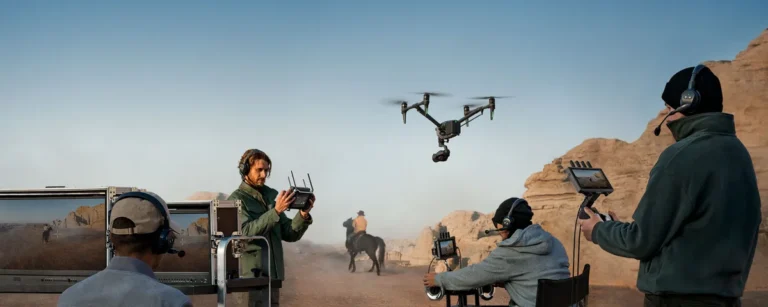
The perceived length of a drone video shoot can be misleading. While the actual time spent flying the drone might be just an hour or two, that's only a small piece of the puzzle. Think of it like a film production; the director and crew spend far more time prepping, staging, and editing than they do capturing each individual shot.
For drone work, this includes everything from initial client consultations to the final video export.
Several key elements constantly influence the duration of any aerial videography project:
- Project Scope: A simple real estate walkthrough takes far less time than a multi-day commercial shoot.
- Location Complexity: Urban environments with air traffic and buildings require more careful planning than open fields.
- Shot List Detail: A precise, well-defined shot list speeds things up. Vague ideas lead to more experimentation and time.
- Weather Conditions: Wind, rain, or even fog can cause significant delays or cancellations.
- Team Experience: A seasoned drone pilot and camera operator can work more efficiently.
- Client Availability: Coordinating schedules for approvals or specific shots can impact timing.
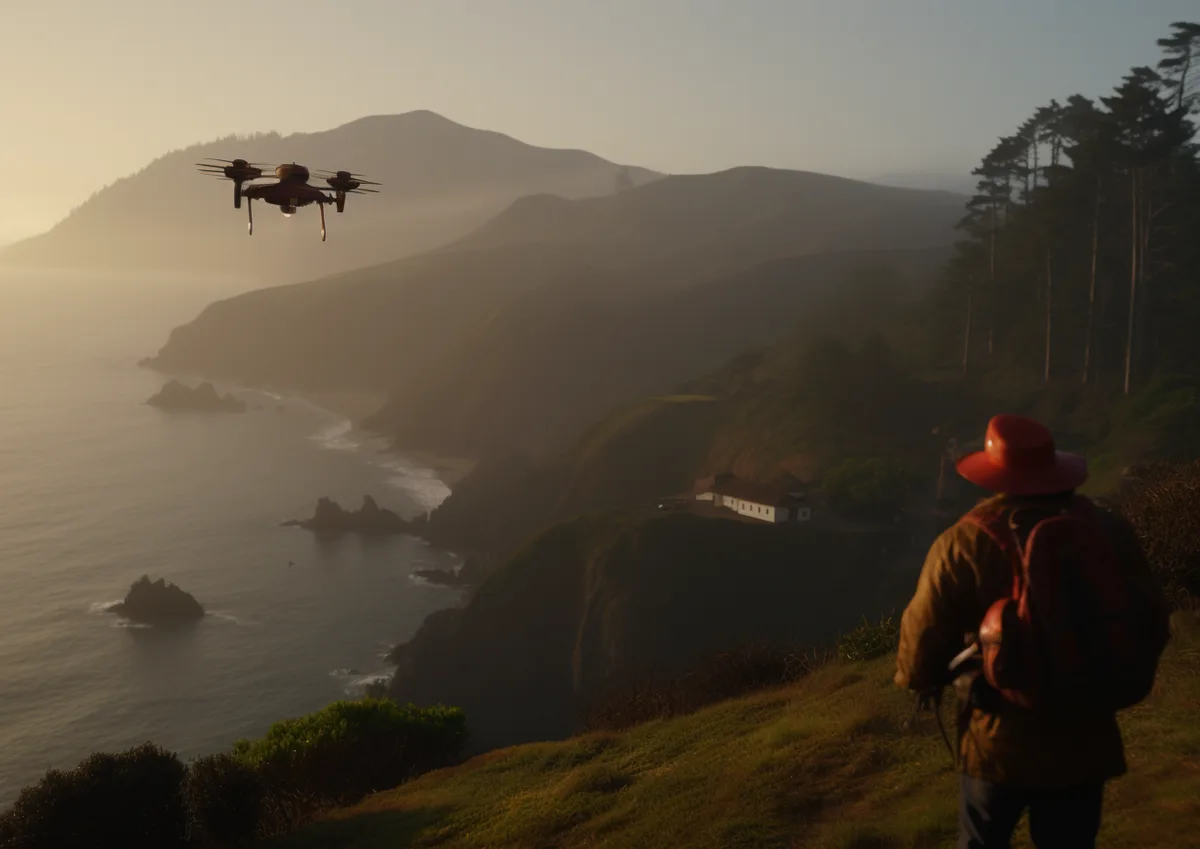
Image source: Bing (Web (fair-use with source credit))
Planning & Prep: The Hours That Aren't Flying
This is where the bulk of the work often happens, and it's critical for a successful shoot. Rushing through planning is a fast track to problems, wasted time, and subpar footage. The Federal Aviation Administration (FAA) mandates specific pre-flight checks and authorizations, especially in controlled airspace, which add to this phase.
Site Surveys and Shot Lists
Before the drone even leaves the bag, a drone pilot needs to understand the location. This often involves an on-site visit or a thorough review of satellite imagery and site maps. The goal is to identify potential hazards like trees, power lines, buildings, and other structures that could interfere with flight or the desired camera angles.
Following the site survey, a detailed shot list is developed. This document outlines every specific shot needed, including camera angle, altitude, movement, and duration. A well-crafted shot list prevents indecision on the ground and keeps the flight time focused on capturing the exact footage required.
Weather Checks and Permitting
Weather is arguably the biggest uncontrollable variable. Drones have limits on wind speed and resistance to precipitation. Many professional drone operations won't fly if sustained winds exceed 15-20 mph or if there's rain.
This means that what might have been a one-day shoot can easily stretch into two or more days waiting for clear conditions.
Beyond weather, legal and logistical permissions are paramount. In the US, flying in controlled airspace requires authorization from the FAA, often obtained through systems like LAANC (Low Altitude Authorization and Notification Capability). This process can take anywhere from minutes to days, depending on the location and the complexity of airspace.
Permits for flying over private property or at specific events also need to be secured in advance.
Drone Setup and Battery Management
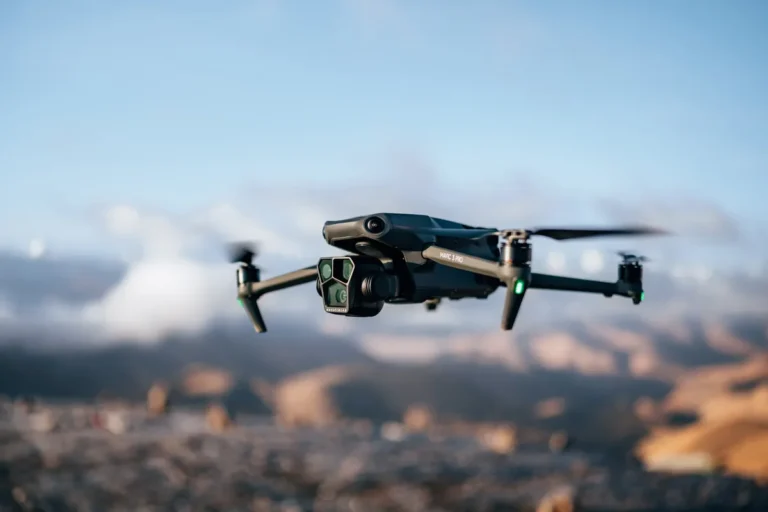
Even before heading to the location, the drone itself needs preparation. This includes ensuring batteries are fully charged, firmware is up-to-date, and all safety checks are completed. Manufacturer specifications for popular drones like the DJI Mavic series indicate flight times around 30-40 minutes per battery, but this is under ideal, windless conditions.
For a typical shoot, a pilot will bring multiple fully charged batteries. The process of swapping out batteries, recalibrating the drone and controller (which takes a few minutes each time), and ensuring the memory card is clear adds valuable minutes to the overall schedule. A shoot requiring significant flight time might involve several battery cycles, each with its own associated downtime.
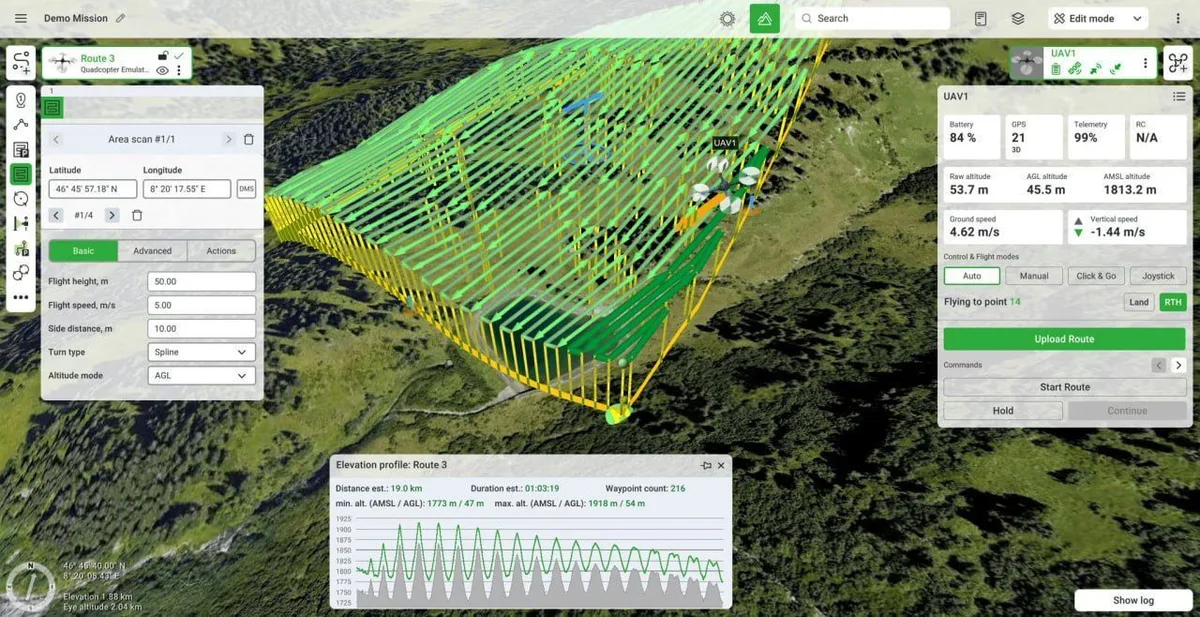
Image source: Bing (Web (fair-use with source credit))
The Actual Flight Time: More Than Just Battery Life
This is the part most people picture when they think of drone shoots. It’s the exciting phase where the drone takes to the sky and captures those sweeping aerial views. However, even this seemingly straightforward part of the process is dictated by several factors that affect how long it will actually take to get the shots you need.
Understanding Flight Time Limits
As mentioned, drone batteries have a finite lifespan. A common professional drone might offer around 30 minutes of flight time per battery. However, this figure is often an ideal scenario.
Factors like aggressive maneuvering, flying in windy conditions, or using advanced camera features can significantly reduce this time to 20-25 minutes or even less.
Therefore, a shoot requiring 45 minutes of total flight time isn't just 45 minutes in the air. It involves the time taken to swap batteries, recalibrate, and get the drone airborne again for each subsequent flight. If the shot list demands multiple takes or variations of a specific shot, that time adds up quickly.
Shot Complexity and Repetition
The complexity of the shots you need directly impacts flight time. A simple, static aerial shot of a property takes less time than a complex cinematic sequence involving tracking a moving object, executing a reveal shot, or flying through tight spaces. Each complex maneuver requires precise control and often multiple attempts to get perfect.
If a client wants to see a specific building from five different angles at varying altitudes, that’s five distinct flight patterns to program and execute. If they then request a specific drone movement, like a "dolly zoom" or a "crane shot" effect from the air, each requires careful piloting and potentially several takes. This is where a detailed shot list becomes indispensable for efficiency.
Drone Pilot Efficiency
The skill and experience of the drone pilot play a massive role in how long the flight portion takes. An experienced pilot can quickly set up, fly the intended path with precision, and troubleshoot minor issues on the fly. They understand how to maximize battery life and minimize unnecessary movements.
Conversely, a less experienced pilot might take longer to set up, struggle with precise maneuvers, require more attempts for each shot, or encounter unforeseen technical glitches that consume valuable flight time. Their efficiency directly translates into the overall duration of the flight portion of the shoot.
Image source: Bing (Web (fair-use with source credit))
Post-Flight: Editing and Delivery Time
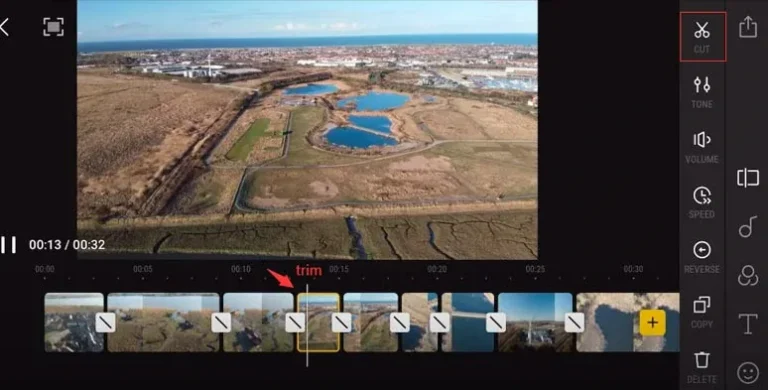
Once the drone has landed and all the footage is safely downloaded, the work isn't over. Post-production is a significant component of the total project timeline. What might seem like just a few hours of clicking buttons is actually a detailed process that transforms raw footage into a compelling final product.
The quality of the final output is heavily dependent on this stage.
Data Offload and Organization
The first step after a shoot is transferring all the captured video files from the drone's memory card to a computer or external hard drive. High-resolution footage, especially 4K or 8K, can be massive. A single hour of 4K footage can easily consume 100 gigabytes or more.
Offloading this data can take anywhere from 30 minutes to several hours, depending on the file sizes and the speed of the transfer.
Once offloaded, the footage needs to be organized. This involves categorizing clips by location, shot type, or time of day. Good organization is crucial for efficient editing, preventing the editor from endlessly searching for specific clips.
Editing Suite Workflow
This is where the magic happens, and it can be time-consuming. The editor will review all the footage, select the best takes, and begin piecing them together according to the project brief or script. This involves:
- Rough Cut: Assembling the main sequence of shots.
- Fine Cut: Refining the pacing, transitions, and timing.
- Color Grading: Adjusting colors to ensure consistency and enhance the visual appeal.
- Sound Design: Adding music, voiceovers, and sound effects.
- Adding Graphics: Incorporating titles, logos, or other visual elements.
The complexity of the editing process varies wildly. A simple property video might take 4-8 hours of editing. A dynamic commercial or documentary project could require 40-80 hours or even more, depending on the narrative and visual effects involved.
Client Revisions and Feedback Loops
Very few projects are approved without some level of revision. After the initial edit is complete, it's presented to the client for feedback. This feedback loop can add considerable time.
A client might request changes to pacing, the addition or removal of specific shots, or tweaks to the color grading.
Each round of revisions requires the editor to go back into the project, make the requested changes, and re-export the video for another review. Depending on the client's decisiveness and the scope of the revisions, this process can add anywhere from a few hours to several days to the overall project timeline.
Real-World Shoot Timelines: From Minutes to Days
To give you a clearer picture, let's look at how these factors play out in common scenarios. These are generalized estimates, and actual times can vary significantly based on the specific details of each project.
Quick Property Reveal (Half-Day)
- Scenario: A real estate agent needs a short, engaging video showcasing a single residential property.
- Planning & Prep: 1-2 hours (quick site walk, shot list development, weather check).
- Travel: 30 mins, 1 hour to the property.
- On-Site Flight Time: 1-2 hours (covering exterior shots, maybe a few key interior fly-throughs if the drone can safely operate indoors). This usually involves 2-3 battery cycles.
- Data Download & Organization: 1 hour.
- Editing & Delivery: 4-8 hours for a polished 1-2 minute video.
- Total Estimated Time: Roughly 6-12 hours, often completed within a single business day, but the editing might spill into the next.
Multi-Location Marketing Project (Full Day/Multiple Days)
- Scenario: A company needs promotional footage for several of its commercial properties or a larger development project spanning multiple sites.
- Planning & Prep: 4-8 hours (detailed site surveys for each location, comprehensive shot lists, potential permitting).
- Travel: Significant travel time between locations can add several hours.
- On-Site Flight Time: 4-6 hours spread across multiple locations. This requires careful battery management and efficient setup at each site, potentially requiring 6-10 battery cycles.
- Data Download & Organization: 2-4 hours (for large amounts of footage).
- Editing & Delivery: 15-40+ hours of editing for a polished marketing video, depending on the number of locations and narrative complexity.
- Total Estimated Time: This easily becomes a 1-3 day on-site job, with post-production taking several additional days to a week.
Event Coverage (Specific Hours, Extended Prep)
- Scenario: Filming an outdoor concert, festival, or sporting event.
- Planning & Prep: 8-16+ hours (major emphasis on airspace authorization, safety protocols, coordination with event organizers, identifying safe take-off/landing zones).
- Travel: Dependent on event location.
- On-Site Flight Time: 2-4 hours during the event itself, often spread out to capture different phases. This requires meticulous battery management and often pre-planned flight paths.
- Data Download & Organization: 2-3 hours.
- Editing & Delivery: 20-60+ hours, depending on the desired final product (e.g., highlight reel vs. full event coverage).
- Total Estimated Time: While the "event" might be 6 hours long, the planning phase alone can take days, and the editing can extend for another week.
Common Snags That Extend Drone Shoots
Even with the best planning, drone shoots can hit unexpected snags that push the schedule. It's not just about flying the drone; it's about managing the entire operation safely and effectively.
- Unforeseen Obstacles: Discovering new, unmapped structures or temporary obstructions on-site that weren't apparent during the initial survey can force a change in flight plan or even ground the drone entirely until they are navigated or cleared.
- Battery Failures: While rare with modern drones, a faulty battery or charger can halt operations until a replacement is available, leading to significant delays.
- Client Indecision: Last-minute changes to the shot list or requests for footage that wasn't originally planned can add hours of flight and editing time, especially if it requires returning to the site.
- Technical Glitches: Software errors, sensor issues, or unexpected drone behavior might require troubleshooting, recalibration, or even aborting the flight to prevent damage or ensure safety.
- Line-of-Sight Interruptions: Maintaining visual line-of-sight with the drone is a critical FAA regulation in the US. If trees, buildings, or other objects block the pilot's view, the drone must land immediately. This can happen unexpectedly if you're not careful with your flight path.
What to Do When You Need More Time
Sometimes, extending the shoot is the only way to get the job done right. If a critical shot can't be captured due to weather, or if the client has a significant change of heart that requires reshoots, you'll need to factor in additional time.
- Reschedule Flights: If weather is the culprit, simply schedule the shoot for a later date when conditions are favorable. This often means reconfirming availability for the pilot, crew, and any on-site personnel.
- Add Editing Hours: If revisions are extensive, the editing timeline will naturally extend. It’s crucial to communicate these extended timelines to the client upfront to manage expectations.
- Return for Reshoots: For crucial footage missed or requested post-production, a return trip to the location might be necessary. This incurs additional travel costs and flight time.
It's always wise to build a little buffer time into your initial project estimates. This contingency can absorb minor delays without derailing the entire schedule or budget. Remember, rushing a drone shoot often leads to lower quality footage and potential safety risks.
Common Snags That Extend Drone Shoots
Even with the best planning, drone shoots can hit unexpected snags that push the schedule. It's not just about flying the drone; it's about managing the entire operation safely and effectively.
- Unforeseen Obstacles: Discovering new, unmapped structures or temporary obstructions on-site that weren't apparent during the initial survey can force a change in flight plan or even ground the drone entirely until they are navigated or cleared.
- Battery Failures: While rare with modern drones, a faulty battery or charger can halt operations until a replacement is available, leading to significant delays.
- Client Indecision: Last-minute changes to the shot list or requests for footage that wasn't originally planned can add hours of flight and editing time, especially if it requires returning to the site.
- Technical Glitches: Software errors, sensor issues, or unexpected drone behavior might require troubleshooting, recalibration, or even aborting the flight to prevent damage or ensure safety.
- Line-of-Sight Interruptions: Maintaining visual line-of-sight with the drone is a critical FAA regulation in the US. If trees, buildings, or other objects block the pilot's view, the drone must land immediately. This can happen unexpectedly if you're not careful with your flight path.
What to Do When You Need More Time
Sometimes, extending the shoot is the only way to get the job done right. If a critical shot can't be captured due to weather, or if the client has a significant change of heart that requires reshoots, you'll need to factor in additional time.
- Reschedule Flights: If weather is the culprit, simply schedule the shoot for a later date when conditions are favorable. This often means reconfirming availability for the pilot, crew, and any on-site personnel.
- Add Editing Hours: If revisions are extensive, the editing timeline will naturally extend. It’s crucial to communicate these extended timelines to the client upfront to manage expectations.
- Return for Reshoots: For crucial footage missed or requested post-production, a return trip to the location might be necessary. This incurs additional travel costs and flight time.
It's always wise to build a little buffer time into your initial project estimates. This contingency can absorb minor delays without derailing the entire schedule or budget. Remember, rushing a drone shoot often leads to lower quality footage and potential safety risks.
How Long Does Drone Setup Take?
Setup time for a drone shoot can range from 15 minutes to over an hour, depending on complexity. For a straightforward property shoot, it might just involve unfolding the drone, attaching propellers if needed, and powering up the controller and drone. This initial setup typically takes about 15-20 minutes.
More involved shoots, especially those requiring specialized camera payloads, advanced filters, or operating in challenging environments, will necessitate longer setup. This can include calibrating the drone's compass and IMU (Inertial Measurement Unit), attaching external sensors, or performing thorough pre-flight checks mandated by regulations. These extended setups can easily push the time to 45-60 minutes, ensuring everything is functioning perfectly before the first flight.
What Factors Affect Drone Flight Time?
Several key factors directly influence how long a drone can stay airborne on a single battery charge. Understanding these is crucial for realistic scheduling.
- Battery Health and Age: Like any rechargeable battery, drone batteries degrade over time. An older battery will hold less charge and offer shorter flight times compared to a brand-new one.
- Environmental Conditions: Flying in windy conditions forces the drone's motors to work harder, consuming power faster. High temperatures can also affect battery performance.
- Flight Style: Aggressive maneuvers, rapid ascent/descent, and high-speed flight consume more power than slow, steady flight. Smooth, cinematic movements are more battery-efficient.
- Payload: Adding extra weight, such as specialized cameras, lighting, or sensors, increases the power demand on the drone's motors, thereby reducing flight time.
Manufacturer specifications, like the advertised 30-40 minutes for many professional drones, are usually quoted under ideal, static conditions. Real-world flight times are almost always shorter.
When Do Drone Shoots Require Multiple Days?
Drone shoots extend to multiple days primarily due to logistical constraints, weather dependence, or the sheer scope of the project. For instance, capturing aerial footage of a large construction site over several weeks requires daily or weekly flights to document progress. Each of these sessions is a mini-shoot, adding up to a multi-day commitment for the drone pilot.
Large-scale events, like music festivals or outdoor sporting competitions, often demand coverage across multiple days to capture the full experience. Additionally, projects requiring specific lighting conditions, such as sunrise or sunset shots at various locations, necessitate returning to the site on different days. Finally, significant weather delays, as discussed earlier, can easily turn a single-day booking into a week-long endeavor.
Frequently Asked Questions About Drone Shoot Durations
How long does the actual drone flight take?
Actual flight time per battery is typically 20-30 minutes for most professional drones. A shoot might involve multiple battery cycles, resulting in a total of 1-3 hours of airborne operation spread throughout the day.
Does editing time vary significantly?
Yes, editing time can vary from 4 hours for a simple 1-minute property video to over 80 hours for complex commercial projects or documentaries. This depends on the footage length, desired effects, and client revisions.
What's the biggest reason for shoot delays?
Weather is the most common reason for drone shoot delays. Wind, rain, fog, or poor visibility can postpone flights, sometimes for days, until conditions are safe and suitable for aerial filming.