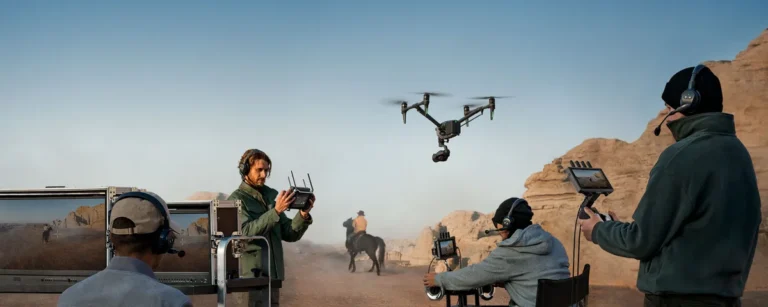
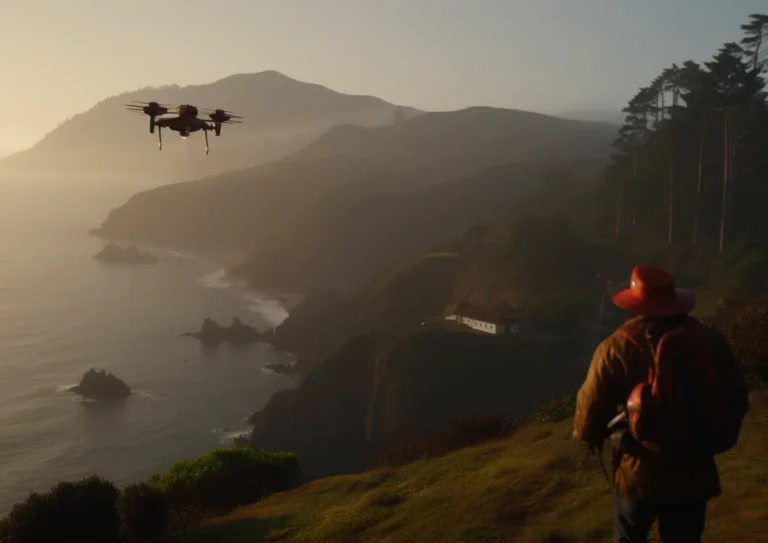
How Does Drone Videography Work?
Ever wonder how those breathtaking aerial shots you see in movies or commercials are captured? It’s all about using a flying camera, but making it look smooth and professional is a specific skill. Drone videography combines advanced technology with a pilot's artistic eye to create perspectives we couldn't easily get before.
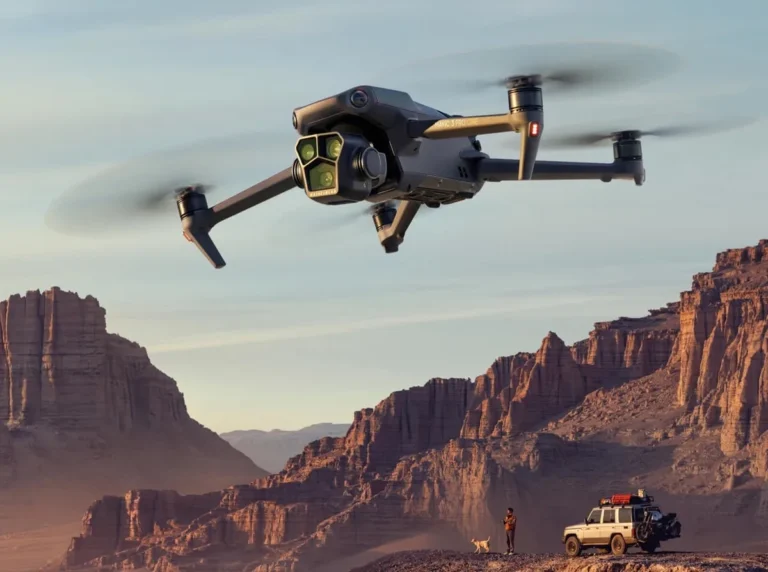
At its heart, drone videography is the practice of capturing video footage from a remotely piloted aircraft, commonly known as a drone. These devices use sophisticated technology, including GPS for navigation and gyroscopes for stability, to hover and move through the air while carrying a camera. As of 2026, drone technology has advanced to the point where even hobbyists can capture footage rivaling professional setups from just a decade ago.
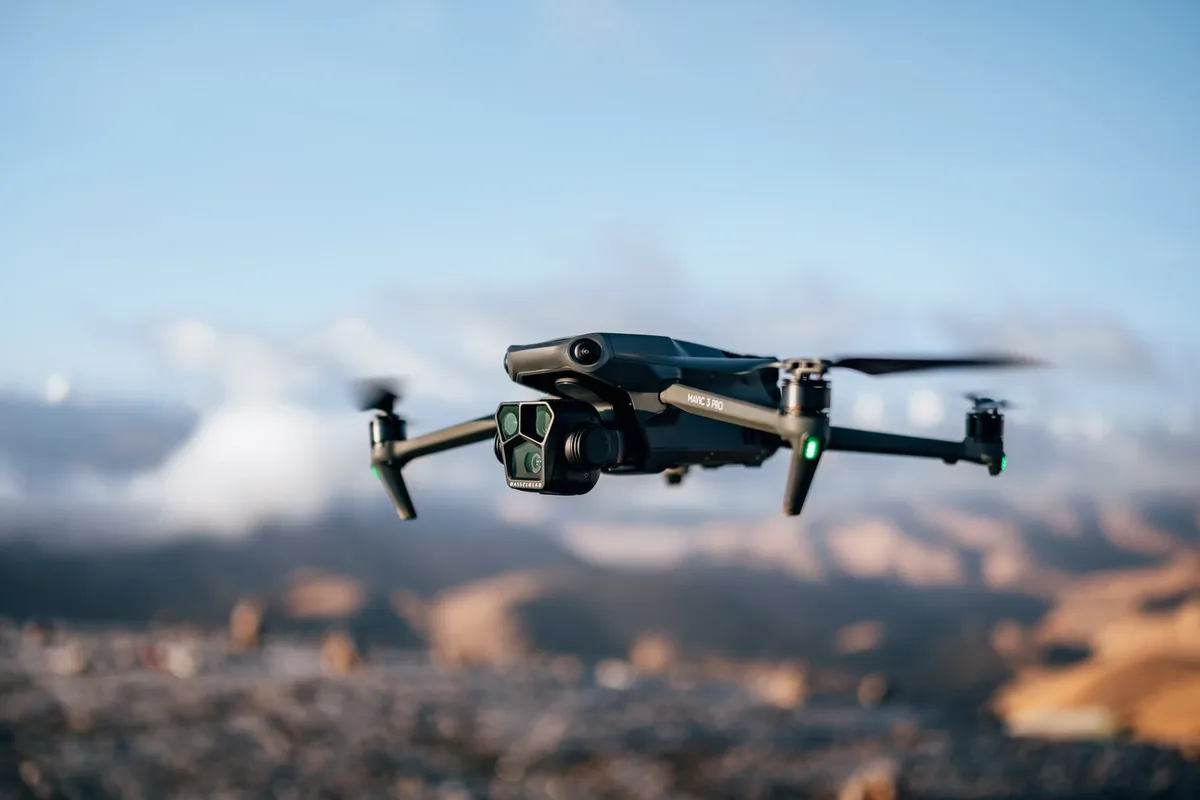
Image source: Bing (Web (fair-use with source credit))
Quick Answer: The Core Idea Behind Drone Footage
Drone videography works by mounting a camera onto a stable, remotely controlled aircraft. The drone's flight systems, powered by motors and guided by GPS, keep it airborne and steady. A specialized camera gimbal isolates the camera from drone movements, ensuring smooth, cinematic footage.
Pilots control the drone and camera remotely, transmitting a live video feed for framing shots, while recording high-quality video to an onboard storage device.
The Tech That Makes It Fly: Drones, Cameras, and Gimbals
The magic of drone videography starts with the hardware. You've got three main players working in harmony: the drone itself, the camera, and the gimbal.
- The Drone: Think of this as your flying platform. Modern drones are packed with technology. They use GPS for precise positioning and to hold their location steady, even in wind. Flight controllers, essentially small computers, interpret pilot commands and sensor data to manage the motors and keep the drone stable. Many also feature advanced obstacle avoidance sensors, which use cameras or ultrasonic waves to detect and steer clear of objects.
- The Camera: This is what captures the image. Drone cameras range from high-resolution sensors capable of shooting 4K video at 60 frames per second to more basic 1080p setups. The key is they're designed to be lightweight and integrated into the drone's design.
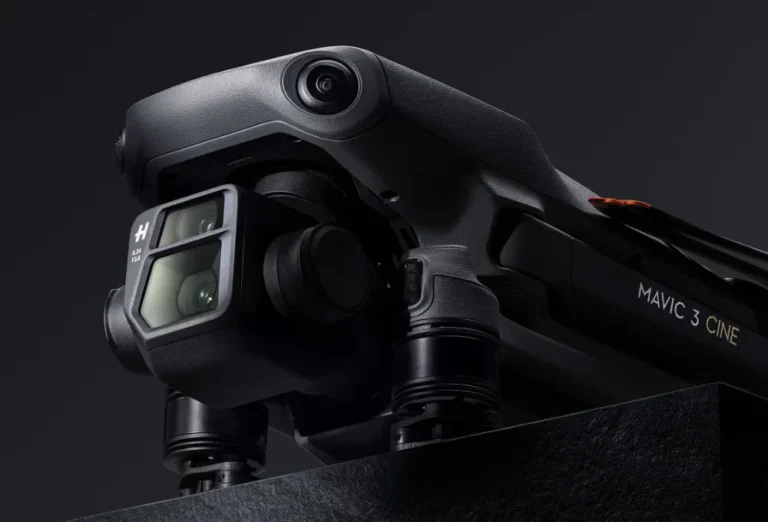
- The Gimbal: This is arguably the most crucial component for cinematic results. A camera gimbal is a motorized mount that uses gyroscopes and motors to counteract any unwanted movement from the drone. If the drone tilts or shakes, the gimbal instantly adjusts to keep the camera perfectly level. This isolation is what turns jerky aerial movements into buttery-smooth, professional-looking shots.
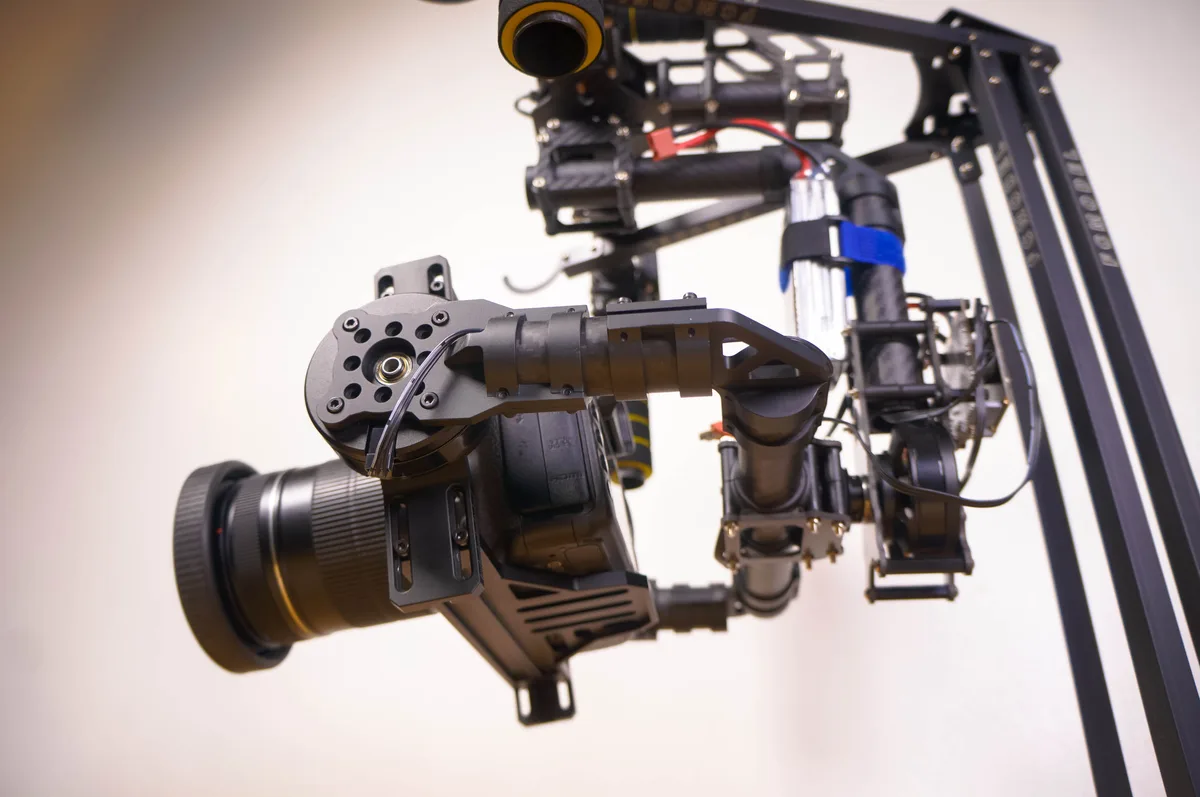
Image source: Bing (Web (fair-use with source credit))
How the Gimbal Keeps Your Footage Smooth
A 3-axis gimbal is standard for high-quality drone videography. It counteracts movement on the pitch (up/down), roll (side-to-side tilt), and yaw (panning left/right) axes. This advanced stabilization is what allows for those sweeping, steady shots you see in professional productions, even when the drone is flying rapidly or dealing with turbulence.
Without it, footage would be unwatchable due to extreme shakiness.
The Brains: Flight Controllers and GPS
The flight controller acts as the drone's central nervous system. It takes input from the pilot's remote control, as well as data from onboard sensors like the GPS, barometer (for altitude), and accelerometers. It then sends precise commands to the motors to execute the desired flight path and maintain stability.
GPS is vital not only for navigation and knowing where you are but also for enabling features like Return-to-Home, where the drone automatically flies back to its takeoff point.
Capturing the Shot: Live Feeds and Recording
Once the drone is airborne and stable, the focus shifts to capturing the actual video. This involves two key elements: the live video feed to the pilot and the recording of the final footage.
What You See vs. What's Recorded
Most modern drones transmit a live video feed to the pilot's controller or a connected smartphone/tablet. This feed, often at a lower resolution than the final recording, is essential for framing your shots, monitoring battery life, and ensuring safe flight. It's how you make sure you're pointing the camera exactly where you want it.
However, the high-quality video itself is typically recorded directly onto a memory card, usually a microSD card, installed in the drone. This ensures the best possible image quality, uncompromised by wireless transmission limits. Manufacturer specifications often detail maximum recording resolutions and bitrates, with higher-end models supporting 4K at 60fps or even higher, and some professional units capable of recording in RAW video formats for maximum flexibility in post-production.
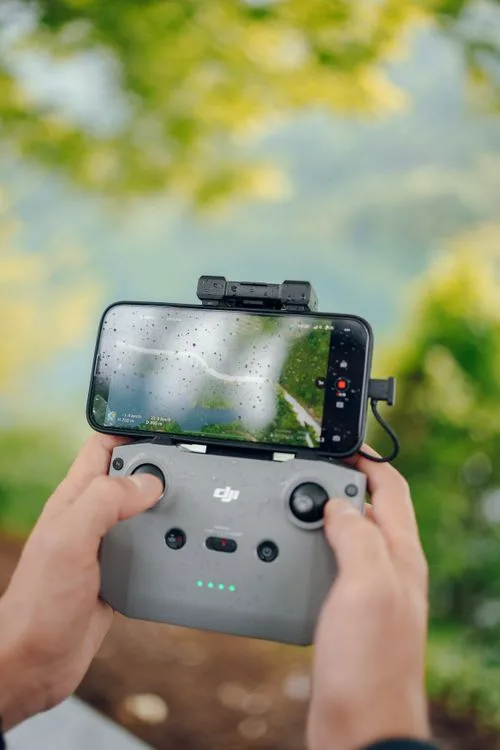
Image source: Bing (Web (fair-use with source credit))
Why Aerial Footage Looks So Good: Visuals and Perspectives
The appeal of drone videography isn't just that it's from the air; it's about the unique visual storytelling capabilities it unlocks. It allows for perspectives that are simply impossible or incredibly difficult to achieve with ground-based cameras.
Key Elements of Cinematic Drone Shots
Cinematic drone shots often feature smooth, deliberate movements. This can include a slow ascent from ground level, revealing a landscape, or a dramatic forward flight through a scene. The gimbal's stabilization is paramount here, smoothing out any minor bumps or turbulence.
Composition is also critical; understanding rule-of-thirds, leading lines, and negative space from an aerial viewpoint adds a professional polish.
Unique Angles You Can't Get Anywhere Else
Drones excel at providing an "eye in the sky" view, offering unparalleled context and scale. This allows filmmakers to capture sweeping vistas, track subjects from above with fluidity, or hover at heights that provide a god's-eye perspective. This ability to change elevation and angle rapidly and smoothly is what makes drone footage so dynamic and engaging for viewers.
Putting It All Together: The Drone Videography Workflow
Executing effective drone videography involves a structured process, from preparation to final edits. It's a multi-stage workflow designed to maximize safety, capture quality footage, and achieve the desired creative vision.
Pre-Flight Essentials
Before any flight, thorough preparation is key. This starts with checking the weather forecast; high winds or rain can make flying unsafe and ruin footage. It's also crucial to inspect the drone for any physical damage, ensure batteries are fully charged (most consumer drones offer around 25-30 minutes of flight time per battery), and verify that the camera's memory card is formatted and has sufficient space.
Understanding local airspace regulations and identifying any no-fly zones using apps like B4UFLY (in the USA) is a non-negotiable step for safe and legal operation.
Piloting and Camera Control in Action
With the drone prepared, the pilot takes control. This involves a combination of flying the drone safely and operating the camera. The pilot uses joysticks on the remote controller to manage altitude, direction, and speed, while simultaneously adjusting the camera's angle and framing using dedicated controls.
The live video feed is invaluable here, allowing the pilot to compose shots precisely and react to the environment in real-time. This can range from simple hovering shots to complex, multi-axis movements that require significant practice and skill.
Post-Production's Role
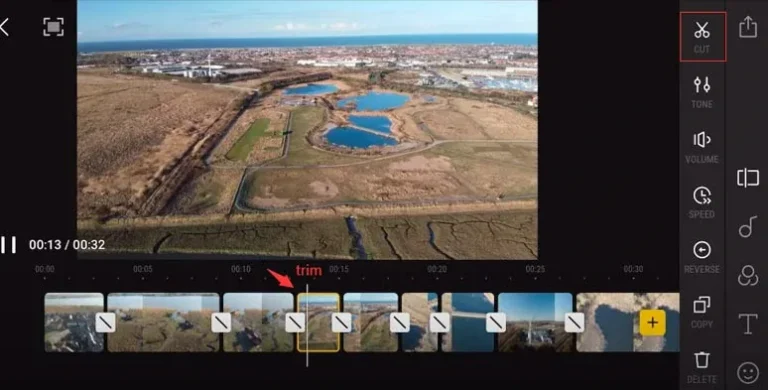
The footage captured by the drone is rarely used straight out of the camera. Post-production is where the raw clips are transformed into polished videos. This involves editing the best takes together, color grading to enhance the mood and look, adding music and sound effects, and potentially combining aerial shots with ground-based footage.
Professional editing software allows for fine-tuning camera movements and ensuring a seamless flow between shots.
Who Uses Drone Videography and Why?
The practical applications of drone videography are vast, making it a valuable tool across numerous industries and for various content creators. It’s not just for Hollywood blockbusters anymore.
Top Industries and Applications
- Filmmaking & Television: For establishing shots, chase scenes, and sweeping landscape B-roll.
- Real Estate: To showcase properties, including expansive grounds and neighborhood context.
- Marketing & Advertising: Creating dynamic visuals for commercials and promotional materials.
- Events: Capturing unique aerial perspectives of weddings, concerts, and festivals.
- Inspection Services: Safely surveying infrastructure like bridges, power lines, and wind turbines.
- Agriculture: Monitoring crops for health, irrigation needs, and yield estimation.
- News Reporting: Providing bird's-eye views of events and disaster areas.
The Advantages It Brings
The primary advantages are access to previously difficult or impossible viewpoints, cost savings compared to traditional aerial platforms like helicopters, and the ability to capture incredibly smooth, cinematic motion. As of 2026, the accessibility and affordability of high-quality drones mean that these benefits are available to a much wider range of users than ever before. This technology enables more dynamic storytelling and more visually compelling presentations across many fields.
Staying Safe and Legal in the Air
Flying a drone isn't just about pushing buttons; it comes with responsibilities. Understanding and adhering to regulations is as crucial as mastering flight controls. For instance, in the United States, the Federal Aviation Administration (FAA) governs drone operations.
Most commercial drone pilots need to obtain a Remote Pilot Certificate (often called a Part 107 license) to fly for business purposes.
Understanding Regulations and No-Fly Zones
No-fly zones are areas where drone flight is restricted or prohibited. These typically include airports, national parks, military bases, and critical infrastructure sites. Many drone apps will alert you to these restrictions, but it's your responsibility to know them.
Operating a drone in a restricted area can lead to hefty fines or even legal trouble. It’s essential to check for temporary flight restrictions (TFRs) before every flight, as these can change based on events or emergencies.
Best Practices for Responsible Operation
Always maintain visual line of sight (VLOS) with your drone; this means you can see the drone with your own eyes, without binoculars. Fly at altitudes generally below 400 feet, as specified by most aviation authorities. Avoid flying over people or moving vehicles unless your drone is specifically designed and legally permitted for such operations.
Engaging in responsible flying practices ensures the safety of yourself, others, and helps maintain public trust in drone technology.
Common Hurdles and How to Overcome Them
Even with advanced technology, drone videography isn't without its challenges. Understanding these common pain points can help you anticipate and mitigate them before they disrupt your shoot.
Dealing with Battery Life and Signal Issues
Battery life is a consistent limitation. Most consumer drones offer around 25-30 minutes of flight time per battery. Planning your shots to be efficient and having multiple spare batteries is essential for longer filming sessions.
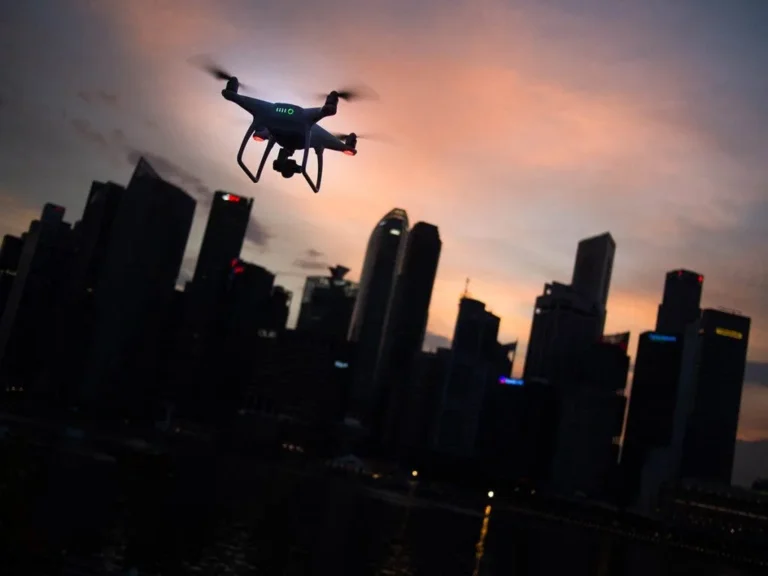
Signal interference can also be an issue, particularly in urban areas with a lot of Wi-Fi and radio frequencies. If you experience a weak video feed or loss of control signal, try moving to a more open area or repositioning the drone to re-establish a strong connection.
Avoiding Operator Mistakes
Pilot error remains a leading cause of drone accidents. Rushing the pre-flight checklist, misjudging distances, or flying in challenging weather conditions can lead to crashes. Learning to fly in a simulator or practicing in open, safe areas before attempting complex shots is highly recommended.
Always monitor your drone's battery levels and signal strength closely. If conditions deteriorate, it’s better to land safely than risk losing the drone.
Frequently Asked Questions About Drone Videography
How long does setup take?
Initial setup for a drone flight, including pre-flight checks, battery insertion, and connecting to a controller, typically takes between 5 to 10 minutes. This doesn't include time spent on flight planning or navigating airspace authorizations, which can add significant time depending on the complexity of the mission.
What are the main risks of flying a drone?
The primary risks include crashing due to pilot error, equipment malfunction, or environmental factors like wind. This can lead to damage to the drone, property, or injury to people. There are also legal risks associated with violating aviation regulations or flying in restricted airspace.
How far can a drone typically fly from the controller?
Transmission range varies significantly by drone model and technology. Higher-end drones often utilize advanced systems that can transmit HD video and control signals up to 4-7 miles (6-11 kilometers) in ideal conditions. However, actual usable range can be much shorter due to obstacles, interference, and regulatory altitude limits.
Can I fly a drone in any weather?
No, drone operation is highly dependent on weather. While some drones can handle light wind, strong gusts, rain, or snow can make flying unsafe and can damage the equipment. Always check the weather forecast and specific drone wind resistance ratings before flying.
How is drone footage edited?
Drone footage is edited using standard video editing software, just like any other video. Editors will select the best takes together, color grade to enhance the mood and look, add music and sound effects, and potentially combine aerial shots with ground-based footage. RAW video files from high-end drones offer greater flexibility for color grading during this editing process.
Key Takeaways for Understanding Drone Videography
Drone videography is fundamentally about using a stable, remotely controlled flying camera to capture footage from unique aerial viewpoints. The technology relies on a sophisticated interplay between the drone's flight systems, a high-quality camera, and a crucial stabilizing gimbal. Understanding regulatory requirements and practicing safe operation are just as important as mastering the technical aspects.
By combining these elements, drone videography offers unparalleled opportunities for visual storytelling and practical applications across many fields.