What Camera Sensor Is Best for Drone Videography?
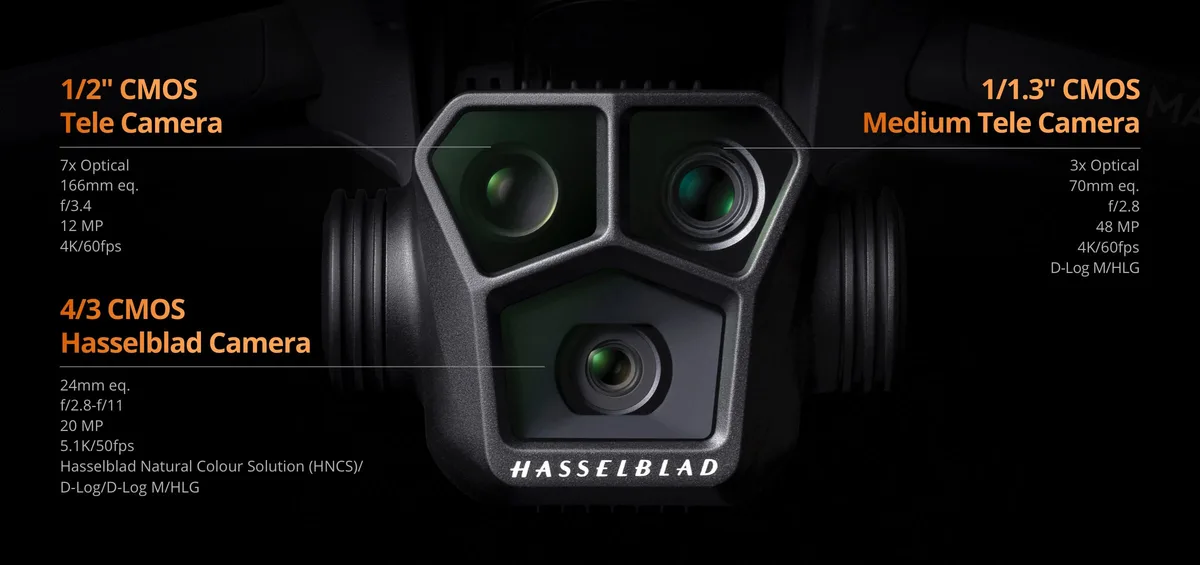
Image source: Bing (Web (fair-use with source credit))
What Camera Sensor is Best for Drone Videography?
Choosing the right camera sensor is a critical step in getting high-quality footage from your drone. The sensor directly impacts how much light your camera can capture, which affects everything from image clarity in dim conditions to the detail in your shots. When you're asking "What camera sensor is best for drone videography?", you're looking for a balance between performance and the practicalities of drone flight.
For most serious drone videographers, manufacturer specifications consistently point to a 1-inch type sensor as the sweet spot for image quality. This is because these sensors strike a balance between light-gathering capability and the size and weight constraints inherent to drone design, offering superior performance over smaller sensor types, especially in challenging light.
Quick Answer
For drone videography, a 1-inch type sensor generally offers the best balance of image quality and practicality. These sensors capture more light, resulting in cleaner footage with better detail in both bright and low-light conditions compared to smaller sensor sizes like 1/1.3-inch or 1/2.3-inch. As of 2026, this remains the benchmark for prosumer and professional drone cameras.
Why Sensor Size is the Big Deal for Drone Footage
The sensor is the engine of your drone's camera. It's the component that converts light into the digital image you see. When we talk about sensor size in drones, we're generally referring to its physical dimensions, and bigger is usually better when it comes to capturing light.
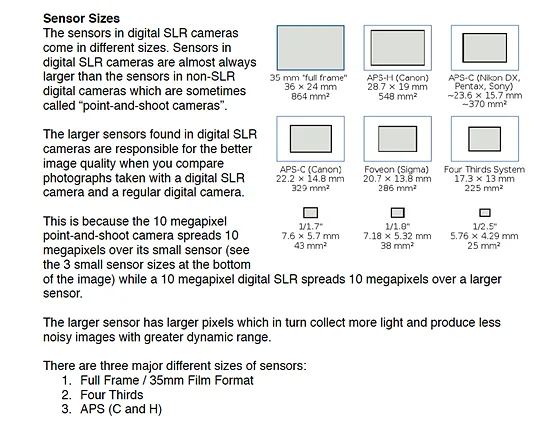
Image source: Bing (Web (fair-use with source credit))
Think of it this way: a larger sensor has more surface area to collect photons (light particles). More light captured means your camera can produce cleaner images with less digital noise, especially when you're shooting in less-than-ideal lighting situations like dawn, dusk, or overcast days. This ability to capture detail in both the bright sky and darker landscape below is known as dynamic range, and it's a key factor in producing professional-looking aerial footage.
The Light-Gathering Power of Sensors
Aggregate reviews and manufacturer specifications from leading drone makers consistently show that larger sensors offer a distinct advantage in light-gathering capability. For instance, a 1-inch type sensor, measuring roughly 13.2mm x 8.8mm, has a significantly larger surface area than a smaller 1/2.3-inch type sensor, which is approximately 6.17mm x 4.55mm. This difference in surface area directly translates to how much light can be gathered.
Megapixels vs. Real-World Video Quality
You'll often see camera specs touting high megapixel (MP) counts, like 48MP or even 108MP. While megapixels are important for still photography, they tell only part of the story for video. For video, the size of the individual pixels on the sensor is often more critical than the total number of pixels.
Larger pixels on a larger sensor can gather more light and produce a cleaner signal, which is vital for smooth, detailed video, particularly when shooting in challenging lighting. A 20MP sensor on a 1-inch type chip will generally outperform a 50MP sensor on a much smaller chip for video tasks.
Comparing Drone Sensor Options
When you're looking at drones for video, you'll encounter a few common sensor sizes, each with its own set of trade-offs. Understanding these differences helps you pick a drone that matches your shooting needs and budget. The key is to weigh the sensor's capabilities against how you plan to use your drone.
The Versatile 1-inch Type Sensor
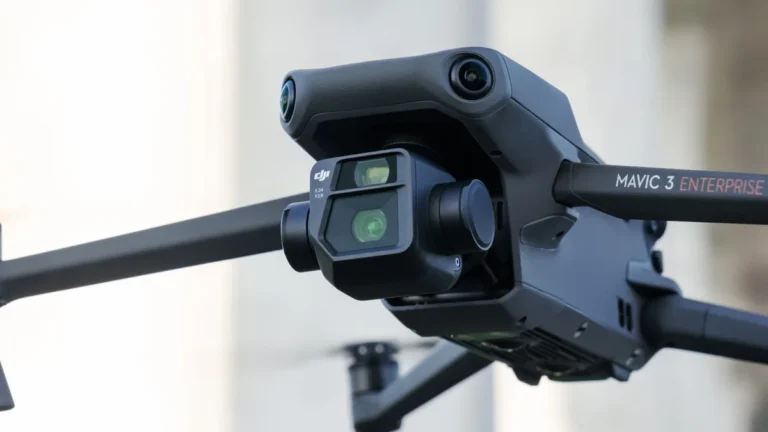
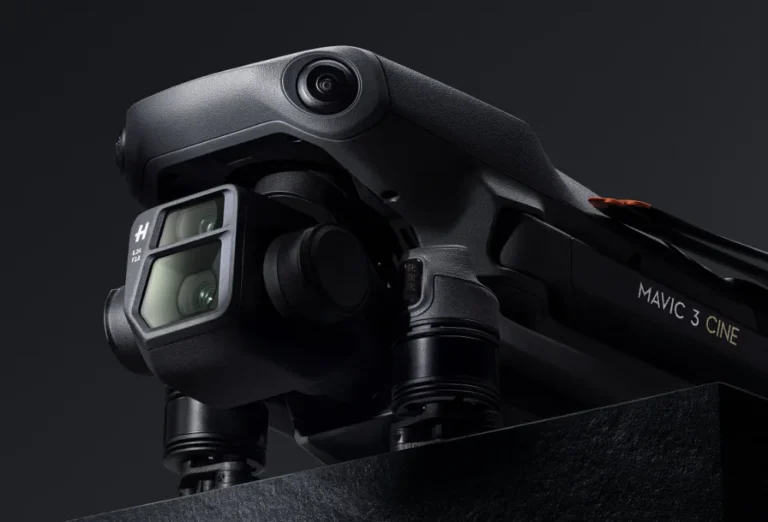
Manufacturer specifications confirm that the 1-inch type sensor is often the gold standard for high-quality drone videography. These sensors strike an excellent balance between image performance and the size and weight demands of drone flight.
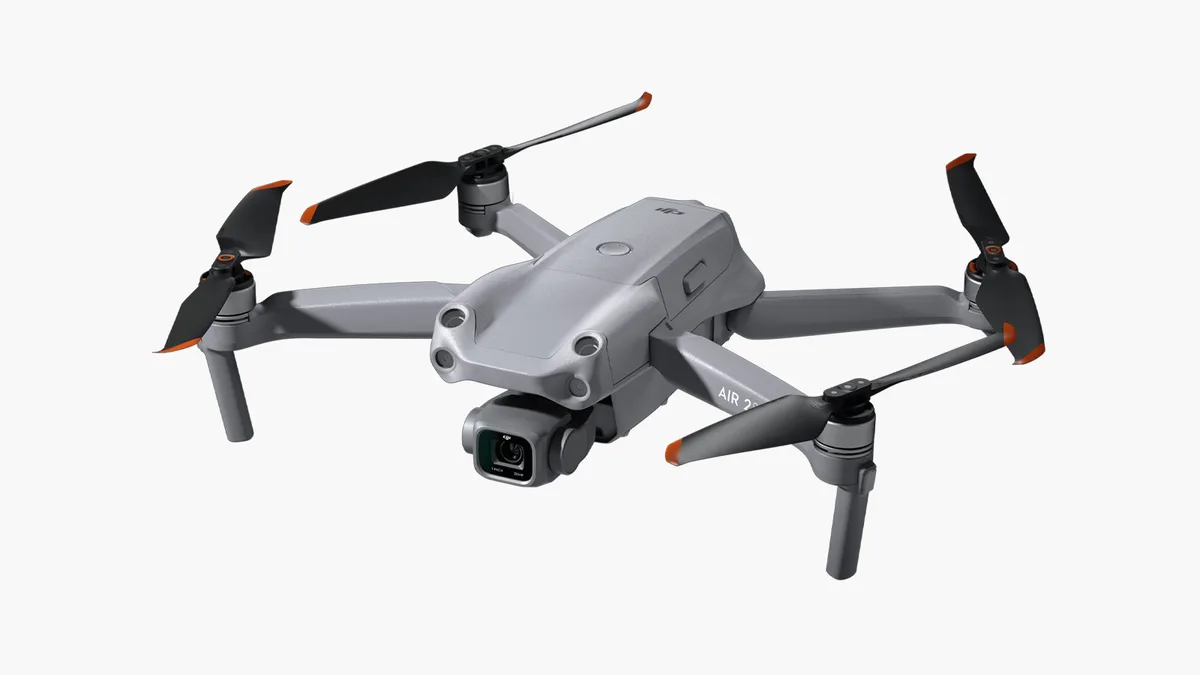
Image source: Bing (Web (fair-use with source credit))
A 1-inch type sensor delivers superior low-light performance, meaning you'll get cleaner footage with less visible grain when shooting at dawn, dusk, or in shaded areas. They also boast better dynamic range, allowing for more detail in both the brightest highlights and darkest shadows of your scene. This is crucial for aerial shots where you might have a bright sky and a darker landscape below.
While they typically mean a slightly larger and heavier drone, the visual payoff is significant, making them ideal for cinematic applications and professional results. You'll find these sensors in many premium consumer and professional drone models.
The Balanced 1/1.3-inch and 1/1.7-inch Sensors
Sensors in the 1/1.3-inch and 1/1.7-inch range offer a compelling compromise for drone videography. These sizes are smaller than a 1-inch type but still provide a good step up in image quality compared to the smallest sensors found in entry-level drones.
These sensors are often found in mid-range or more compact premium drones where manufacturers aim to balance performance with portability and cost. They generally perform well in good lighting conditions, producing sharp and vibrant footage. While their low-light capabilities won't match a 1-inch sensor, they are significantly better than older, smaller sensor designs, producing less noise and more usable detail when the light starts to fade.
They also often come with higher megapixel counts, which can be beneficial if you intend to crop your footage in post-production.
The Entry-Level Smaller Sensors
When you're starting out in drone videography or prioritizing the absolute smallest and lightest drone, you'll likely encounter drones equipped with smaller sensors, such as the 1/2.3-inch type. These are the most compact and cost-effective sensor options available.
These smaller sensors are excellent for basic aerial shots and casual video recording, especially on bright, sunny days. They allow manufacturers to create very affordable and lightweight drones that are easy to fly and transport. However, their primary limitation is their performance in low light.
You'll notice more digital noise and a loss of detail when shooting in dim conditions, dawn, dusk, or indoors. If your main focus is capturing stunning visuals in a variety of lighting, these sensors might prove limiting. They are best suited for hobbyists getting their first drone or for specific use cases where light is never an issue.
Choosing the Right Sensor for Your Drone Videos
The "best" camera sensor for your drone really boils down to what you want to shoot and how you plan to use your footage. There's no single sensor that's perfect for everyone, but by understanding your needs, you can make a smart choice.
Best Sensor for Cinematic & Low-Light Shots
If your goal is to produce video that looks truly cinematic, with smooth transitions between light and shadow, and you frequently shoot during the golden hours or in challenging lighting, then you should prioritize a drone with a 1-inch type sensor. Manufacturer data consistently shows these sensors excel in dynamic range and low-light performance. This means your footage will have richer colors, more detail in the shadows and highlights, and significantly less noise or grain, even when the sun is low or absent.
Drones equipped with these sensors are often a larger investment, but the quality of the final video output justifies the cost for professionals and serious enthusiasts.
Best Sensor for Budget & Casual Shooters
For those on a tighter budget, or if your primary use is casual recording during daylight hours, a drone with a 1/1.3-inch type or 1/1.7-inch type sensor is an excellent choice. These sensors offer a very capable performance for most common shooting scenarios and allow for more affordable drone purchases. While they don't match the low-light prowess of a 1-inch sensor, they are more than adequate for capturing bright, clear footage for social media, travel vlogs, or general aerial hobbyist use.
They represent a great sweet spot between cost, size, and respectable video quality for everyday flying.
Researching Drone Sensor Specs
Before you commit to a drone, it's wise to do a little research on its camera sensor. Manufacturer websites are your best bet for detailed specifications. Look for the sensor size, often listed as "1-inch type," "1/1.3-inch," or similar.
Also, check the megapixel count for stills and the video resolution and frame rate capabilities. This data will help you understand the raw potential of the camera.
Beyond the sensor itself, investigate the lens. A high-quality lens paired with a good sensor makes a significant difference. Some manufacturers provide details on aperture (f-number) and focal length, which impact low-light performance and field of view, respectively.
Understanding these technical details, as confirmed by product documentation, helps you accurately assess if the drone camera meets your videography standards.
Common Mistakes When Choosing a Drone Sensor
When people are choosing a drone, they sometimes focus too much on just one specification, like megapixels, and overlook the sensor size. For example, a drone might boast a very high megapixel count, but if it's packed into a tiny sensor, the actual video quality, especially in low light, can be quite poor. Aggregated user feedback reports that this overemphasis on megapixels without considering sensor size is a common pitfall.
Another mistake is assuming any sensor is "good enough" for all situations; if you plan to shoot at dawn or dusk, a smaller sensor will quickly show its limitations with noticeable noise and muddied details.
Expert Tips for Maximizing Your Drone Camera
To get the most out of your drone's camera, regardless of sensor size, remember a few key things. First, always shoot in the highest quality video mode the drone offers, usually a higher bitrate codec like H.265 (HEVC) if available, as this captures more data for editing. Second, familiarize yourself with your drone's manual camera settings if it has them; adjusting ISO and shutter speed can significantly improve footage, especially in tricky light.
Third, ensure your drone's gimbal is functioning correctly; smooth stabilization is as crucial as the sensor for professional-looking video. Finally, research your drone model's specific camera capabilities on the manufacturer's official website to understand its strengths and weaknesses thoroughly.
Frequently Asked Questions About Drone Sensors
Can a smaller sensor still produce good video?
Yes, a smaller sensor can produce good video, especially in bright daylight conditions. Drones with 1/1.3-inch or 1/1.7-inch sensors, for example, are quite capable for casual use and social media content when lighting is favorable. However, they will struggle more than larger sensors when light levels drop.
Does a higher megapixel count always mean better video?
Not necessarily for video. While higher megapixels are great for stills, for video, the size of the individual pixels on the sensor often matters more. Larger pixels on a larger sensor can capture more light, leading to cleaner video, particularly in low-light situations, even if the megapixel count is lower.
How do I find out the sensor size of a drone I'm interested in?
You can find the sensor size listed in the official specifications on the drone manufacturer's website. It's typically found in the camera details section. Reputable tech review sites also often highlight this information.
Is it worth upgrading to a drone with a 1-inch type sensor?
If your primary goal is high-quality cinematic video, especially in varied or low-light conditions, upgrading to a drone with a 1-inch type sensor is often a worthwhile investment. The improved image quality, dynamic range, and low-light performance provide a significant leap over smaller sensors.
Your Verdict: What Sensor Wins for Drone Videography?
When it comes to what camera sensor is best for drone videography, the data overwhelmingly points towards the 1-inch type sensor for achieving the highest quality results. Its superior ability to capture light and detail makes it the top choice for those seeking professional-grade footage. While smaller sensors offer more budget-friendly and compact options, they come with compromises, particularly in challenging lighting.
For serious videographers, the investment in a drone with a 1-inch type sensor pays dividends in the form of cleaner, richer, and more versatile footage.