How Long Can a Drone Stay in the Air?
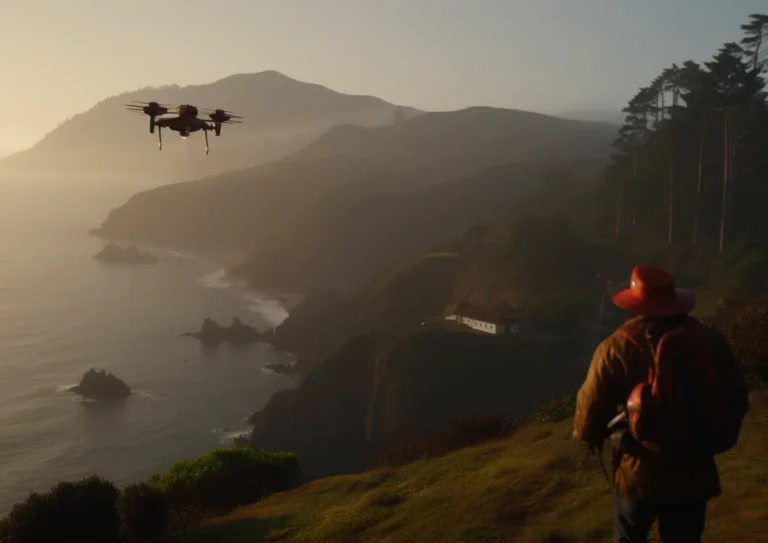
How long can a drone stay in the air? It’s the question on everyone’s mind when considering aerial photography, inspections, or just having some fun. The honest answer isn't a single number; it’s a range that depends heavily on the drone itself and the conditions it’s flying in.
Manufacturer specifications often quote flight times under ideal, no-wind conditions, but real-world use rarely matches this. For instance, a typical consumer quadcopter might claim 30 minutes of flight, but you'll often see closer to 20-25 minutes when factoring in actual operational factors.
Quick Answer
Most consumer drones fly for 15 to 30 minutes. Professional or specialized drones can reach 45 to 60 minutes, or even over an hour for certain fixed-wing models. Battery capacity, drone weight, and environmental factors like wind significantly impact actual flight duration.
Real-World Drone Endurance: What to Expect From Different Drones
When you're looking at how long a drone can actually stay airborne, it’s crucial to understand that the numbers you see advertised are often best-case scenarios. Think of them like the fuel economy rating on a car; you rarely hit those exact figures in daily driving. The actual flight time is a blend of the drone's design, its battery, and the environment it's operating in.
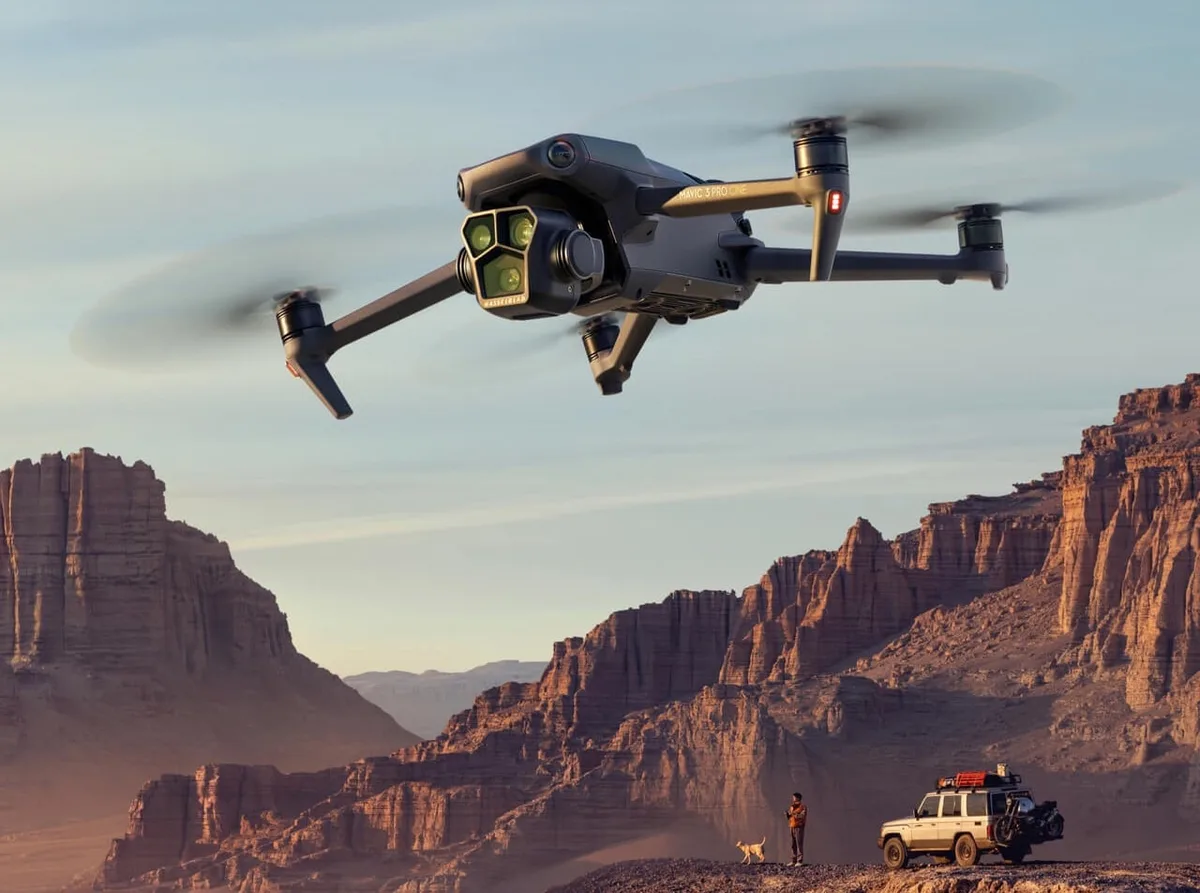
Image source: Bing (Web (fair-use with source credit))
Drone flight duration isn't just about the battery; it's a complex interplay of several factors. We've broken down the common categories to give you a clearer picture of what you can realistically expect.
Multi-Rotor Drones: The Most Common Flyers
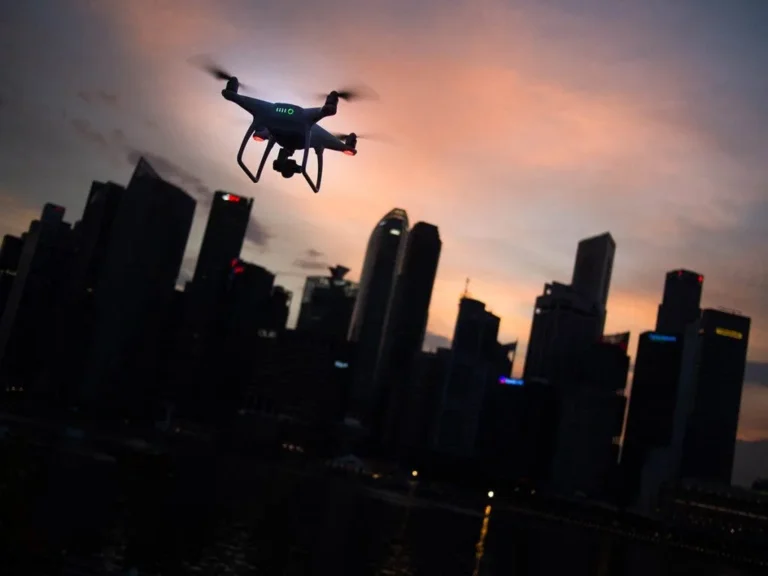
These are the quadcopters and hexacopters you see most often, popular for their stability and ease of use. Their flight times are generally the shortest because they constantly fight gravity with their rotors, using a lot of energy just to stay afloat.
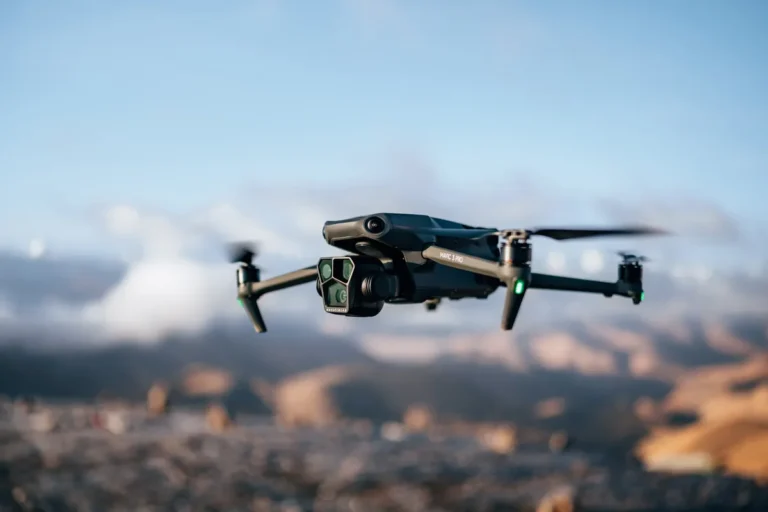
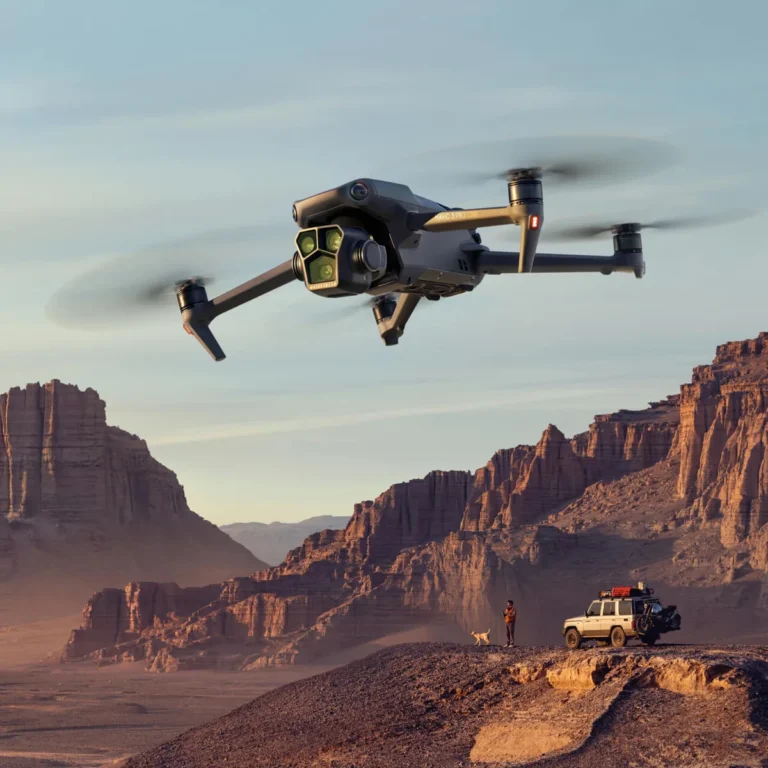
- Consumer Drones: Expect around 15 to 30 minutes of flight time. Brands like DJI's Mini or Air series typically fall into this range. This is sufficient for many hobbyist tasks, quick property shots, or short video clips.
- Prosumer/Professional Drones: Larger, more powerful multi-rotors, often used for cinematic work or advanced inspections, might offer 25 to 45 minutes. These drones usually have larger batteries and more efficient motors.
- Heavy-Lift Drones: These are industrial-grade machines designed to carry significant payloads. Their flight times are often shorter, around 10 to 25 minutes, because the extra weight demands so much power.
Fixed-Wing Drones: Built for Endurance
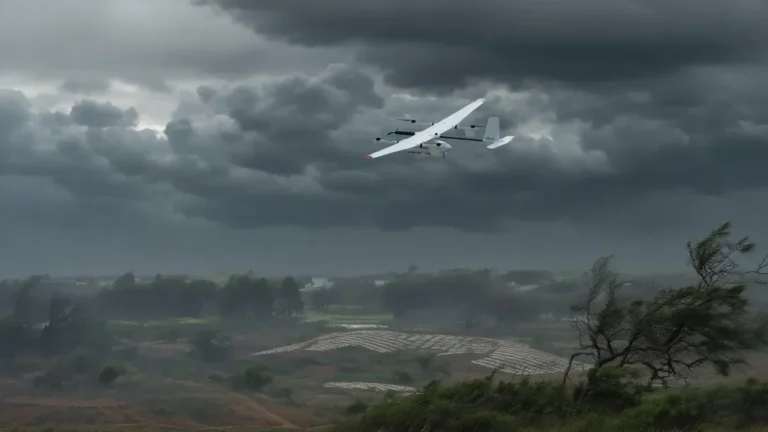
Unlike multi-rotors, fixed-wing drones (think small airplanes) use aerodynamics to stay airborne, much like a traditional aircraft. This makes them far more energy-efficient for covering large distances or staying up for extended periods.
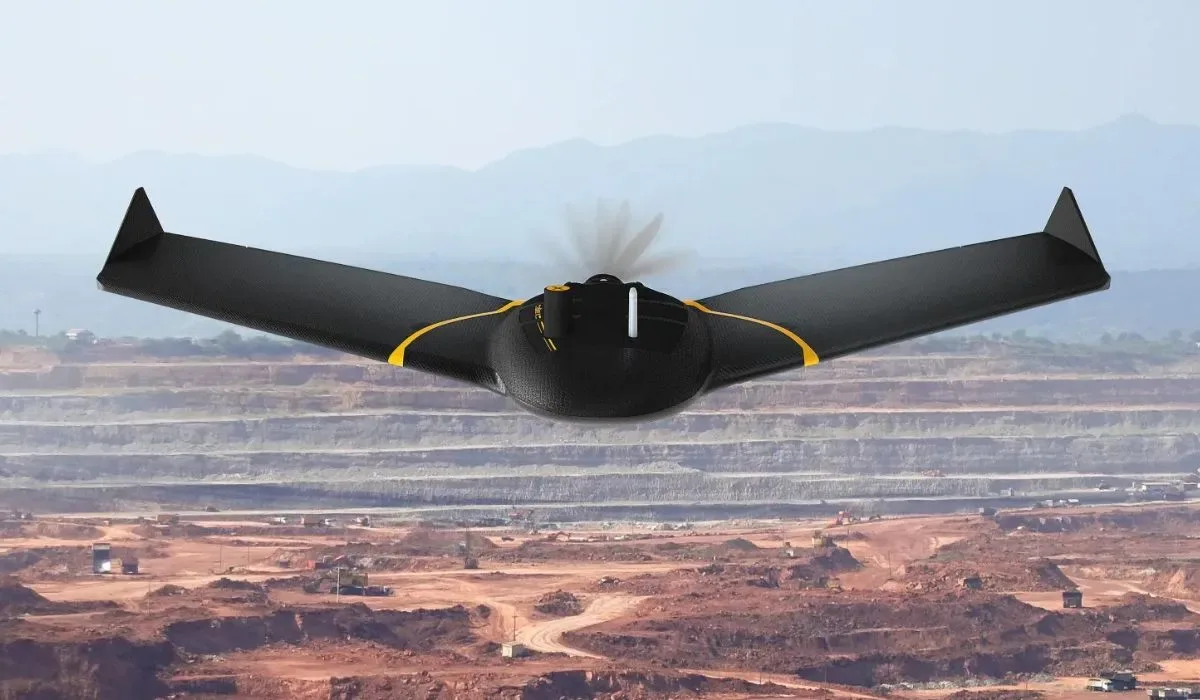
Image source: Bing (Web (fair-use with source credit))
- Surveying & Mapping Drones: These are designed for endurance and often have flight times of 45 to 90 minutes. They can cover vast areas in a single flight, making them ideal for large-scale land surveys or agricultural monitoring.
- Long-Endurance Drones: Some specialized fixed-wing UAVs are built specifically for very long flights, potentially reaching 2 to 4 hours or even longer with optimized design and payload. These are typically used for persistent surveillance or long-range atmospheric monitoring.
VTOL Hybrids: The Best of Both Worlds
VTOL stands for Vertical Take-Off and Landing. These drones combine the hovering capabilities of multi-rotors with the efficient forward flight of fixed-wing aircraft. They can take off and land like a helicopter but then transition to wing-borne flight for longer endurance.
- Hybrid Drones: Flight times typically range from 30 to 60 minutes. They offer a great compromise for missions that require both hovering stability for detailed shots or inspections and the ability to cover ground quickly.
Key Factors That Slash or Boost Your Drone's Airtime
So, you've seen the advertised flight times, but what makes them fluctuate so wildly in the real world? It boils down to a few critical elements that directly impact how much power your drone is drawing from its battery. Understanding these factors can help you manage expectations and plan your flights more effectively.
Battery Power: The Heart of Flight Time
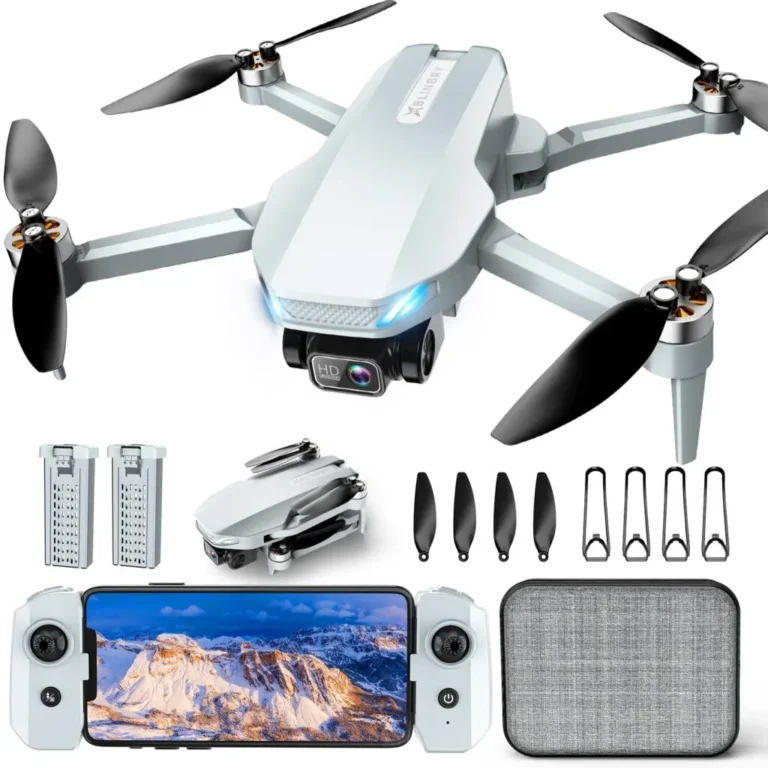
The battery is the most direct limiter of how long a drone can fly. Its capacity, measured in milliampere-hours (mAh) or watt-hours (Wh), dictates how much energy it can store. But it's not just about raw capacity; battery health and voltage play significant roles too.
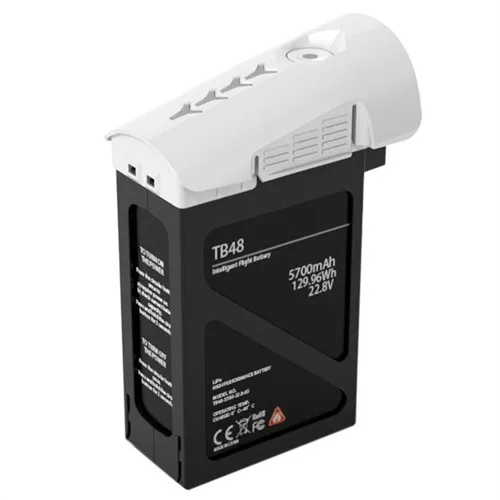
Image source: Bing (Web (fair-use with source credit))
- Battery Capacity (mAh/Wh): A higher capacity battery stores more energy, leading to longer flight times. For example, a drone with a 5000 mAh battery will generally fly longer than a similar drone with a 3000 mAh battery, all else being equal.
- Battery Health & Age: Lithium-polymer (LiPo) batteries degrade over time and with use. As cells age or cycles increase, their usable capacity decreases, meaning shorter flight times than when they were new. Per industry standards, batteries are rated for a certain number of charge cycles before significant capacity loss.
- Battery Voltage (V): Higher voltage batteries can sometimes enable more efficient power delivery, contributing to longer flight times, but this is also tied to motor and ESC (Electronic Speed Controller) compatibility.
Weight & Payload: What You Carry Matters
Every extra ounce or gram you add to a drone requires more power to keep it in the air. This is why a drone's "maximum takeoff weight" is a critical specification, and why adding accessories can noticeably cut into flight duration.
- Drone's Own Weight: Lighter drones naturally consume less power to fly. This is a major reason why smaller consumer drones are often more flight-time efficient than larger, heavier professional models, even if the latter have larger batteries.
- Payload Weight: If you're attaching a camera, gimbal, sensor (like a thermal or Lidar unit), or any other equipment, it adds to the total weight the motors must lift. Aggregate reviews from commercial operators show that adding a 1kg payload can reduce flight time by 10-20% on a typical prosumer drone.
Aerodynamics & Motor Efficiency: The Engineering Edge
The design of the drone itself plays a huge part. How smoothly it moves through the air and how efficiently its motors convert electrical energy into thrust directly impacts power consumption.
- Propeller Design: The size, shape, and pitch of the propellers are engineered to optimize lift and efficiency for a specific drone. Larger propellers generally spin slower, which can be more efficient for hovering.
- Motor Efficiency: High-quality motors are designed to produce more thrust with less power draw. The "Kv rating" of a motor (RPM per volt) also plays a role in its efficiency for a given propeller size and weight.
- Drone Shape: Aerodynamic designs, especially for fixed-wing and VTOL drones, reduce drag, allowing for more efficient forward flight and thus longer endurance. The sleek body of a fixed-wing drone cuts through the air with less resistance than a boxy multi-rotor.
Environmental Hurdles: Wind, Temperature, and Altitude
External conditions can significantly reduce a drone's flight time, sometimes drastically. These are variables you often can't control, but understanding their impact helps with flight planning.
- Wind: Flying into a headwind requires the drone to work harder to maintain its position or forward speed, drawing more power. Flying with a tailwind can actually extend flight time slightly, as the drone uses less power for propulsion. Consistent strong winds can cut flight times by 25% or more.
- Temperature: Extreme temperatures affect battery performance. Cold weather reduces battery efficiency and voltage output, leading to shorter flights. Very hot conditions can also reduce efficiency and potentially risk overheating components, forcing the drone to land early.
- Altitude: At higher altitudes, the air is less dense. This means propellers are less effective, and motors may need to spin faster to generate the same amount of lift or thrust. This increased effort can lead to reduced flight times, especially for multi-rotor drones.
How to Maximize Your Drone's Flight Duration: Practical Tips
Getting the most flight time out of your drone isn't just about buying the biggest battery; it involves smart planning and operation. Even with the same drone, you can often squeeze out a few extra minutes by being mindful of a few key practices. These tips can make the difference between completing a mission or having to cut it short.
Smart Battery Management
Proper battery care is paramount for both longevity and maximizing each flight's potential. LiPo batteries, commonly used in drones, have specific needs.
- Charging Practices: Always use a balanced charger designed for LiPo batteries. Avoid overcharging or completely draining the battery, as this degrades its capacity over time. Manufacturer specifications, like those from DJI, often recommend charging to 100% only before a flight and then discharging to storage levels for longer-term storage.
- Storage Conditions: Store batteries at around 50-60% charge in a cool, dry place. Extreme temperatures, both hot and cold, can damage the battery chemistry and reduce its lifespan and immediate performance.
- Battery Health Monitoring: Many modern drones and smart chargers provide battery health reports or cycle counts. Regularly checking these can give you an idea of when a battery might be nearing the end of its optimal performance. Verified buyer feedback reports suggest that batteries with over 100-150 cycles may show noticeable degradation.
Optimizing Flight Planning
How you plan your flight path and operations can significantly impact how long your drone stays in the air. Efficiency is key here, whether you're on a professional job or a hobbyist outing.
- Minimize Hovering: While hovering is a key drone capability, extended periods spent stationary consume a lot of power without covering distance. If your mission allows, plan for smoother, forward flight paths where possible.
- Account for Wind: Always check the weather forecast. Flying directly into strong winds dramatically increases power draw. If possible, plan your flight to take advantage of tailwinds or fly during calmer periods of the day, often early morning or late evening.
- Streamline Mission Steps: If your flight involves multiple tasks, group them logically to minimize unnecessary takeoffs and landings or reconfigurations. For example, if you're doing aerial photography, try to capture all shots from one area before moving to the next.
Reducing Unnecessary Power Draw
Beyond battery management and flight planning, there are small operational adjustments you can make to conserve power. These might seem minor individually, but they add up over the course of a flight.
- Camera Settings: While you want high-quality footage, unnecessarily high video resolutions or frame rates can consume slightly more processing power. For longer flights, consider if the absolute highest settings are truly needed.
- Avoid Aggressive Maneuvers: Rapid acceleration, sharp turns, and steep climbs require more power than smooth, controlled flight. Gentle maneuvers are more energy-efficient.
- Disable Unused Features: If your drone has features like obstacle avoidance or advanced tracking systems that aren't critical for a specific flight, consider temporarily disabling them. These systems continuously use sensors and processing power.
When Does Drone Flight Time Become a Problem? Common Issues
Even with the best practices, drone operators can run into issues that unexpectedly cut flights short or lead to frustrating situations. These problems often stem from either equipment limitations or external factors that weren't fully accounted for. Understanding these common pain points can help you prepare and troubleshoot.
- Battery Degradation: As mentioned, LiPo batteries don't last forever. An older battery that hasn't been stored or charged optimally might perform far below its original capacity, leading to unexpectedly short flight times. Many users report a noticeable drop in flight duration after about 50-100 charge cycles.
- Payload Overload: Exceeding the drone's recommended payload capacity is a common mistake. This puts immense strain on the motors and battery, drastically reducing flight time and potentially causing component failure or a loss of control. Always check your drone's specifications for its maximum payload.
- Weather Changes: Unforeseen strong winds or rapid temperature drops can quickly drain a battery. A drone planned for a 25-minute flight might only achieve 15 minutes if caught in a sudden gust. This is a frequent cause of mission aborts during inspections or agricultural surveys.
- Firmware Glitches: Occasionally, a drone's software can have bugs that cause excessive power drain. This is less common but can happen after a firmware update, leading to unexpected battery behavior and shorter-than-normal flight times. Always ensure your drone's firmware is up-to-date.
Who Needs Long Drone Flights? Real Use Cases
The need for extended flight times varies greatly depending on the drone's intended application. For some users, 20 minutes is more than enough; for others, several hours are essential. The market offers a wide range of drones, from consumer models to specialized industrial platforms, to meet these diverse requirements.
Professional Photography & Filmmaking
Cinematic productions and high-end aerial photography often require the drone to hover steadily for extended periods or cover large scenic areas. While a 25-minute flight might suffice for a few aerial shots, longer missions could need 30-45 minutes to capture dynamic sequences or multiple takes without frequent battery swaps. This is particularly true for projects that involve complex camera movements or tracking subjects over distance.
Infrastructure Inspection & Surveying
Inspecting vast structures like bridges, wind turbines, or large solar farms demands significant airtime. Operators might need to fly detailed patterns around complex machinery or survey extensive tracts of land. For these tasks, drones with flight times of 45-60 minutes, or even longer for fixed-wing models used in land surveying, are highly beneficial.
This reduces the number of flights needed and the time spent swapping batteries, increasing operational efficiency. Per government land management standards, surveys often require consistent data capture over large areas, necessitating endurance.
Agricultural Applications
In precision agriculture, drones are used for crop monitoring, spraying, and health analysis. Farmers may need to cover hundreds of acres, requiring drones capable of flying for 40-60 minutes or more. Drones equipped with multispectral sensors need sustained flight to gather data across entire fields, and specialized spray drones benefit from longer flight times to cover more ground before needing a refill and recharge.
Public Safety & Search Operations
Emergency services, including search and rescue teams, rely on drones for real-time situational awareness. Extended flight duration is critical for covering large search areas, providing continuous aerial surveillance over incident sites, or assisting in disaster response. Drones that can stay airborne for 30-60 minutes, or even longer with specialized long-endurance models, offer a crucial advantage in these time-sensitive operations.
The Federal Aviation Administration (FAA) recognizes the utility of drones for public safety missions, outlining regulations that can facilitate their use.
Applications Beyond the Obvious
Beyond these major categories, drones are finding homes in many other fields where extended flight time is a boon. Think of environmental monitoring, where drones track wildlife or assess pollution over remote areas for hours at a time. Or consider infrastructure maintenance, where drones can patrol miles of pipelines or power lines on a single charge.
Even for advanced hobbyists, the ability to explore further or capture more complex footage without constant battery changes enhances the experience.
Frequently Asked Questions About Drone Flight Endurance
How long does setup take before a drone can fly?
Setup time varies significantly. For a basic consumer drone, it might take just 5-10 minutes to unbox, attach propellers, and perform a quick pre-flight check. More advanced or specialized drones could require 30 minutes to an hour for initial assembly, sensor calibration, and system checks.
What is the average flight time for a typical consumer drone?
The average flight time for a typical consumer drone is generally between 15 to 30 minutes. This figure accounts for common operational factors beyond ideal laboratory conditions.
Can I fly a drone for longer than its stated flight time?
No, it’s not advisable to push your drone beyond its stated flight time. Attempting to do so risks a battery failure mid-flight, leading to a crash and potential damage to the drone and surrounding property. Always land with a safe margin of battery remaining.
Does adding a camera reduce a drone's flight time?
Yes, absolutely. Adding a camera, gimbal, or any accessory increases the drone's overall weight and power consumption. This directly reduces the available flight time, often by 5-20% depending on the weight and power draw of the equipment.
How does cold weather affect drone flight time?
Cold weather significantly impacts LiPo battery performance, reducing their voltage output and available energy. This can shorten drone flight times by 25% or more in freezing temperatures. It's crucial to keep batteries warm before flight in cold conditions.