Do You Need a License for Drone Videography?

Image source: Wikimedia Commons / Cristina Gottardi cristina_gottardi
Do You Need a License for Drone Videography? Let's Break It Down.
Ever dreamt of capturing breathtaking aerial footage but wondered if you needed special permission? The question of "Do you need a license for drone videography?" is a common one, and the answer isn't a simple yes or no. It genuinely depends on how and why you're flying your drone.
Whether you're a weekend warrior experimenting with new perspectives or a professional looking to offer aerial services, understanding the regulations is key to staying safe and legal. As of 2026, the landscape of drone operation, particularly for videography, is governed by specific rules set forth by aviation authorities, with registration and pilot certification being the primary considerations based on drone weight and intended use.
Quick Answer
Generally, if you're flying for fun, you don't need a license but must register drones over 0.55 lbs and pass a safety test. Commercial videography always requires a license. You need a Part 107 Certificate.
Location and drone weight also impact rules.
Recreational vs. Commercial Use: The Big Decider
The most significant factor determining whether you need a license for drone videography is your intent for flying. The Federal Aviation Administration (FAA) draws a clear line between recreational flying and commercial operations. Understanding this distinction is the first step to figuring out your legal obligations.
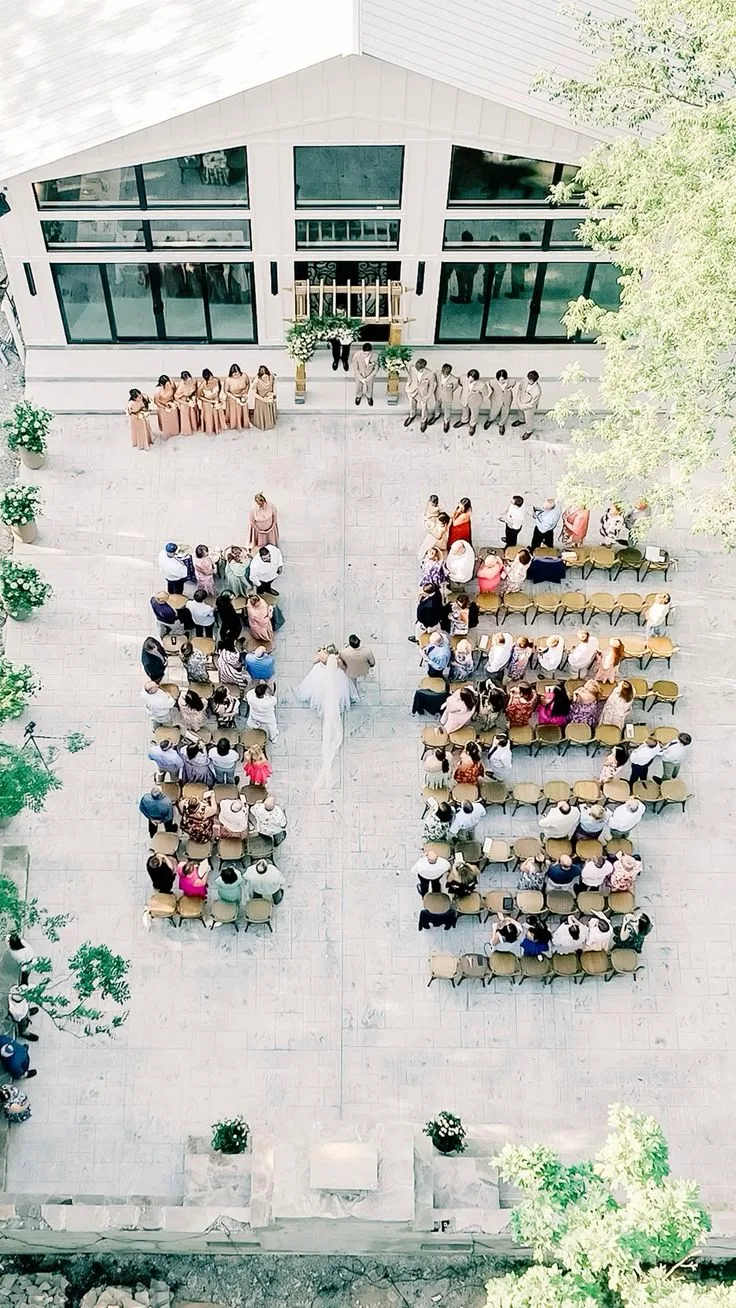
If your drone flights are purely for personal enjoyment, like capturing vacation footage or filming a neighborhood event that won't be shared for profit, you're generally considered a recreational flyer. However, if that footage is intended for any business purpose, whether it's for a client, an advertisement, real estate listings, or even a YouTube channel that generates revenue, it immediately falls into the commercial category. This shift from hobby to business operation is where licensing becomes essential.
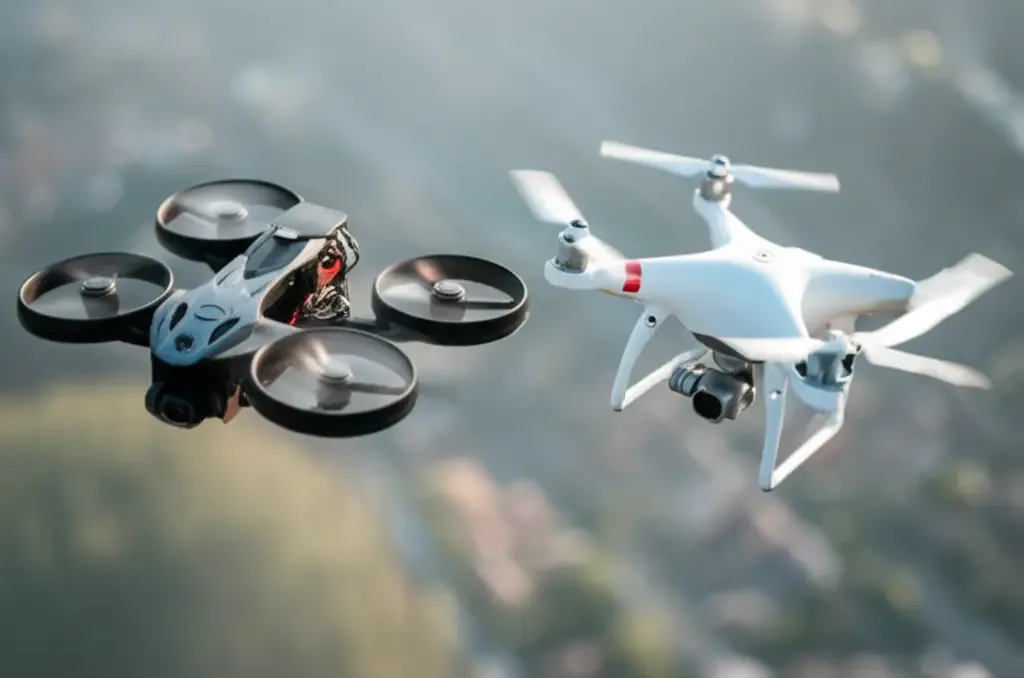
Image source: Bing (Web (fair-use with source credit))
Hobbyist Flight: Fun Without Fuss?
Flying a drone purely for recreation is designed to be more accessible. If your drone weighs 0.55 pounds (about 250 grams) or less, you might not even need to register it for hobby purposes, though you must still follow all safety guidelines. For drones weighing more than 0.55 pounds, registration with the FAA is required, even if you're only flying for fun.
Beyond registration, recreational pilots must also pass The Recreational UAS Safety Test (TRUST). This free, online test ensures you understand basic safety rules for operating drones. Successfully passing TRUST earns you a certificate, which you should keep with you while flying.
The core principle here is that the drone and its footage are for your personal enjoyment only, with no commercial ties whatsoever.
Commercial Operations: When a License is Non-Negotiable
If your drone videography efforts are linked to any form of business or compensation, you're operating commercially. This includes creating videos for clients, marketing materials, real estate listings, inspections, or any application where the footage will be used to generate revenue or provide a paid service. For these operations, obtaining a Remote Pilot Certificate, commonly known as a Part 107 license, is mandatory.
Without this certification, flying a drone for commercial purposes is illegal and can lead to significant fines. The Part 107 license signifies that you have the knowledge and skills to operate safely within the national airspace, understanding critical factors like airspace restrictions, weather, and aviation regulations. It's the official stamp of approval from the FAA for professional drone pilots.
Understanding Drone Registration Requirements
Regardless of whether you fly for fun or for profit, if your drone meets a certain weight threshold, it must be registered with the Federal Aviation Administration (FAA). This registration process helps identify the drone and its owner, which is crucial for accountability and safety in the airspace. It's a fundamental step for responsible drone operation.
The FAA's rules are quite clear on this. If your drone weighs 0.55 pounds or more, you are required to register it. This applies to both recreational and commercial flyers.
For recreational flyers, registration is a prerequisite for operating larger drones, while for commercial pilots, it's a standard part of the overall compliance process alongside obtaining the Part 107 certificate.
Drones Under 0.55 lbs: Still Need to Know the Rules
For the smallest drones, those weighing less than 0.55 pounds (approximately 250 grams), the registration requirement for purely recreational use is waived. This category often includes smaller, lighter drones that are popular for beginners or for indoor flying. However, not needing to register doesn't mean you can fly without any rules.
Even with these mini-drones, you must still adhere to all FAA safety guidelines for recreational flyers. This includes flying safely, not endangering other aircraft, and respecting controlled airspace. The key takeaway is that while registration might be avoided for light drones used recreationally, the responsibility for safe operation always remains.
Drones 0.55 lbs and Over: Registration is Key
For any drone weighing 0.55 pounds or more, registration is mandatory, period. This is true whether you're flying for pure hobby purposes or conducting commercial videography. The registration process is managed online through the FAA's DroneZone portal and involves providing your name, address, and drone details.
Once registered, you'll receive a unique registration number that must be physically marked on your drone. This mark is typically made with a permanent marker, label maker, or by engraving. The registration is valid for three years and must be renewed.
For commercial operators, this registered drone is then associated with your Part 107 certification.
The Part 107 Remote Pilot Certificate: Your Commercial Drone Ticket
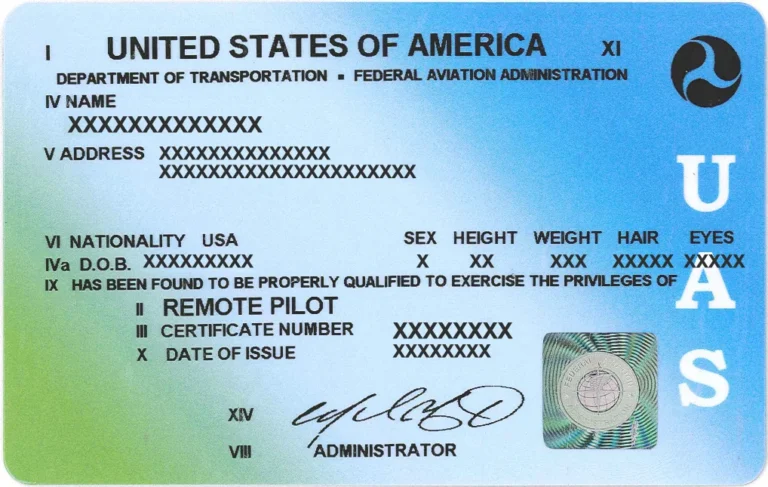
If your videography plans involve any commercial aspect, the Part 107 Remote Pilot Certificate is your golden ticket. Issued by the FAA, this certificate signifies that you have passed the necessary knowledge test and meet the requirements to operate a drone for business purposes within the United States' national airspace. It's not just a piece of paper; it's proof of your understanding of aviation safety and regulations.
Acquiring this certificate is a multi-step process that requires dedication and study. It ensures that commercial drone pilots are well-versed in crucial operational areas, from understanding airspace classifications and weather phenomena to knowing the operational limitations and rules of the sky. Without it, engaging in commercial drone videography means you are operating outside the law.
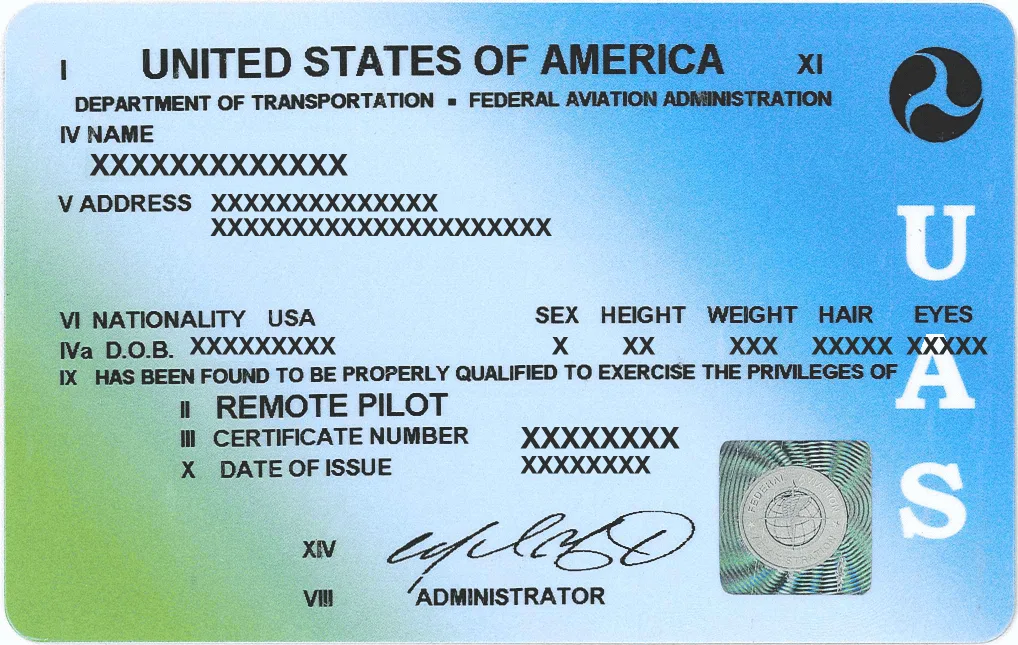
Image source: Bing (Web (fair-use with source credit))
What the Part 107 Entails: The Test and Beyond
To earn your Part 107 certificate, you must first pass the FAA's Aeronautical Knowledge Test at an FAA-approved testing center. This comprehensive exam covers a range of topics, including regulations, airspace, weather, loading and performance, and operating procedures. It requires significant study, as it tests your knowledge of aviation principles as they apply to drone operations.
Once you pass the test, you'll receive your Remote Pilot Certificate. However, the journey doesn't end there. To maintain its validity, you must complete recurrent training or testing every 24 calendar months.
This requirement is crucial for maintaining the validity of your Remote Pilot Certificate.
Recreational Drone Pilot Safety: The TRUST Test and Essential Rules
For those flying drones strictly as a hobby, the primary safety certification is The Recreational UAS Safety Test (TRUST). This free, online test is designed to gauge your understanding of the basic safety rules for recreational drone operation. It's not an exam you "fail" in the traditional sense; you simply need to pass it to demonstrate knowledge.
After successfully completing TRUST, you'll receive a completion certificate. It's a good practice to keep this certificate readily accessible, whether digitally on your phone or as a printed copy, when you're out flying. This certificate serves as proof that you've met the FAA's basic safety knowledge requirements for recreational pilots.
Key Safety Guidelines for Hobbyist Flyers
Beyond passing TRUST, recreational drone pilots must adhere to a strict set of safety guidelines. These rules are designed to prevent accidents and ensure the drone operates harmoniously within the broader national airspace system. Following them is not optional; it's part of being a responsible pilot.
These essential rules include keeping your drone within your visual line of sight at all times, meaning you can see it with your own eyes, without any visual aids like binoculars. You must also avoid flying directly over people or moving vehicles unless they are directly involved in your operation and have given consent. Furthermore, maintaining a safe distance from other aircraft is paramount.
Critical Flying Zones: Where Not to Fly (Even with a License)
Even if you hold a Part 107 certificate or have passed TRUST, there are specific areas where drone operation is restricted or prohibited. These zones are in place for safety and security reasons, and violating them can lead to serious penalties. Understanding these restrictions is paramount for any drone pilot.
Key restricted areas include proximity to airports (within 5 miles unless you have airport or FAA authorization), over stadiums during events, over national parks and some other federal lands without specific permission, and near critical infrastructure or temporary flight restrictions (TFRs) that are often put in place for emergency situations like wildfires or security events. Always check current airspace advisories and local regulations before you fly.
Navigating Airspace Restrictions: Tools and Techniques
To fly safely and legally, you need to be aware of the airspace you're entering. Fortunately, there are several tools available to help drone pilots identify potential restrictions. These resources provide real-time information about controlled airspace, TFRs, and other hazard areas.
Apps like B4UFLY from the FAA, or commercial drone operation platforms, can offer detailed maps showing where you can and cannot fly. They often display different classes of airspace, altitude limits, and the locations of temporary restrictions. Staying informed through these tools is a key part of responsible drone piloting and helps you avoid unintentional airspace violations.
Common Mistakes Drone Videographers Make
Even with the best intentions, drone videographers can fall into common traps that lead to legal trouble or poor results. One of the most frequent errors is operating without the proper certification when commercial use is involved. Many individuals mistakenly believe that if they aren't "making a living" from it, a license isn't required, which is incorrect.
Another common oversight is neglecting to check airspace restrictions before a flight. Drones can easily wander into restricted zones, leading to hefty fines or the confiscation of equipment. It’s crucial to treat every flight as if it requires pre-flight planning, no matter how familiar you are with the area.
Overlooking Drone Registration
A surprising number of drone pilots, both recreational and commercial, forget or overlook the requirement to register their drone if it weighs 0.55 pounds or more. This simple administrative step is a non-negotiable part of operating a drone legally. Failure to register can result in penalties similar to flying without a license.
Registration is straightforward and relatively inexpensive. It involves creating an account on the FAA's DroneZone website and providing details about your drone. Once completed, you’ll be issued a unique registration number that must be clearly marked on your drone.
Always ensure your drone is properly registered before its first flight.
Your Drone Videography License Decision Guide
To help clarify your licensing needs, consider these questions. Your answers will point you directly to the correct path for drone videography. This decision framework is designed to be straightforward and practical, cutting through any confusion about regulations.
- Question 1: Is this drone footage for personal enjoyment only, with no intention of selling it or using it for any business purpose?
- If YES: You are likely flying recreationally. Proceed to the "Recreational Drone Pilot Safety" section.
- If NO: You are likely flying for commercial purposes. Proceed to the "Part 107 Remote Pilot Certificate" section.
This binary choice is the most critical step. If there's any ambiguity about the commercial nature of your footage, it's always safer to assume it falls under commercial regulations and pursue the necessary licensing. The consequences of operating illegally can be severe.