How Much Can a Drone Videographer Make?
The question of "How much can a drone videographer make?" is complex, with earnings varying wildly based on a professional's skill, niche, and business acumen. There's no single salary figure; instead, it's a dynamic range influenced by project type, equipment quality, and market demand.
In our research, top-tier drone videographers can command significant fees, often exceeding $500 per day. However, those just starting might see rates closer to $75 per hour. This wide disparity highlights the importance of understanding the many factors that contribute to a drone pilot's earning potential.
Image source: Bing (Web (fair-use with source credit))
Quick Answer
Drone videographers can earn anywhere from $75 per hour to over $500 per day. Top professionals with specialized skills and high-end equipment might charge project rates of $1,500 to $5,000 or more. Earnings depend heavily on experience, niche services, and client type, with rates fluctuating significantly.
Real-World Earnings: What to Expect (and Why)
The financial reality for a drone videographer isn't a simple hourly wage; it's a patchwork of project fees, day rates, and sometimes retainer agreements. As of 2026, the freelance market continues to be robust for skilled aerial cinematographers, but success hinges on more than just flying capability. Our research indicates that income is directly tied to a combination of technical skill, business management, and market positioning.
This means that while a passion for drones is the starting point, turning it into a consistently profitable career requires a strategic approach to pricing, client acquisition, and service delivery. Understanding these elements is key to setting realistic income expectations.
Image source: Bing (Web (fair-use with source credit))
The Factors That Drive Drone Videographer Income
Several core elements dictate how much a drone videographer can earn. These aren't just minor influences; they are the foundational pillars upon which a profitable drone business is built. Ignoring any of these can lead to underestimated pricing and reduced income potential.
- Experience Level: A drone pilot with years of experience in complex shoots will command higher rates than someone who just got their certification.
- Niche Specialization: Focusing on high-demand areas like real estate, commercial advertising, or film production can lead to higher project values compared to general event coverage.
- Equipment Quality: Professional-grade drones, high-resolution cameras, and advanced stabilization systems allow for higher-quality output, justifying premium pricing.
- Client Type: Corporate clients and large businesses typically have larger budgets than individual consumers or small local businesses.
- Service Package: Offering bundled services (e.g., raw footage, edited highlight reel, multiple camera angles) can increase the overall value and price of a project.
- Geographic Location: Demand and typical rates can vary significantly between major metropolitan areas and smaller towns.
Your Skill Level and Experience: The Biggest Game-Changer
This is arguably the most significant factor influencing your earning potential as a drone videographer. When clients look to hire an aerial cinematographer, they're not just paying for someone to fly a drone; they're paying for the creative vision, technical execution, and problem-solving abilities that come with seasoned professionals.
- Beginner: Just starting out, perhaps with basic Part 107 certification (if applicable in your region, like in the U.S.) and a consumer-grade drone. They are still learning advanced flight maneuvers and editing techniques. Their rates might be lower, often around $75-$125 per hour, and they may assist more experienced pilots to gain experience.
- Intermediate: Possessing a few years of experience, a solid portfolio, and reliable professional equipment. They can handle most standard projects confidently. Hourly rates might range from $125-$200, with project fees reflecting greater value.
- Advanced/Expert: Years of dedicated experience, often with specialized training in cinematography, advanced drone systems, and complex post-production. They can execute highly specific creative shots and work on demanding projects like film sets or major advertising campaigns. Their rates can easily be $200-$300+ per hour, or project fees in the thousands.
Clients recognize that extensive experience translates to fewer mistakes, better results, and a smoother overall production process.
Specializing Your Services: From Real Estate to Weddings
The drone videography market isn't a one-size-fits-all landscape. Different industries have vastly different needs and budgets, which directly impacts how much you can charge. Focusing on a specific niche allows you to develop specialized skills and marketing strategies that resonate with particular client bases.
- Real Estate: This is a common entry point. Drone footage dramatically improves property listings with aerial views, neighborhood context, and walkthroughs. Projects are often priced per property, typically ranging from $300 to $800 for standard packages, with higher fees for larger estates or video tours.
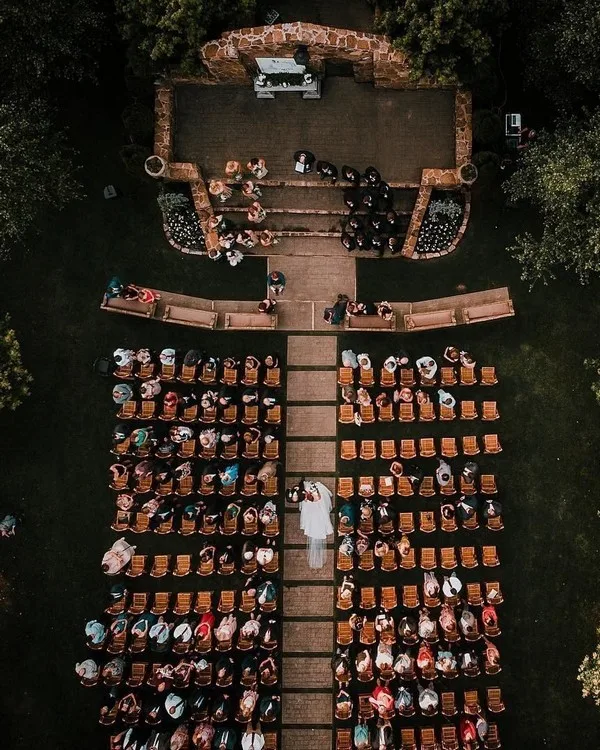
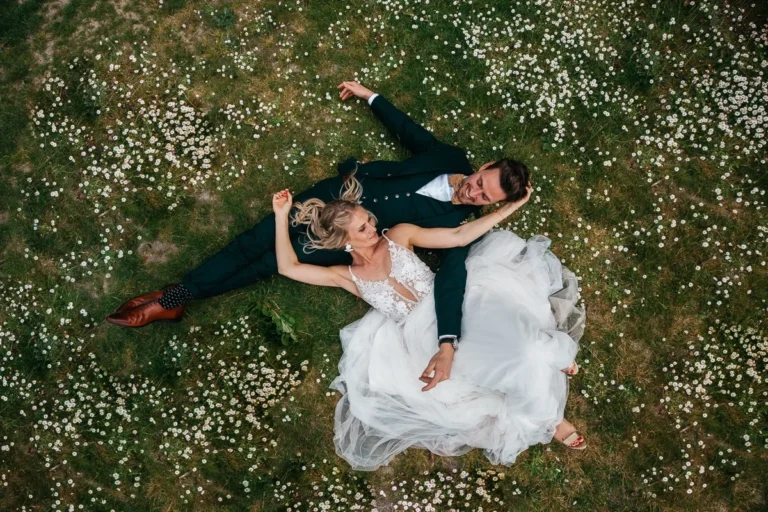
- Weddings and Events: Offering breathtaking aerial shots of venues, ceremonies, and celebrations adds a unique, cinematic quality to wedding videos. These packages can range from $800 to $2,500+, depending on coverage hours and deliverables.
- Commercials and Marketing: Businesses use drone footage for advertisements, promotional content, and brand storytelling. These projects often have the highest budgets, with fees ranging from $1,500 to $10,000+ depending on the scope, complexity, and usage rights.
- Inspections and Surveying: While less creative, specialized drone services for infrastructure inspection (bridges, power lines, cell towers) or land surveying require specific certifications and expertise, often commanding high day rates, sometimes $1,000-$2,000 or more.
Choosing a specialization means you can tailor your equipment, skills, and marketing to attract and serve specific client needs more effectively.
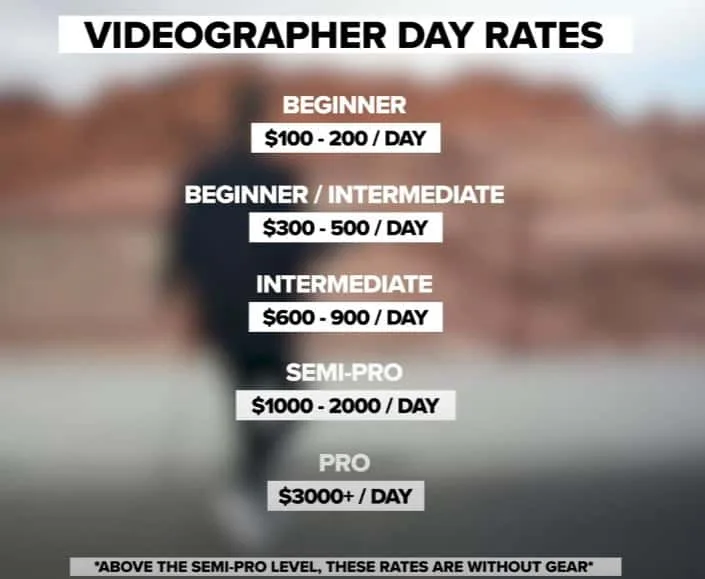
Image source: Bing (Web (fair-use with source credit))
Understanding Drone Videography Pricing Models
How you structure your fees as a drone videographer is just as important as the quality of your work. Different pricing models suit different types of projects and clients, and understanding these can help you maximize your income. It’s not just about setting a price, but about conveying value.
Hourly Rates: The Breakdown
Charging by the hour is common, especially for newer professionals or for projects where the scope might be a bit uncertain upfront. It offers a clear way for clients to understand costs based on time spent.
- How it works: You set a specific rate per hour for your drone piloting and video capture services. This rate often includes basic editing or is for capture only, with editing billed separately.
- Typical Rates: Entry-level pilots might charge $75-$125 per hour. More experienced professionals can command $150-$300 per hour. Specialists in demanding fields could ask for $300-$500+ per hour.
- Pros: Simple to track for both parties, good for smaller, less defined projects.
- Cons: Can be unpredictable for clients on budget, might incentivize faster (not necessarily better) work.
Project-Based Fees: When They Make Sense
This model is often preferred for clearly defined projects, such as a real estate listing video or a short promotional clip. Clients appreciate knowing the total cost upfront, and it allows you to price based on the value and complexity of the final deliverable, not just the time spent.
- How it works: You quote a single price for the entire project, from initial consultation and planning through to final delivery of the edited video. This requires careful estimation of your time, resources, and the perceived value to the client.
- Typical Projects: Real estate property videos, small business brand stories, event highlight reels, short commercial spots.
- Pricing Examples: A standard real estate video might range from $300-$800. A more involved corporate video could be $1,500-$5,000.
- Pros: Predictable costs for clients, allows you to profit more if you're efficient, encourages focus on the final outcome.
- Cons: Requires accurate scoping and estimation to avoid undercharging; scope creep can significantly impact profitability.
Day Rates: For Larger Shoots
For longer projects, like commercial shoots or film productions that require a drone pilot for a full day or multiple days, a day rate is common. This simplifies invoicing for extended engagements.
- How it works: You establish a flat fee for a standard working day, typically 8-10 hours. Any work beyond that usually incurs overtime charges or is renegotiated.
- Typical Use: Film sets, multi-day commercial shoots, extensive event coverage.
- Rate Range: Day rates can vary significantly, from $500 for less experienced pilots on simpler jobs to $2,000+ per day for highly sought-after specialists with advanced equipment.
- Pros: Streamlines billing for extended commitments, offers clients a clear cost for a full day's service.
- Cons: Requires careful definition of what constitutes a "day," and clear terms for overtime.
Diving into the Numbers: Earning Ranges and Benchmarks
Understanding the typical earnings for drone videographers is crucial for setting realistic goals and pricing your services effectively. The data available suggests a broad spectrum, heavily influenced by the factors we've covered, but understanding these benchmarks provides a solid foundation for your own rate setting.
| Service Type | Typical Rate Range (USD) | Notes |
|---|---|---|
| Hourly Rate (Basic) | $75 – $150 | Entry-level, simple tasks, limited editing. |
| Hourly Rate (Pro) | $150 – $300 | Experienced, professional equipment, standard editing included. |
| Real Estate Package | $300 – $800 | Standard property video, aerial exteriors, basic edits. |
| Wedding Highlight Reel | $800 – $2,500+ | Covers flight time, edited integration into main film, separate aerial reel. |
| Corporate Video (Short) | $1,500 – $5,000+ | Includes planning, filming, advanced editing, potential for revisions. |
| Day Rate (Professional) | $500 – $1,000 | Standard 8-10 hour workday, can increase for specialized work. |
| Day Rate (Expert) | $1,000 – $2,500+ | High-end cinematography, film production, specialized equipment. |
These figures are estimates, and actual pricing can be higher or lower depending on your specific market, experience, and the unique demands of each project. As of 2026, the demand for high-quality aerial content continues to drive these rates upwards for skilled professionals.
Entry-Level & Emerging Videographers
For those just starting out, income potential is often more modest as they build their portfolio and client base. This stage is about gaining experience and proving reliability.
- Typical Income: Hourly rates often fall between $75 and $150. Project-based work might yield $200-$500 for simpler tasks like basic real estate shots or small local events.
- Focus: Gaining practical experience, refining flight skills, learning editing software, and securing foundational Part 107 certification (where applicable).
- Challenges: Less negotiating power, often competing on price, and the need to invest in foundational equipment without immediate high returns. Many emerging pilots also work part-time while pursuing other income streams.
Professional & Experienced Drone Pilots
Once you've established a track record, developed a strong portfolio, and invested in professional-grade equipment, your earning potential increases significantly. This tier typically involves more complex projects and clients willing to pay for quality and reliability.
- Typical Income: Hourly rates can range from $150 to $300. Project fees commonly start at $800 for more involved real estate or small business marketing videos and can go up to $3,000-$5,000 for corporate clients or mid-range commercials. Day rates might be $500-$1,000.
- Focus: Building client relationships, offering specialized services, marketing effectively, and ensuring efficient project turnaround.
- Advantages: Stronger negotiating position, ability to attract higher-paying clients, and more consistent work if business management is solid.
Expert & Specialist Rates
At the highest end of the spectrum are drone videographers who are masters of their craft. This includes those with extensive experience in cinematic production, specialized industries like film or large-scale commercial advertising, and who possess high-end, specialized drone technology.
- Typical Income: Hourly rates can easily reach $200-$500+. Project fees for major commercial campaigns or film work can range from $5,000 to $20,000+, depending on usage rights and production scale. Day rates can be $1,000-$2,500 or higher.
- Focus: High-stakes productions, complex aerial cinematography, unique technical skills (e.g., advanced motion tracking, specialized payloads), and strong industry connections.
- Demand: These professionals are in demand for feature films, national advertising campaigns, and high-production value documentaries where exceptional aerial footage is critical. Their expertise commands a premium due to the impact on the final product and the reduced risk of technical issues.
Case Studies: Seeing the Numbers in Action
To truly grasp how much a drone videographer can make, looking at real-world scenarios is invaluable. These case studies illustrate how different paths and specializations lead to varied income levels, highlighting the practical application of pricing models and market demand.
Case Study 1: The Emerging Real Estate Specialist
Sarah, based in a mid-sized city, launched her drone videography business focused solely on residential and commercial real estate listings. She obtained her Part 107 certification and invested in a quality camera drone with 4K capabilities.
- Pricing: She charges $450 for a standard real estate package, which includes exterior aerial shots, a brief property interior walkthrough captured by the drone (where feasible), and a short, edited highlight video with music.
- Client Acquisition: She networked with local real estate agents and offered a discounted introductory rate for the first few clients to build her portfolio.
- Monthly Workflow: In a moderately active market month, Sarah typically books 5-7 properties.
- Estimated Monthly Gross Income: This puts her gross earnings in the range of $2,250 to $3,150 per month. After deducting expenses for insurance, equipment maintenance, software subscriptions, and marketing, her net income is lower but still provides a solid starting income.
Case Study 2: The Established Wedding Drone Pilot
Mark operates a well-regarded drone videography service specializing in wedding and event coverage. He has been in business for four years, has a strong portfolio of cinematic wedding films, and has invested in advanced drones and stabilization equipment for smooth, professional shots.
- Pricing: His premium wedding drone package is $1,500. This includes 4 hours of flight time on the wedding day, capturing key moments from unique aerial perspectives, edited aerial footage integrated into the main wedding film, and a separate short aerial highlight reel.
- Client Acquisition: He relies heavily on referrals from wedding photographers, planners, and satisfied couples, alongside a professional website showcasing his work.
- Seasonal Workflow: During peak wedding season (typically May through October), Mark averages 3-4 weddings per month.
- Estimated Seasonal Monthly Gross Income: His gross income during the peak season can range from $4,500 to $6,000 per month. Off-season months are slower, requiring him to seek out other types of aerial work or offer specialized holiday videography to maintain consistent income.
Step-by-Step Process: Taking on a Drone Videography Project
Getting a drone videography project from inquiry to final delivery involves a structured approach. This process ensures clear communication with the client, efficient execution, and professional results, all of which contribute to your reputation and earning potential.
- Initial Consultation & Needs Assessment: This is where you actively listen to the client's goals. What is the purpose of the video? Who is the target audience? What specific shots or areas do they want to cover? Clearly understanding their vision prevents misunderstandings later.
- Quoting & Contract Agreement: Based on the consultation, you provide a detailed quote outlining the scope of work, deliverables, pricing (hourly, project, or day rate), and payment terms. A clear contract is essential to protect both parties.
- Pre-Flight Planning & Permitting: This involves scouting locations, checking airspace restrictions, assessing potential hazards, and obtaining any necessary permits or waivers. Proper planning minimizes risks and ensures smooth operation on the day of the shoot.
- On-Site Filming: Execute the planned shots while remaining adaptable to on-site conditions. Maintain clear communication with the client if any adjustments are needed.
- Post-Production: This includes editing the footage, adding graphics or music, color grading, and rendering the final video file in the agreed-upon format.
- Client Review & Revisions: Present a draft of the video for client feedback. Most contracts include a set number of revisions to ensure client satisfaction.
- Final Delivery & Payment: Deliver the final, approved video files and collect the remaining payment.
Taking on a Project: What's the Workflow?
The workflow for a drone videography project typically begins with understanding the client's needs thoroughly. If a client approaches you for a real estate video, the first step is a detailed conversation about the property, its unique selling points, and the desired aesthetic.
Following this, you'd provide a quote that breaks down costs for flight time, editing, and any specific requirements. Once the quote is accepted and a contract signed, you move into the crucial pre-flight planning phase. This includes scouting the location to identify the best angles, checking local airspace regulations via resources like the FAA's B4UFLY app, and ensuring you have all necessary insurance documentation.
The actual flight and filming are followed by the post-production stage, where footage is edited into a compelling narrative. Finally, client review and delivery complete the process, with clear communication at each step being key to a successful and profitable engagement.
Mistakes to Avoid: Common Errors That Dent Your Earnings
Even skilled drone pilots can encounter issues that impact their profitability and reputation. Recognizing and actively avoiding these common mistakes is a hallmark of a successful freelance business. These aren't just minor inconveniences; they can lead to lost income, damaged client relationships, and even legal trouble.
- Ignoring Airspace Regulations: This is critical. Flying in restricted airspace without proper authorization can result in hefty fines from aviation authorities. Always check local rules and altitude limits before flight. For example, in the U.S., the FAA has specific rules regarding flying over people or moving vehicles that must be followed.
- Lack of a Clear Contract: Without a signed contract detailing the scope of work, deliverables, timelines, and payment terms, you leave yourself open to disputes and "scope creep." This can lead to clients demanding more than you initially quoted, eroding your profit margin.
- Over-promising and Under-delivering: It's tempting to agree to every client request, but setting unrealistic expectations about what your equipment or time allows can lead to disappointment and negative reviews. Be honest about your capabilities and timelines.
- Neglecting Backup Equipment: A drone malfunction mid-shoot can halt production entirely, costing you valuable time and money, and frustrating clients. Always have backup batteries, memory cards, and even a spare drone if feasible for critical jobs.
- Poor Client Communication: Lack of regular updates, not addressing client concerns promptly, or failing to clarify expectations can lead to misunderstandings. Consistent and clear communication is key to a smooth client experience and repeat business.
Frequently Asked Questions About Drone Videographer Earnings
How much does a drone pilot make annually?
Annual income for drone pilots varies drastically. A part-time pilot might earn $10,000-$20,000 annually from sporadic jobs, while a full-time, established professional with a strong client base and specialized services could earn $50,000-$100,000 or even more in lucrative niches.
Is drone videography a profitable business?
Yes, drone videography can be a highly profitable business, especially for those who specialize, invest in quality equipment, and manage their operations effectively. Profitability depends on consistent client acquisition, smart pricing, and efficient project completion, with net margins often higher for experienced professionals.
What's the difference in pay between a hobbyist and a professional drone pilot?
A hobbyist might fly for fun or for very low rates on small personal projects, often not covering their costs. A professional drone pilot charges market rates based on their expertise, equipment, insurance, and the value they bring to commercial clients, aiming for a sustainable profit margin.
Do I need to be certified to make money flying drones?
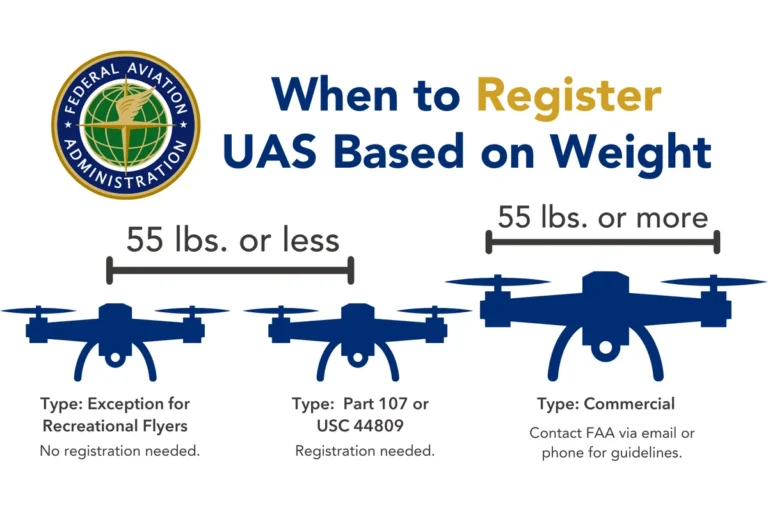
In many countries, including the U.S. (requiring FAA Part 107 certification), you legally need commercial certification to operate drones for compensation. This ensures a baseline level of knowledge regarding aviation safety and regulations.