What Lens Is Best for Drone Videography?
Deciding what lens is best for drone videography can feel overwhelming, but it really comes down to what you want to capture. The right lens can transform your aerial footage from amateur to breathtaking, making your subjects pop and your landscapes feel epic. It’s about matching the tool to your vision, whether you’re shooting sweeping vistas or intricate details.
Manufacturer specifications for most drone cameras indicate a standard equivalent focal length, often around 24mm. However, exploring different focal lengths, from wide-angle to telephoto, allows for far greater creative control. Understanding these options is the first step to unlocking your drone's full videography potential.
Quick Answer
The best lens for drone videography depends on your subject and desired look. Wide-angle lenses (around 15-24mm) capture expansive landscapes. Standard to short telephoto lenses (35-85mm) offer natural perspectives for storytelling.
Telephoto lenses (70mm+) are ideal for distant subjects.
Understanding Drone Lens Basics: Focal Length & Aperture
Drone videography lenses are defined by a couple of key characteristics: focal length and aperture. These two specs dictate how your footage will look, influencing everything from how much of the scene you capture to how well you perform in low light. Understanding them is crucial for making informed choices.
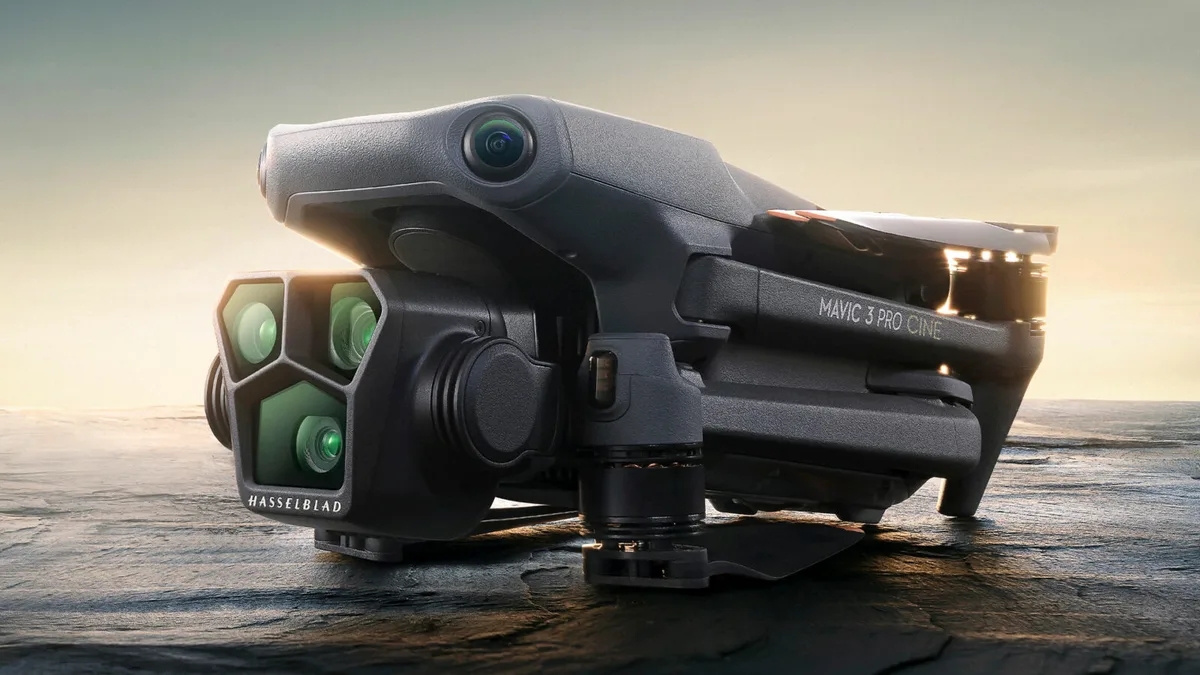
Image source: Bing (Web (fair-use with source credit))
Focal Length: How Zoom Affects Your Shot
Focal length, measured in millimeters (mm), tells you how zoomed in your lens is and how wide of a field of view it offers. It's often expressed as an "equivalent" focal length to make it comparable to traditional cameras.
- Wide-angle lenses (typically 15mm to 30mm equivalent) capture a broad scene. This makes them fantastic for expansive landscape shots, real estate tours, or establishing shots that show the overall environment. They can make spaces feel larger but can also introduce some distortion at the edges if subjects are too close.
- Standard lenses (around 35mm to 70mm equivalent) offer a field of view similar to what the human eye sees. They are versatile for general shooting, isolating subjects slightly without extreme magnification, and can provide a more natural look for storytelling.
- Telephoto lenses (70mm and above, often 200mm+) act like a powerful zoom, bringing distant subjects much closer. This is invaluable for wildlife videography, capturing fine details on buildings, or creating a compressed perspective where background elements appear closer to the subject.
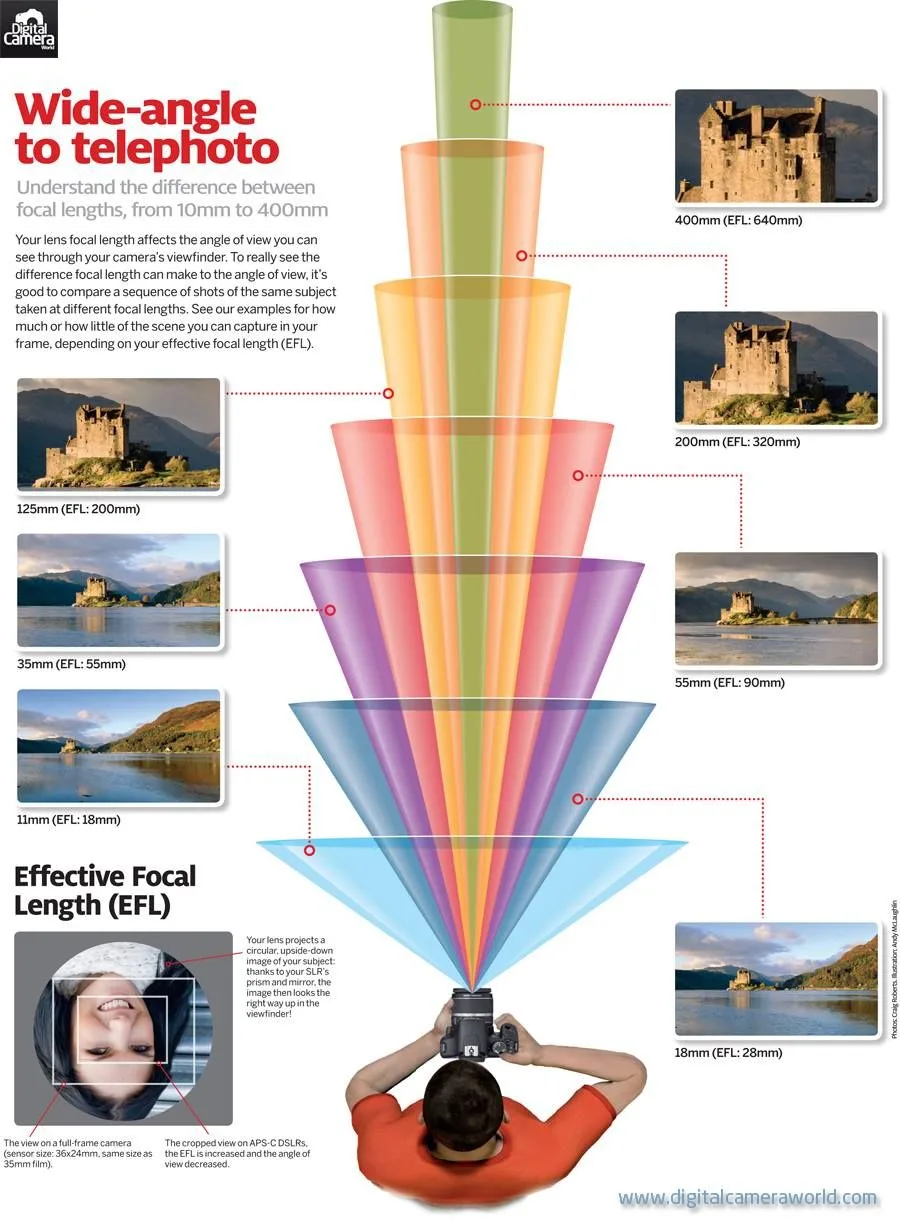
Image source: Bing (Web (fair-use with source credit))
Aperture: Controlling Light and Depth
Aperture refers to the adjustable opening within the lens that controls how much light reaches the camera's sensor. It's measured in f-stops, like f/1.8, f/2.8, or f/4.
- A wider aperture (indicated by a lower f-number, such as f/1.8) lets in more light. This is a significant advantage when filming in darker conditions, reducing noise and producing brighter images. It also allows for a shallower depth of field, where the subject is in sharp focus while the background blurs, creating a professional, cinematic look.
- A narrower aperture (a higher f-number, like f/8) restricts light but increases the depth of field. This means more of the scene, from foreground to background, will be in sharp focus. This is often preferred for landscape shots where you want everything to be crisp and clear.
Choosing the Right Lens for Your Drone Footage
The specific type of video you aim to create should heavily influence your lens choice. Each focal length and aperture setting serves a different purpose, and understanding these nuances will elevate your drone videography.
Epic Landscapes: Wide-Angle Wonders
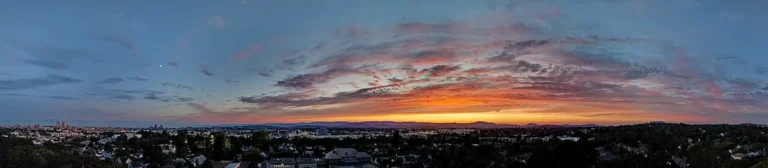
For breathtaking panoramic views and grand vistas, a wide-angle lens is your go-to. Typically ranging from 15mm to 24mm equivalent focal length, these lenses capture a vast field of view, allowing you to fit more of the stunning scenery into a single frame.
- Best for: Sweeping mountain ranges, expansive coastlines, vast deserts, cityscapes from a distance.
- Why it works: It mimics the expansive feeling of looking out over a huge area, drawing the viewer into the scene.
- Considerations: While great for scale, be mindful of potential distortion, especially if there are prominent vertical lines near the edge of your frame, and ensure your drone's sensor can handle the dynamic range of bright skies and darker land.
Cinematic Storytelling: Standard to Telephoto Views
When your goal is to tell a story, isolate a subject, or create a more visually engaging narrative, moving beyond the standard wide-angle is key. Standard to short telephoto lenses offer a more natural perspective and can significantly enhance your storytelling.
- Best for: Following a moving subject (like a car or person), capturing architectural details, isolating a specific element within a larger scene.
- Why it works: A standard focal length (around 35-50mm) mirrors human vision, feeling natural. Short telephotos (50-85mm) start to compress the background, making your subject stand out more clearly against a softer, less distracting backdrop.
- Considerations: You'll need to fly closer to your subject than with a wide-angle, which might require more precise piloting. Some drones offer excellent optical zoom in this range, providing flexibility without sacrificing quality.
Wildlife & Detail: The Power of Telephoto
Capturing elusive wildlife or intricate details on structures from a safe distance requires the reach of a telephoto lens. These lenses magnify distant subjects, allowing for intimate shots without disturbing your subject.
- Best for: Bird watching from afar, filming animals in their natural habitat, capturing high-level architectural textures or patterns.
- Why it works: Telephoto lenses (70mm+) provide significant magnification and also compress the perspective. This compression can make distant elements appear closer together, adding a dramatic effect to your shots.
- Considerations: Longer focal lengths can make drone stabilization more critical, as even slight movements are amplified. Drones capable of carrying or integrating telephoto lenses are often larger and more expensive.
Real Estate & Architecture: Showcasing Space
For real estate agents, architects, or anyone showcasing properties, the right lens is crucial for making spaces look appealing and accurately representing their scale. Wide-angle lenses are generally the primary choice here.
- Best for: Showing the full extent of a property, making interior rooms appear larger, highlighting exterior design and land features.
- Why it works: A wide-angle lens (typically 18-24mm equivalent) ensures you can capture the entire property, from the curb appeal to the backyard. It helps potential buyers or clients get a comprehensive feel for the space without needing to be there in person.
- Considerations: Be mindful of distortion, especially on very wide lenses, which can slightly warp straight lines. For interior shots, ensuring sufficient lighting is key, as the drone's sensor will be working hard.
Fixed vs. Interchangeable Drone Lenses: What's the Difference?
When you're looking at drones, you'll notice two main types of cameras: those with fixed lenses and those that allow you to swap lenses. Each has its own set of advantages, and the choice often depends on your budget, technical needs, and how serious you are about specific types of videography.
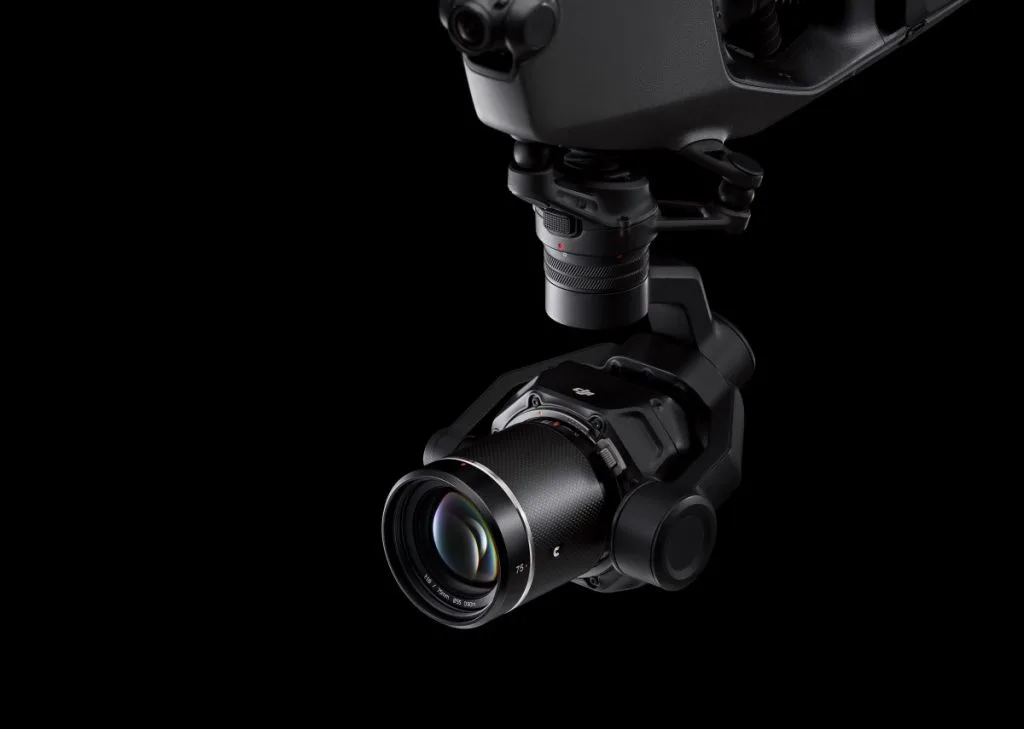
Image source: Bing (Web (fair-use with source credit))
The Versatility of Fixed Lenses
Most consumer drones, from entry-level models to mid-range options, come equipped with a fixed, integrated lens. These are typically wide-angle lenses, designed to be a good all-around performer for general aerial photography and videography.
- Pros:
- Simplicity: No need to worry about changing or cleaning lenses.
- Durability: The lens is usually well-protected within the drone's design.
- Cost-Effective: Drones with fixed lenses are generally more affordable.
- Optimized Performance: Manufacturers design the fixed lens to work seamlessly with the drone's sensor for optimal image quality.
- Cons:
- Limited Flexibility: You're stuck with one field of view, which might not be ideal for every shooting scenario.
- No Optical Zoom: Many fixed lenses lack optical zoom, meaning any "zoom" is digital, which degrades image quality.
When to Consider Interchangeable Lenses
Drones that support interchangeable lenses are typically found in the professional and prosumer categories. These systems allow you to detach the drone's default lens and attach others, offering a far greater degree of creative control and specialization.
- Pros:
- Ultimate Flexibility: You can choose lenses with different focal lengths (wide, standard, telephoto) and apertures to suit any situation.
- Specialization: Ideal for niche applications like telephoto wildlife filming or using lenses with very wide apertures for low-light.
- Higher Image Quality Potential: You can often select from a range of high-quality third-party lenses.
- Cons:
- Increased Cost: Drones supporting interchangeable lenses, plus the lenses themselves, represent a significant investment.
- Complexity: Requires more knowledge to select, swap, and maintain lenses.
- Risk of Damage: Lenses are exposed and require careful handling and storage.
- Payload Limitations: Heavier lenses can impact flight time and drone performance.
Common Drone Lens Mistakes to Avoid
Even with the best drone and lens, you can still end up with less-than-ideal footage if you fall into some common traps. Knowing these pitfalls can help you avoid them and improve your results.
Over-Reliance on Digital Zoom
Digital zoom is essentially cropping into your image after it's captured and then enlarging that cropped section. It's not true magnification. While it might seem convenient on a fixed-lens drone, it quickly leads to pixelation and a significant loss of detail and sharpness.
Our research consistently shows that for professional-looking footage, digital zoom should be used sparingly, if at all. If you need a tighter shot, it's always better to physically fly the drone closer to your subject.
Ignoring Focal Length for Specific Shots
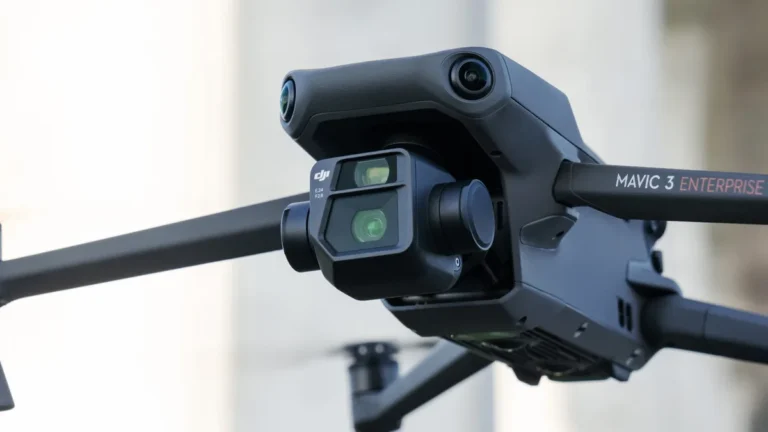
Many pilots stick to the default wide-angle lens for every shot, thinking it's sufficient. However, manufacturer specifications for cameras like those on the DJI Mavic 3 series, for example, show that different focal lengths are optimal for different scenes. Using a wide-angle for a distant subject you want to isolate, or trying to film an entire room with a telephoto lens, will yield poor results.
Understanding when a telephoto lens is needed for compression or a standard lens for a natural look can dramatically improve your composition and storytelling.
Flying Too Close or Too Far with the Wrong Lens
This mistake ties directly into focal length. If you're using a wide-angle lens to film a person up close, you'll likely get unflattering distortion, making their features look stretched. Conversely, trying to film a sweeping landscape with a telephoto lens will result in a very narrow, cropped view that misses the grandeur of the scene.
The effective focal length determines the perceived distance and scale, so matching it to your subject and desired framing is paramount.
Expert Tips for Maximizing Your Drone Lens
Getting the most out of your drone's lens involves more than just pointing and shooting. A few strategic approaches can help you achieve professional-level results, even with standard equipment.
Mastering Flight Path for Composition
The way you move your drone significantly impacts the final footage, especially with different focal lengths. A smooth, controlled flight path is essential. For wide-angle shots, sweeping movements can emphasize scale and motion.
When using longer focal lengths, slower, more deliberate movements are usually best to avoid jarring footage. Think about the story you're telling: does the scene require a dramatic reveal with a slow ascent, or a dynamic fly-through? Planning your flight path beforehand, considering the lens's field of view, is a pro move that elevates your videography.
The Role of ND Filters with Your Lens
While not a lens itself, an ND (Neutral Density) filter is an accessory that works in conjunction with your lens and camera. ND filters reduce the amount of light entering the lens, allowing you to maintain a cinematic shutter speed (typically 1/50 sec for 24fps footage) even in bright daylight. Without them, your footage can look overly bright with a choppy, unnatural motion blur.
Using ND filters is especially important for drone videography, as many drones operate in sunny conditions. Different strengths of ND filters (e.g., ND8, ND16, ND32) allow you to adapt to varying light levels.
Frequently Asked Questions About Drone Lenses
What is the best focal length for general drone videography?
The best general focal length for drone videography is typically around 24mm equivalent. This offers a wide field of view, capturing plenty of scenery without excessive distortion, making it versatile for many common shots.
Can I use a smartphone lens on a drone?
No, you cannot typically use a smartphone lens directly on a drone. Drones have integrated camera systems, and while some higher-end models allow lens changes, they require specific mounts and lens types designed for that drone's camera sensor and payload capacity.
How important is aperture for drone videography?
Aperture is quite important, especially for controlling light and achieving a shallow depth of field. Wider apertures (lower f-numbers) let in more light, improving low-light performance and allowing for a cinematic background blur, which can make your subject stand out.
What's the difference between optical and digital zoom on a drone?
Optical zoom uses the lens elements to magnify the image, maintaining quality. Digital zoom is simply cropping and enlarging the existing image data, which significantly degrades resolution and sharpness. Drone manufacturers often specify optical zoom capabilities separately from digital zoom.