How Many Megapixels Should a Drone Camera Have?
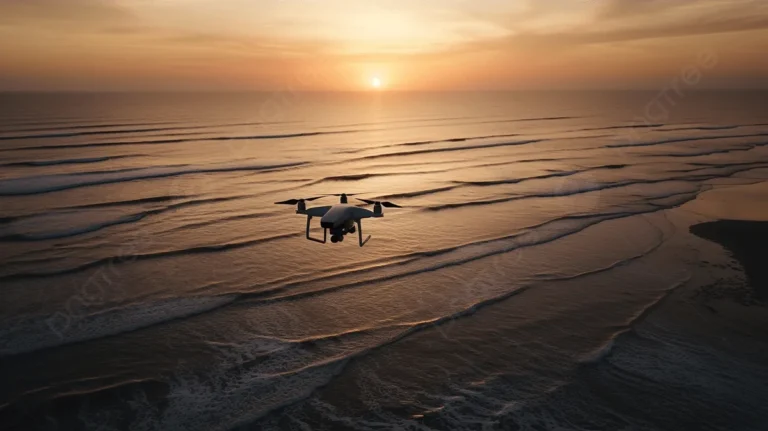
Figuring out how many megapixels your drone camera needs can feel like deciphering a secret code. You see numbers like 48MP or even 100MP advertised, and it's easy to think more is always better. However, the actual number you need really comes down to what you plan to do with your drone footage and photos.
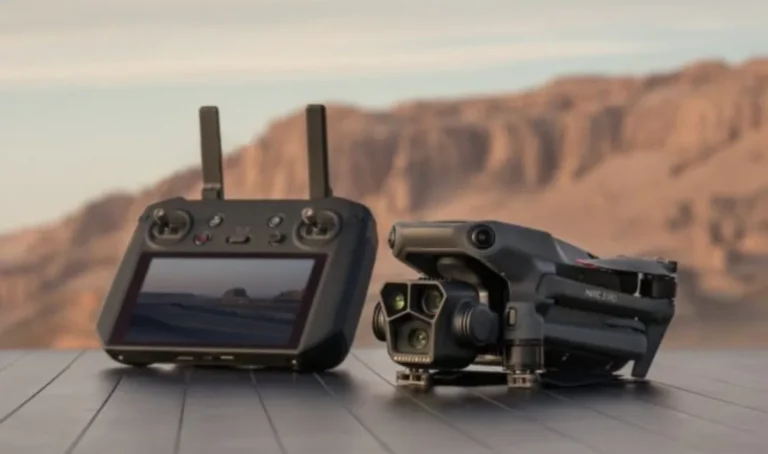
In our research, we've found that while megapixel count is a key spec, it's only one piece of the puzzle. Factors like sensor size, lens quality, and image stabilization play equally important roles in the final image quality. As of 2026, the drone market offers a vast range of cameras, from basic shooters to professional-grade sensors, each suited for different tasks.
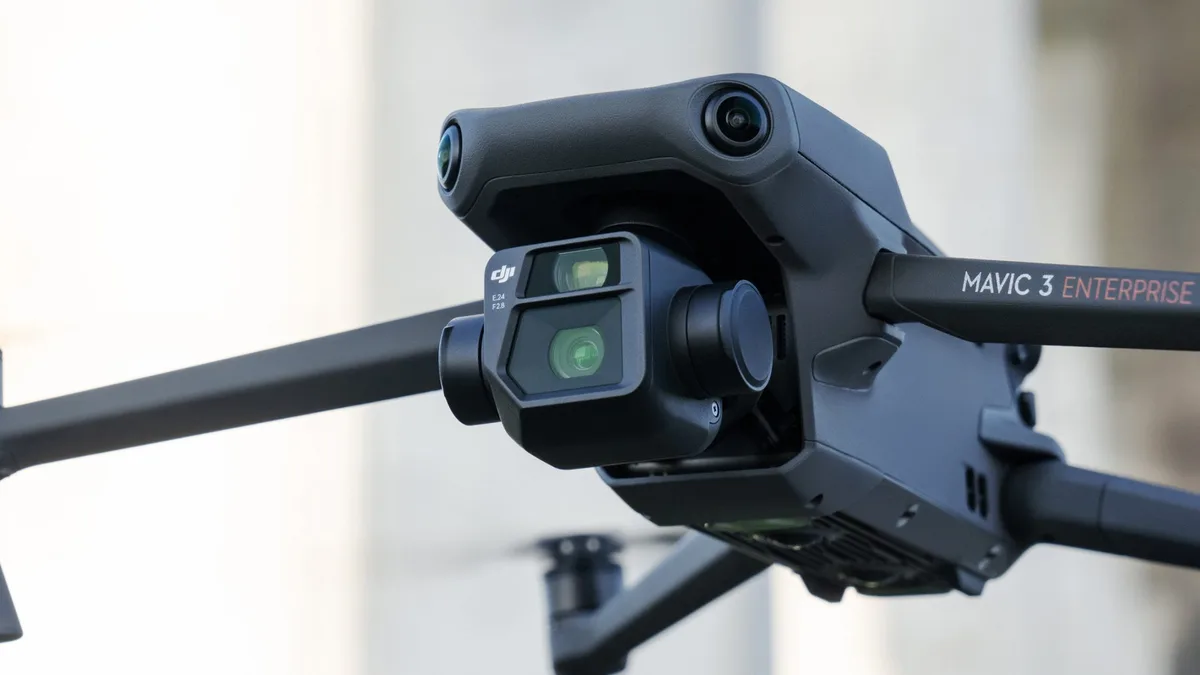
Image source: Bing (Web (fair-use with source credit))
Quick Answer
For casual use and social media, 12MP to 20MP is typically sufficient. Hobbyists may prefer 20MP to 48MP for better cropping and print quality. Professional applications often benefit from 48MP or higher for maximum detail.
What Megapixels Actually Mean for Drone Photos
Megapixels, short for "million pixels," describe the resolution of a digital image. Essentially, it’s the total count of tiny picture elements that make up a photograph. A higher megapixel count means more pixels are packed into the image, which theoretically allows for greater detail and sharper images, especially when you zoom in or crop your photos later.
Think of it like a mosaic. A mosaic with more tiny tiles can create a more intricate and detailed picture than one with fewer, larger tiles. However, just having more tiles doesn't guarantee a beautiful mosaic if the quality of the tiles or the artist's skill isn't there.
Understanding the Numbers Game
When drone manufacturers list megapixel counts, they're referring to the output resolution of the camera sensor. For instance, a 48MP camera captures 48 million pixels for a single image. This data is then processed and saved, usually as a JPEG or a RAW file.
Beyond Megapixels: Sensor Size, Lenses, and Stabilization
While megapixels are a headline spec, they don't tell the whole story about image quality.
- Sensor Size: A larger sensor, even with fewer megapixels, can often capture more light. This results in better performance in low-light conditions and a wider dynamic range, the ability to capture detail in both the brightest highlights and darkest shadows of a scene.
- Lens Quality: The optics matter immensely. A high-quality lens ensures sharpness and minimizes distortion, allowing the sensor to capture the best possible image.
- Image Stabilization (Gimbal): Drones are constantly in motion. A sophisticated gimbal system is crucial for keeping the camera steady, reducing blur from vibrations and movement, and ensuring sharp, usable photos and smooth video. Manufacturer specifications often detail the number of axes (e.g., 3-axis) the gimbal supports.
Matching Megapixels to Your Drone Adventures
The ideal megapixel count for your drone camera isn't a one-size-fits-all answer. It’s about matching the camera's capabilities to your intended use.
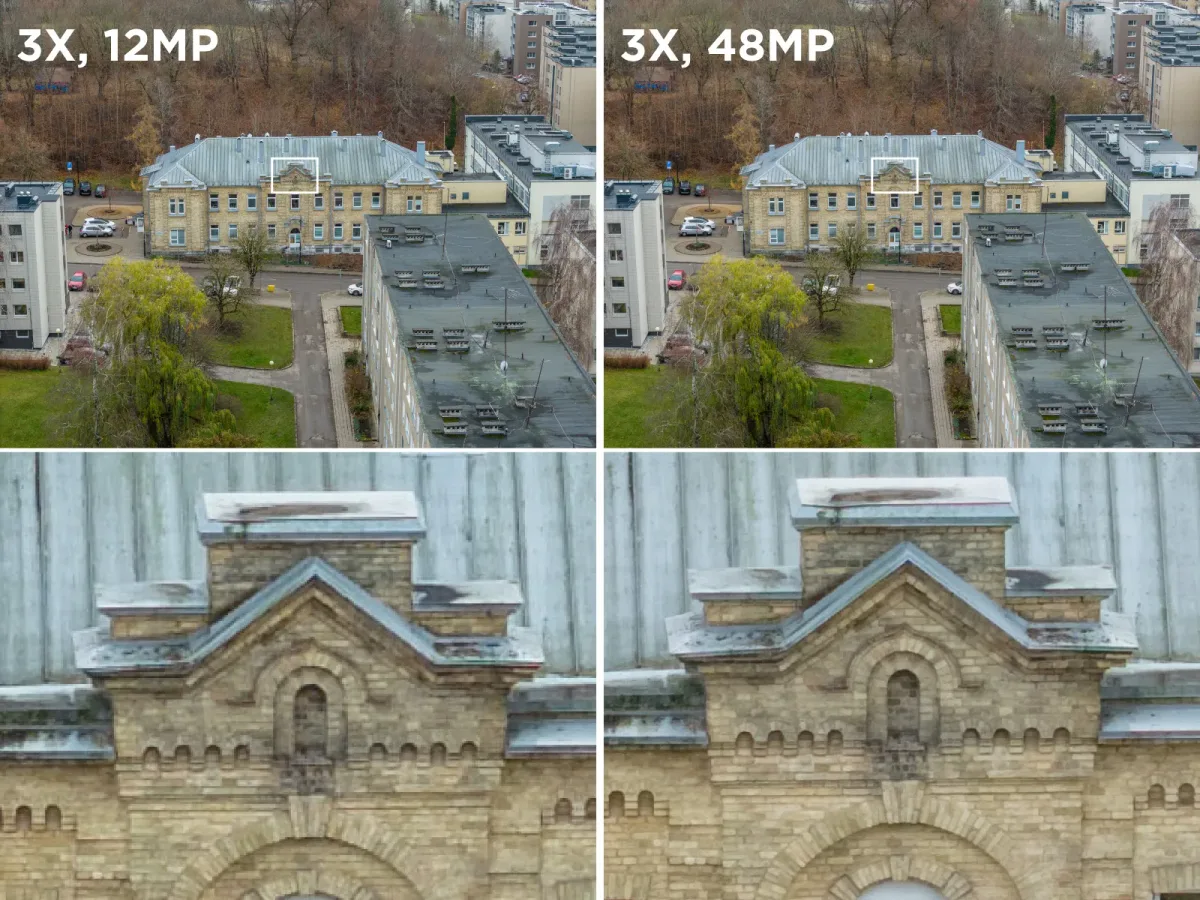
Image source: Bing (Web (fair-use with source credit))
For Fun & Social Media: 12MP – 20MP is Usually Enough
If your primary goal is to capture enjoyable aerial shots for personal use or to share on social media platforms like Instagram or Facebook, a camera in the 12MP to 20MP range is more than adequate. These resolutions are comparable to many modern smartphone cameras, which are known for producing excellent images suitable for screen viewing. You'll get clear, vibrant photos that look great when displayed digitally.
You won't need to worry as much about massive file sizes, and most drones in this category are also more budget-friendly. The focus here is on ease of use and good-enough quality for everyday sharing.
Hobbyist Photography & Videography: 20MP – 48MP for More Detail
As you move into more serious hobbyist aerial photography and videography, the need for higher resolution becomes apparent. A camera in the 20MP to 48MP range offers a significant upgrade in detail. This allows for more aggressive cropping of your photos without a noticeable loss in quality.
It also means you have more flexibility if you want to print your aerial shots at larger sizes for framing or display. For video, higher megapixel counts often correlate with advanced capabilities like shooting in 4K or even 6K, which can be downsampled for incredibly sharp 4K output. This range provides a good balance between detail, file management, and cost.
Professional Work: 48MP+ for Precision and Analysis
For professionals in fields like real estate, surveying, or infrastructure inspection, every detail counts. Drones equipped with cameras sporting 48MP and beyond are often essential for these applications. The high megapixel count allows for incredibly detailed images, which are critical for tasks such as examining building facades for damage, mapping out construction sites accurately, or capturing high-resolution property details for marketing.
These high-resolution images can often be analyzed digitally, allowing professionals to zoom in and identify minute imperfections or features that might be missed with lower-resolution cameras. Specialized drones for these industries may even feature interchangeable lenses and sensors that exceed typical consumer standards, all driven by the need for ultimate image clarity and data capture.
Key Features That Matter More Than Just Megapixels
While megapixels grab attention, several other camera features significantly impact the quality of your drone's output. Focusing solely on megapixels can lead you to overlook crucial components that contribute far more to great aerial imagery.
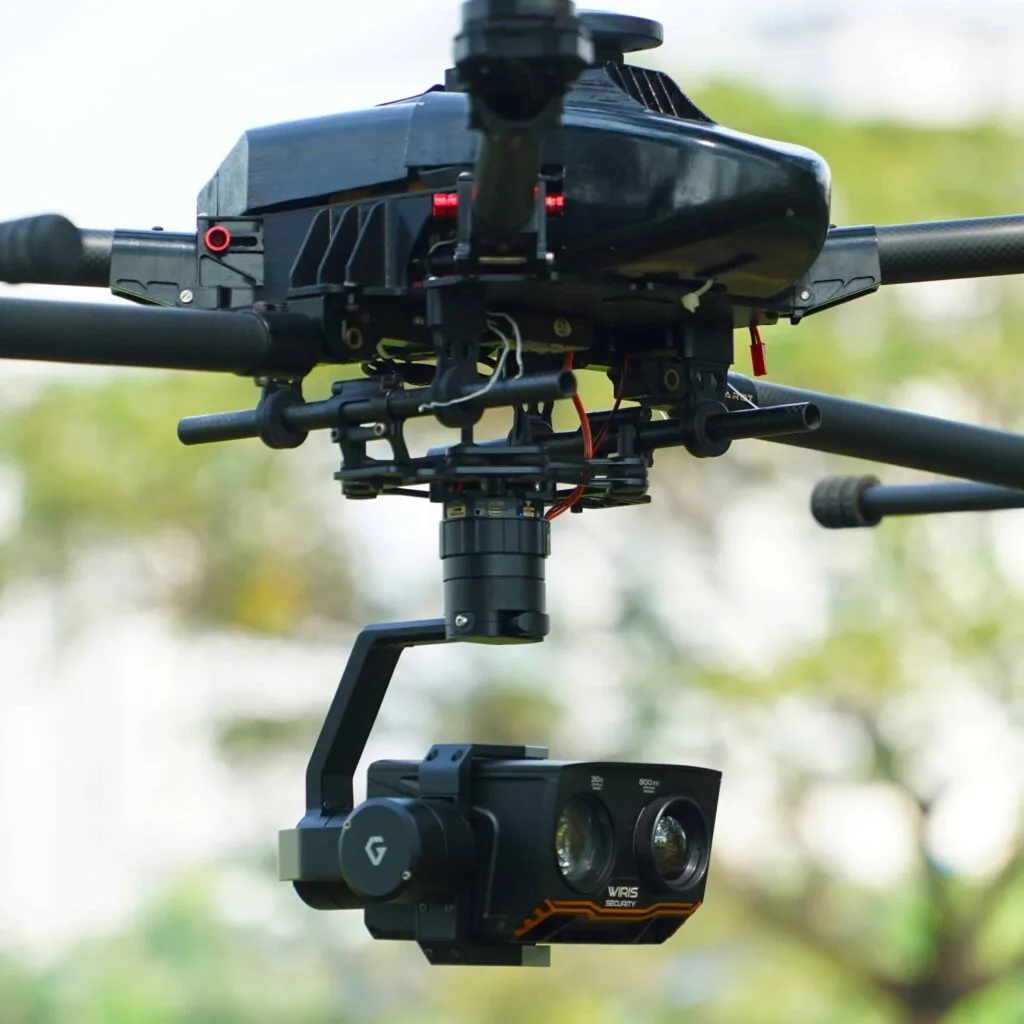
Image source: Bing (Web (fair-use with source credit))
Image Stabilization: Keeping It Sharp
Drone cameras are mounted on gimbals, which are designed to counteract the drone's movements and vibrations. Most modern drones feature 3-axis gimbals, which is the industry standard for providing incredibly smooth and stable footage. Without effective image stabilization, even a high-megapixel camera will produce blurry, unusable images and shaky video due to wind and rotor vibrations.
When reviewing drone specifications, pay close attention to the gimbal's capabilities.
RAW vs. JPEG: Editing Flexibility
When selecting a drone, consider the file formats it can capture. Most drones shoot in JPEG, which is a compressed format ready for immediate use. However, for serious photographers who plan to edit their images extensively, the ability to shoot in RAW format is invaluable.
RAW files contain unprocessed data directly from the camera sensor. This gives you far more control in post-processing software, allowing you to adjust exposure, white balance, and color with greater precision without degrading image quality. While RAW files are larger and require editing, they offer the highest potential for image correction and enhancement.
Video Capabilities: Resolution and Frame Rates
If video is a primary use case for your drone, megapixels still play a role, but the video specifications are paramount. Look for drones that offer high resolutions like 4K (3840 x 2160 pixels) or even higher, such as 5.7K or 6K, as these can provide more detail. Equally important are frame rates, measured in frames per second (fps).
Common frame rates include 24fps or 30fps for cinematic looks, and 60fps or 120fps for smooth slow-motion footage. Some drone cameras offer advanced color profiles (like D-Log or HLG) which capture a wider range of color information, giving you more flexibility during video color grading.
Common Mistakes When Choosing a Drone Camera
It's easy to get caught up in the marketing hype surrounding drone cameras, but making a choice based on the wrong factors can lead to disappointment. Understanding common pitfalls can save you time and money.
Getting Fooled by Marketing Specs
The most frequent mistake is focusing too heavily on megapixel count alone. A 100MP camera might sound impressive, but if it's paired with a small sensor, a poor-quality lens, or inadequate stabilization, the resulting images might be inferior to those from a 20MP camera with better underlying technology. Always consider the sensor size, lens quality, and gimbal performance in conjunction with megapixel count.
Ignoring Other Crucial Components
Beyond the camera itself, the drone's overall capabilities affect your results. For instance, flight time dictates how long you have to capture footage. A drone with excellent camera specs but only 10 minutes of flight time might be less practical than one with a slightly lower megapixel count but 30 minutes of stable flight.
Furthermore, the drone's processing power impacts how quickly it can handle high-resolution files and its ability to offer features like intelligent flight modes or advanced obstacle avoidance. These elements are just as critical as the megapixel number for a successful and enjoyable drone piloting experience.
Frequently Asked Questions About Drone Camera Megapixels
What is the difference between megapixels and resolution?
Megapixels refer to the number of pixels a camera sensor captures, essentially the total count of tiny dots making up an image. Resolution, often expressed as width x height (e.g., 4K is 3840 x 2160 pixels), describes the final dimensions of the image or video. More megapixels generally allow for higher resolution capture.
Can a drone with fewer megapixels take good photos?
Yes, absolutely. A drone with a smaller megapixel count but a larger sensor, better lens, and superior image stabilization can produce higher-quality images than a drone with a very high megapixel count but inferior supporting components. Quality of the entire camera system matters more than just the pixel count.
Do I need a lot of storage for high-megapixel drone photos?
Yes, high-megapixel photos, especially when captured in RAW format, can be very large. A single 48MP RAW file can easily be 50-100MB or more. You'll need a reliable memory card and ample storage space on your computer or external drives to manage these large files.
How do drone camera megapixels affect video quality?
While megapixels primarily relate to still photo detail, higher megapixel counts on drone cameras often enable higher video resolutions like 4K or 6K. This means the camera is capturing more raw data, which can be used to produce sharper, more detailed video footage, even when downscaled.
Is there a megapixel "sweet spot" for most users?
For a good balance of detail, file management, and affordability, a range of 20MP to 48MP is often considered a sweet spot for hobbyists and many semi-professional users. This range provides excellent flexibility for cropping and printing without the extreme file sizes of ultra-high megapixel cameras.
Final Verdict: Finding Your Ideal Drone Camera Megapixel Count
Deciding how many megapixels your drone camera should have boils down to a simple question: what do you want to achieve with your aerial footage? If you're aiming for casual shots and social media sharing, a camera in the 12MP to 20MP range offers more than enough quality. This is often found on more accessible and user-friendly drones.
For those who aspire to create stunning aerial artwork, print large photos, or produce polished video content, stepping up to the 20MP to 48MP range is a smart move. This tier provides significant detail and editing flexibility. Professionals requiring absolute precision for mapping, inspection, or detailed photography will likely need to look at drones with 48MP sensors and above, where every pixel contributes to critical data or aesthetic quality.
Remember, megapixels are just one spec. Always consider the sensor size, lens quality, and image stabilization system as equally vital components for achieving excellent results. By aligning the camera's capabilities with your specific needs, you'll ensure you get the most value and the best possible imagery from your drone.