How Do You Create a Drone Videography Portfolio?
Image source: Web (Bing) / spoonflower.com (Web image (fair-use with source credit))
Building Your Drone Videography Portfolio: A Practical Guide
How do you create a drone videography portfolio that actually gets noticed? It’s not just about slapping your best clips together; it's about strategically showcasing your skills to attract the right clients. A well-crafted portfolio acts as your silent salesperson, proving what you can do before you even speak to a potential customer.
Think of it as your visual resume, designed to highlight your technical ability, creative eye, and reliability. As of 2026, the demand for high-quality aerial footage continues to grow across many industries, making a standout portfolio more critical than ever.
Quick Answer
Create a drone videography portfolio by curating your best footage into a short, impactful showreel. Organize clips by skill or client type. Choose a professional platform like your own website to display your work.
Always include clear contact information and update it regularly with your latest projects.
Your Portfolio's Purpose: Who Are You Trying to Reach?
Before you even think about editing, it's crucial to nail down why you're building this portfolio in the first place. Your target audience dictates everything, from the footage you select to the overall style and tone of your presentation.
Identifying Your Target Audience
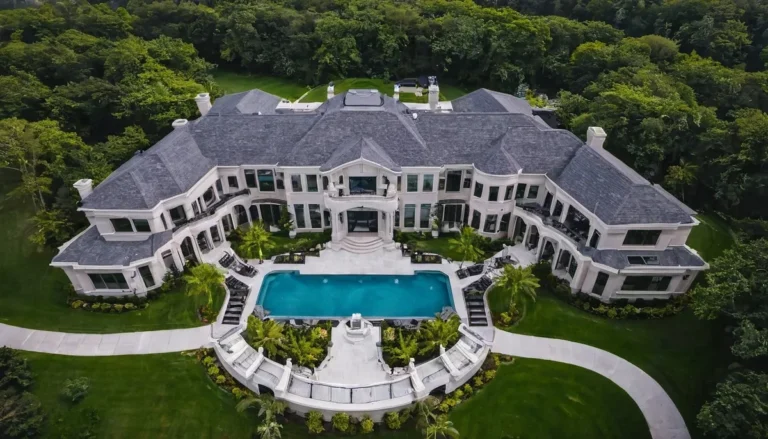
Who do you want to hire you? This question is the cornerstone of a successful portfolio. If you're aiming for real estate agents, your portfolio needs to showcase smooth property fly-throughs and highlight architectural details.
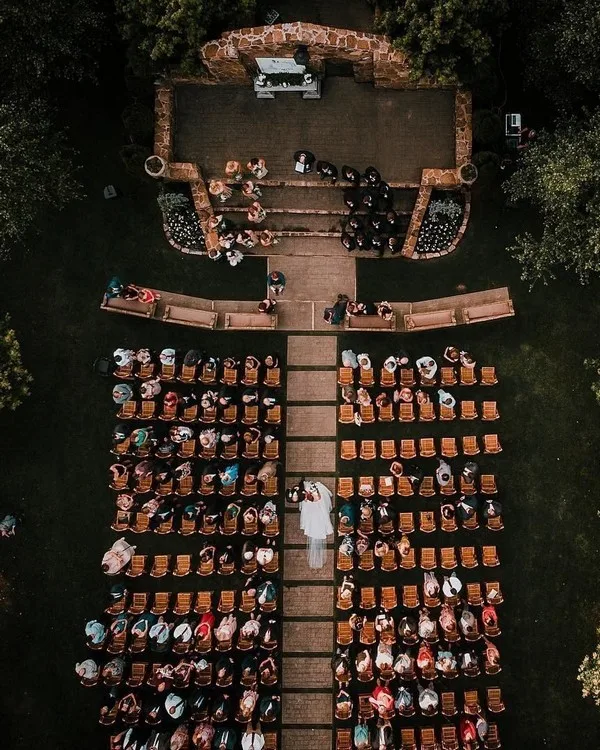
For event planners, you'll want to demonstrate your ability to capture the atmosphere and scale of gatherings. Filmmakers might be interested in more cinematic, motion-focused shots. Understanding your ideal client allows you to tailor your showcase specifically to their needs and interests.

Image source: Bing (Web (fair-use with source credit))
Research from industry professionals suggests that a portfolio curated for commercial clients typically features 70% project-based work and 30% skill demonstrations. A real estate-focused portfolio might lean closer to 90% project examples showcasing homes. Knowing this difference helps you prioritize which of your existing footage to feature.
Defining Your Niche and Services
Once you know who you're talking to, you can define what you're offering. Are you a generalist drone pilot, or do you specialize in certain types of work? Clearly stating your services, like aerial photography, cinematic drone filming, or 3D mapping, helps potential clients understand your capabilities immediately.
This also helps them determine if you're the right fit for their specific project, saving both of you time.
The Essential Ingredients: What Goes Into Your Portfolio?
A strong drone videography portfolio is built on a foundation of compelling content. It's not just about having raw footage; it's about presenting that footage in a way that highlights your skills and value proposition effectively. Think of these as the building blocks of your professional showcase.
Showcasing Your Best Footage: Quality Over Quantity
This is the most critical element. Your portfolio should only feature your absolute best work. Be ruthless in your selection process.
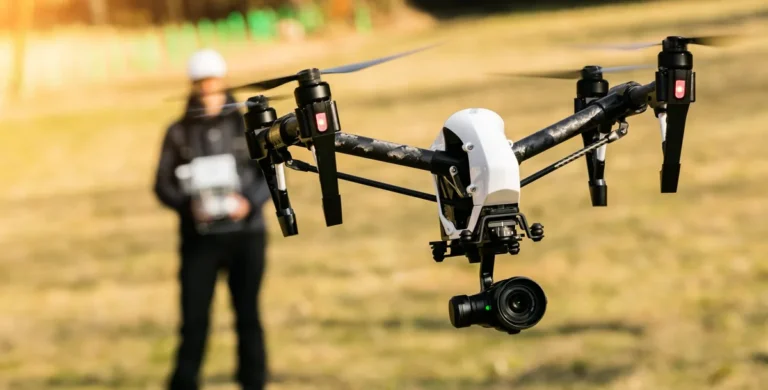
A single, stunningly executed shot or a perfectly edited sequence is far more impactful than ten mediocre clips. Professional camera drones offer advanced stabilization systems designed to minimize shake, and your best footage should reflect this capability. Aggregate user reviews of aerial cinematography platforms consistently report that clients look for stable, high-resolution video.
Your footage needs to be technically sound and creatively engaging. Focus on clips that demonstrate motion, depth, and a clear subject. If a clip has a shaky moment, a distracting background element, or is poorly framed, it's best left out.
The goal is to impress, not to overwhelm with sheer volume.
Demonstrating Technical Skill and Variety
A portfolio isn't just about pretty pictures; it's about proving you know how to fly safely and capture unique perspectives. Include footage that shows off your piloting prowess and camera control. This could mean:
- Smooth Camera Movements: Demonstrating controlled pans, tilts, orbits, and dolly shots.
- Dynamic Flight Paths: Showcasing your ability to fly complex routes, navigate obstacles, or capture dynamic action sequences.
- Variety in Angles and Perspectives: Offering shots from different altitudes, angles, and distances to show versatility.
- Diverse Environments: Including footage from urban landscapes, natural settings, or challenging weather conditions (where safe and legal).
The Society of Motion Picture and Television Engineers (SMPTE) has standards for video fidelity. Your footage should aim to meet these benchmarks for sharpness and clarity. Showing a range of scenarios proves you're adaptable and skilled in various filming situations, making you a more valuable asset to clients.
Crafting Your Compelling Showreel
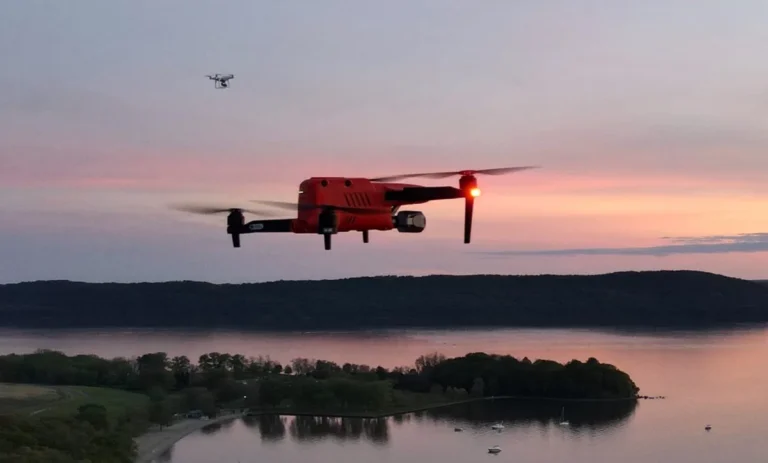
Your main portfolio piece is often a short, dynamic showreel, typically running between 30 and 60 seconds. This is your elevator pitch in video form, designed to hook viewers immediately and leave them wanting more. Every second counts.
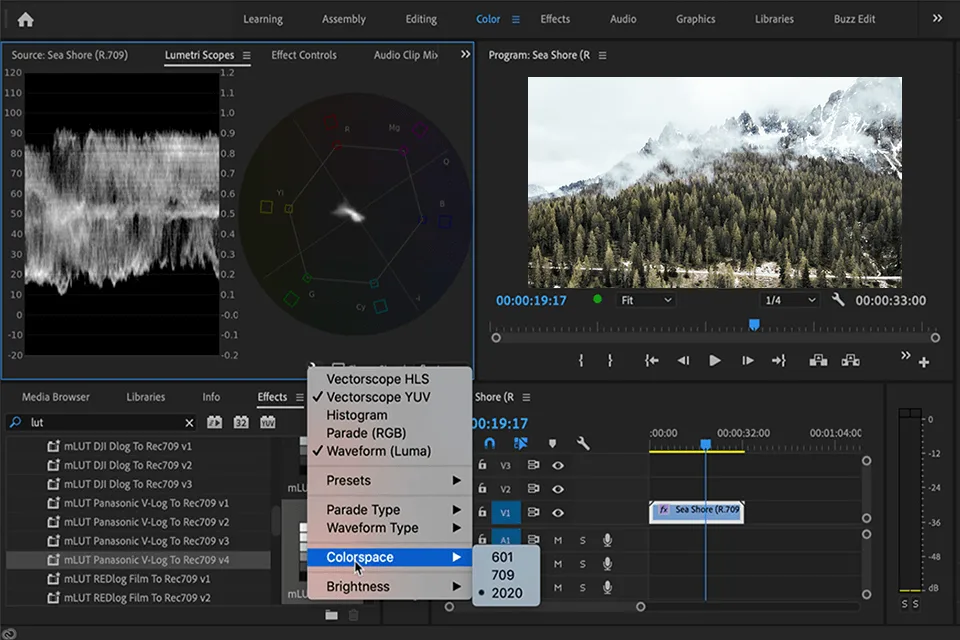
Image source: Bing (Web (fair-use with source credit))
The showreel should start with your absolute strongest, most attention-grabbing clips. Use professional music that complements your visuals without overpowering them. Transitions should be clean and seamless, guiding the viewer smoothly from one impressive shot to the next.
Avoid excessive flashy effects or jarring cuts; the focus should remain on the quality of your drone footage and your filming expertise. Think of it as a trailer for your potential to deliver outstanding aerial video.
Your Portfolio Workflow: Step-by-Step
Putting together a professional drone videography portfolio involves a structured approach. It’s a process that moves from raw material to a polished presentation. By following these steps, you can build a powerful tool that effectively markets your services.
Step 1: Gathering and Curating Your Raw Footage
Start by going through all the footage you've captured, whether for paid projects, personal passion projects, or practice sessions. Be critical. Look for clips that best represent your abilities and align with the types of clients you want to attract.
If you shot a real estate project, pull out the sweeping property overviews, the detailed shots of key features, and any contextual neighborhood shots. For a commercial project, select footage that highlights the product or service effectively.
It's important to filter for quality: are the shots sharp, well-exposed, and stable? Many professional camera drones offer advanced stabilization systems, and your best footage should reflect this capability. Only select clips that meet a high standard, as these will form the foundation of your portfolio.
Step 2: Editing Your Masterpiece Showreel
This is where your raw footage transforms into a polished marketing tool. Your showreel should be concise, typically between 30 and 60 seconds. Begin with your most impactful shots to grab attention immediately.
Use editing software to ensure smooth transitions between clips. Select background music that enhances the mood and pace of your footage without being distracting; royalty-free music libraries are a good source for professional tracks.
The sequence of shots matters. Aim for a logical flow that builds momentum or tells a mini-story. If you are targeting specific industries, consider creating slightly different versions of your showreel, each tailored to highlight relevant footage.
A reel for event videography might feature dynamic crowd shots and venue fly-overs, while a real estate reel would focus on property outlines and interior fly-throughs.
Step 3: Choosing the Right Platform for Your Work
Where will your portfolio live online? A dedicated website is the most professional option, offering full control over your branding and presentation. Platforms like Vimeo or YouTube can also work, but ensure your channel is meticulously organized and branded.
Some creative professionals opt for dedicated portfolio sites, which can offer a structured way to display work.
Your website should be easy to navigate and load quickly. If you're using a video hosting platform, make sure your showreel is pinned as the featured video. Consider how easily a potential client can find your contact information and view your best work without unnecessary clicks.
Website loading speeds remain a critical factor in user retention, with many platforms penalizing slower sites.
Step 4: Adding Essential Supporting Information
Beyond your videos, your portfolio needs context. Include a brief, professional bio that highlights your experience and passion for drone videography. Clearly list the services you offer, such as aerial photography, cinematic video production, or site inspection.
Most importantly, make your contact information impossible to miss. This includes your email address, phone number, and a link to your website or social media profiles if relevant.
It's also beneficial to include client testimonials or logos of companies you've worked with, if applicable. This builds credibility and social proof, reassuring potential clients that you are a reliable and skilled professional. Think of these elements as the supporting details that round out your visual presentation and encourage engagement.
Common Pitfalls: What to Avoid When Building Your Portfolio
Creating a drone videography portfolio is a skill in itself, and it's easy to stumble into common mistakes that can cost you potential clients. Being aware of these pitfalls can save you from making decisions that detract from your professionalism and the impact of your work.
Editing Mistakes That Kill Engagement
One of the biggest errors is making your showreel too long. Clients are busy and want to see your best work quickly. A reel exceeding 60 seconds often loses viewer attention.
Your showreel should be under 90 seconds, with 30-60 seconds being ideal for maximum impact. Another common mistake is using poor-quality background music that is either too distracting or sounds unprofessional.
Overusing fancy transitions or effects can also make your portfolio look amateurish. Smooth, clean cuts between well-chosen clips are far more effective. Finally, not ensuring consistent video quality across all clips, some sharp and bright, others dark and grainy, creates a jarring experience.
Your footage should ideally be edited to a consistent visual standard, often aiming for color grading that aligns with broadcast television standards if targeting commercial clients.
Presentation Errors That Deter Clients
Beyond the video content itself, how you present your portfolio matters. Simply uploading raw, unedited clips without context is a major misstep. If your portfolio is difficult to navigate, or your contact information is hard to find, potential clients will likely move on.
This is especially true if you're using a platform that isn't optimized for video display, leading to slow loading times or playback issues on different devices.
Not updating your portfolio regularly is another significant problem. If your "latest work" is from several years ago, it suggests you're not actively working or improving. Furthermore, failing to tailor your portfolio to specific client types can be a missed opportunity.
If you have diverse skills, consider creating segmented portfolios or clearly categorizing your work so clients can easily find footage relevant to their needs. A real estate developer won't be impressed by a portfolio filled only with wedding footage, even if it's beautiful.
Expert Tips for a Portfolio That Lands Gigs
Your portfolio is a living document, not a static one. To ensure it continues to attract high-quality clients, regular updates and proactive engagement are essential. Think of it as a dynamic showcase that evolves with your skills and project experience.
Keeping Your Portfolio Fresh and Updated
It's crucial to swap out older, less impressive work for your newest, strongest projects. If you've recently completed a stunning real estate shoot or a compelling commercial video, make sure it gets prime placement. Aim to refresh your portfolio at least every quarter, or whenever you complete a project that significantly elevates your work.
Your portfolio should reflect your latest capabilities and achievements.
Consider creating short, specialized reels for different industries if you work across multiple niches. A dedicated reel for wedding videography might highlight romantic shots and emotional moments, while one for industrial clients could focus on precision, scale, and safety documentation. This targeted approach ensures each potential client sees exactly what they're looking for, making your work more relevant to their specific needs.
Leveraging Feedback for Improvement
Don't be afraid to ask trusted colleagues, mentors, or even satisfied clients for feedback on your portfolio. An outside perspective can highlight areas you might overlook. For instance, a client might point out that your showreel is a few seconds too long or that a particular type of shot is missing that they’d find valuable.
This constructive criticism is invaluable for refining your presentation.
Act on this feedback. If multiple people suggest your showreel could be more impactful at the beginning, reorder your clips. If there's a consistent request for footage demonstrating advanced flight maneuvers, prioritize shooting and including such examples.
Applying user experience principles to your portfolio ensures it remains effective and user-friendly for prospective clients.
Frequently Asked Questions About Drone Videography Portfolios
How long should my drone videography showreel be?
Your main showreel should ideally be between 30 and 60 seconds. This concise format ensures potential clients can quickly see your best work and understand your capabilities without losing interest. For specialized reels, you might extend this slightly, but always prioritize impact over length.
What if I don't have a lot of professional work yet?
If you're starting out, use your best personal projects, practice flights, or even collaborate with friends or local non-profits for free or low-cost work to build your portfolio. Focus on demonstrating technical skill and creativity. Even well-executed practice shots can showcase your ability to achieve smooth camera movements and stable footage, which are key indicators of competence.
Should I include drone footage I shot for fun?
Absolutely, especially if it’s high-quality and showcases relevant skills. Footage shot for personal enjoyment can effectively demonstrate your passion and technical ability. Just ensure it meets the same quality standards as professional work and is relevant to the clients you want to attract.
For instance, stunning landscape shots you captured on a trip can be great for a travel or tourism portfolio.
How do I handle client privacy in my portfolio?
Always ensure you have proper permission from clients before showcasing their projects in your portfolio. For work involving identifiable individuals or private property, obtain explicit consent. If privacy is a concern, you can blur faces or sensitive details, or create generalized demo reels that showcase your skills without revealing specific client information.
Consulting legal guidelines on image rights and privacy is recommended.