What Weather Is Suitable for Drone Videography?
So, you're thinking about taking your drone out to capture some amazing footage, huh? That's awesome! But before you send it soaring, you gotta think about the weather.
It's a HUGE factor in how your shots will turn out, and honestly, it can make or break your entire video.
I've been doing this for a while, and I've learned that there's no single "perfect" weather day for all drone shots. It really depends on what you're going for. But we can definitely break down what works and what doesn't.
Let's dive in.
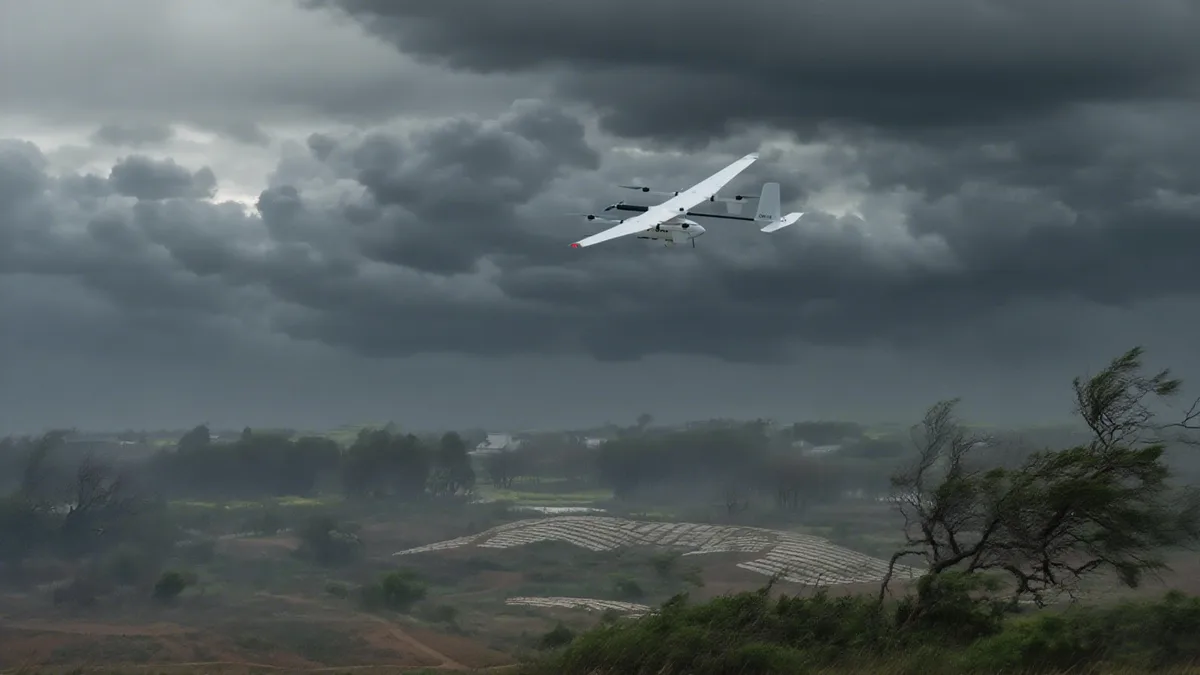
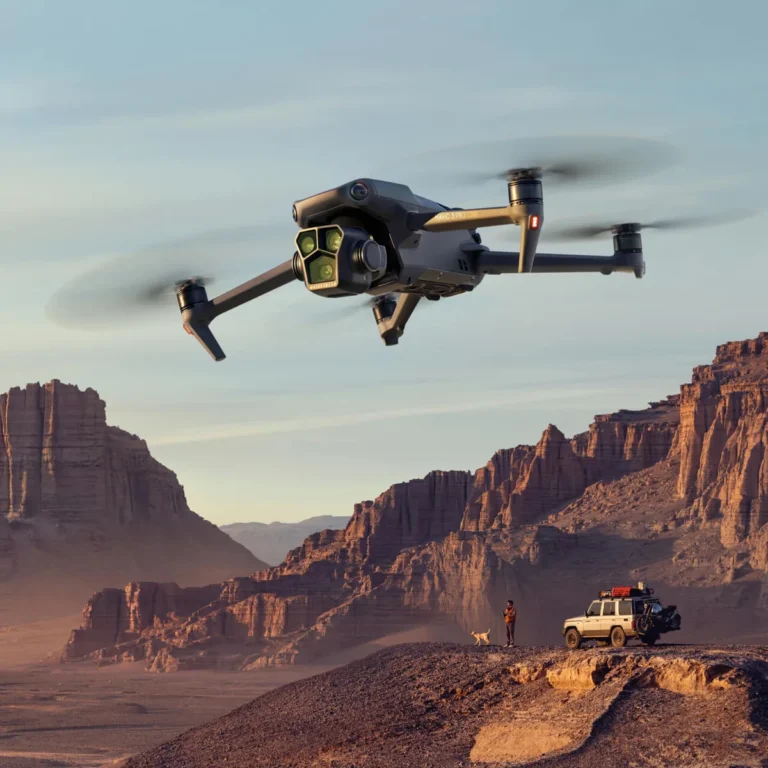
Image source: Bing (Web (fair-use with source credit))
Quick Answer
Clear skies and minimal wind are ideal for most drone videography. Light breezes, warm temperatures, and soft, diffused light from overcast skies also produce excellent results. Avoid rain, heavy fog, and winds exceeding your drone's specifications to ensure safe flights and high-quality footage.
The Golden Rules of Drone Weather
Wind: Your Biggest Challenge
Wind is the most critical weather factor for drone videography. Even a moderate breeze can make your drone difficult to control, resulting in shaky, unusable footage. Manufacturer specifications typically provide a maximum wind resistance rating for drones; for instance, many consumer-grade drones are rated for winds up to 17-24 mph (27-39 km/h).
Flying within these limits is crucial for stability and safety. If you can feel a strong wind while standing on the ground, it's likely too much for your drone. Constant wind gusts are particularly dangerous as they can unpredictably push the aircraft off course, potentially leading to a crash or loss of control.
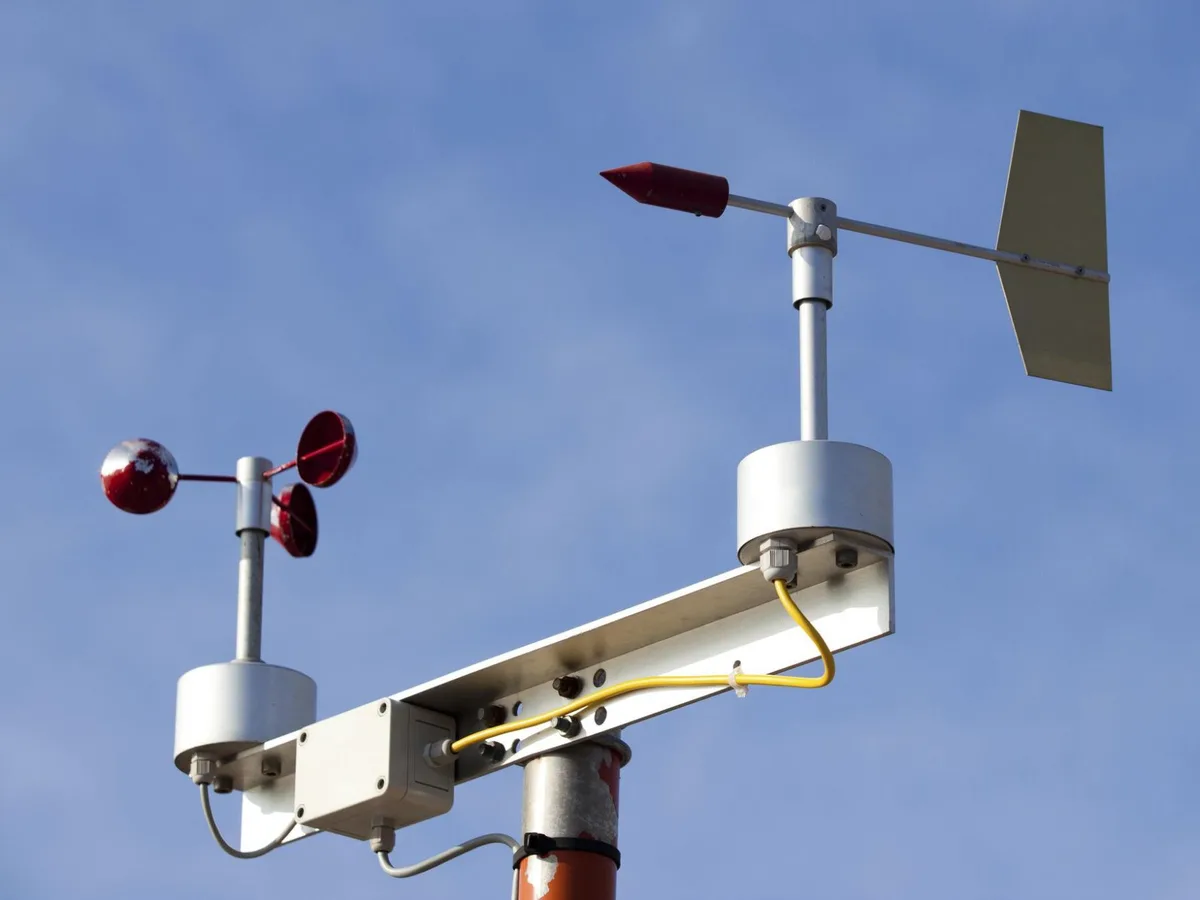
Image source: Bing (Web (fair-use with source credit))
Rain and Water: No-Go Zones
Unless you’re operating a highly specialized, waterproof drone, which is rare for typical videography, rain is a definitive reason to keep your drone grounded. Water can cause immediate damage to the drone's electronics, motors, and battery compartments. Beyond the risk of damaging the equipment itself, water droplets on the camera lens will ruin your footage, creating blurry or obscured shots.
Visibility also drastically decreases during rainfall, making it harder to maintain a visual line of sight on your drone, which is a fundamental safety requirement for operation. Even light drizzle over an extended period can be problematic.
Temperature's Role in Flight
Extreme temperatures, both hot and cold, can impact your drone's performance and lifespan. In cold weather, batteries lose their charge much faster, significantly reducing your flight time. For example, a battery that might last 25 minutes in 70°F (21°C) could see its flight time drop by 20-30% or more in freezing conditions.
Conversely, very hot weather can cause the drone's internal components, especially the battery and motors, to overheat. This can lead to performance throttling or, in severe cases, automatic shutdowns to prevent damage. It's wise to monitor battery temperature and consider using a battery warmer in frigid conditions or allowing the drone to cool down in extreme heat.
Clouds: Friend or Foe?
Clouds offer a double-edged sword for drone videography. Overcast days are fantastic for producing soft, diffused light. This type of lighting eliminates harsh shadows, making it ideal for portrait shots, detailed landscapes, or filming subjects where you want even illumination without bright highlights.
However, if your creative vision relies on the drama of bright sunlight and deep blue skies, persistent cloud cover will be a disappointment. It's all about what you're trying to achieve with your footage.
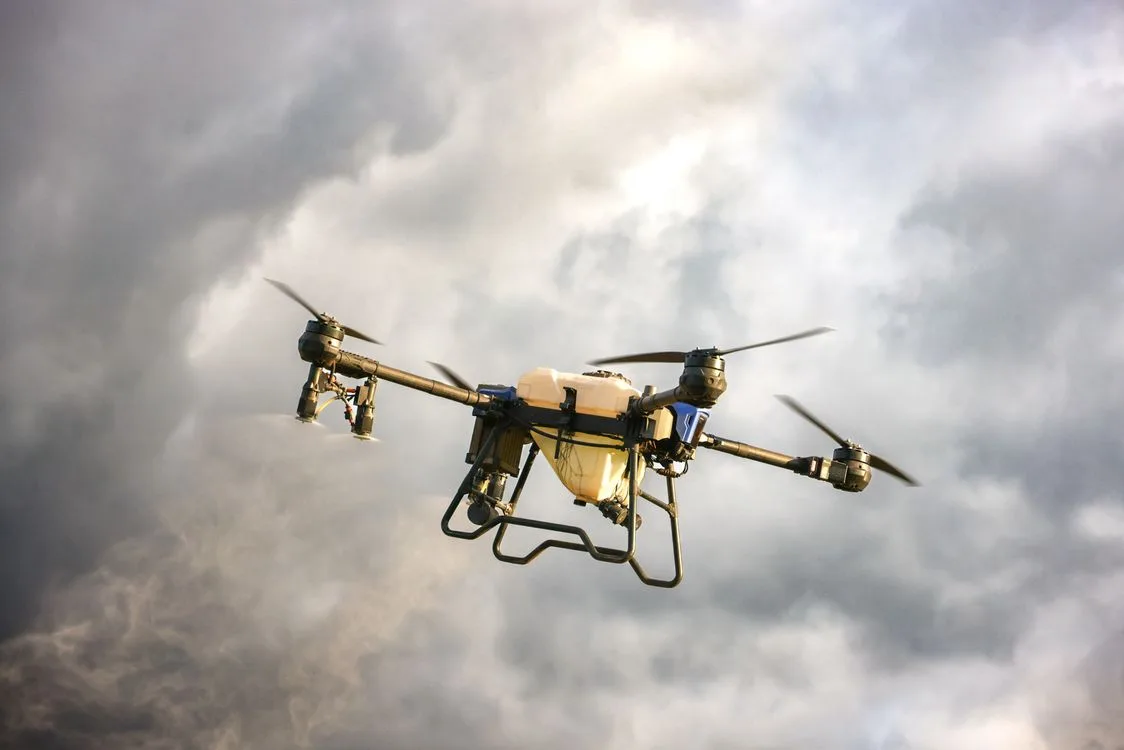
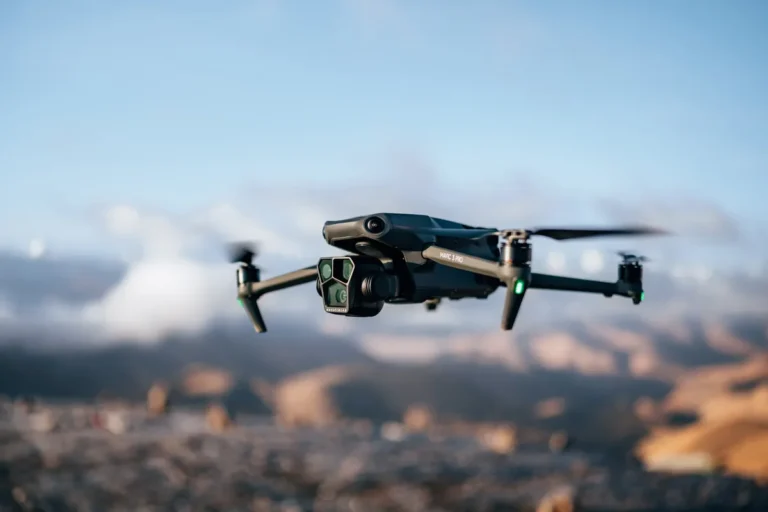
Image source: Bing (Web (fair-use with source credit))
Fog and Mist: Creative Potential (with Caution)
A light layer of fog or mist can add incredible mood and atmosphere to your drone shots, particularly for landscapes. Think of ethereal forests, misty mountains, or serene lakes. This can create visually stunning and unique footage.
However, safety is paramount. If the fog is dense and significantly reduces visibility, making it difficult to see your drone or your surroundings for more than 50-100 feet, it's too risky to fly. Maintaining a clear visual line of sight on your drone, as required by aviation regulations for most operations, becomes impossible.
Therefore, while fog can be a creative asset, it requires extreme caution and a clear understanding of visibility limitations.
What Do You Want to Shoot? Matching Weather to Your Vision
Sunny and Vibrant: The Classic Look
For that classic, postcard-perfect aerial footage, you're aiming for sunny days with clear or lightly clouded skies. This weather provides excellent visibility and bright, vibrant colors. The golden hours, shortly after sunrise and before sunset, are particularly beneficial.
During these times, the sun is lower in the sky, casting a warm, golden light that softens shadows and adds a beautiful depth to landscapes and structures. This is often preferred over harsh midday sun, which can create blown-out highlights and deep, unflattering shadows, making your footage look flat.
Moody and Atmospheric: For Dramatic Effects
If you're going for a more artistic or dramatic feel, think about overcast conditions or days with a bit of mist. Soft, diffused light from an overcast sky is excellent for highlighting textures and details without the distraction of strong shadows. This can make colors appear richer and more nuanced.
A light fog can add an ethereal quality, making familiar landscapes look mysterious and captivating. However, when using fog, always remember that safety comes first. As of 2026, maintaining visual line of sight is a standard requirement for drone pilots, so dense fog that obscures your view is a no-fly situation.
Event and Action: Reliability is Key
When you're documenting an event, a sporting match, or a construction project, reliability and consistent quality are paramount. This means you want weather that is stable and predictable. Ideally, this involves clear to partly cloudy skies with minimal wind and good visibility.
Sudden weather shifts, like unexpected rain showers or rapid increases in wind speed, can force you to halt operations, potentially missing critical moments. Consistent conditions allow for smooth, stable camera movements and ensure you can maintain focus on your subjects without fighting the elements or worrying about the drone's exposure to adverse conditions.
Your Pre-Flight Weather Checklist
Checking the Forecast
Before you even think about packing your drone, a thorough check of the weather forecast is non-negotiable. Don't just glance at the general conditions; look for specific details. You’ll want to find the predicted wind speed and direction, the likelihood of precipitation (rain, snow, etc.), and the expected temperature range.
Reliable weather apps or websites, such as those provided by national meteorological services, are invaluable tools for this. Pay attention to hourly forecasts if you're planning a specific flight window, as conditions can change rapidly throughout the day.
On-Site Assessment
Once you're at your filming location, always do a final, on-site assessment of the conditions. The forecast is a guide, but real-world conditions can differ. Step outside and feel the wind.
How strong is it? Are there sudden gusts? Look at the sky.
Are dark clouds gathering unexpectedly? Even if the forecast predicted clear skies, a sudden squall could be rolling in. This immediate, sensory check is crucial.
It allows you to react to the current environment, not just a prediction made hours ago.
Knowing Your Drone's Limits
Every drone has specific operating limitations, especially concerning wind resistance. Consult your drone's user manual or the manufacturer’s specifications (e.g., from DJI, Autel, or Skydio documentation) to understand its maximum wind speed tolerance. Flying a drone in winds exceeding its rated capacity is dangerous and can lead to a loss of control.
Additionally, be aware of the drone’s operating temperature range. Batteries, as mentioned, perform poorly in extreme cold, and electronics can suffer in extreme heat. Knowing these limits helps you decide if the current weather is safe for flight.
Common Drone Weather Mistakes to Avoid
One of the most common errors is flying in winds that are too strong. This almost always results in shaky footage, difficult maneuvering, and increased battery drain. Pilots might underestimate wind speeds, especially at higher altitudes or in open, exposed areas where the wind isn't buffered by buildings or trees.
Another frequent mistake is launching in light rain or drizzle, assuming it's minor. This can lead to water ingress and damage to sensitive electronics. Many operators also fail to account for rapid weather changes, especially when filming for extended periods.
They might start a shoot in perfect conditions only to be caught off guard by an approaching storm or a sudden temperature drop that affects battery performance. Finally, pushing a drone too hard in suboptimal conditions, like trying to film through thick fog or during a windy spell, can lead to critical errors and potential crashes.
FAQs on Drone Videography Weather
What is the ideal wind speed for drone videography?
Ideal wind speeds for most drone videography fall between 0-10 mph (0-16 km/h). This range allows for stable flight and smooth footage. While some drones can handle up to 20-25 mph, this often results in noticeable wind noise and can affect camera stability.
Can I fly my drone in light rain?
Generally, no. Unless you have a specialized waterproof drone, even light rain can damage your drone's electronics and fog up the camera lens. It's best to avoid any precipitation for safe and high-quality filming.
How does temperature affect drone battery life?
Cold temperatures significantly reduce drone battery performance and flight time. At 32°F (0°C), batteries might only hold 70% of their capacity. Conversely, very high temperatures can cause batteries to overheat, leading to reduced performance or automatic shutdowns.
Is it safe to fly a drone in foggy conditions?
Flying in fog is risky and depends heavily on its density. You must maintain a visual line of sight on your drone at all times. If the fog is too thick to see your drone clearly within a safe distance (typically 50-100 feet), it is not safe to fly.
What are the "golden hours" for drone videography?
The golden hours are the periods shortly after sunrise and before sunset. During these times, the sun is low, providing warm, soft, diffused light that creates beautiful shadows and enhances colors, leading to more visually appealing footage than harsh midday sun.