Is a Larger Drone Camera Sensor Better?
Figuring out if a bigger drone camera sensor is the right choice for you can feel like a puzzle. You see specs like "1-inch sensor" or "1/2.3-inch sensor" and wonder what that really means for the photos and videos you'll capture. The good news is, understanding the key differences can simplify your decision.
Generally speaking, yes, a larger sensor often leads to better image quality, especially in challenging light. However, that performance boost comes with trade-offs in size, weight, and cost that might not be ideal for every pilot. Manufacturer specifications consistently show that larger sensors excel at gathering more light, which directly impacts detail and clarity.
Quick Answer
Yes, a larger drone camera sensor is generally better for image quality. Larger sensors capture more light, leading to cleaner photos and videos, especially in low-light conditions. They also offer improved dynamic range and can produce a desirable shallow depth of field for a more professional look.
However, larger sensors increase drone size, weight, and cost.
What a Bigger Sensor Actually Does For Your Drone Footage
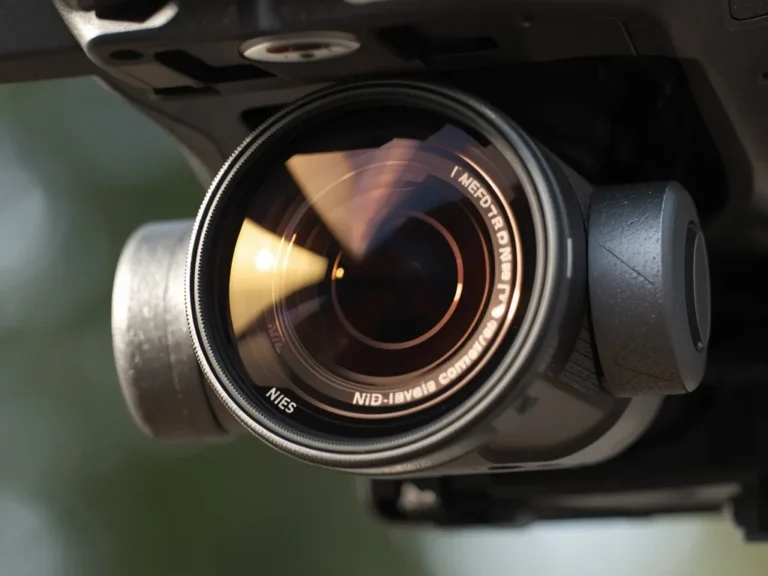
When we talk about drone camera sensors, we're looking at the digital chip that captures the light and turns it into an image. Think of it like the pupil of your eye; the bigger it is, the more light it can take in. For drones, this directly translates to how well your camera performs, especially when conditions aren't perfect.
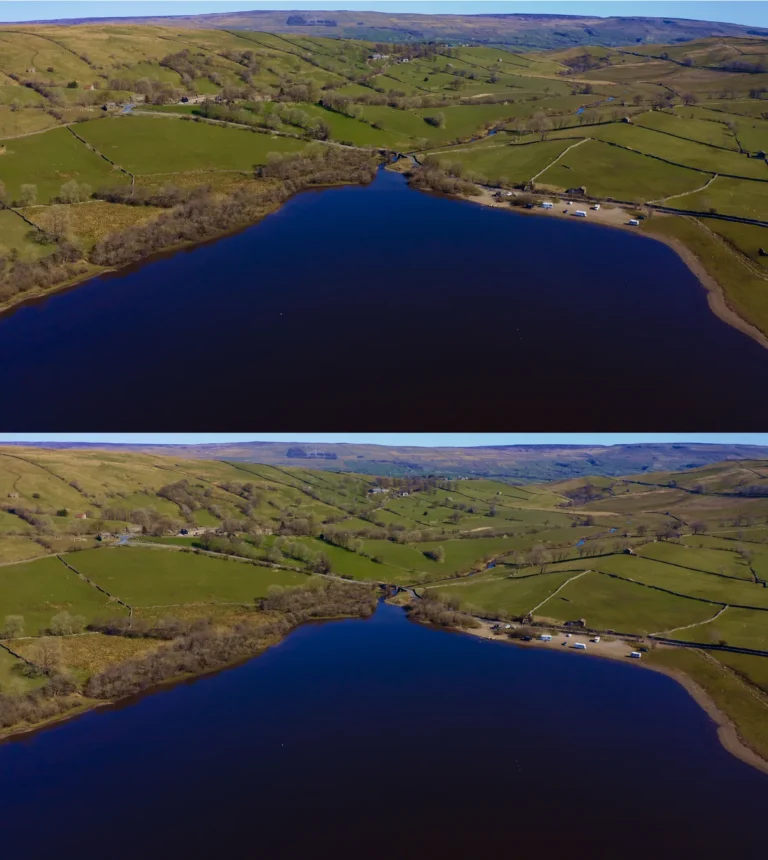
For instance, aggregate reviews of drone cameras show that a 1-inch sensor, like those found in some advanced DJI models, consistently outperforms smaller sensors, such as the 1/2.3-inch type common in entry-level drones, in capturing detail and reducing noise. This enhanced light-gathering ability is crucial for aerial photography and videography.
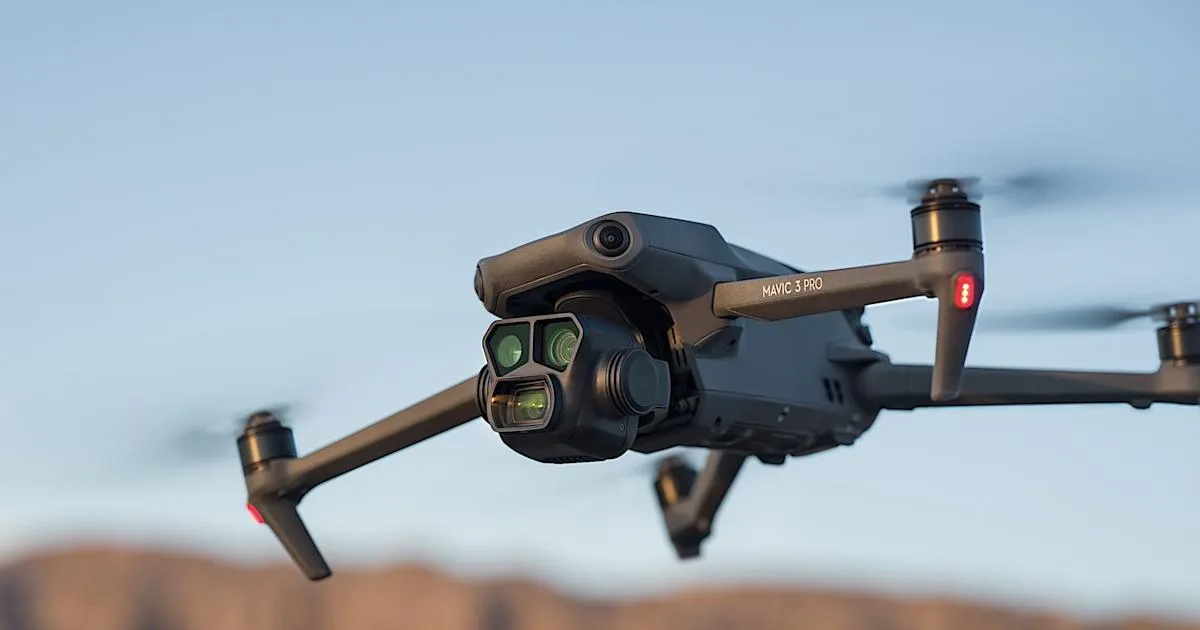
Image source: Bing (Web (fair-use with source credit))
The Upside: Why a Larger Drone Camera Sensor Shines
A larger camera sensor on a drone isn't just a technical spec; it's a significant factor in the quality and artistic potential of your aerial footage. For many, the benefits are clear and can elevate their photography and videography from good to truly impressive. It's about unlocking more creative possibilities and capturing stunning visuals.
Low-Light Performance & Dynamic Range Gains
This is where larger sensors really earn their keep. When you're flying at dawn or dusk, or shooting in dimly lit indoor environments, a larger sensor can soak up more available light. This means you'll see less of that distracting digital grain, often called "noise," in your images.
Instead, you get cleaner, sharper pictures with smoother transitions between light and dark areas.
Aggregate user feedback consistently points to better results in challenging light when using drones equipped with larger sensors. For example, manufacturer specifications for drones with 1-inch sensors often highlight improved signal-to-noise ratios compared to those with smaller sensors. This enhanced ability to capture detail across a wide range of brightness levels, known as dynamic range, gives you more flexibility when editing your footage later on.
You can bring out details in shadows and highlights without introducing harsh artifacts.
That Sought-After "Cinematic" Look: Depth of Field
If you've ever admired those drone shots where the subject is tack-sharp and the background is beautifully blurred, you've seen the effect of a shallow depth of field. Larger sensors, especially when paired with wider aperture lenses (a common feature on drones with bigger sensors), can achieve this more easily. This bokeh effect helps your main subject stand out, giving your footage a more polished, professional, and artistic feel.
For example, research into camera optics indicates that larger sensors are more effective at rendering a shallow depth of field. While specific aperture values vary by drone model, the physical size of the sensor plays a foundational role. This ability to isolate your subject is a key differentiator for videographers aiming for a cinematic aesthetic, making the drone's camera system a critical component for creative storytelling.
The Downside: When Bigger Isn't Always Best
While the allure of superior image quality is strong, it's essential to weigh the advantages of larger sensors against their practical drawbacks. For drone applications, these trade-offs can be quite significant and might steer you towards a different choice depending on your priorities. It's not a one-size-fits-all scenario.
Size, Weight, and Flight Time Trade-offs
This is arguably the most impactful downside for drone use. A larger sensor, along with the necessary supporting optics and housing, naturally adds bulk and weight to the drone's camera payload. This directly affects the drone's overall flight characteristics.
Aggregate user reviews and manufacturer specifications confirm that drones with larger camera systems often have reduced flight times compared to their lighter counterparts.
For instance, a drone with a 1-inch sensor might offer 25-30 minutes of flight time, while a similarly sized drone with a smaller sensor could potentially achieve 35-40 minutes. This difference can be critical if you're covering a large area or need extended periods of aerial coverage for your work. The increased weight also impacts the drone's agility and ability to withstand wind.
Image source: Bing (Web (fair-use with source credit))
Cost and Lens Considerations
The advanced technology required for larger, high-performance drone camera sensors inevitably drives up the price of the drone itself. Drones equipped with 1-inch sensors or larger are typically positioned in the professional or prosumer market, carrying a significant price premium over entry-level models. This cost can be a major barrier for hobbyists or those on a tighter budget.
Furthermore, maximizing the potential of a larger sensor often requires more complex and, consequently, larger and heavier lenses. While some drones feature fixed lenses optimized for their sensor size, others might offer interchangeable lenses. The need for specialized optics can add to the overall cost and complexity of the system.
For some applications, simpler, fixed lenses on smaller sensors might offer better portability or a wider field of view, balancing out the sensor size difference.
Who Needs a Larger Drone Camera Sensor?
Deciding if you need a larger sensor boils down to how you intend to use your drone and what image quality is essential for your goals. It's about matching the tool to the task. If your photography or videography demands the best possible performance, especially in certain conditions, then a larger sensor could be a crucial investment.
For the Pro and Serious Hobbyist
If you're a professional photographer or videographer, or a dedicated hobbyist who is serious about producing top-tier aerial content, a larger sensor is often a non-negotiable feature. This includes individuals shooting for commercial clients, creating high-end real estate listings, producing cinematic films, or engaging in detailed landscape photography where every pixel counts. The enhanced dynamic range, superior low-light capability, and potential for beautiful depth of field are critical for meeting professional standards and client expectations.
Aggregate user feedback from professional forums and industry publications consistently highlights the benefits that larger sensors provide for critical applications. Manufacturer specifications, such as those provided by leading drone companies, detail the technical advantages that directly translate into better final output for professional use cases. For these users, the investment in a drone with a larger sensor is a business requirement for delivering quality results.
When Low Light is Your Norm
If your typical shooting scenarios involve flying during the golden hours of sunrise and sunset, or in challenging indoor environments, then a larger camera sensor will make a noticeable difference. Drones with smaller sensors can struggle in these conditions, producing noisy and underexposed footage. A larger sensor's superior light-gathering ability allows it to capture cleaner, more detailed images with less effort and better overall fidelity.
Consider scenarios like aerial inspections of structures at dusk, capturing moody landscape shots in twilight, or filming events inside venues with limited lighting. Manufacturer specifications often include ISO performance charts, and these typically show that larger sensors maintain usable image quality at significantly higher ISO values than smaller sensors. This directly translates to your ability to get usable footage when light is scarce.
When a Smaller Drone Camera Sensor is Plenty Good (Or Even Better)
You might be surprised to learn that a smaller camera sensor isn't always a compromise; for many drone pilots, it's actually the smarter choice. These systems are often designed with specific priorities in mind, like portability and efficiency, making them ideal for certain users and applications. It's not about having the biggest sensor, but having the right one for your needs.
Think about drones that are built for quick travel or for users who just want to capture everyday moments. These often feature smaller sensors, which allows for a more compact design. Manufacturer specifications often highlight longer flight times and lighter drone weights for models equipped with these more modest camera systems.
For Beginners and Casual Flyers
If you're just starting out in the world of drones, or if your primary goal is to capture fun vacation videos and share photos on social media, a smaller sensor is likely all you'll ever need. These drones are typically more forgiving to operate and much more affordable. The image quality from modern smaller sensors is more than sufficient for casual use, delivering vibrant colors and good detail in bright daylight.
Aggregate user feedback for entry-level drones frequently praises their ease of use and good-enough image quality for everyday sharing. These smaller systems mean you can focus on learning to fly and composing your shots without getting bogged down by complex settings or high-end capabilities you might not utilize. It’s about getting airborne and having fun without a steep learning curve or a hefty price tag.
Prioritizing Flight Time and Portability
For many drone pilots, especially those who travel frequently or need to cover large areas, maximizing flight time and ensuring portability are paramount. Drones equipped with smaller camera sensors tend to be lighter overall. This reduced weight directly translates into longer flight durations, a critical factor when you're exploring remote locations or need to capture extensive footage.
For example, a drone weighing under 250 grams, often featuring a smaller sensor, can provide up to 30 minutes of flight time in ideal conditions, whereas a larger drone with a professional-grade sensor might offer closer to 20-25 minutes. This difference can be substantial over multiple flights. This focus on lighter weight also makes these drones easier to pack, carry, and deploy quickly.
Budget-Friendly Aerials
Cost is a significant consideration for most drone buyers, and drones with smaller camera sensors are considerably more accessible. They represent fantastic value, offering a gateway into aerial photography and videography without demanding a professional-level budget. This allows more people to experience the thrill of flight and capture unique perspectives.
The price difference can be substantial. While drones with 1-inch sensors might start around $1000 and go upwards, well-featured drones with smaller sensors can often be found in the $400-$700 range. This makes them an attractive option for students, families, or anyone looking to explore aerial imaging without a major financial commitment.
Making Your Choice: Larger vs. Smaller Sensor for Your Drone
Ultimately, the decision between a larger and smaller drone camera sensor hinges on your specific needs and priorities. There's no single "best" option; it's about finding the right balance for your intended use. For instance, if your priority is getting the most out of low-light shooting and achieving artistic depth of field, a larger sensor is likely your path.
However, if you value longer flight times, a more compact and lightweight drone, and a lower overall cost, then a drone with a smaller sensor will likely serve you better. Manufacturer specifications consistently show that as sensor size increases, so do weight, cost, and power consumption, typically impacting flight duration. By as of 2026, these trends remain consistent across the market.
Consider these points when making your decision:
- For professional results, low-light, and cinematic effects: Prioritize a larger sensor.
- For travel, extended flight, and budget: A smaller sensor is often the more practical choice.
- For beginners: Start with a smaller sensor to learn the ropes affordably.
This comparative approach ensures you invest in a drone that aligns with your flying style and creative output goals.
Common Questions About Drone Camera Sensors (FAQ)
What is the smallest common drone camera sensor size?
The smallest common drone camera sensor size you'll often find is the 1/2.3-inch type. These are prevalent in many entry-level and mid-range drones. While smaller, modern advancements mean they can still produce very good images and video, especially in well-lit conditions.
Can a smaller drone camera sensor shoot good video?
Yes, a smaller drone camera sensor can definitely shoot good video, especially for everyday use and social media sharing. Many consumer drones with 1/2.3-inch sensors can record in 4K resolution at 30 or 60 frames per second. The key is good lighting; they perform best in bright daylight.
Does sensor size affect a drone's zoom capabilities?
Sensor size itself doesn't directly determine zoom capabilities, but it's often linked to the lens system. Drones with larger sensors sometimes have fixed lenses that offer limited optical zoom, while those with smaller sensors might have digital zoom. However, some advanced drones with larger sensors can achieve impressive zoom levels through hybrid systems.
How much does a larger drone camera sensor add to the cost?
A larger drone camera sensor can significantly increase the cost, often by several hundred dollars or more. This is due to the more complex manufacturing process and the associated higher-quality optics required to complement the larger sensor. This price jump is a major factor when comparing professional-grade drones to consumer models.