How Do You Do a Drone Tracking Shot?
Want to make your drone footage pop? Achieving those smooth, cinematic tracking shots is often the key difference between amateur clips and professional-looking video. It's about seamlessly following your subject while creating a dynamic visual narrative that pulls the viewer in.
Learning how to do a drone tracking shot effectively takes practice and a good understanding of your equipment's capabilities. Manufacturer specifications confirm that most modern drones offer precise flight control, but it's your technique that truly makes these shots shine. We'll walk through the essentials to get you flying like a pro.
Quick Answer
To do a drone tracking shot, you must smoothly follow a subject. This involves careful pre-flight scouting of the area. You'll use precise drone controls like yaw and pitch.
Maintain consistent framing. Avoid jerky movements. Practice is essential.
Why Visuals Are King for Drone Tracking Shots
When it comes to drone tracking shots, reading about them is only half the story. The real magic happens in understanding how movement looks and feels, which is where visuals become absolutely critical. Think about a skilled cinematographer, they don't just know the camera settings; they see the shot before they take it.
That's what we're aiming for.
Understanding Movement and Framing Without Seeing It
You can describe a smooth forward movement, but it’s a different experience to see it. It’s about the subtle tilt of the drone, the way the background blurs slightly, and how the subject stays perfectly centered or strategically composed. Imagine you're trying to describe a dance move without demonstrating it; it’s difficult to grasp the nuance.
For drone tracking, this means understanding how stick inputs translate into aerial motion and how that motion interacts with your subject and background.
Key Visual Cues for Smooth Tracking
A truly smooth tracking shot has tell-tale signs. For instance, aggregate user reviews often highlight the importance of consistent altitude. If the drone bobs up and down erratically, it immediately breaks the illusion.
Similarly, look for consistent "leading room", the space you leave in front of a moving subject. If it's too much, the shot feels empty; too little, and it feels rushed. Visual examples are key to spotting this balance.
Common Visual Mistakes to Spot and Fix
You’ll often see shots where the drone’s yaw control (turning) is too aggressive, causing the background to spin unnaturally. Or perhaps the framing is inconsistent, with the subject drifting to the edge of the frame without reason. Another common issue is the drone flying too close, creating a sense of claustrophobia, or too far, making the subject insignificant.
Visual references help you identify these errors and learn how to correct them.
The Step-by-Step Drone Tracking Shot Process
Getting that perfect drone tracking shot isn't just about point-and-fly; it's a deliberate process. Preparation is key, followed by precise execution. We'll break down the core steps, focusing on what you need to see and do at each stage.
Pre-Flight Prep: Scouting Your Path
Before you even power up your drone, you need to be a detective in your environment. Walk the path you intend to fly. This isn't just about spotting obvious obstacles like trees or power lines; it's about understanding the terrain, potential wind patterns, and the best angles for your shot.
Consider where the sun will be. Will it create harsh shadows on your subject or glare in the lens? Planning this stage ensures you're not blindsided mid-flight.
Mastering Drone Controls for Smoothness
This is where the rubber meets the road, or rather, the sticks meet the drone. Smoothness is paramount. Manufacturer specifications for many popular drones indicate precise control response, but translating that into fluid motion requires practice.
You need to get comfortable with slow, deliberate inputs on the control sticks. Think of it like learning to drive stick shift, it takes time to develop that fine motor control.
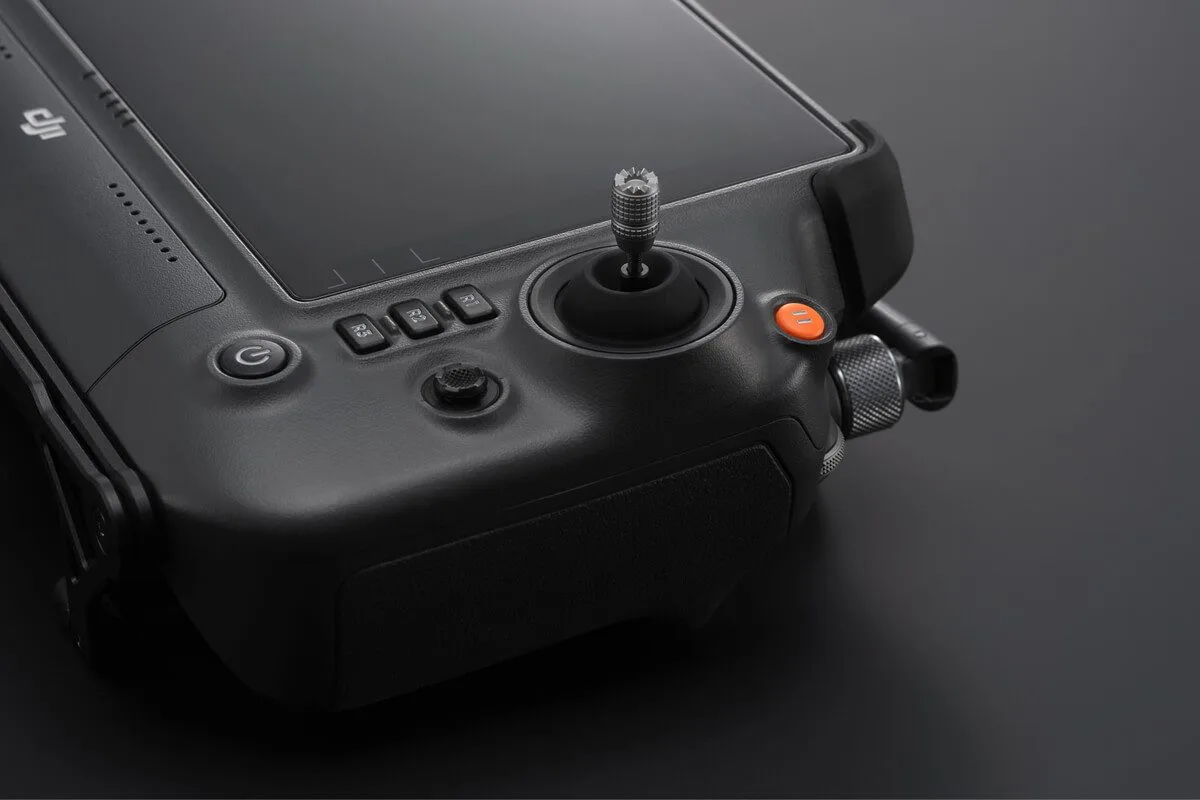
- Pitch: This is your primary forward or backward movement control. Make these movements slow and steady.
- Yaw: This is how you turn the drone. You’ll use this to keep your subject centered if it’s moving sideways relative to your flight path.
- Roll: This is the strafe function, allowing you to move left or right without turning. It’s incredibly useful for creating parallax movement around a subject.
Framing Your Subject for Impact
Framing is about composition, how you arrange elements within your camera’s view. The goal is to draw the viewer’s eye to your subject and tell a story. This isn't just about having the subject in the shot; it's about how it's in the shot.
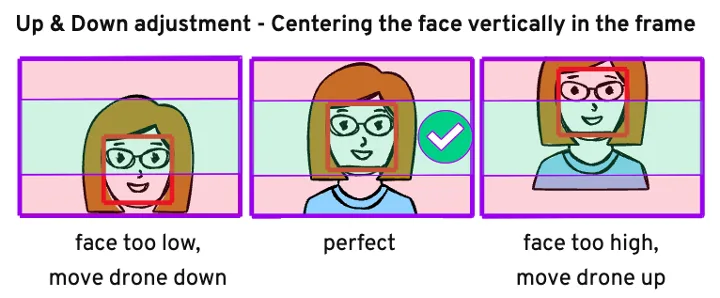
- Rule of Thirds: Imagine dividing your frame into nine equal parts by two horizontal and two vertical lines. Placing your subject along these lines or at their intersections often creates a more dynamic and pleasing image than centering it.
- Leading Room: If your subject is moving forward, leave space in front of them in the direction of travel. This gives the impression of motion and prevents the shot from feeling cramped.
- Headroom/Background: For subjects that aren't moving forward, consider how much space is above their head (headroom) and what’s behind them. A clean, uncluttered background keeps the focus on your subject.
Executing the Actual Track: Bringing it Together
Once you're ready, begin your movement smoothly. Start the drone's motion before it reaches the subject you want to track, if possible, to create a natural entry into the shot. You'll then use a combination of pitch (for forward/backward) and yaw/roll (for adjustments) to keep your subject framed.
Constantly make micro-adjustments. It's a dance between your controls and the drone's response.
Common Mistakes That Ruin Drone Tracking Shots
Even with the best intentions, a few common missteps can turn a potentially great tracking shot into something shaky or awkward. Recognizing these pitfalls is half the battle in avoiding them.
Over-Reliance on Auto Features
Many drones have intelligent flight modes, including "follow me" or tracking features. While these can be helpful for very simple scenarios, relying on them exclusively for critical tracking shots can lead to unpredictable results. These modes often struggle with complex backgrounds, sudden changes in subject speed, or unexpected obstacles.
Our research indicates that manual control offers far superior precision and creative freedom for cinematic tracking. You’ll get a much more professional and polished result by flying it yourself.
Ignoring Environmental Factors
This is a big one. Wind is the nemesis of smooth drone flight. Even a moderate breeze can buffet your drone, making it incredibly difficult to maintain a steady track.
Manufacturer specifications often provide maximum wind resistance ratings, but these are usually for stable flight, not for precise tracking. If the wind is gusty or strong, it's often best to postpone your tracking shot. Also, consider how light changes throughout the day; harsh, direct sunlight can create unflattering shadows on your subject.
Forgetting the "Leading Room"
This mistake is purely about composition. If you're tracking a person walking forward, and you frame the shot so they are running into the back of the frame, it feels incredibly unnatural. There’s no space for them to go.
You need to leave space in the direction of their movement. This "leading room" gives the viewer a sense of where the subject is heading and makes the shot feel complete and intentional. As of 2026, this principle remains a fundamental aspect of visual storytelling.
Expert Tips for Next-Level Tracking Shots
Want to go from good to great? These tips, drawn from analysis of professional aerial cinematography, can help you elevate your drone tracking shots. They focus on refining your technique and understanding the subtle elements that make a shot truly compelling.
Practicing with a Simulator
Before you risk your drone (or an obstacle) in the real world, spend time in a simulator. Many drone manufacturers offer these, and third-party options are also available. They provide a safe, low-consequence environment to practice your stick control, learn how the drone reacts to different inputs, and develop muscle memory for smooth movements.
This is especially crucial for mastering those nuanced yaw and roll combinations needed for complex tracking.
Varying Your Drone's Movement
A simple straight-line forward track is a good starting point, but it can get monotonous. True cinematic tracking often involves combining movements. For instance, as the drone moves forward, you might also gently strafe sideways (using the roll control) to create a dynamic "reveal" or to keep a more interesting background in view.
You could also incorporate a slight ascent or descent. Think about how a camera operator would move to follow a subject in a film; you're replicating that, but in three dimensions.
Anticipating Subject and Environment Changes
Great tracking shots aren’t just reactive; they're proactive. This means anticipating what your subject will do next and what changes might occur in the environment. If you see your subject might turn a corner, start adjusting your drone's path before they do.
If a branch is about to come into frame, begin a subtle avoidance maneuver early. This foresight allows for much smoother transitions and prevents jarring corrections that can ruin the shot.
Safety / Legal / Compliance / Warnings
Operating a drone, especially for creative filming, comes with responsibilities. Understanding and adhering to safety guidelines and regulations is non-negotiable. This protects you, your equipment, and the public.
- Know Your Local Laws: Drone regulations vary significantly by country, region, and even city. Before flying, consult official aviation authority websites, such as the Federal Aviation Administration (FAA) in the United States. They provide critical information on where you can fly, altitude limits, and registration requirements.
- Visual Line of Sight (VLOS): For most recreational and commercial drone operations, maintaining a visual line of sight with your drone at all times is mandatory. This means you should always be able to see your drone with your own eyes, without binoculars or other visual aids. This rule is paramount for avoiding mid-air collisions and maintaining control.
Why VLOS Matters for Tracking Shots
When you're focused on framing and subject movement for a tracking shot, it's easy to lose visual contact with your drone, especially in busy environments. This is where VLOS becomes critically important. If your drone flies behind a building or into dense foliage, and you can no longer see it, you've broken the rule.
This can lead to fines and, more importantly, a loss of control and potential crash. Always keep your drone in sight.
Pre-flight Checks for Safety
Beyond regulatory compliance, robust pre-flight checks are essential. Ensure your drone's firmware is up-to-date, as updates often include safety enhancements. Check propeller integrity, battery charge levels for both the drone and the controller, and ensure your GPS signal is strong before taking off.
A stable GPS lock is vital for accurate positioning and for enabling features like return-to-home, which is a key safety fallback.
FAQs About Drone Tracking Shots
### How long does drone tracking practice typically take?
Developing smooth drone tracking skills usually requires several hours of dedicated practice. Many users find that an initial 5-10 hours in a simulator or open space helps build fundamental control. Consistent, shorter practice sessions, like 30 minutes daily, are more effective for long-term skill development than infrequent marathon sessions.
### Can I use a drone tracking shot around people?
Yes, but with extreme caution and adherence to all local regulations. Always ensure you have permission if flying near private property or events. Maintain a safe distance from people, as drone malfunctions can happen.
Prioritize VLOS and be prepared to land immediately if there's any risk to bystanders.
### What's the difference between a tracking shot and a follow-me shot?
A tracking shot is a broader term for any shot where the camera moves with a subject, and it's often manually controlled. A "follow-me" shot is a specific type of automated drone tracking where the drone uses GPS or other sensors to automatically follow a designated subject. While convenient, manual tracking offers more creative control and often results in smoother, more cinematic footage.
### Is drone tracking difficult in windy conditions?
Yes, drone tracking is significantly more difficult in windy conditions. Wind can buffet the drone, making precise movements challenging and potentially causing jerky footage. While some drones are rated for specific wind speeds, maintaining a perfectly smooth track often requires calm or very light wind conditions for optimal results.